Coarse-Haired Styrian Hound
Summary
The Styrian Coarse-Haired Hound (Steirische Rauhaarbracke) was created by Carl Peintinger in 1870 in Styria, Austria, through the cross of an Istrian Coarse-Haired female with the Hanoverian Scent Hound. It is a hardy and determined scent hound, developed for hunting wild boar and deer in the alpine mountains, performing well even in adverse weather conditions.
Physical Characteristics
- Size
- Medium
- Height (male)
- 45–53 cm
- Height (female)
- 43–51 cm
- Weight (male)
- 15–18 kg
- Weight (female)
- 13–16 kg
- Life Expectancy
- 12–14 years
- Coat
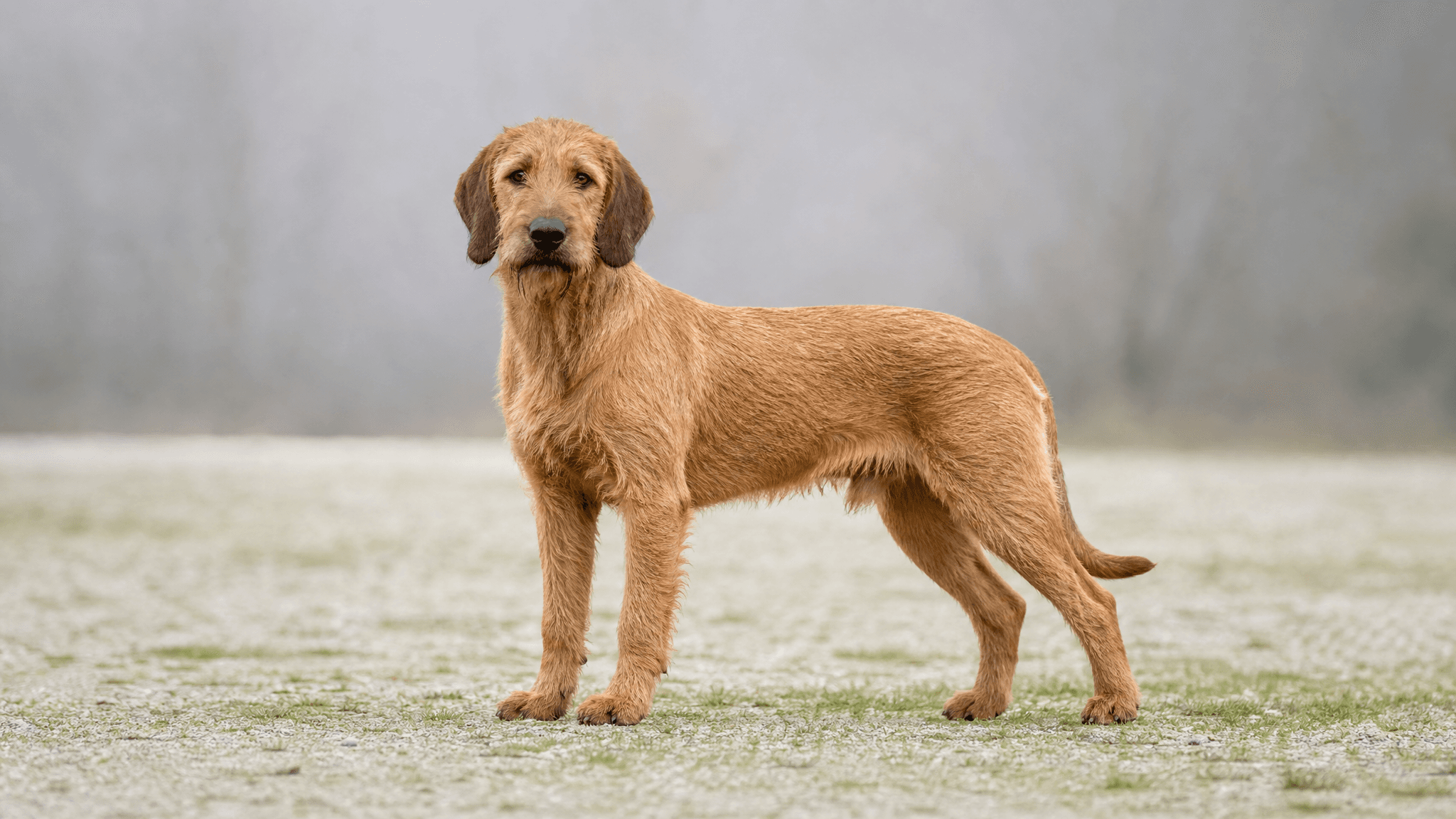
- Rough, harsh, and without shine
- Common Colors
- Reddish fawn, reddish yellow; muzzle may be darker
Temperament & Personality
The Styrian Hound is a courageous, persistent, and highly determined dog. It is extremely resistant to alpine weather conditions. Outside of hunting, it is loyal and well-balanced in temperament, although it needs abundant exercise.
Activity & Exercise
- Energy Level
- High
- Recommended Daily Exercise
- 90 minutes
- Suitable for Apartment
- Not recommended
Grooming & Care
- Grooming Needs
- Low
- Shedding
- Low
Health
- Common Health Issues
- Hip dysplasia
- Otitis
- Recommended Health Tests
- Orthopedic evaluation
Compatibility
- With Children
- Good
- With Other Dogs
- Good
- With Cats
- Can be difficult
- For First-Time Owners
- Not recommended
Is a Coarse-Haired Styrian Hound right for you?
A Coarse-Haired Styrian Hound may suit you if:
- You can commit to providing at least 90 minutes of vigorous daily exercise and engaging mental challenges.
- You enjoy spending significant time outdoors, perhaps hiking or participating in scent work, even in challenging weather.
- You appreciate a loyal, courageous, and determined companion with a well-balanced temperament that thrives on activity.
- You are prepared for consistent, patient training to channel their strong scent-hound instincts effectively.
- You are comfortable with minimal grooming, as their coarse coat requires little maintenance beyond occasional brushing.
- You are willing to manage a dog with a powerful nose and a persistent drive to follow interesting scents.
Think twice if:
- You expect instant obedience or a dog that will always prioritize your commands over an enticing scent.
- You have a routine that requires leaving a high-energy dog alone for long periods without sufficient activity.
- You are unwilling to manage potential difficulties with cats due to their strong prey drive.
- You are unable to consistently provide at least 90 minutes of vigorous exercise every single day.
- You live in an apartment or do not have a securely fenced outdoor space for them to explore safely.
- You are not prepared for the consistent guidance and firm, fair handling required during their determined adolescent phase.
The Coarse-Haired Styrian Hound is a dedicated, robust companion for an active, experienced owner. While their strong hunting instincts and need for extensive exercise demand commitment, their loyalty and balanced temperament make them a deeply rewarding part of a life lived outdoors. They thrive when given a job to do and a loving, understanding home.
Training a Coarse-Haired Styrian Hound
Your Coarse-Haired Styrian Hound is a wonderfully bright and determined learner, deeply motivated by scent work and positive reinforcement. Short, engaging training sessions, rich with praise and high-value treats (perhaps even scent-based rewards!), will yield the best results. These intelligent dogs thrive on consistency and clear communication. If training becomes repetitive or overly harsh, they can become resistant or tune out, given their persistent nature, making it crucial to keep sessions fun and rewarding to build a strong, trusting partnership.
Begin with:
- Attention and response to name around distractions
- Recall on a long line
- Loose-leash walking
- Leave it and drop it
- Calm greetings without jumping
- Settling on a mat or bed
- Cooperative handling for grooming, ears, feet and teeth
- Waiting at doors and gates
Scent and prey drive
The Styrian Hound's heritage as a tenacious scent hound, bred for hunting wild boar and deer, means their nose is always on duty. This powerful drive can make outdoor walks a constant challenge for attention and recall. Start recall training in a low-distraction environment and gradually increase the difficulty, always using a long line for safety until their recall is rock-solid. Practice frequently and make coming back to you the most rewarding thing ever, perhaps with a special toy or treat.
It's vital to manage their environment to prevent them from practicing unwanted behaviours. Keep them on a leash in unfenced areas where prey might be present, and consider engaging in scent work games to satisfy their natural instincts in a controlled way. You can find more tips on building a reliable recall in our guide.
Leash pulling
Given their medium size and determined nature, a Styrian Hound can become quite the powerhouse on the leash, especially when a captivating scent beckons. Early and consistent training is key to teaching polite leash manners. Use a comfortable, well-fitting harness that discourages pulling, and reward generously for any slack in the leash. Practice short bursts of loose-leash walking in quiet areas before tackling more stimulating environments.
Consistency is your best friend here. Every walk is a training opportunity. Avoid letting them pull "just this once" as it reinforces the unwanted behaviour. For comprehensive advice, check out our guide on stopping leash pulling.
Boredom and destruction
A Coarse-Haired Styrian Hound has a high energy level and needs around 90 minutes of vigorous exercise daily. Without sufficient physical and mental stimulation, these intelligent dogs can quickly become bored, leading to undesirable behaviours like excessive barking, chewing furniture, or digging. Ensure their day includes vigorous walks, scent games, and puzzle toys to keep their minds engaged.
They are not recommended for apartment living, so a secure yard where they can explore safely is ideal. Consistent engagement helps prevent them from finding their own 'fun' in ways you might not appreciate, and helps them remain the loyal, well-balanced companions they are meant to be. If you notice signs of stress when left alone, our article on separation anxiety might help.
Coarse-Haired Styrian Hound — Frequently Asked Questions
What is the Steirische Rauhhaarbracke (Coarse-Haired Styrian Hound)?
The Steirische Rauhhaarbracke, also known as the Coarse-Haired Styrian Hound, is a remarkable medium-sized scent hound originating from the picturesque alpine regions of Austria. This hardy breed was meticulously developed by Carl Peintinger in Styria around 1870 and is classified under FCI Group 6, which includes medium-sized hounds. They are celebrated for their incredibly determined and courageous nature, coupled with an impressive resilience to challenging alpine weather conditions. With their distinctive coarse coat and robust build, they embody the spirit of their rugged mountain homeland, making them truly unique companions.
What was the Steirische Rauhhaarbracke (Coarse-Haired Styrian Hound) originally bred for?
The Steirische Rauhhaarbracke was originally bred with a specific and demanding purpose in mind: to be an exceptional hunting companion in the challenging alpine mountains of Austria. Created by Carl Peintinger in 1870 through a cross between an Istrian Coarse-Haired female and a Hanoverian Scent Hound, this breed was developed to excel at hunting wild boar and deer. Their robust constitution and determined nature allowed them to perform admirably even in adverse weather conditions, making them an invaluable asset to hunters navigating the rugged mountain terrain.
How much exercise does a Steirische Rauhhaarbracke (Coarse-Haired Styrian Hound) need?
The Steirische Rauhhaarbracke has a high energy level and truly thrives on abundant exercise! To keep your Coarse-Haired Styrian Hound happy and well-balanced, they need a significant amount of physical activity every day. We recommend at least 90 minutes of vigorous exercise daily. This isn't just a casual stroll; think long hikes, energetic games of fetch, or even canine sports. Their courageous and persistent nature means they love having a job to do and exploring, so incorporating varied activities will keep their minds and bodies engaged.
Is the Steirische Rauhhaarbracke (Coarse-Haired Styrian Hound) a good family dog?
While the Steirische Rauhhaarbracke is primarily a working dog with a strong drive, they can certainly be a loyal and well-balanced family member in the right home. Outside of their hunting pursuits, they possess a wonderfully loyal and even-tempered disposition. However, it's crucial that their significant exercise needs are consistently met to ensure they are calm and content indoors. With proper socialization from a young age, they can get along well with children and other pets, though their inherent prey drive means careful introductions and supervision are always recommended, especially with smaller animals.
Is the Steirische Rauhhaarbracke (Coarse-Haired Styrian Hound) easy to train?
The Steirische Rauhhaarbracke is an intelligent, courageous, and highly determined breed, which makes them quite trainable for owners who understand their unique temperament. They are not necessarily 'easy' in the sense of being passive, but their loyalty and persistence mean they respond very well to consistent, positive reinforcement training. Early socialization and firm, fair guidance are essential to channel their strong drive and ensure they grow into well-behaved companions. They thrive on having a purpose and working alongside their human, making training a rewarding experience for both of you.
What health issues are common in the Steirische Rauhhaarbracke (Coarse-Haired Styrian Hound)?
Like all breeds, the Steirische Rauhhaarbracke can be prone to certain health considerations, though they are generally a very hardy and robust breed. Owners should be aware of a few documented health concerns. Hip dysplasia, a condition affecting the hip joints, is something to monitor. Additionally, due to their ear structure, they can be susceptible to otitis, which refers to inflammation or infection of the ear. Regular veterinary check-ups and proactive care, including keeping their ears clean and dry, can help manage these potential issues and keep your companion healthy.
What is the Steirische Rauhhaarbracke (Coarse-Haired Styrian Hound)'s coat like and how much grooming does it need?
As their name suggests, the Steirische Rauhhaarbracke boasts a distinctive coarse, rough coat that is wonderfully protective and practical. This hardy coat is one of the reasons they are so resistant to harsh alpine weather conditions, providing excellent insulation and protection from the elements. While it's a robust coat, it's surprisingly low maintenance! Regular brushing, perhaps once or twice a week, is usually sufficient to remove loose hair and keep it free of debris. This helps maintain its natural texture and ensures your adventurous friend always looks their best.
What is the typical lifespan of a Steirische Rauhhaarbracke (Coarse-Haired Styrian Hound)?
The Steirische Rauhhaarbracke is a robust and resilient breed, and with proper care, they typically enjoy a good, long life. You can generally expect your Coarse-Haired Styrian Hound to be a cherished companion for approximately 12 to 14 years. Providing them with a high-quality diet, plenty of exercise, regular veterinary check-ups, and a loving home environment will contribute significantly to their overall health and longevity, allowing you to enjoy many wonderful years together.
Community
Talk to real Coarse-Haired Styrian Hound owners
This guide covers the breed on paper. In the app, the Coarse-Haired Styrian Hound community covers it in real life: photos from other owners, questions answered by people who live with the breed, and a directory of dogs you can browse.
- Photos & pollsSee what Coarse-Haired Styrian Hound owners are sharing today.
- Questions & answersAsk anything and hear from people who own one.
- Dog directoryBrowse Coarse-Haired Styrian Hounds from around the world.
You join automatically when you add a Coarse-Haired Styrian Hound to your profile.