Tyrolean Hound
Summary
The Tyrolean Hound (Tiroler Bracke) is an Austrian scent hound developed in Tyrol for hunting in alpine terrain, including tracking wounded animals in snow and working at high altitudes. It was developed from the crossing of ancient Celtic scent hounds with local hunting dogs from Tyrol. It is a versatile dog that works both in pursuing live game and in tracking wounded animals.
Physical Characteristics
- Size
- Medium
- Height (male)
- 44–50 cm
- Height (female)
- 42–48 cm
- Weight (male)
- 15–22 kg
- Weight (female)
- 13–18 kg
- Life Expectancy
- 12–14 years
- Coat
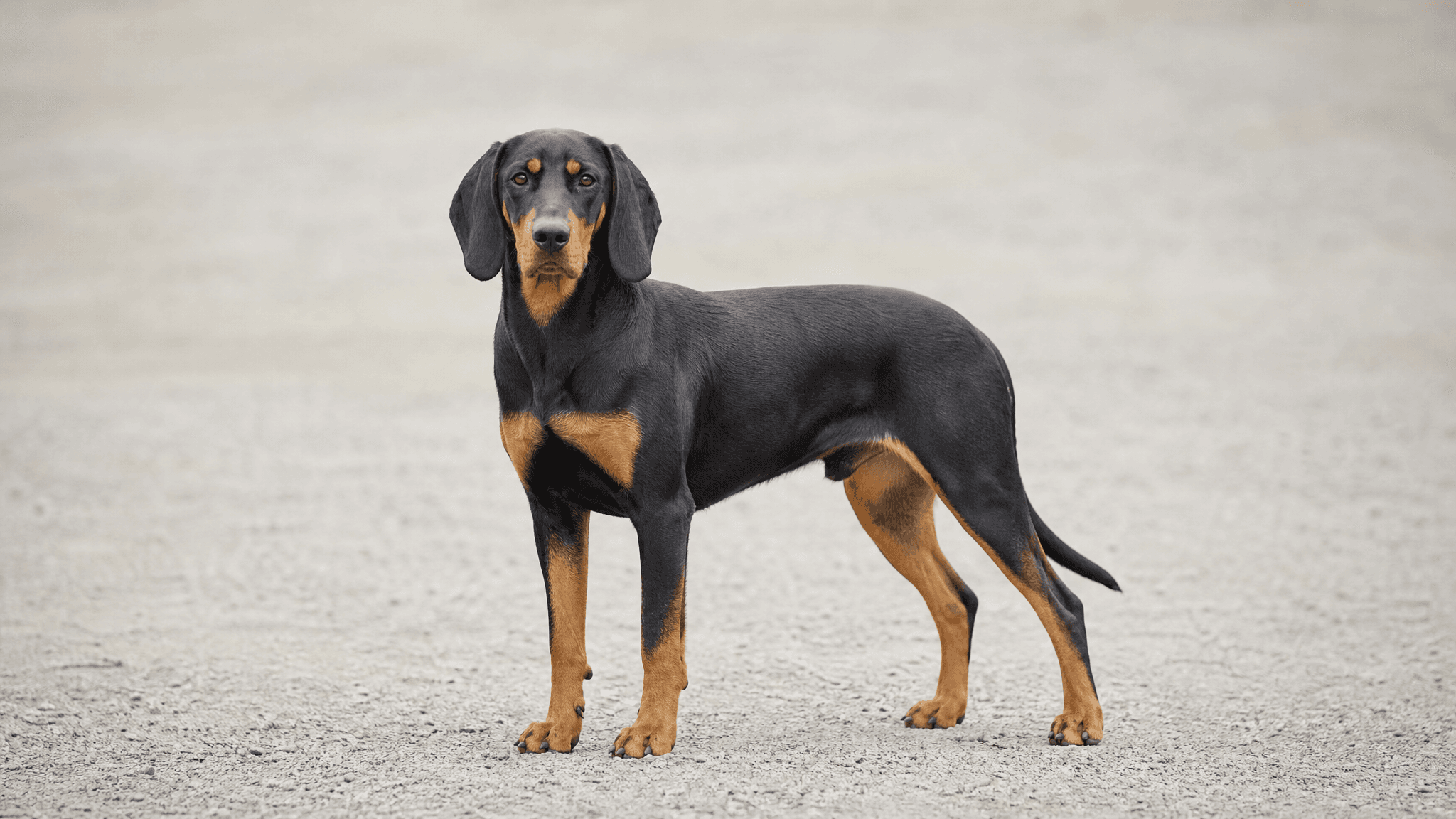
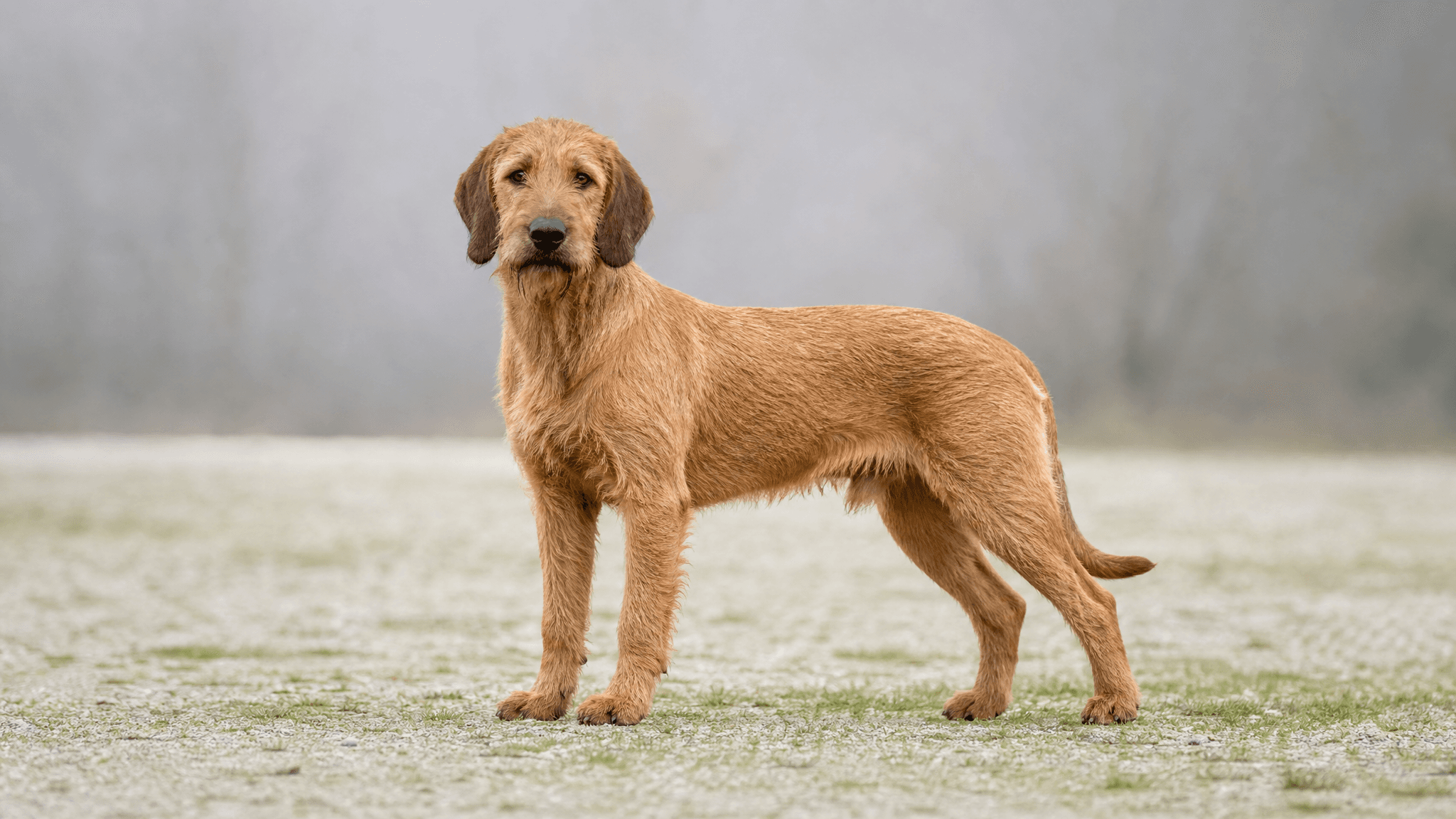
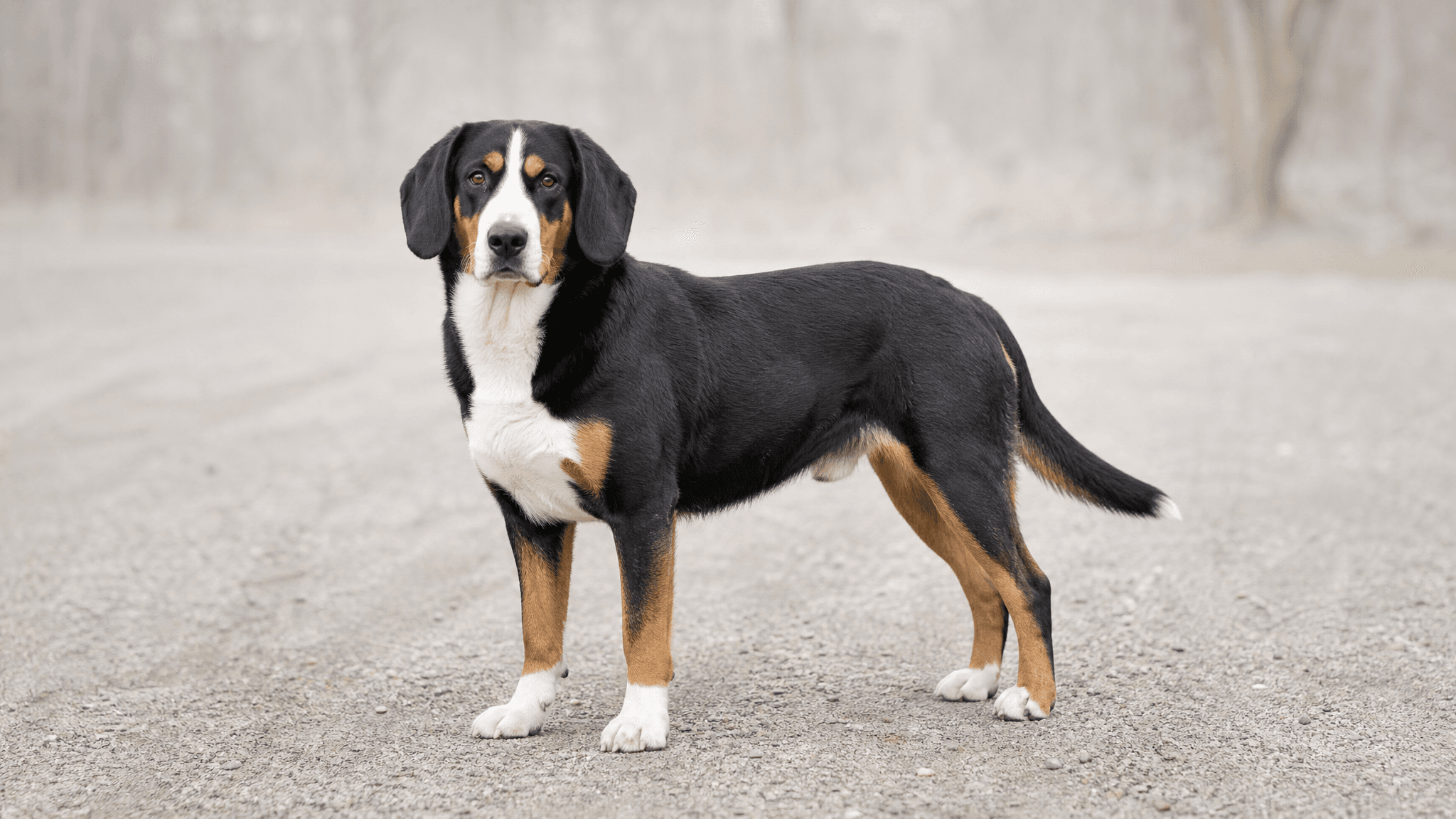
- Double — dense and woolly undercoat; medium-length outer coat
- Common Colors
- Tricolor (black, tan, and white), bicolor red and white, or dark fawn with white
Temperament & Personality
The Tyrolean Hound is courageous, hardy, and extremely persistent. It is a dedicated working dog that performs well both solo and in packs. Outside of hunting, it is loyal and calm with the family, but needs regular physical stimulation.
Activity & Exercise
- Energy Level
- High
- Recommended Daily Exercise
- 90 minutes
- Suitable for Apartment
- Not recommended
Grooming & Care
- Grooming Needs
- Low to moderate
- Shedding
- Moderate
- Bathing Frequency
- Every 4 weeks
Health
- Common Health Issues
- Hip dysplasia
- Otitis
- Recommended Health Tests
- Orthopedic evaluation
Compatibility
- With Children
- Good
- With Other Dogs
- Excellent
- With Cats
- Moderate
- For First-Time Owners
- Not recommended
Is a Tyrolean Hound right for you?
A Tyrolean Hound may suit you if:
- You can provide at least 90 minutes of vigorous daily exercise, including challenging mental stimulation for a dedicated working dog.
- You enjoy outdoor adventures like hiking, tracking, or other scent work, where this breed truly shines.
- You appreciate a courageous, hardy, and persistent companion who is loyal and calm in a family setting.
- You are prepared to commit to consistent, experienced training to channel their strong instincts and intelligence.
- You are comfortable with moderate shedding and regular brushing to maintain their dense double coat.
- You are willing to manage a strong prey drive and a persistent tracking instinct inherent to a scent hound.
Think twice if:
- You expect instant obedience and a dog that always prioritizes your commands over an interesting scent.
- You frequently leave your dog alone for long periods, as they thrive on companionship and activity.
- You have small, non-canine pets that might be seen as prey by a dog with a strong hunting instinct.
- You are unable to provide daily, vigorous exercise and mental challenges for an energetic working breed.
- You live in an apartment or do not have a securely fenced outdoor space for exploration.
- You are unprepared for the strong will and physical demands of managing a persistent adolescent scent hound.
The Tyrolean Hound offers unwavering loyalty and a calm presence at home, a true joy for the right companion. However, their deep-seated working drive and need for extensive daily activity are non-negotiable. Embracing this breed means committing to a life of shared adventure and consistent engagement, ensuring both you and your persistent partner thrive.
Training a Tyrolean Hound
Tyrolean Hounds are intelligent, persistent scent hounds who thrive on engaging, positive reinforcement training. Their strong drive means they learn best in short, focused sessions that feel like a game, especially when incorporating their natural tracking abilities. Keep training consistent and rewarding, using high-value treats and enthusiastic praise to maintain their interest. Inconsistency or a lack of mental and physical stimulation can quickly lead to boredom and a disengaged learner, as their hardy and persistent nature means they won't respond well to repetitive, uninspired drills or harsh corrections.
Begin with:
- Attention and response to name
- Recall on a long line
- Loose-leash walking
- Leave it and drop it
- Calm greetings without jumping
- Settling on a mat or bed
- Cooperative handling for grooming
- Waiting at doors and gates
Recall and prey drive
Tyrolean Hounds are scent hounds with an incredibly strong prey drive, developed for tracking in alpine terrain. Once they catch a scent, their persistence means they will follow it relentlessly, making recall extremely difficult. Start recall training in a secure, distraction-free area, gradually introducing distractions while always rewarding generously. Use a long line initially to ensure safety and success, making coming back to you the most rewarding choice. For more detailed steps, check out our guide on recall.
It's crucial to understand that their instinct to track is powerful. Always supervise your Tyrolean Hound in unfenced areas and consider using a long line for walks where off-leash reliability isn't yet perfect. Consistent, positive reinforcement will build a strong recall, but always be mindful of their natural drive.
Leash pulling
Their medium size and powerful build, combined with a natural urge to follow scents, can make loose-leash walking a real challenge. A Tyrolean Hound on a mission can pull with surprising strength, especially when a captivating scent crosses their path. Focus on teaching them that walking politely by your side is more rewarding than forging ahead.
Practice short bursts of loose-leash walking in low-distraction environments, rewarding every step they take without tension on the leash. Gradually increase the duration and introduce more distractions. Consistency is key here; every walk is a training opportunity. You might find this helpful article useful for getting started.
Boredom and destruction
A Tyrolean Hound's high energy and need for regular physical stimulation (90 minutes daily is recommended) means they are not suited for apartment living and can become destructive if under-exercised or under-stimulated. Without enough outlets for their working drive, they might chew inappropriate items, bark excessively, or engage in other undesirable behaviours to relieve their boredom.
Ensure they receive plenty of mental enrichment, such as scent games, puzzle toys, or even tracking exercises, in addition to their physical exercise. A tired Tyrolean Hound is a happy Tyrolean Hound, and providing suitable outlets for their intelligence and energy will prevent many common behavioural issues.
Tyrolean Hound — Frequently Asked Questions
What is the Tiroler Bracke (Tyrolean Hound)?
The Tiroler Bracke, also known as the Tyrolean Hound, is a wonderful medium-sized scent hound originating from Austria, specifically the Tyrol region. These courageous and hardy dogs belong to FCI Group 6 (Medium-sized Hounds) and are renowned for their exceptional persistence. Bred for the challenging alpine terrain, they possess a robust build and keen senses, making them perfectly suited for tracking game and working at high altitudes. They are truly a testament to their rugged mountain heritage, embodying strength and dedication in every aspect.
What was the Tiroler Bracke (Tyrolean Hound) originally bred for?
The Tyrolean Hound was originally bred for a very specific and demanding purpose: hunting in the rugged alpine terrain of Tyrol, Austria. Their lineage can be traced back to ancient Celtic scent hounds crossed with local hunting dogs, creating a versatile and highly effective working companion. These dogs excel at both pursuing live game and, crucially, tracking wounded animals, even in challenging conditions like snow. Their incredible scenting ability and unwavering determination made them indispensable partners for hunters navigating the high mountains, showcasing their deep-rooted purpose as dedicated working dogs.
How much exercise does a Tiroler Bracke (Tyrolean Hound) need?
As a high-energy working breed, the Tiroler Bracke has significant exercise needs to keep them happy and healthy! These dogs thrive on activity and require a good amount of physical stimulation daily. We recommend at least 90 minutes of vigorous exercise each day. This isn't just a casual stroll; think long hikes, active playtime, or engaging in dog sports. Providing consistent opportunities for them to run, explore, and use their keen senses will help channel their natural drive and ensure they remain a calm and contented member of your family.
Is the Tiroler Bracke (Tyrolean Hound) a good family dog?
While primarily a dedicated working dog with a strong hunting drive, the Tyrolean Hound can indeed be a loyal and calm companion within the family home, provided their significant exercise needs are met. Outside of their hunting instincts, they are known to be affectionate and devoted to their human companions. With proper socialization from a young age and consistent training, they can integrate well into family life. Remember, a well-exercised Tyrolean Hound is a happy and well-behaved one, making them a wonderful addition for active families who understand their unique requirements.
Is the Tiroler Bracke (Tyrolean Hound) easy to train?
The Tyrolean Hound is an intelligent and extremely persistent breed, which makes them highly trainable for their intended purpose. As dedicated working dogs, they respond well to consistent, positive reinforcement training. Their courageous and hardy temperament means they are eager to please and excel when given a job to do. However, their strong scent drive and independence, characteristic of hounds, mean that training requires patience, understanding, and a firm but gentle hand. Early socialization and consistent training are key to harnessing their natural abilities and ensuring they become well-mannered companions.
What health issues are common in the Tiroler Bracke (Tyrolean Hound)?
Like all breeds, the Tiroler Bracke can be prone to certain health conditions, though they are generally a robust and hardy breed. It's always wise for prospective owners to be aware of potential concerns. Documented health issues for the Tyrolean Hound include hip dysplasia, a condition affecting the hip joints, and otitis, which refers to inflammation or infection of the ear. Regular veterinary check-ups, a balanced diet, and appropriate exercise are crucial steps in helping to maintain your Tyrolean Hound's overall health and well-being throughout their life.
What is the Tiroler Bracke (Tyrolean Hound)'s coat like and how much grooming does it need?
The Tiroler Bracke sports a practical and low-maintenance coat, perfectly suited for their active, outdoor lifestyle in alpine environments. They typically have a short, dense, and somewhat coarse coat that offers good protection against the elements. This type of coat doesn't require extensive grooming, making them a relatively easy breed to care for in this regard. A weekly brush to remove loose hair and keep their coat healthy, along with occasional baths as needed, is usually sufficient to keep your Tyrolean Hound looking their best and feeling comfortable.
What is the typical lifespan of a Tiroler Bracke (Tyrolean Hound)?
The Tiroler Bracke is a hardy and robust breed, and with proper care, they typically enjoy a good, long life. You can generally expect a Tyrolean Hound to live for approximately 12 to 14 years. Providing them with a high-quality diet, consistent exercise, regular veterinary check-ups, and plenty of love and mental stimulation will contribute significantly to their longevity and overall quality of life. They are wonderful companions who will bring many years of joy to an active family.
Community
Talk to real Tyrolean Hound owners
This guide covers the breed on paper. In the app, the Tyrolean Hound community covers it in real life: photos from other owners, questions answered by people who live with the breed, and a directory of dogs you can browse.
- Photos & pollsSee what Tyrolean Hound owners are sharing today.
- Questions & answersAsk anything and hear from people who own one.
- Dog directoryBrowse Tyrolean Hounds from around the world.
You join automatically when you add a Tyrolean Hound to your profile.