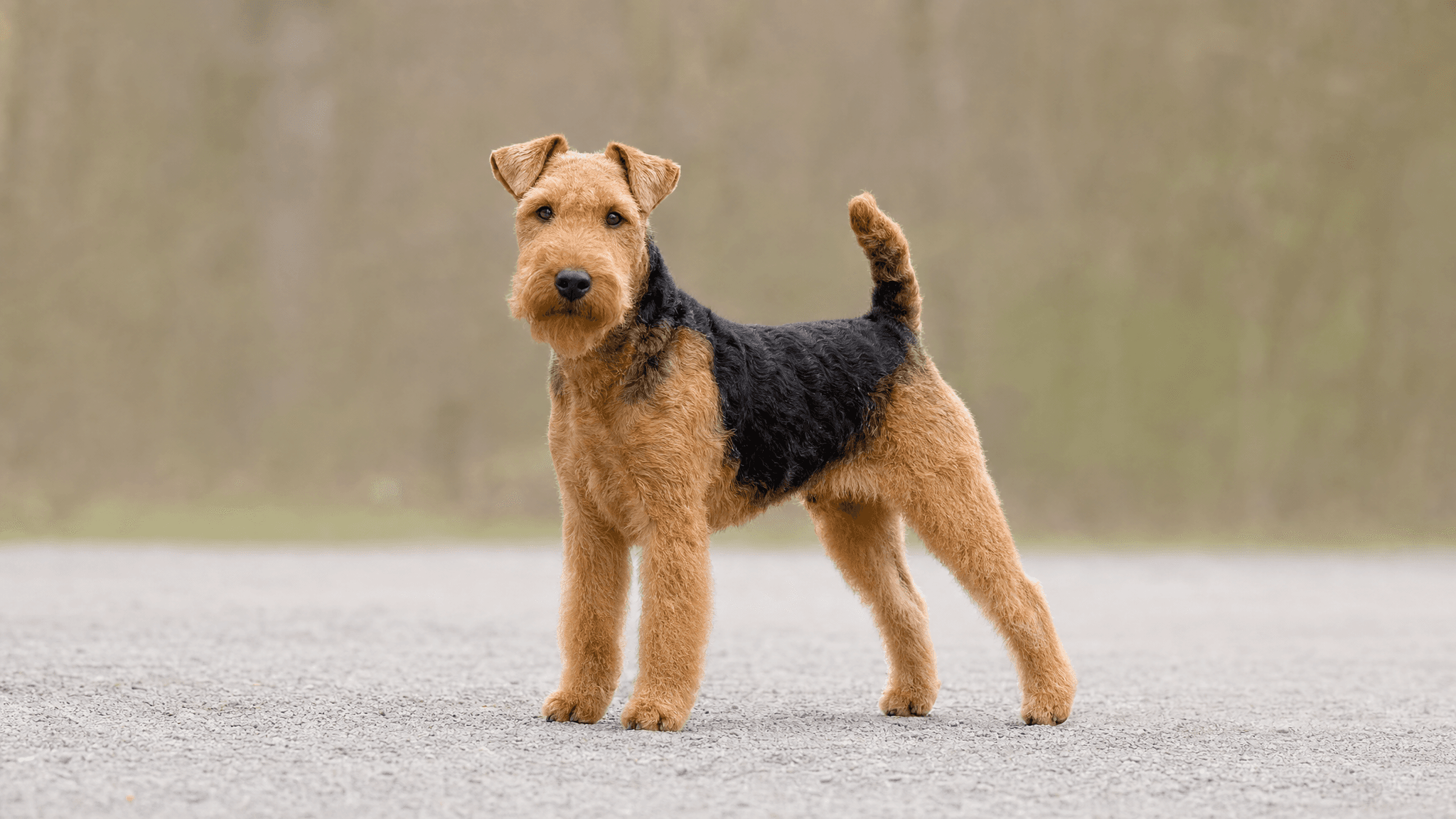
Beagle

Summary
The Beagle is one of the most popular dogs in the world, universally recognized for its compact build, long ears, and adorable expression. With origins in England dating back to the 13th century, it was developed to hunt hare in packs, accompanying hunters on foot. Its popularity exploded from the 20th century onward, making it one of the most beloved family dogs — famous worldwide through the character Snoopy from the Peanuts comic strip.
Physical Characteristics
- Size
- Small to medium
- Height (male)
- 33–40 cm
- Height (female)
- 33–38 cm
- Weight (male)
- 10–11 kg
- Weight (female)
- 9–10 kg
- Life Expectancy
- 12–15 years
- Coat
- Short, dense, and weather-resistant
- Common Colors
- Classic tricolor (black, white, and tan); bicolor lemon and white, red and white, orange and white; any hound color is accepted
Temperament & Personality
The Beagle is a cheerful, curious, and tirelessly friendly dog — it rarely shows aggression. It is extremely sociable, loves human and canine company, and is excellent with children. Its olfactory curiosity, however, can lead it to completely ignore commands when an interesting scent captures its attention. It is known for barking, howling, and "talking" — which can be a problem in apartments.
Activity & Exercise
- Energy Level
- High
- Recommended Daily Exercise
- 60–90 minutes
- Suitable for Apartment
- Yes with exercise
Grooming & Care
- Grooming Needs
- Low
- Shedding
- Moderate
Health
- Common Health Issues
- Elbow dysplasia
- Epilepsy
- Hip dysplasia
- Hypothyroidism
- MLS (Musladin-Lueke Syndrome — breed-specific genetic condition)
- Obesity (pronounced tendency)
- Otitis
- Recommended Health Tests
- Genetic test for MLS
- Orthopedic evaluation
- Thyroid examination
Compatibility
- With Children
- Excellent
- With Other Dogs
- Excellent
- With Cats
- Good
- For First-Time Owners
- Acceptable
Is a Beagle right for you?
A Beagle may suit you if:
- You are prepared to provide 60-90 minutes of daily exercise and engaging scent work to satisfy their high energy.
- You enjoy active outdoor adventures and welcome a cheerful, curious companion on your explorations.
- You appreciate a tirelessly friendly and sociable dog that thrives on human and canine company.
- You are patient and consistent, ready to engage with a dog whose scent drive can sometimes override commands.
- You are comfortable with moderate shedding and minimal grooming needs for their short, dense coat.
- You are prepared to manage a dog known for barking, howling, and "talking" as part of their charming personality.
Think twice if:
- You expect unwavering obedience, as a Beagle's powerful nose can lead them to completely ignore commands.
- You have a routine that requires your dog to be alone for long periods, as Beagles thrive on company.
- You are not prepared to manage their strong prey drive and scent interest around smaller, non-canine household pets.
- You are unable to commit to their daily 60-90 minutes of exercise or find moderate shedding problematic.
- You live in an apartment without a plan for managing their vocalizations, or lack a secure, fenced outdoor space.
- You are unwilling to commit to consistent recall training and secure leashing due to their strong desire to follow scents.
The Beagle's cheerful spirit and endless curiosity are truly captivating, making them wonderful family companions. However, their powerful nose and vocal nature require an owner who embraces their unique scent hound instincts and is committed to consistent training and ample activity. Living with a Beagle is a joyful journey for those who understand and celebrate their spirited independence.
Training a Beagle
Beagles thrive on positive reinforcement, especially when delicious treats are involved, as their incredible sense of smell makes them highly food-motivated learners. Keep training sessions short, fun, and frequent – think 5-10 minute bursts – to hold their curious attention and prevent boredom. Inconsistency or a lack of engaging rewards can quickly lead your Beagle to prioritize an interesting scent over your commands, making them appear distracted or 'stubborn'. A warm, patient, and consistent approach is key, as this sociable and cheerful breed responds best to encouragement and clear, positive guidance.
Begin with:
- Attention and response to name around distractions
- Recall on a long line
- Loose-leash walking
- Leave it and drop it
- Calm greetings without jumping
- Settling on a mat or bed
- Cooperative handling for grooming, ears, feet and teeth
- Waiting at doors and gates
Scent and Recall
Beagles are scent hounds with an incredibly powerful nose, which means an interesting smell can completely override all training. When their nose hits the ground, they can become oblivious to their surroundings and your commands. This is why a reliable recall is paramount, but it takes consistent work. Always start recall training in a low-distraction environment, gradually introducing more tempting scents and noises. Use a long line to keep them safe and practice calling them back with high-value rewards, making coming to you the most exciting thing ever. Remember, a Beagle following a scent is doing what it was bred to do; it's not being disobedient, just highly focused. For more detailed guidance, check out our guide on how to teach a dog to come when called.
Leash Pulling
Given their high energy level and natural urge to explore every scent, Beagles are notorious for pulling on the leash. Their compact, sturdy build means they can exert surprising strength. Start teaching loose-leash walking from day one, rewarding every step taken with a slack leash. Avoid letting them pull you to their desired destination, as this reinforces the behavior. If they pull, stop walking until the leash loosens, then resume. Consistency is vital, and using a front-clip harness can provide better control without causing discomfort. You can find more tips on how to stop a puppy pulling on the leash.
Barking and Boredom
Beagles are sociable dogs with high energy, requiring 60-90 minutes of exercise daily. If under-exercised, under-stimulated, or left alone for too long, they can become bored and express their frustration through barking, howling, and "talking" – a common trait for the breed, especially problematic in apartments. Ensure they receive adequate physical activity and mental enrichment, like puzzle toys or scent games, to keep their minds busy.
Consider enrolling them in doggy daycare or arranging for a dog walker if you're away for extended periods. Teaching them to settle on a mat or in their crate with a long-lasting chew can also provide a positive outlet and help them relax when alone. Address separation anxiety if present, as this can exacerbate vocalizations; learn to spot the signs of stress when you leave.
Beagle — Frequently Asked Questions
Are Beagles hard to train, and why?
Beagles are intelligent but independently-minded scent hounds — they were bred to follow their nose and make decisions on their own in the field, which can look a lot like stubbornness during training. They respond well to positive reinforcement and especially food rewards (they're famously food-driven), but they can tune out commands if something interesting is happening nearby. Consistent, patient, reward-based training works; frustration and repetition do not.
Do Beagles bark or howl a lot?
Beagles were bred to 'give tongue' — to bay and howl when they're on a scent — so yes, they are vocal dogs. They bay, bark, and howl when bored, excited, lonely, or when they catch an interesting smell. This can be a challenge in apartments or densely populated neighbourhoods. Early training to settle and quiet cues, plus sufficient mental and physical stimulation, go a long way in managing their vocal tendencies.
Can a Beagle be let off the leash?
Off-leash safety with Beagles is a real concern — their nose can lock onto a scent and they'll follow it completely oblivious to traffic, fences, or recall commands. Most experienced Beagle owners keep them on a long line or in securely fenced areas rather than trusting a reliable off-leash recall. With intensive recall training from puppyhood and consistent practice, some Beagles do learn a solid recall, but it's never guaranteed when their nose kicks in.
Are Beagles good with children?
Beagles are wonderful family dogs — they're playful, patient, and sturdy enough to handle the rough-and-tumble of family life with children. They love being in a pack, and a family with kids fulfils that social need perfectly. As with any dog, teach children how to interact respectfully, and supervise young toddlers, but Beagles are generally one of the most child-friendly breeds around.
How much exercise does a Beagle need?
Beagles are more energetic than their compact size suggests — they need at least 1 hour of exercise per day, ideally split across two walks. They also need mental stimulation through nose work, sniff walks, or puzzle feeders to satisfy their scent-hunting instincts. A Beagle without enough physical and mental outlet tends to become a vocal, destructive, escape-artist problem dog.
Are Beagles prone to weight gain?
Beagles have a legendary appetite and almost no off-switch when it comes to food — they will beg, steal, and counter-surf relentlessly if given the chance. Obesity is one of the most common health problems in the breed and leads to joint issues, diabetes, and a shortened life. Measuring meals precisely, avoiding table scraps, and using a portion of their daily food as training rewards helps keep their weight in the healthy range.
What health conditions commonly affect Beagles?
Beagles are generally a robust breed, but they're predisposed to epilepsy (idiopathic epilepsy is quite common in the breed), hypothyroidism, intervertebral disc disease, and cherry eye. Their long floppy ears also trap moisture and debris, making them prone to ear infections if not cleaned regularly. Annual vet check-ups and keeping their weight healthy are the best foundation for a long, comfortable Beagle life.
How long do Beagles typically live?
Beagles are a reasonably long-lived breed, typically reaching 12–15 years. Their lifespan is supported by keeping them lean (obesity is their biggest health enemy), managing their ear and dental health, and ensuring they get appropriate exercise without over-exertion. Beagles from health-tested lines and with attentive owners can live comfortably into their teens.
Community
Talk to real Beagle owners
This guide covers the breed on paper. In the app, the Beagle community covers it in real life: photos from other owners, questions answered by people who live with the breed, and a directory of dogs you can browse.
- Photos & pollsSee what Beagle owners are sharing today.
- Questions & answersAsk anything and hear from people who own one.
- Dog directoryBrowse Beagles from around the world.
You join automatically when you add a Beagle to your profile.