Lakeland Terrier
Summary
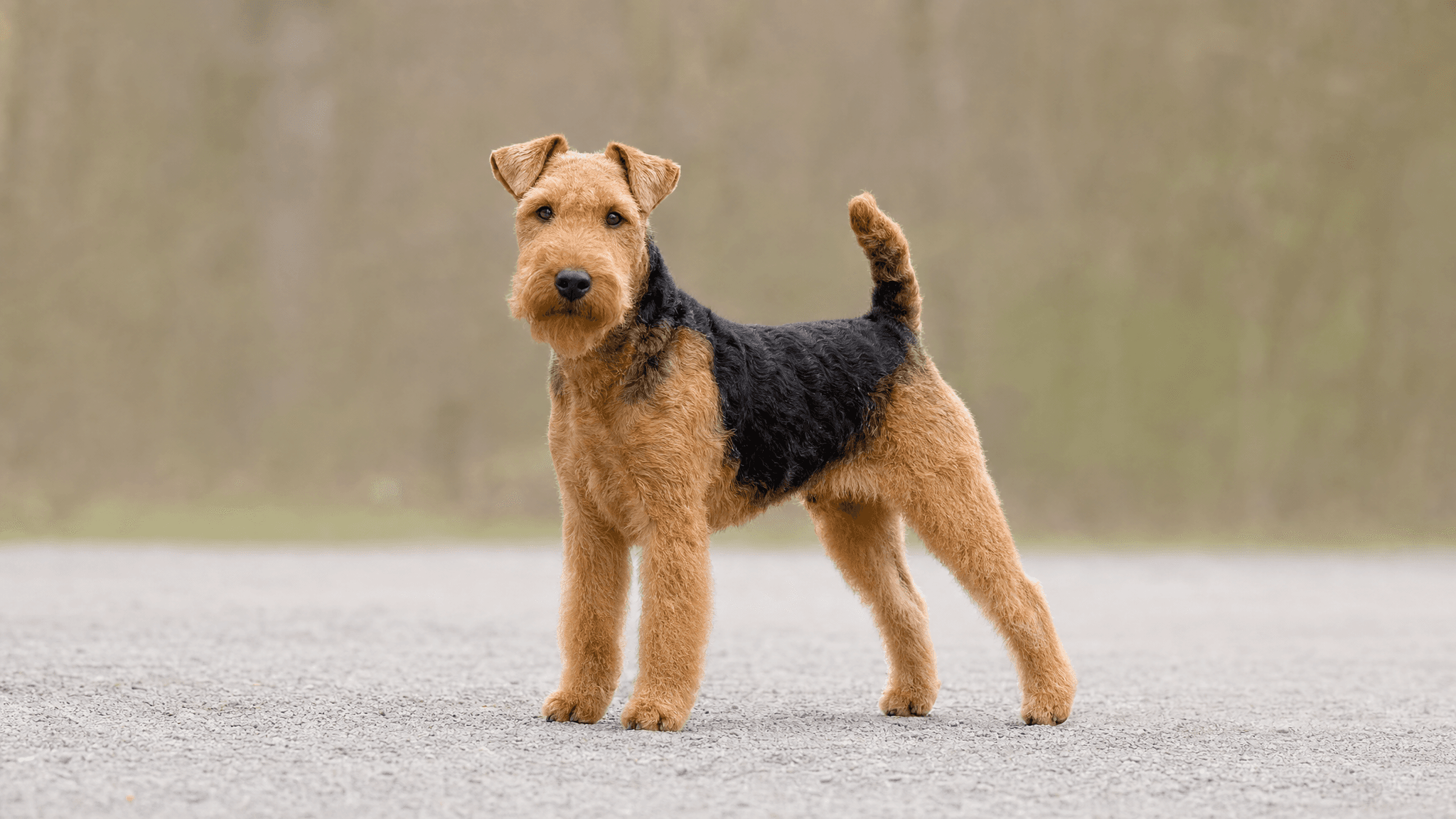
The Lakeland Terrier originates from the Lake District region in northern England, where farmers bred it to control foxes that attacked sheep flocks on rocky hillsides. It is one of the smaller long-legged terriers, falling between the Welsh Terrier (larger) and the Airedale (much larger). It was formally recognized in 1921 and won Best in Show at both Crufts and Westminster — an achievement rarely reached by the same breed in the two most important competitions in the world.
Physical Characteristics
- Size
- Small to medium
- Height (male)
- 37 cm
- Height (female)
- 35 cm
- Weight (male)
- 7–8 kg
- Weight (female)
- 6–7 kg
- Life Expectancy
- 12–15 years
- Coat
- hard and dense outer coat; soft undercoat
- Common Colors
- black-and-tan, blue-and-tan, red, grizzle, wheaten, liver, blue, or solid black
Temperament & Personality
The Lakeland is described as "a big dog in a small body" — confident, bold, and with inexhaustible energy. It is friendly, intelligent, and generally good with active children. It has a tendency to be vocal and to dig. Its intelligence and independence require consistent training and regular mental stimulation.
Activity & Exercise
- Energy Level
- High
- Recommended Daily Exercise
- 45–60 minutes
- Suitable for Apartment
- Yes with exercise
Grooming & Care
- Grooming Needs
- High
- Shedding
- Minimal
- Bathing Frequency
- Every 4–6 weeks
Health
- Common Health Issues
- Eye problems
- Generally robust
- Hip dysplasia
- Legg-Calvé-Perthes disease may occur
- Recommended Health Tests
- Eye examination
- Joint evaluation
Compatibility
- With Children
- Good
- With Other Dogs
- Moderate
- With Cats
- Can be difficult
- For First-Time Owners
- Not recommended
Is a Lakeland Terrier right for you?
A Lakeland Terrier may suit you if:
- You can consistently provide 45 to 60 minutes of vigorous daily exercise and engaging mental challenges.
- You enjoy an active, outdoor lifestyle, perhaps with adventurous hikes, where your dog can explore alongside you.
- You appreciate a confident, intelligent, and bold companion with a spirited personality that keeps life interesting.
- You are prepared to commit to consistent, positive training to channel their intelligence and independent spirit effectively.
- You are willing to commit to regular grooming, including hand-stripping, to maintain their distinctive hard, dense coat.
- You are prepared to manage a dog with a natural inclination to be vocal and to enthusiastically dig.
Think twice if:
- You expect immediate, unwavering obedience from a dog, as their independent terrier spirit takes dedicated effort.
- Your household routine involves long periods where your dog would be left alone without engagement.
- You have cats or other small furry pets, as their strong prey drive can make harmonious living challenging.
- You are unwilling to dedicate 45 to 60 minutes daily to vigorous exercise or consistent, high-level grooming.
- You do not have a securely fenced yard or are unprepared for their determined escape artist tendencies.
- You are a first-time dog owner seeking a very easy-to-manage puppy or adolescent dog.
Lakeland Terriers are truly "big dogs in small bodies," brimming with confidence and an independent spirit. While their intelligence and boundless energy make them engaging companions, they require dedicated owners prepared for consistent training, regular grooming, and ample activity. Living with a Lakeland means embracing their lively terrier traits, which, with the right commitment, blossom into an incredibly rewarding partnership.
Training a Lakeland Terrier
Lakeland Terriers are bright, independent thinkers with a "big dog in a small body" attitude, meaning they thrive on engaging, positive reinforcement training. Their intelligence and bold nature mean they learn quickly, but also get bored easily, so keep training sessions short, fun, and varied, perhaps 5-10 minutes a few times a day. They respond best to handlers who are consistent, patient, and make learning a rewarding game. If training becomes repetitive or inconsistent, or if they lack sufficient mental stimulation, their independent streak can lead to them making their own fun, which might not always align with your household rules!
Begin with:
- Attention and response to name around distractions
- Recall on a long line
- Loose-leash walking
- Leave it and drop it
- Calm greetings without jumping
- Settling on a mat or bed
- Cooperative handling for grooming, ears, feet and teeth
- Waiting at doors and gates
Recall and prey drive
Lakeland Terriers were originally bred to hunt foxes, so their prey drive is incredibly strong. This means a squirrel or a rustle in the bushes can easily become far more interesting than you, making recall a significant challenge. Start recall training in a secure, distraction-free area, using high-value treats and enthusiastic praise.
Once reliable indoors, gradually introduce mild distractions, always keeping your Lakeland on a long line for safety. Consider using a specific, exciting recall word reserved only for this command. Remember, consistency is key, and never punish your dog for eventually coming back, even if it took a while. For more help, check out our guide on teaching recall.
Leash pulling
Despite their small to medium size, Lakeland Terriers have boundless energy and a determined spirit, which can translate into significant leash pulling if not addressed early. They love to explore, and their natural curiosity can make walks a constant tug-of-war. Start by rewarding them for walking calmly beside you, even for just a few steps.
Practice frequently in short bursts, changing direction often to keep their attention on you. If they pull, stop walking immediately until the leash slackens, then resume. Consistency is vital here. For more detailed strategies, our guide on stopping leash pulling can be a great resource.
Boredom behaviors
Lakeland Terriers are highly energetic and intelligent, needing 45-60 minutes of daily exercise and plenty of mental stimulation. Without enough to do, their independent nature can lead to undesirable behaviors like excessive barking, digging, or destructive chewing. These aren't signs of naughtiness, but rather their way of telling you they're bored and need an outlet for their energy.
Ensure they get their recommended daily exercise, and incorporate puzzle toys, training games, and scent work into their routine to keep their clever minds engaged. A tired Lakeland is a happy Lakeland! If you're concerned about separation anxiety when left alone, our article on stress signs might offer useful insights.
Lakeland Terrier — Frequently Asked Questions
What is the Lakeland Terrier?
The Lakeland Terrier is a charming and spirited breed hailing from the picturesque Lake District in northern England. As a member of FCI Group 3, the Large and Medium-Sized Terriers, they embody the classic terrier spirit. Though small to medium in size, they are often described as "a big dog in a small body" due to their confident, bold, and incredibly energetic nature. They are one of the smaller long-legged terriers, known for their lively personality and distinctive appearance.
What was the Lakeland Terrier originally bred for?
The Lakeland Terrier has a fascinating history rooted in the rugged landscapes of the Lake District. Farmers in this region originally bred these tenacious dogs for a vital purpose: to control foxes that preyed on sheep flocks across the rocky hillsides. Their courage and agility made them perfectly suited for this challenging task. This remarkable breed was formally recognized in 1921 and has since achieved significant acclaim, even winning Best in Show at both Crufts and Westminster, a testament to their exceptional qualities.
How much exercise does a Lakeland Terrier need?
Lakeland Terriers are truly bundles of joy with a high energy level, so they definitely need their daily dose of activity to stay happy and healthy! We recommend providing them with a good 45 to 60 minutes of exercise every day. This could involve brisk walks, playful romps in a secure yard, or engaging in fun games. Regular physical activity is crucial for channeling their natural enthusiasm and preventing boredom, ensuring your Lakeland remains a well-behaved and contented companion.
Is the Lakeland Terrier a good family dog?
Yes, the Lakeland Terrier can absolutely be a wonderful addition to an active family! They are known for being friendly and intelligent, and they generally get along well with active children who understand how to interact respectfully with dogs. Early socialization is key to ensuring they are comfortable around various people and situations. While they possess a charming personality, be aware that their terrier instincts might lead to a tendency to be vocal and to dig, so a secure yard and consistent training are beneficial.
Is the Lakeland Terrier easy to train?
Lakeland Terriers are incredibly intelligent dogs, but their confident and independent nature means that "easy" might not be the first word that comes to mind for training! They are bold and clever, which makes consistent training absolutely essential from a young age. Their intelligence means they learn quickly, but their independence requires a firm yet gentle hand and lots of positive reinforcement. Regular mental stimulation, like puzzle toys or new tricks, is also vital to keep their sharp minds engaged and prevent boredom.
What health issues are common in the Lakeland Terrier?
Lakeland Terriers are generally a robust and healthy breed, which is wonderful news for prospective owners! However, like all breeds, they can be predisposed to certain health conditions. It's important to be aware of potential eye problems, and some individuals may experience hip dysplasia. Additionally, Legg-Calvé-Perthes disease, a condition affecting the hip joint, may occasionally occur. Regular veterinary check-ups and a healthy lifestyle are key to helping your Lakeland live a long and happy life, and responsible breeders screen for these concerns.
What is the Lakeland Terrier's coat like and how much grooming does it need?
The Lakeland Terrier's distinctive coat requires regular attention to keep it looking its best and in healthy condition. While not overly demanding, consistent grooming is important to manage shedding and maintain the coat's integrity. This typically involves brushing a few times a week to remove loose hair and prevent mats, along with periodic professional grooming or hand-stripping to maintain the breed's classic appearance. Staying on top of their grooming routine will ensure your Lakeland always looks smart and feels comfortable.
What is the typical lifespan of a Lakeland Terrier?
It's wonderful to know that Lakeland Terriers typically enjoy a good, long life, bringing joy to their families for many years! You can generally expect a Lakeland Terrier to live between 12 and 15 years. Providing them with a balanced diet, consistent exercise within their recommended daily range, regular veterinary care, and plenty of love and mental stimulation will contribute significantly to their overall well-being and help them thrive throughout their lifespan.
Community
Talk to real Lakeland Terrier owners
This guide covers the breed on paper. In the app, the Lakeland Terrier community covers it in real life: photos from other owners, questions answered by people who live with the breed, and a directory of dogs you can browse.
- Photos & pollsSee what Lakeland Terrier owners are sharing today.
- Questions & answersAsk anything and hear from people who own one.
- Dog directoryBrowse Lakeland Terriers from around the world.
You join automatically when you add a Lakeland Terrier to your profile.