Australian Shepherd
Summary
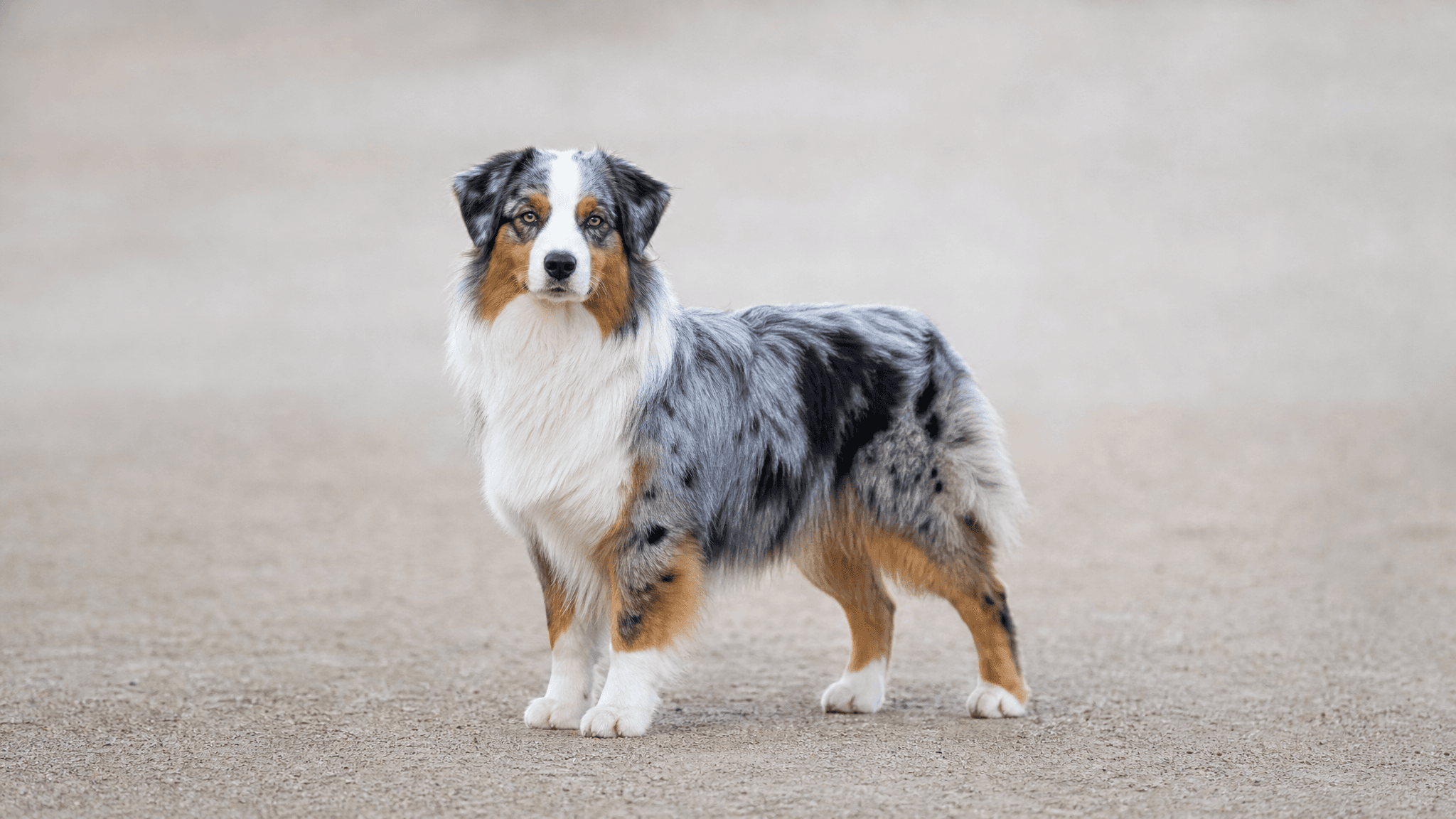
The Australian Shepherd is, despite the name, an essentially American breed, developed in the western USA from sheepdogs brought from Europe (possibly by Basque shepherds who passed through Australia) to work with livestock on American ranches. The breed has become extremely popular in the last 50 years, both as a working dog and as a companion and sport dog. It is famous for its intelligence, versatility and the beauty of its eyes (frequently of different colors).
Physical Characteristics
- Size
- Medium
- Height (male)
- 51–58 cm
- Height (female)
- 46–53 cm
- Weight (male)
- 22–29 kg
- Weight (female)
- 18–25 kg
- Life Expectancy
- 12–15 years
- Coat
- Medium, straight to slightly wavy, with moderate undercoat
- Common Colors
- Black, blue merle, red (brown), red merle; with or without white and/or copper markings
Temperament & Personality
The Australian Shepherd is an energetic, intelligent and extremely versatile dog, with a very pronounced working instinct. It is deeply loyal to its family and tends to be reserved with strangers. It is an excellent sport dog, excelling in agility, obedience, frisbee and herding. It needs a lot of mental and physical stimulation — without it, it can develop anxiety or destructive behaviors.
Activity & Exercise
- Energy Level
- High
- Suitable for Apartment
- Not recommended
Grooming & Care
- Grooming Needs
- Moderate to high
- Shedding
- Moderate to heavy
- Bathing Frequency
- Every 4–6 weeks
Health
- Common Health Issues
- Collie eye anomaly (CEA)
- Drug sensitivity (MDR1)
- Epilepsy
- Hereditary cataracts
- Hip and elbow dysplasia
- Lens luxation
- Recommended Health Tests
- CEA and MDR1 genetic tests
- Eye examination
- Orthopedic evaluation
Compatibility
- With Children
- Good
- With Other Dogs
- Good
- With Cats
- Moderate
- For First-Time Owners
- Not recommended
Is an Australian Shepherd right for you?
An Australian Shepherd may suit you if:
- You are excited to provide daily vigorous exercise and engaging mental challenges for an intelligent companion.
- You enjoy an active lifestyle that includes dog sports, long hikes, or engaging training sessions.
- You appreciate a loyal, intelligent, and energetic dog that forms a strong bond with its family.
- You are prepared to commit to consistent, positive reinforcement training to channel their keen working drive.
- You are willing to dedicate time to regular grooming, including brushing their medium coat several times a week.
- You understand and are ready to manage their natural herding instincts, which may involve gentle guidance.
Think twice if:
- You expect a dog that is always perfectly obedient without consistent training and engagement.
- You frequently leave your dog alone for long periods, as this breed thrives on companionship and activity.
- You are not prepared to guide their herding tendencies around small children or other household pets.
- You prefer a low-maintenance dog that requires minimal exercise or infrequent grooming.
- You live in a small apartment without easy access to a secure, spacious outdoor area.
- You are not prepared for the consistent guidance and firm, gentle handling required during their energetic adolescent phase.
Australian Shepherds offer immense joy and unwavering loyalty to families ready for their high energy and sharp minds. They thrive on purpose and companionship, but without consistent engagement, their intelligence can lead to mischief. Embracing their spirited nature truly unlocks the best of this versatile and devoted breed.
Training an Australian Shepherd
Australian Shepherds are incredibly intelligent and eager to please, making them highly trainable companions. Their strong working instinct means they thrive on engaging, positive reinforcement-based sessions that challenge their minds and bodies. Keep training short, fun, and consistent to maintain their focus. If training lacks mental stimulation or consistency, or if they're not given a clear job, these loyal dogs can become bored, anxious, or develop unwanted behaviors like excessive barking or destructive chewing.
Begin with:
- Attention and response to name around distractions
- Recall on a long line
- Loose-leash walking
- Leave it and drop it
- Calm greetings without jumping
- Settling on a mat or bed
- Cooperative handling for grooming, ears, feet and teeth
- Waiting at doors and gates
Herding Instinct Redirected
Aussies have a powerful herding drive, a core part of their working instinct. This can manifest as nipping at heels, circling, or trying to 'herd' children, other pets, or even moving objects. It's not aggression, but an instinct that needs an appropriate outlet to prevent it from becoming a problem.
Channel this energy constructively. Enroll in herding classes if available, or engage in dog sports like agility or frisbee where they can use their natural athleticism and intelligence. Teach a strong 'leave it' command to redirect their focus from inappropriate herding targets, and ensure you have a reliable recall to manage their instincts in open spaces.
Leash Pulling
Given their high energy level and medium size (males typically 22-29 kg, females 18-25 kg), Australian Shepherds can be strong pullers on the leash, especially when excited by new sights and smells. Their desire to explore and work can make walks challenging if not properly managed.
Start loose-leash training early and consistently. Use a front-clip harness or head halter for better control, and reward heavily for walking nicely by your side. Practice in low-distraction environments first, gradually increasing the challenge. Consistency is key to teaching them that polite walking gets them to their destination faster. Our guide on leash pulling can provide more detailed steps.
Destructive Boredom
An under-exercised or under-stimulated Australian Shepherd is a recipe for trouble. Without sufficient mental and physical engagement, these intelligent dogs can develop anxiety or destructive behaviors like chewing furniture, digging, or excessive barking. They are not recommended for apartment living precisely because of these intense needs.
Ensure your Aussie receives ample daily exercise and mental enrichment. This means not just physical activity, but also puzzle toys, training sessions, and interactive games. Never leave them alone for long periods without adequate preparation and stimulation. Look for signs of stress like excessive panting or pacing, and address their needs promptly. Learn to spot signs of stress to help your loyal companion.
Australian Shepherd — Frequently Asked Questions
What is the Australian Shepherd?
The Australian Shepherd, despite its name, is a truly American breed, developed in the western USA. These medium-sized dogs belong to FCI Group 1 (Sheepdogs) and are renowned for their high energy, intelligence, and incredible versatility. They possess a very pronounced working instinct, are deeply loyal to their families, and often reserved with strangers. Aussies are famous for their striking beauty, often featuring captivating eyes that can be of different colors, and their exceptional abilities as sport dogs, excelling in activities like agility, obedience, frisbee, and, of course, herding. They are truly remarkable companions for active individuals and families!
What was the Australian Shepherd originally bred for?
The Australian Shepherd's history is rooted in the American West, where they were originally bred to be exceptional working dogs on ranches. Their ancestors were sheepdogs brought from Europe, possibly by Basque shepherds who passed through Australia, eventually making their way to the USA. These intelligent and agile dogs were indispensable for managing livestock. While their working instinct remains strong, the breed has soared in popularity over the last 50 years, not only continuing their legacy as superb working dogs but also becoming cherished companions and highly successful sport dogs, thanks to their innate versatility and eagerness to please.
How much exercise does an Australian Shepherd need?
Australian Shepherds are bursting with high energy and require a significant amount of daily exercise to stay happy and healthy. To truly thrive, your Aussie needs at least 120 minutes of vigorous activity daily. This isn't just a casual stroll; think engaging activities like brisk walks, running, playing fetch, or participating in dog sports. Beyond physical exertion, their intelligent minds also crave mental stimulation. Without ample opportunities to burn off energy and engage their brains, Aussies can become anxious or develop destructive behaviors, so an active lifestyle is absolutely essential for these wonderful dogs!
Is the Australian Shepherd a good family dog?
Absolutely, Australian Shepherds can be wonderful family dogs, especially for active households! They are deeply loyal to their families, forming strong bonds with their human companions. While they tend to be reserved with strangers, proper socialization from a young age helps them adapt well to various situations. Their high energy and need for mental stimulation mean they thrive in environments where they are included in family activities and given plenty of engagement. With their patience and playful nature, they can be excellent companions for children and can coexist peacefully with other pets, particularly when raised together and given appropriate guidance.
Is the Australian Shepherd easy to train?
Yes, the Australian Shepherd is generally considered very easy to train, thanks to their exceptional intelligence and eagerness to learn! They are incredibly versatile and possess a strong working instinct, which makes them highly responsive to positive reinforcement training methods. Aussies excel in various dog sports like agility, obedience, frisbee, and herding, demonstrating their remarkable trainability. However, their intelligence means they also need consistent mental stimulation to prevent boredom. Early socialization and consistent training are key to channeling their energy and smarts into desirable behaviors, making them truly rewarding partners for dedicated owners.
What health issues are common in the Australian Shepherd?
Australian Shepherds are generally a robust and healthy breed, often enjoying long, active lives. While our curated database does not list specific common health issues for the breed, like all purebred dogs, they can be predisposed to certain genetic conditions. Responsible breeding practices are crucial in minimizing these risks. Regular veterinary check-ups, a balanced diet, and plenty of exercise are the best ways to ensure your Aussie stays in top condition. Always choose a reputable breeder who screens their breeding stock for potential health concerns to help ensure you bring home a healthy puppy.
What is the Australian Shepherd's coat like and how much grooming does it need?
The Australian Shepherd boasts a beautiful, medium-length double coat that provides protection in various climates. This coat is typically straight to wavy and can come in a stunning array of colors and patterns, including merle, black, red, and tricolor. To keep their coat healthy and minimize shedding, Aussies require regular grooming. Brushing them at least two to three times a week, and more frequently during shedding seasons, is recommended. This helps prevent mats and tangles, distributes natural oils, and keeps their fur looking its best. Occasional baths are also beneficial.
What is the typical lifespan of an Australian Shepherd?
Australian Shepherds are known for their vitality and generally enjoy a wonderful, long life! The typical lifespan for this active and intelligent breed is between 12 and 15 years. Providing your Aussie with a high-quality diet, consistent veterinary care, ample daily exercise, and plenty of mental stimulation are all key factors in helping them reach the upper end of this range and enjoy many happy, healthy years by your side. Their robust nature, combined with dedicated care, contributes to their impressive longevity.
Community
Talk to real Australian Shepherd owners
This guide covers the breed on paper. In the app, the Australian Shepherd community covers it in real life: photos from other owners, questions answered by people who live with the breed, and a directory of dogs you can browse.
- Photos & pollsSee what Australian Shepherd owners are sharing today.
- Questions & answersAsk anything and hear from people who own one.
- Dog directoryBrowse Australian Shepherds from around the world.
You join automatically when you add a Australian Shepherd to your profile.