Barbado Da Terceira
Summary
The Barbado da Terceira is a Portuguese cattle-driving and companion breed from Terceira Island in the Azores. It is recognized by the Clube Portugues de Canicultura but not by the FCI.
Physical Characteristics
- Size
- Medium
- Height (male)
- 52–58 cm
- Height (female)
- 48–54 cm
- Weight (male)
- 25–30 kg
- Weight (female)
- 21–26 kg
- Life Expectancy
- 12–15 years
- Coat
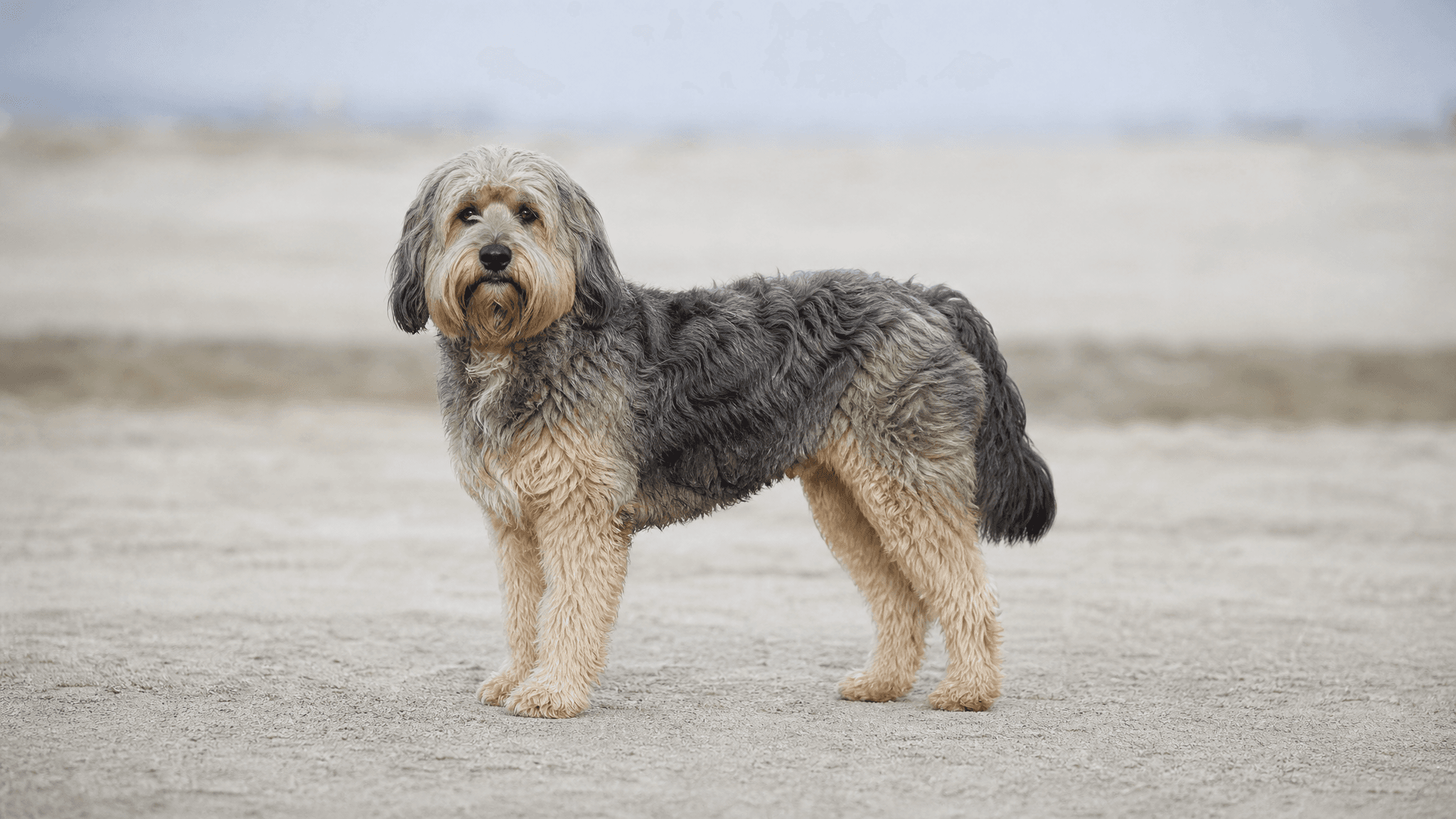
- Dense, slightly wavy to curly coat with abundant facial hair forming the breed's bearded expression
- Common Colors
- Yellow, grey, black, fawn, wolf-grey, with white markings allowed in limited areas
Temperament & Personality
The Barbado da Terceira is intelligent, cheerful, trainable, loyal, and independent. It is a cattle dog by origin and needs work, activity, and close human interaction.
Activity & Exercise
- Energy Level
- High
- Recommended Daily Exercise
- 60–90 minutes
- Suitable for Apartment
- Yes with exercise
Grooming & Care
- Grooming Needs
- Moderate to high
- Shedding
- Low to moderate
- Bathing Frequency
- Every 4–8 weeks
Health
- Common Health Issues
- Eye disorders
- Hip dysplasia
- Skin allergies
- Recommended Health Tests
- Eye examination
- Hip evaluation
- Skin examination
Compatibility
- With Children
- Good
- With Other Dogs
- Good
- With Cats
- Moderate
- For First-Time Owners
- Acceptable
Is a Barbado da Terceira right for you?
A Barbado da Terceira may suit you if:
- You can commit to providing 60 to 90 minutes of vigorous exercise and engaging mental challenges daily.
- You enjoy active outdoor adventures and involving your dog in your daily life.
- You appreciate a loyal, intelligent companion with a cheerful and independent spirit.
- You are prepared to invest in consistent, positive training to channel their intelligence and drive.
- You are prepared for regular grooming to maintain their dense, wavy coat and distinctive facial hair.
- You can manage their natural herding instincts and independent problem-solving nature with patience.
Think twice if:
- You expect immediate, unquestioning obedience from a breed known for its independent thinking.
- You often leave your dog alone for long hours, as they thrive on companionship.
- You have cats and are unwilling to commit to careful, supervised introductions and ongoing management.
- You are unable to provide consistent daily exercise or maintain their moderate to high grooming needs.
- You do not have a securely fenced yard or reliable outdoor space for safe, active play.
- You are unprepared for the energetic exuberance and confident nature of a working breed during their adolescent phase.
The Barbado da Terceira offers a wonderfully loyal and active companion for the right family. While their intelligence and cheerful nature are incredibly rewarding, their working heritage means they truly need a job and consistent engagement. Embracing their needs for activity and mental stimulation ensures a happy, well-adjusted friend who will enrich your life for their full 12 to 15-year lifespan.
Training a Barbado da Terceira
Your Barbado da Terceira is a bright, cheerful, and highly trainable companion who thrives on positive reinforcement and consistent guidance. As a working cattle dog, they are incredibly intelligent and motivated by tasks that engage their minds and bodies. Keep training sessions short, fun, and varied to hold their attention, always ending on a positive note. They excel when given clear expectations and plenty of praise, perhaps with a tasty treat! If training becomes inconsistent or lacks engagement, your Barbado may become bored, frustrated, or develop unwanted behaviours, as their independent nature can lead them to find their own 'work' if not properly directed.
Begin with:
- Responding to name around distractions
- Reliable recall on a long line
- Walking politely on a leash
- Leaving and dropping items
- Calm greetings without jumping
- Settling on a mat or bed
- Cooperative handling for grooming
- Waiting patiently at doors
Herding instinct and focus
The Barbado da Terceira's cattle-driving background means they possess a strong herding instinct and an independent streak. This can manifest as chasing moving objects, such as cyclists or joggers, or attempting to 'herd' family members or other pets. It's crucial to channel this energy constructively rather than trying to suppress it entirely, as it's an inherent part of their nature.
Engage their brilliant minds with puzzle toys, scent work, or dog sports like agility or obedience. Consistent, positive reinforcement training from a young age will help them understand what you want, but always remember their independent nature means you need to make training rewarding and engaging for them to truly thrive.
Leash pulling
With their medium size and high energy, Barbado da Terceiras can become strong pullers on the leash, especially if they aren't getting enough mental and physical exercise. A dog weighing up to 30 kg can be a handful if they decide to forge ahead, making walks less enjoyable for both of you.
Start loose-leash training early using a front-clip harness or head halter for better control and comfort. Reward them frequently for walking calmly by your side, making walks a positive experience. Ensure they get their recommended 60-90 minutes of daily exercise, perhaps split into a few sessions, to burn off some of that energy before a structured walk. For more detailed tips, check out our guide on stopping leash pulling.
Boredom and destructive behaviour
A Barbado da Terceira that is under-exercised or under-stimulated can quickly become bored, leading to undesirable behaviours. This intelligent breed needs a job to do and plenty of interaction; if left alone for too long without appropriate outlets, they might resort to chewing furniture, excessive barking, or digging.
Provide ample mental stimulation through consistent training, puzzle toys, and interactive play sessions. Rotate toys to keep things fresh and consider enrolling in advanced obedience classes or dog sports to keep their minds sharp. Our training feature can help you build a consistent routine to keep their brilliant minds engaged and prevent boredom-related issues.
Barbado Da Terceira — Frequently Asked Questions
What is the Barbado da Terceira?
The Barbado da Terceira (literally 'Bearded Dog of Terceira') is a rare Portuguese herding and cattle-droving breed native to Terceira Island in the Azores archipelago. It is one of the oldest indigenous Portuguese breeds, believed to have been present on the island for centuries, possibly introduced by early settlers from mainland Portugal. It is a medium-sized, strongly built dog with a characteristic long, rough coat that forms a beard and thick eyebrows, giving it a distinguished, rustic appearance. It was recently recognised by the FCI in 2021, making it one of the most recently internationally recognised breeds from Portugal.
Is the Barbado da Terceira a good family dog?
The Barbado da Terceira is a loyal, affectionate, and intelligent breed that can make an excellent family dog for active households. On Terceira Island, it has traditionally been both a working cattle dog and a family companion, demonstrating its adaptability. It bonds closely with its family and is typically good with children, particularly those who engage in active, outdoor play. It may be reserved with strangers initially due to its protective instincts — early socialisation is important. It gets along well with other dogs and pets when properly introduced. Its herding instinct may lead it to attempt to herd children or other animals.
How much exercise does a Barbado da Terceira need?
The Barbado da Terceira is an active, working herding breed with real stamina that needs at least 1–1.5 hours of exercise per day. It thrives with purposeful activity — long walks, hiking, fetch games, and herding activities are all ideal. Mental stimulation is equally important for this intelligent breed — training sessions, puzzle toys, and varied activities prevent boredom and related behaviour problems. It adapts reasonably well to different living environments as long as its daily exercise and mental engagement needs are met. Rural environments with space to roam and work are ideal, but it can adapt to suburban life with sufficient daily activity.
Is the Barbado da Terceira easy to train?
The Barbado da Terceira is an intelligent, willing, and hardworking dog that responds well to training. It has the cooperative work ethic of a herding breed — it was bred to understand and respond to a handler's guidance across terrain with livestock. It learns quickly and is motivated by praise, rewards, and purposeful tasks. Like many herding breeds, it can be independent at times, but its general willingness to please makes it a pleasant training partner. Positive reinforcement training is most effective. Early socialisation and consistent training from puppyhood are important to develop a well-rounded, confident adult.
What is the Barbado da Terceira's coat like?
The Barbado da Terceira has a medium-length, rough, wavy to curly double coat that is one of its most distinctive features. The coat forms a characteristic beard and dense eyebrows that give the breed its distinctive rustic appearance. The coat comes in yellow, fawn, wolf-grey, and brindle, sometimes with white markings. Regular brushing 2–3 times per week prevents tangles and mats, particularly in the beard, eyebrows, and leg furnishings. The coat should not be clipped — it should be maintained in its natural texture. Bathing every 4–6 weeks with a suitable shampoo, followed by thorough drying, keeps the coat in good condition. Regular ear cleaning and nail trimming are also part of the routine.
What health issues are common in the Barbado da Terceira?
The Barbado da Terceira is a naturally robust breed that has evolved over centuries in the island conditions of the Azores, contributing to a generally healthy constitution. As a relatively newly recognised breed internationally, comprehensive breed-specific health data is still being established. Hip dysplasia is possible and worth screening for in breeding dogs. Eye conditions should be monitored. Their dense coat can contribute to skin problems if not regularly groomed and kept clean and dry. Ear care is important given their drop ears. Reputable breeders increasingly participate in health screening programmes as the breed develops its international recognition and breeding standards.
Does the Barbado da Terceira get along with other pets?
The Barbado da Terceira is generally sociable and adaptable with other pets when raised alongside them. As a herding breed, it has a cooperative nature and typically gets along well with other dogs. Its herding instinct may lead it to attempt to organise or nudge smaller pets, but it is rarely aggressive. With cats and smaller animals, careful introduction and supervision are recommended, especially initially. Dogs that have been socialised with a variety of animals and people from a young age develop into confident, well-adjusted adults that coexist harmoniously in multi-pet households. Early and positive socialisation experiences set the foundation for good lifetime behaviour.
What is the typical lifespan of a Barbado da Terceira?
The Barbado da Terceira typically lives between 12 and 14 years, which is a good lifespan for a medium-sized working breed. Its centuries of natural selection on the island of Terceira have contributed to a robust, adaptable constitution. Key longevity factors are providing sufficient daily exercise and mental stimulation, maintaining a healthy body weight, keeping the coat clean and well-groomed to prevent skin issues, regular ear care to prevent infections, and routine veterinary check-ups. As a rare breed that is still developing its international profile, participating in breed health registries when available supports the long-term wellbeing of the breed as a whole.
Community
Talk to real Barbado Da Terceira owners
This guide covers the breed on paper. In the app, the Barbado Da Terceira community covers it in real life: photos from other owners, questions answered by people who live with the breed, and a directory of dogs you can browse.
- Photos & pollsSee what Barbado Da Terceira owners are sharing today.
- Questions & answersAsk anything and hear from people who own one.
- Dog directoryBrowse Barbado Da Terceiras from around the world.
You join automatically when you add a Barbado Da Terceira to your profile.