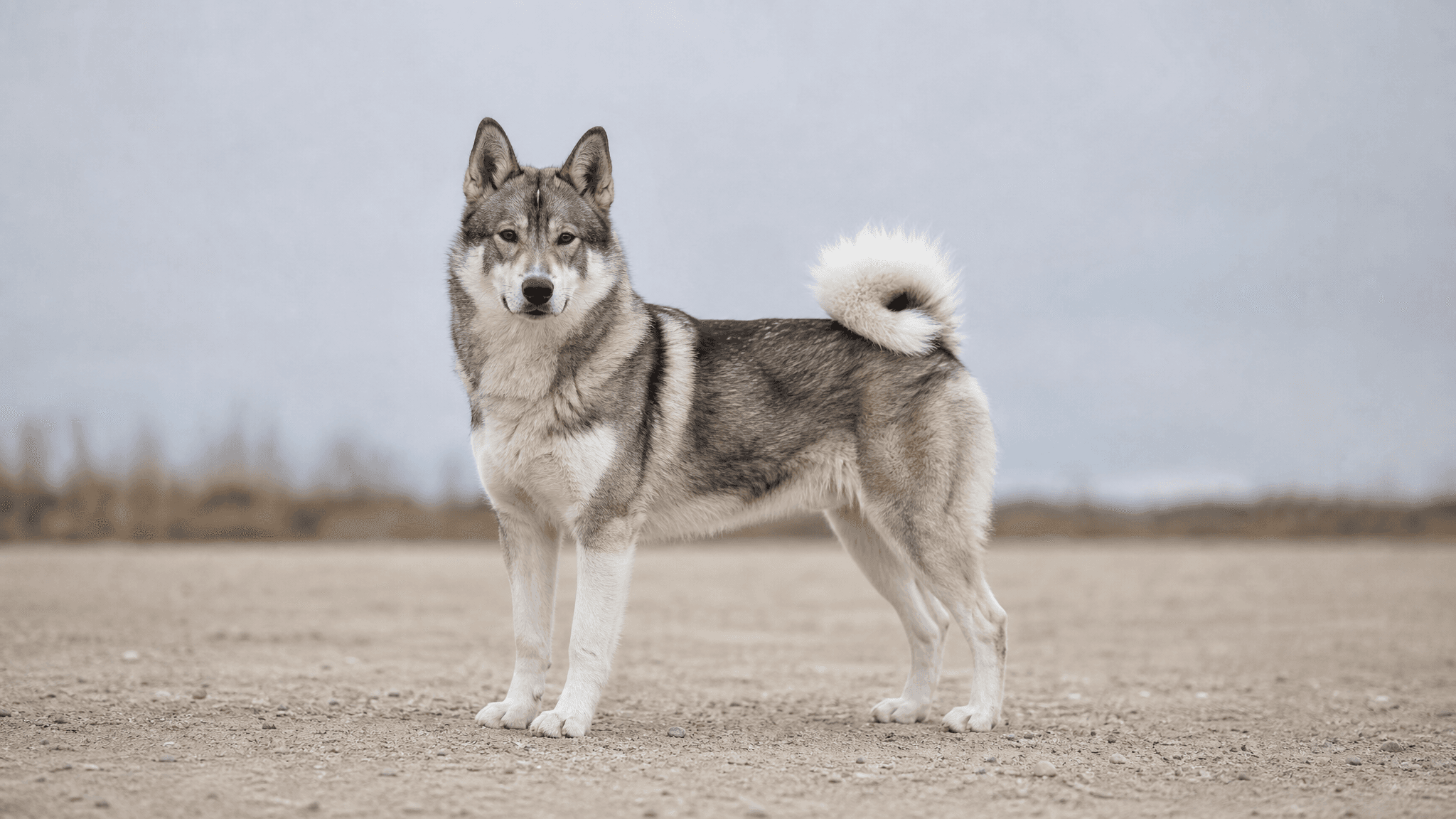
Yakutskaya Laika
Summary
The Yakutian Laika is a versatile breed originating from the Republic of Sakha (Yakutia) in northeastern Siberia, where it was developed by local peoples to pull sleds, hunt, and herd reindeer. It is the sled dog breed with the highest frequency of blue eyes, a distinctive characteristic accepted and valued in its standard. Definitively recognized by the FCI in 2019, it is a breed still relatively rare outside of Russia.
Physical Characteristics
- Size
- Medium
- Height (male)
- 55–59 cm
- Height (female)
- 53–57 cm
- Weight (male)
- 20–25 kg
- Weight (female)
- 18–22 kg
- Life Expectancy
- 10–12 years
- Coat
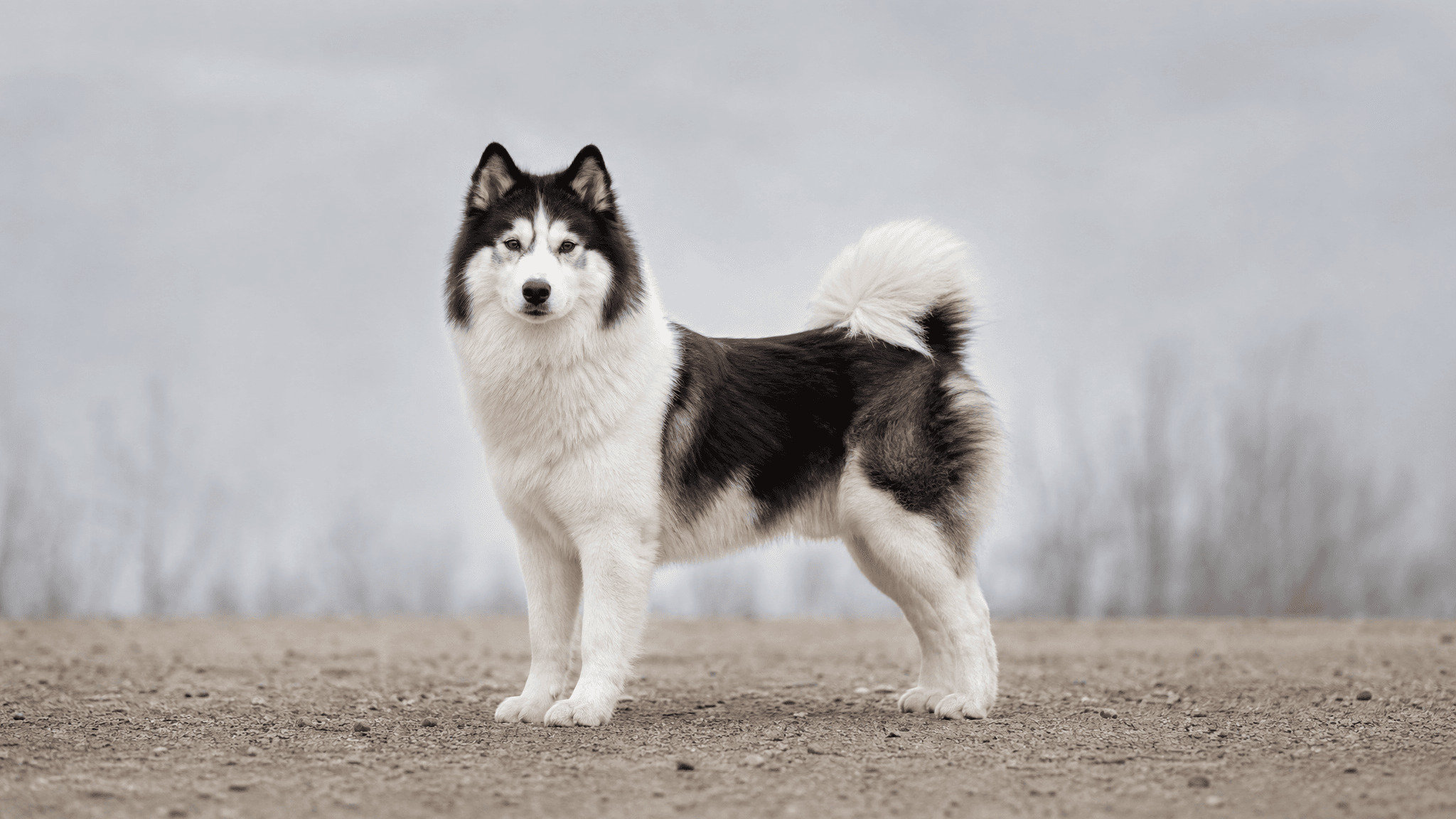
- Thick, glossy, and hard, of medium length, with very developed undercoat; forms a mane on the neck
- Common Colors
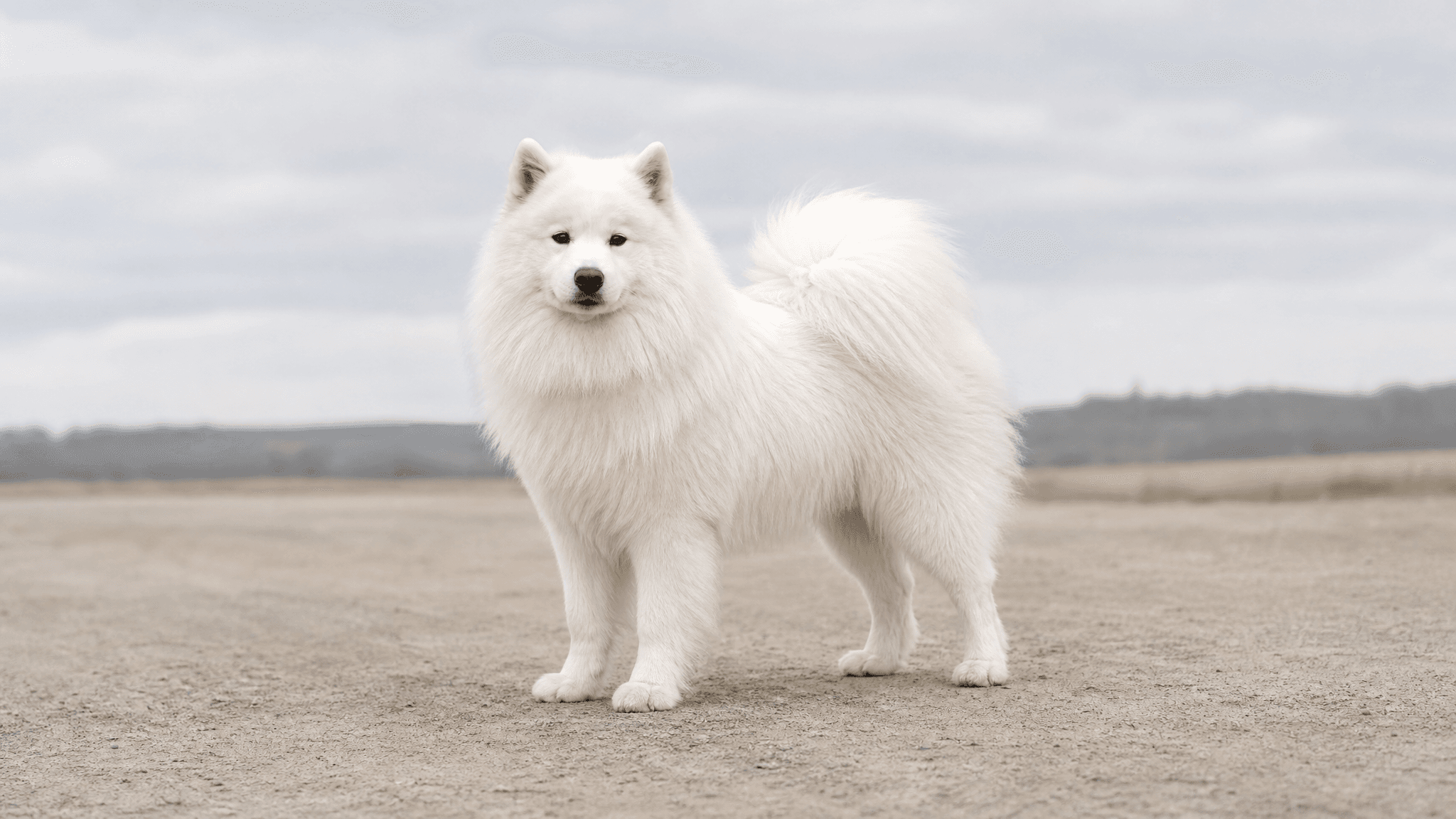
- White and black, white and grey, tricolor (with patches); exclusively white is permitted; solid color except white is disqualifying
Temperament & Personality
The Yakutian Laika is described as courageous, lively, sociable, and energetic, with a close bond to humans. It is intelligent and adaptable, capable of being used in sledding, hunting, and canine sport competitions. It is distinguished from other Laikas by its more family-oriented temperament and more developed herding instinct.
Activity & Exercise
- Energy Level
- High
- Recommended Daily Exercise
- 90–120 minutes
- Suitable for Apartment
- Not recommended
Grooming & Care
- Grooming Needs
- Moderate to high
- Shedding
- Heavy
- Bathing Frequency
- Every 6–8 weeks
Health
- Common Health Issues
- Eye monitoring recommended
- Generally robust breed
- Hip dysplasia possible
- Recommended Health Tests
- Eye examination
- Hip evaluation
Compatibility
- With Children
- Good
- With Other Dogs
- Good
- With Cats
- Moderate
- For First-Time Owners
- Acceptable
Is a Yakutskaya Laika right for you?
A Yakutskaya Laika may suit you if:
- You can provide 90 to 120 minutes of vigorous daily exercise and engaging mental challenges.
- You enjoy outdoor adventures like hiking, sledding, or dog sports that harness their working spirit.
- You appreciate a courageous, lively, and highly sociable companion who forms a deep bond with their family.
- You are prepared to commit to consistent, positive reinforcement training to nurture their intelligence.
- You are willing to manage their thick, double coat with regular grooming, especially during heavy shedding.
- You understand and are ready to manage their strong natural instincts for pulling, herding, and exploring.
Think twice if:
- You expect unwavering obedience and a dog that always follows commands without question.
- You frequently leave your dog alone for long periods, as they thrive on constant companionship.
- You are unwilling to manage their moderate prey drive around smaller household pets, especially cats.
- You are unable to provide daily vigorous activity or consistently manage their significant grooming needs.
- You live in an apartment and cannot provide a securely fenced outdoor space for them to roam.
- You are unprepared for a strong, energetic medium-sized dog that requires consistent guidance through adolescence.
Living with a Yakutskaya Laika means embracing a spirited, loyal companion whose ancient working instincts are deeply ingrained. While they offer immense joy and devotion, their high energy and intelligent minds demand consistent engagement and a dedicated lifestyle. This breed thrives with an owner who truly understands and celebrates their unique Siberian heritage.
Training a Yakutskaya Laika
Your Yakutskaya Laika is a bright, energetic companion eager to learn, especially when training is a fun, collaborative experience. These intelligent dogs thrive on positive reinforcement, praise, and engaging activities that tap into their natural drive and strong bond with you. Keep sessions short, upbeat, and varied to hold their attention, leveraging their sociable nature and desire to please. If training becomes repetitive, harsh, or lacks clear direction, your Laika may become bored, frustrated, or simply tune out, potentially leading to a breakdown in communication and a less harmonious relationship.
Begin with:
- Attention and response to name around distractions
- Recall on a long line
- Loose-leash walking
- Leave it and drop it
- Calm greetings without jumping
- Settling on a mat or bed
- Cooperative handling for grooming
- Waiting at doors and gates
Prey Drive and Recall
Yakutskaya Laikas possess a strong hunting and herding instinct, developed from their history with reindeer. This means squirrels, birds, or even distant movement can be incredibly distracting and trigger their prey drive. Focus on building an iron-clad recall in various environments, starting in low-distraction areas and gradually increasing the challenge. Always use a long line in unfenced areas to keep your Laika safe while practicing, and make coming back to you the most rewarding thing ever. Our guide on recall can help you master this vital skill.
Consistent positive reinforcement for checking in with you, even when distractions are present, will strengthen their bond and responsiveness. Never punish your Laika for coming to you, even if it takes a while, as this can damage their willingness to return.
Leash Pulling
Given their history as powerful sled dogs and their medium size and strength (males typically 20-25 kg), Yakutskaya Laikas can be formidable pullers. Early and consistent training in loose-leash walking is essential to make walks enjoyable for both of you. Use a comfortable, well-fitting harness that discourages pulling, and reward every step your Laika takes with a slack leash. Remember, consistency is key, and patience will pay off. This helpful article offers a force-free plan for stopping leash pulling.
Start training in a quiet environment and gradually introduce more distractions as your Laika improves. Short, frequent training sessions are more effective than long, infrequent ones. If your Laika starts to pull, stop walking until the leash slackens, then continue. This teaches them that pulling gets them nowhere.
Boredom Behaviors
With their high energy level and intelligence, Yakutskaya Laikas require a significant amount of physical and mental stimulation, typically 90-120 minutes of daily exercise. If they don't get enough outlets for their energy and sharp minds, they can become bored and destructive, channeling their drive into digging, chewing, or excessive barking. These are not apartment dogs, and they thrive with space and activity.
Provide a variety of puzzle toys, interactive games, and training sessions beyond just walks to keep their minds engaged. Consider canine sports like sledding, agility, or obedience to tap into their natural abilities. A Yakutskaya Laika that is under-exercised or under-stimulated is often a mischievous and potentially destructive one, so proactive engagement is crucial for a happy home.
Yakutskaya Laika — Frequently Asked Questions
What is the Yakutskaya Laika?
The Yakutskaya Laika is a truly remarkable medium-sized breed, hailing from the Republic of Sakha (Yakutia) in northeastern Siberia. Developed by the local peoples, it belongs to FCI Group 5, known as Nordic Sledge Dogs. This versatile canine is celebrated for its courageous, lively, and sociable nature, forming a close bond with humans. A defining characteristic that truly sets them apart is their striking eyes; they have the highest frequency of blue eyes among sled dog breeds, a trait highly valued in their standard. They are intelligent and adaptable companions, ready for adventure!
What was the Yakutskaya Laika originally bred for?
With a rich history rooted deep in the harsh Siberian landscape, the Yakutskaya Laika was originally bred by the indigenous peoples of Yakutia for incredibly demanding tasks. These resilient dogs were indispensable for pulling sleds across vast, icy terrains, serving as vital transportation. Beyond sledding, their keen senses and intelligence made them excellent hunting partners, assisting their human companions in securing food. They also possessed a well-developed herding instinct, proving invaluable in managing reindeer herds. Their versatility and strong work ethic truly made them cornerstones of survival in their homeland.
How much exercise does a Yakutskaya Laika need?
Given their high energy level and heritage as working dogs, Yakutskaya Laikas require a significant amount of daily exercise to stay happy and healthy. We recommend providing them with 90 to 120 minutes of vigorous activity each day. This isn't just about walks; they thrive on engaging activities like running, hiking, sledding, or even participating in canine sports. Their intelligent and adaptable nature means they love having a job to do, so incorporating mental stimulation into their exercise routine is also a wonderful idea to keep their minds as sharp as their bodies!
Is the Yakutskaya Laika a good family dog?
Absolutely! The Yakutskaya Laika is known for its wonderfully family-oriented temperament. They are incredibly sociable and energetic, forming close bonds with their human families. Their courageous and lively spirit makes them excellent companions for active households. They generally do well with children, especially when properly socialized from a young age, and their developed herding instinct can even make them watchful over their "flock." With other pets, early introductions and supervision are key, but their adaptable nature often allows them to integrate well into multi-pet homes, making them a joyful addition to many families.
Is the Yakutskaya Laika easy to train?
The Yakutskaya Laika is a highly intelligent and adaptable breed, which generally makes them quite trainable! They are eager to please and thrive on positive reinforcement. However, their lively and energetic temperament means they need consistent training and mental stimulation to keep them engaged. They respond best to patient, firm, and fun training methods. Early socialization and puppy classes are highly recommended to help them grow into well-adjusted adults. With their strong bond to humans and natural intelligence, you'll find them quick learners, ready to master new commands and tricks with enthusiasm!
What health issues are common in the Yakutskaya Laika?
Yakutskaya Laikas are generally considered a robust and healthy breed, thanks to their natural development in a challenging environment. As with many purebred dogs, they can occasionally be prone to certain genetic conditions, though specific widespread issues are not commonly documented for this relatively rare breed outside of Russia. Responsible breeding practices are crucial to minimize the risk of hereditary problems. Regular veterinary check-ups, a balanced diet, and plenty of exercise are the best ways to ensure your Yakutskaya Laika stays in peak condition throughout their life, helping them to thrive as the healthy, energetic companions they are.
What is the Yakutskaya Laika's coat like and how much grooming does it need?
The Yakutskaya Laika boasts a magnificent, thick double coat, perfectly designed to protect them from the extreme cold of their Siberian homeland. This dense outer coat and soft, insulating undercoat keep them warm and dry. While beautiful, this coat does require regular grooming to keep it healthy and free of mats. Brushing them several times a week, especially during seasonal shedding periods, will help remove loose hair and prevent tangles. A good de-shedding tool can be your best friend! Regular grooming also strengthens your bond and allows you to check for any skin issues.
What is the typical lifespan of a Yakutskaya Laika?
You can look forward to many wonderful years with your Yakutskaya Laika! These hardy and healthy dogs typically enjoy a lifespan of 10 to 12 years. Providing them with excellent nutrition, consistent veterinary care, plenty of exercise, and a loving home environment are all key factors in helping them reach their full potential and live a long, happy life by your side. Their robust nature and strong constitution contribute to their longevity, allowing them to be cherished members of your family for over a decade, bringing joy and companionship every single day.
Community
Talk to real Yakutskaya Laika owners
This guide covers the breed on paper. In the app, the Yakutskaya Laika community covers it in real life: photos from other owners, questions answered by people who live with the breed, and a directory of dogs you can browse.
- Photos & pollsSee what Yakutskaya Laika owners are sharing today.
- Questions & answersAsk anything and hear from people who own one.
- Dog directoryBrowse Yakutskaya Laikas from around the world.
You join automatically when you add a Yakutskaya Laika to your profile.