Russian-European Laika
Summary
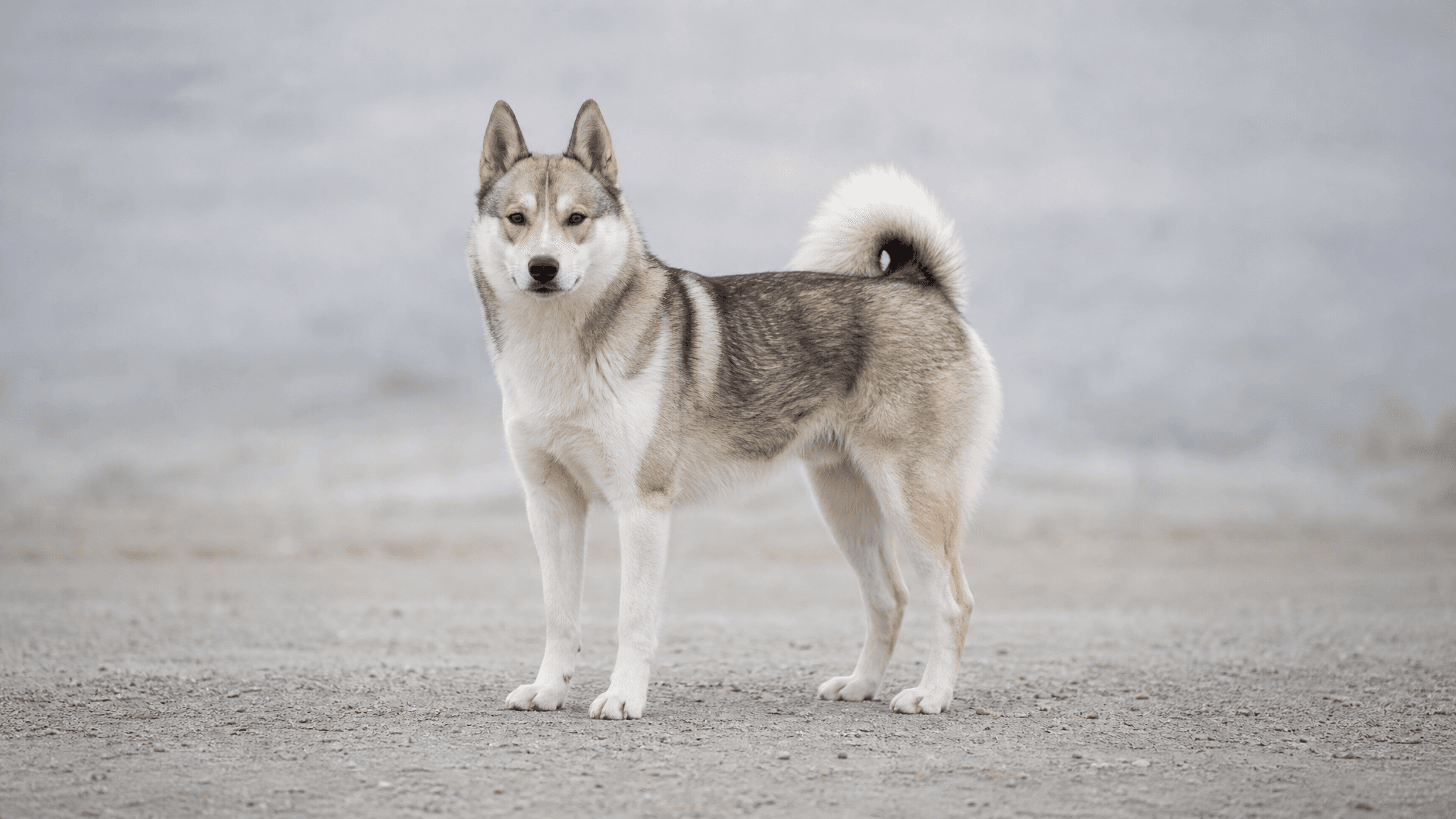
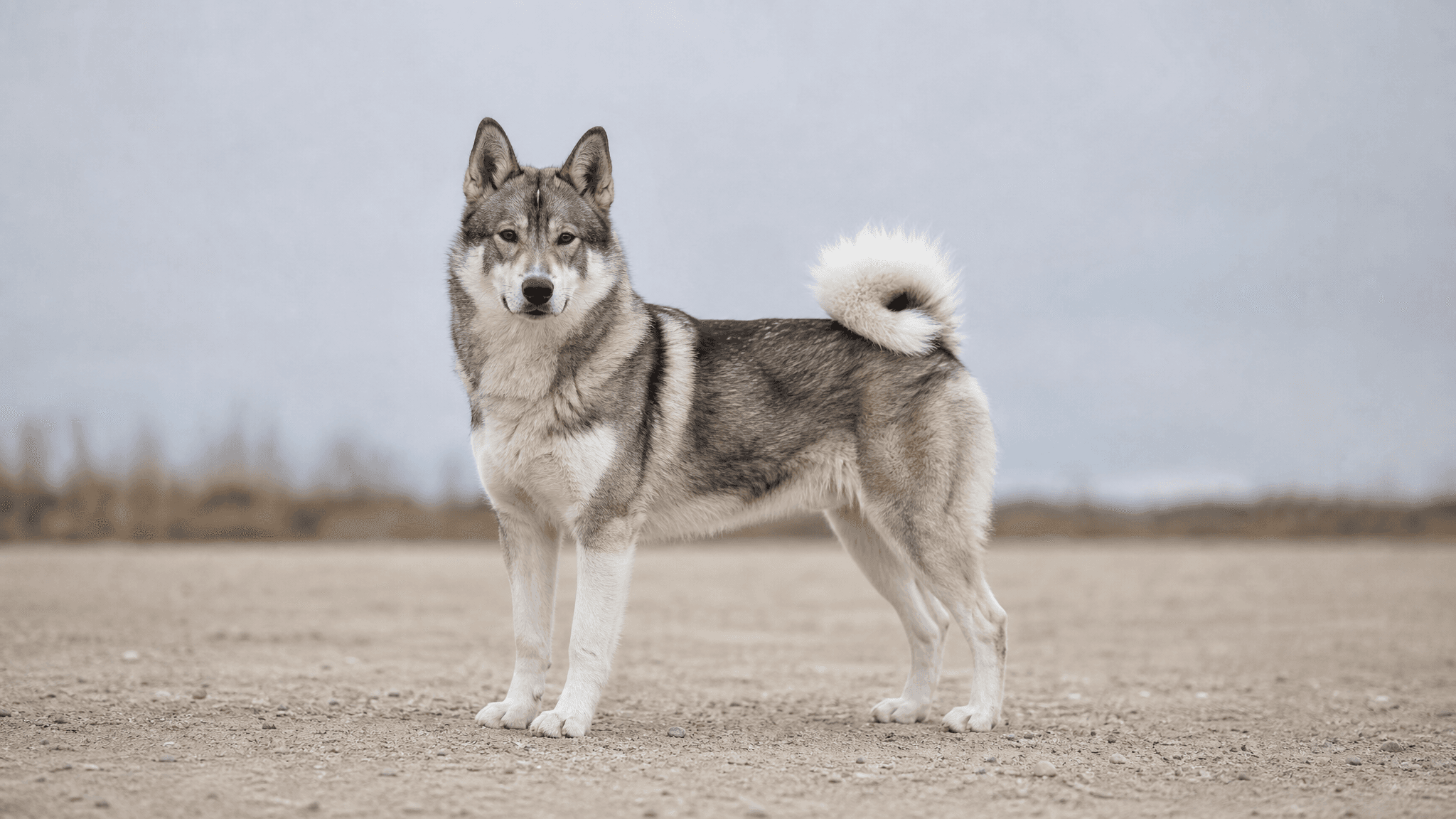
The Russian-European Laika is the most compact and the most human-oriented in temperament of the three Russian Laikas recognized by the FCI. Developed in the forests of European Russia and Russian Karelia, it is a versatile hunter used for birds, furs, and large game. It is distinguished by its short coat and relatively short muzzle compared to its Siberian counterparts.
Physical Characteristics
- Size
- Medium
- Height (male)
- 52–58 cm
- Height (female)
- 48–54 cm
- Weight (male)
- 18–23 kg
- Weight (female)
- 15–20 kg
- Life Expectancy
- 12–14 years
- Coat
- Double; short and hard outer coat; very dense undercoat
- Common Colors
- Black and white, grey, fawn, wolf; patches accepted
Temperament & Personality
The Russian-European Laika is a balanced, lively, and human-oriented dog. It has a highly developed hunting instinct and an excellent sense of direction. With the family, it is loyal and affectionate, although it can be dominant with other dogs. It needs plenty of exercise and mental stimulation to remain balanced.
Activity & Exercise
- Energy Level
- High
- Recommended Daily Exercise
- 90–120 minutes
- Suitable for Apartment
- Not recommended
Grooming & Care
- Grooming Needs
- Low to moderate
- Shedding
- Moderate
Health
- Common Health Issues
- Generally robust breed
- Hip dysplasia
- Recommended Health Tests
- Hip evaluation
Compatibility
- With Children
- Good
- With Other Dogs
- Moderate
- With Cats
- Can be difficult
- For First-Time Owners
- Not recommended
Is a Russian-European Laika right for you?
A Russian-European Laika may suit you if:
- You can provide 90 to 120 minutes of vigorous daily exercise and engaging mental challenges.
- You enjoy outdoor adventures like hiking, tracking, or even canine sports that tap into their hunting instincts.
- You appreciate a loyal, affectionate, and lively companion who thrives on human interaction.
- You are prepared to commit to consistent, positive training to channel their intelligence and strong will.
- You are willing to provide moderate grooming, especially during seasonal shedding, for their dense double coat.
- You are prepared to manage a strong prey drive and provide secure containment to keep them safe.
Think twice if:
- You expect immediate, unwavering obedience from a dog with an independent, hunting spirit.
- You need a dog content with long hours alone or a sedentary indoor lifestyle.
- You have cats or small pocket pets, as their strong prey drive can be a significant challenge.
- You are unwilling to commit to 90-120 minutes of daily vigorous activity or regular coat care.
- You live in an apartment or lack a securely fenced yard for safe outdoor exploration.
- You are unprepared for managing a strong-willed, energetic adolescent dog through consistent guidance.
The Russian-European Laika offers immense loyalty and a lively spirit to the right owner. While they are affectionate and human-oriented, their deeply ingrained hunting instincts and high energy require dedicated engagement and understanding. Embracing their unique needs means unlocking a truly rewarding partnership with this intelligent and spirited companion.
Training a Russian-European Laika
Your Russian-European Laika is a bright, human-oriented companion eager to learn, but their high energy and strong hunting instinct mean training needs to be engaging and consistent. They thrive on positive reinforcement, short, fun sessions, and clear communication. Motivation comes from praise, play, and high-value treats. When training lacks structure, consistency, or sufficient mental and physical outlets, this intelligent breed can quickly become bored or frustrated, leading to unwanted behaviors and a reliance on their natural drives rather than your guidance. Patience and understanding are key to unlocking their full potential.
Begin with:
- Attention and response to name around distractions
- Recall on a long line
- Loose-leash walking
- Leave it and drop it
- Calm greetings without jumping
- Settling on a mat or bed
- Cooperative handling for grooming, ears, feet and teeth
- Waiting at doors and gates
Strong Prey Drive
A Russian-European Laika's highly developed hunting instinct is a defining trait. This means that even the most well-behaved Laika can be instantly distracted by a squirrel or a rustling bush, making recall particularly challenging in unfenced areas. Their excellent sense of direction also means they can quickly cover ground if they catch a scent.
To manage this, always start recall training in a secure, low-distraction environment, gradually increasing the difficulty. Use a long line for safety during outdoor training sessions, allowing your Laika to explore while still under your control. Consistent, high-value rewards for successful recalls are crucial. Remember, their instinct is powerful, so prevention is often the best strategy – keep them leashed in areas with wildlife. Our guide on recall training can help.
Leash Pulling Power
With their medium size and strong build (males up to 23 kg, females up to 20 kg), a Russian-European Laika can exert considerable force on the leash, especially when excited or encountering interesting scents. Their high energy level means they often want to be on the move, making loose-leash walking a significant training goal.
Start loose-leash training early and be consistent. Reward every step taken with a slack leash. If your Laika pulls, stop walking immediately and only resume when the leash is loose again. Consider using a front-clip harness for better control, but always pair it with training. Daily walks of 90-120 minutes are essential, but these walks should also include structured training to reinforce good leash manners. This article offers tips to stop leash pulling.
Boredom Behaviors
Russian-European Laikas are intelligent, lively dogs with high energy levels and a need for mental stimulation. If they don't receive their recommended 90-120 minutes of daily exercise and sufficient mental enrichment, they can quickly become bored or frustrated. This often manifests as destructive chewing, excessive barking, or even trying to "hunt" household items.
Prevent boredom by providing a variety of puzzle toys, engaging in scent work, and incorporating training games into their routine. Beyond physical exercise, mental challenges are vital. Ensure they have a secure yard for exploration and play, as they are not recommended for apartment living. A well-exercised and mentally stimulated Laika is a happy, balanced companion. Consider using our training feature to build a consistent routine.
Russian-European Laika — Frequently Asked Questions
What is the Russko-Evropeïskaïa Laïka (Russian-European Laika)?
The Russko-Evropeïskaïa Laïka, or Russian-European Laika, is a captivating medium-sized breed originating from the forests of European Russia and Russian Karelia. Recognized by the FCI in Group 5 (Nordic Hunting Dogs), this breed stands out as the most compact and, notably, the most human-oriented in temperament among the Russian Laikas. They possess a distinctive appearance with a relatively short muzzle and a short, dense coat, making them well-suited for their native climate. These lively dogs are known for their balanced nature and keen intelligence, making them truly special companions.
What was the Russko-Evropeïskaïa Laïka (Russian-European Laika) originally bred for?
The Russko-Evropeïskaïa Laïka was originally developed with a very specific and important purpose in mind: to be a versatile and highly effective hunting dog. Bred in the rugged terrains of European Russia and Russian Karelia, these dogs were essential partners for hunters, excelling in tracking and retrieving a wide array of game, from birds and fur-bearing animals to larger game. Their innate, highly developed hunting instinct and excellent sense of direction made them invaluable in the challenging conditions of their homeland, showcasing their remarkable adaptability and prowess in the field.
How much exercise does a Russko-Evropeïskaïa Laïka (Russian-European Laika) need?
The Russko-Evropeïskaïa Laïka is a breed with a high energy level, so they absolutely thrive on plenty of activity! To keep them happy, healthy, and well-balanced, your Laika will need a significant amount of daily exercise. We recommend providing them with 90 to 120 minutes of vigorous physical activity every single day. This isn't just about physical exertion; it's also crucial for their mental stimulation. Long walks, runs, hiking, or engaging in dog sports are wonderful ways to help them burn off energy and satisfy their natural drive, ensuring they remain content and well-behaved.
Is the Russko-Evropeïskaïa Laïka (Russian-European Laika) a good family dog?
Yes, the Russko-Evropeïskaïa Laïka can be a wonderful addition to the right family! They are known for being loyal and affectionate with their human companions, often forming strong bonds. Being very human-oriented, they enjoy being part of family activities. When it comes to children, early socialization and proper supervision are always key, as with any breed. However, it's important to note their potential for dominance with other dogs, so careful introductions and continued socialization are essential if you have other canine pets. With understanding and consistent guidance, they can integrate beautifully into family life.
Is the Russko-Evropeïskaïa Laïka (Russian-European Laika) easy to train?
The Russko-Evropeïskaïa Laïka is an intelligent and lively breed, which makes them quite trainable, especially with consistent and positive reinforcement methods. Their balanced and human-oriented temperament means they are generally eager to please their owners. However, their highly developed hunting instinct and excellent sense of direction can sometimes lead to distractions, so early and ongoing training, particularly recall, is vital. They thrive on mental stimulation as much as physical exercise, so incorporating engaging training sessions and puzzle toys will keep their sharp minds occupied and help them become well-mannered companions.
What health issues are common in the Russko-Evropeïskaïa Laïka (Russian-European Laika)?
The Russko-Evropeïskaïa Laïka is generally considered a robust and healthy breed, which is wonderful news for potential owners! They are known for their hardiness, a trait developed from their working origins. However, like many active breeds, they can be predisposed to certain health conditions. One of the documented health concerns to be aware of is hip dysplasia. Responsible breeders will screen their breeding stock for this condition to minimize its occurrence. Regular veterinary check-ups, a balanced diet, and appropriate exercise are key to helping your Laika live a long and healthy life.
What is the Russko-Evropeïskaïa Laïka (Russian-European Laika)'s coat like and how much grooming does it need?
The Russko-Evropeïskaïa Laïka boasts a distinctive short, dense double coat that provides excellent protection against harsh weather, a testament to their origins in colder climates. While it's a practical coat, it's also relatively easy to maintain. Regular brushing, perhaps a couple of times a week, will help remove loose hair and keep their coat in top condition, especially during shedding seasons when they might need a bit more attention. This routine grooming also promotes healthy skin and gives you a wonderful opportunity to bond with your loyal companion.
What is the typical lifespan of a Russko-Evropeïskaïa Laïka (Russian-European Laika)?
It's always lovely to know how long you can expect to share your life with your beloved companion, and the Russko-Evropeïskaïa Laïka generally enjoys a good, long life! With proper care, a healthy diet, regular exercise, and routine veterinary check-ups, these wonderful dogs typically live for 12 to 14 years. Providing them with a loving home and attending to their physical and mental well-being will help ensure they remain a vibrant and cherished member of your family for many happy years.
Community
Talk to real Russian-European Laika owners
This guide covers the breed on paper. In the app, the Russian-European Laika community covers it in real life: photos from other owners, questions answered by people who live with the breed, and a directory of dogs you can browse.
- Photos & pollsSee what Russian-European Laika owners are sharing today.
- Questions & answersAsk anything and hear from people who own one.
- Dog directoryBrowse Russian-European Laikas from around the world.
You join automatically when you add a Russian-European Laika to your profile.