West Siberian Laika
Summary
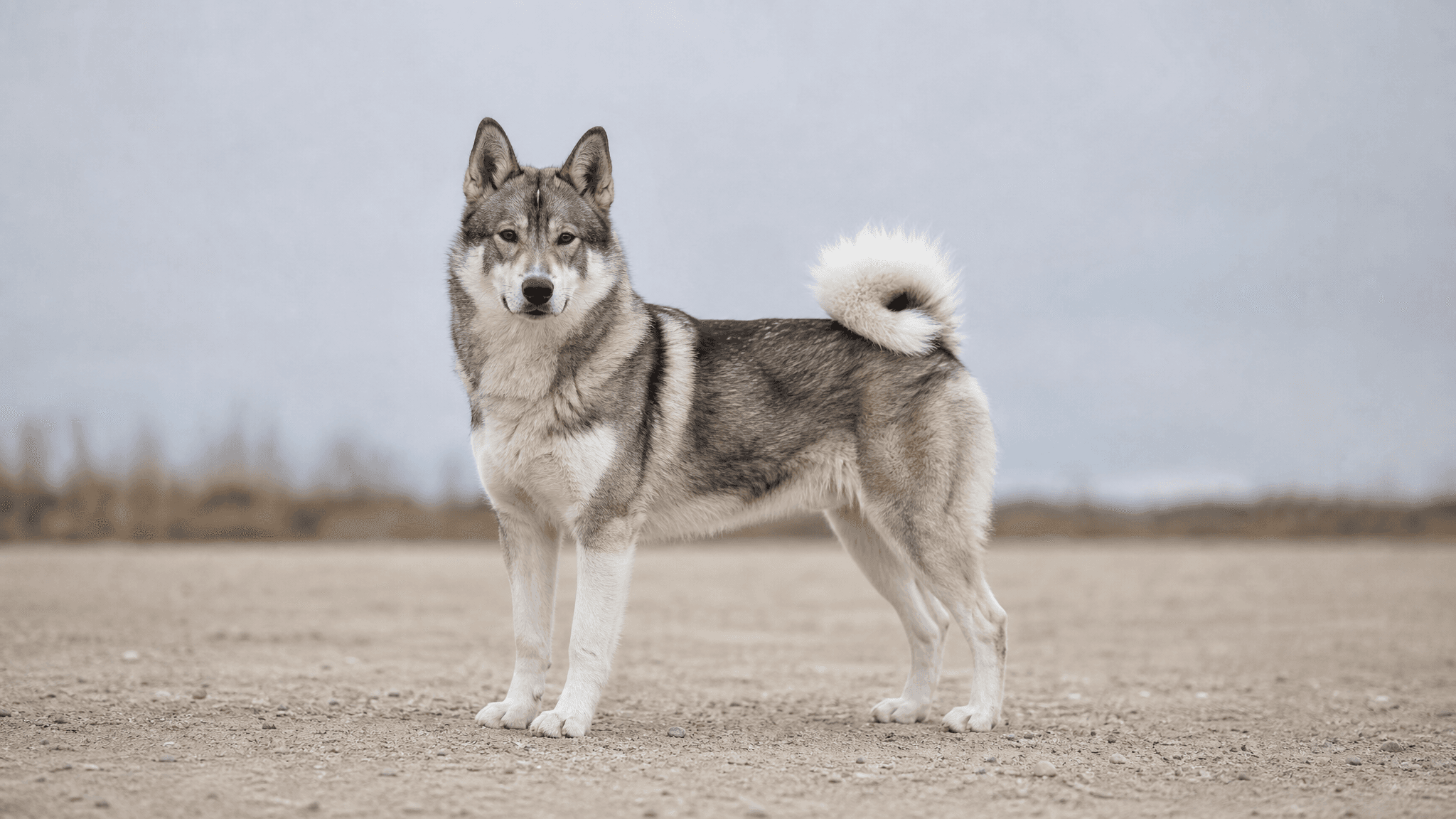
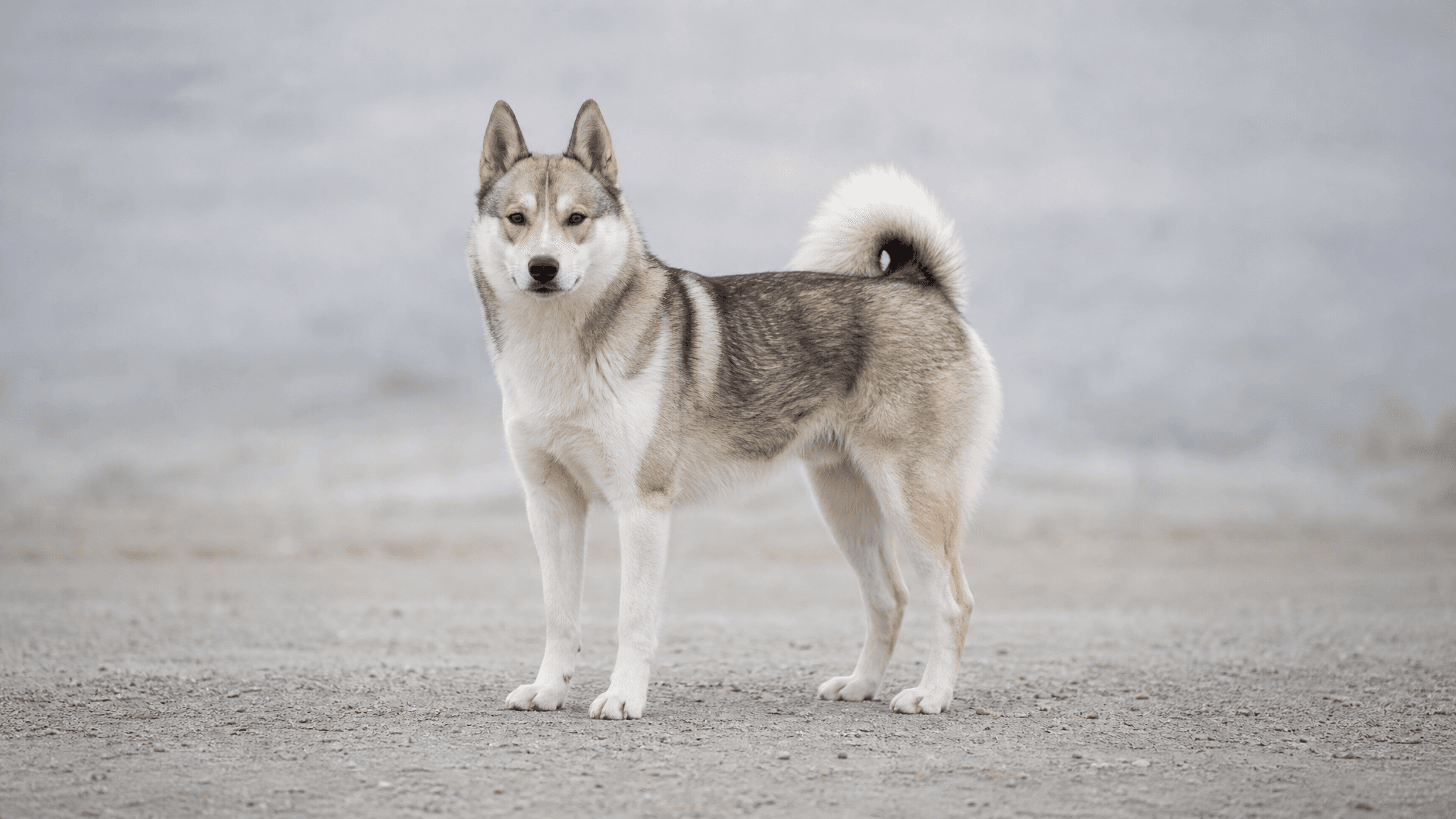
The West Siberian Laika is the most popular and numerous of the three Russian Laikas, widely distributed in the forested zones of Russia. Developed from the Khanty and Mansi hunting dogs of the Urals and Western Siberia, it is considered the most versatile of the Laikas, being used for hunting birds, furs, and large game. It has a slightly lupoid appearance with a long muzzle and triangular head.
Physical Characteristics
- Size
- Medium
- Height (male)
- 55–62 cm
- Height (female)
- 51–58 cm
- Weight (male)
- 18–23 kg
- Weight (female)
- 15–20 kg
- Life Expectancy
- 12–14 years
- Coat
- Double; hard and not overly long outer coat; very dense undercoat
- Common Colors
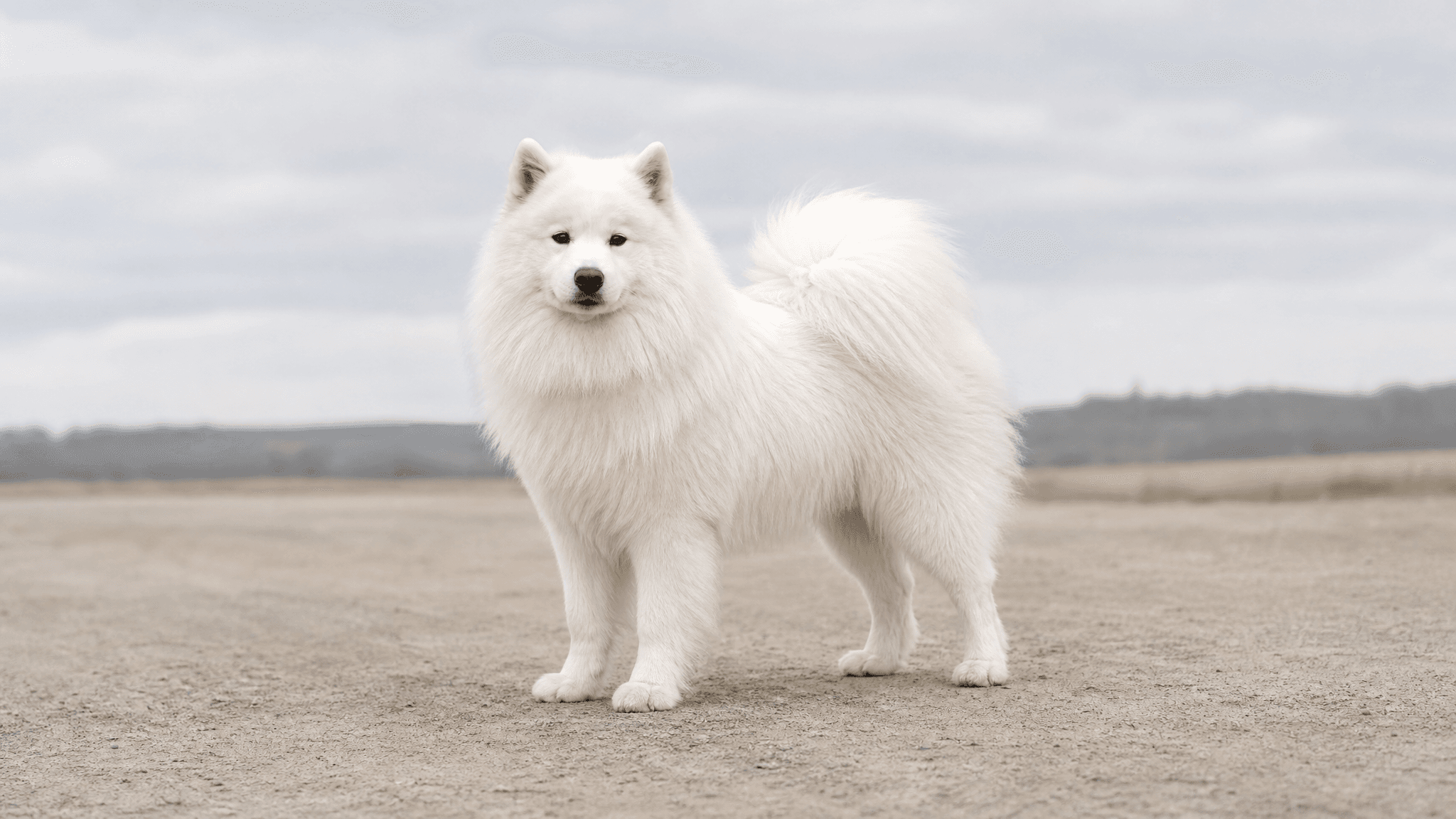
- White, salt and pepper, fawn and reddish-brown in all shades; solid black permitted; particolors
Temperament & Personality
The West Siberian Laika is described as intelligent, predisposed to learning, and easy to train for hunting. It is affectionate and loyal with the family and friendly toward strangers — a characteristic that distinguishes it from other Laikas. Its hunting instinct is very strong and its sense of direction is exceptional.
Activity & Exercise
- Energy Level
- High
- Recommended Daily Exercise
- 90–120 minutes
- Suitable for Apartment
- Not recommended
Grooming & Care
- Grooming Needs
- Moderate
- Shedding
- Moderate
Health
- Common Health Issues
- Generally very healthy breed
- Hip dysplasia
- Recommended Health Tests
- Hip evaluation
Compatibility
- With Children
- Good
- With Other Dogs
- Good
- With Cats
- Can be difficult
- For First-Time Owners
- Not recommended
Is a West Siberian Laika right for you?
A West Siberian Laika may suit you if:
- You can provide 90 to 120 minutes of vigorous daily exercise and engaging mental challenges.
- You enjoy outdoor adventures like hiking, hunting, or dog sports, where their natural instincts can shine.
- You appreciate an intelligent, loyal, and affectionate companion who is also friendly with new people.
- You are prepared to engage in consistent, positive training, leveraging their predisposition to learning.
- You are willing to provide moderate grooming for their dense double coat, especially during shedding seasons.
- You understand and are prepared to manage a strong hunting instinct and exceptional sense of direction.
Think twice if:
- You expect unwavering obedience from a breed known for its independent and primitive hunting nature.
- You cannot provide consistent companionship, as they are not recommended for apartment living and need engagement.
- You have cats, as their strong prey drive means they can be difficult with felines.
- You are not prepared for a high-energy dog requiring significant daily exercise and mental stimulation.
- You live in an apartment or cannot provide a secure, spacious outdoor area for their active lifestyle.
- You are a first-time dog owner, as their intelligence and independence require experienced handling.
This breed offers deep loyalty and an adventurous spirit, but their primitive heritage means they thrive with owners who truly understand and embrace their needs. Living with a West Siberian Laika is a rewarding partnership for those prepared to channel their intelligence and strong instincts into a fulfilling, active life together. It's a commitment to a unique, capable companion.
Training a West Siberian Laika
West Siberian Laikas are intelligent and highly predisposed to learning, especially when the training taps into their natural instincts and curiosity. They thrive on engagement, positive reinforcement, and clear communication. Keep training sessions short, fun, and varied to maintain their interest and prevent boredom. Because of their independent spirit and strong drive, inconsistent training or harsh methods can quickly lead to disengagement, resistance, or a dog that chooses to ignore commands, making it crucial for handlers to be patient, consistent, and always make training a positive experience.
Begin with:
- Attention and response to name around distractions
- Recall on a long line
- Loose-leash walking
- Leave it and drop it
- Calm greetings without jumping
- Settling on a mat or bed
- Cooperative handling for grooming, ears, feet and teeth
- Waiting at doors and gates
Recall and prey drive
The West Siberian Laika possesses an exceptionally strong hunting instinct and sense of direction, which means anything that moves can become an irresistible lure. This natural drive can make recall particularly challenging, as they are bred to pursue game over long distances. To build a reliable recall, start in a secure, low-distraction environment, using high-value treats and enthusiastic praise every single time your Laika comes when called. Gradually introduce distractions as their recall improves.
Always use a long line or a secure, fenced area for practice until their recall is rock-solid, especially given their medium size and speed. Consistency is key, and never punish your Laika for coming back, no matter how long it took. For more in-depth guidance, check out our guide on teaching recall.
Leash pulling
With their high energy level and medium build (males typically 18-23 kg, females 15-20 kg), a West Siberian Laika can exert considerable strength on the leash, making walks less enjoyable if they haven't learned proper leash manners. Begin loose-leash training early, rewarding every moment your Laika walks beside you without tension on the leash. Practice in short, frequent sessions in quiet areas before moving to more stimulating environments.
Using a front-clip harness can be very helpful as it redirects their pulling power, making it harder for them to drag you. Consistency and patience are vital. If your puppy is still learning, our two-week plan to stop puppy pulling can offer great tips.
Boredom and destruction
West Siberian Laikas are not recommended for apartment living due to their high energy and need for activity. They require a significant amount of exercise, typically 90-120 minutes per day, along with mental stimulation. Without adequate physical and mental outlets, a bored Laika can quickly become a destructive one, channeling their energy into chewing, digging, or excessive barking.
Ensure your Laika receives sufficient daily exercise, including varied walks, playtime, and opportunities to explore. Incorporate puzzle toys, scent work, and training games into their routine to keep their intelligent minds engaged. Consider using our training feature to build a consistent routine that caters to their needs and prevents unwanted behaviours before they start.
West Siberian Laika — Frequently Asked Questions
What is the Zapadno-Sibirskaïa Laïka (West Siberian Laika)?
The Zapadno-Sibirskaïa Laïka, often known as the West Siberian Laika, is a captivating medium-sized hunting dog originating from the vast forested regions of Russia, particularly the Urals and Western Siberia. This breed, developed from the ancient Khanty and Mansi hunting dogs, is classified under FCI Group 5, Nordic Hunting Dogs. Recognized for its slightly lupoid appearance, featuring a long muzzle and a distinctive triangular head, it stands out as the most popular and numerous among the Russian Laika breeds, celebrated for its remarkable versatility in various hunting pursuits.
What was the Zapadno-Sibirskaïa Laïka (West Siberian Laika) originally bred for?
The West Siberian Laika was originally bred for a very practical and essential purpose: hunting in the challenging terrains of Russia. Developed from the resilient Khanty and Mansi hunting dogs, this breed is considered the most versatile of the Laikas. They were historically used for hunting a wide array of game, from birds and furs to impressive large game like bear and moose. Their exceptional sense of direction and incredibly strong hunting instinct made them indispensable companions for hunters, showcasing their incredible adaptability and prowess in the wild.
How much exercise does a Zapadno-Sibirskaïa Laïka (West Siberian Laika) need?
As a breed with a high energy level, the West Siberian Laika truly thrives on plenty of activity! To keep your Laika happy and well-behaved, they need a significant amount of daily exercise, ideally between 90 to 120 minutes per day. This isn't just about physical exertion; it's also about mental stimulation. Long walks, vigorous runs, hiking, or engaging in dog sports like agility are wonderful ways to meet their needs. Providing them with ample opportunities to explore and burn off energy will ensure they remain a balanced and joyful companion.
Is the Zapadno-Sibirskaïa Laïka (West Siberian Laika) a good family dog?
Yes, the West Siberian Laika can be a wonderful addition to the right family! They are known for being affectionate and incredibly loyal to their family members, often forming strong bonds. Interestingly, they are also friendly toward strangers, which sets them apart from some other Laika breeds. However, it's important to remember their strong hunting instinct. While generally good with children, always supervise interactions. With other pets, especially smaller ones, careful introductions and early socialization are crucial due to their natural prey drive. With proper guidance, they can be a loving family companion.
Is the Zapadno-Sibirskaïa Laïka (West Siberian Laika) easy to train?
You'll be delighted to know that the West Siberian Laika is an intelligent breed, predisposed to learning and generally considered easy to train, especially for tasks related to hunting! Their sharp minds mean they pick up commands quickly. They respond wonderfully to positive reinforcement methods, making training sessions enjoyable for both of you. Consistency and patience are key, as their intelligence can sometimes lead to an independent streak. Early socialization and consistent training will help harness their natural abilities and ensure they grow into well-behaved, responsive companions.
What health issues are common in the Zapadno-Sibirskaïa Laïka (West Siberian Laika)?
The West Siberian Laika is generally considered a very healthy and robust breed, which is wonderful news for prospective owners! They are known for their hardiness, a testament to their natural origins. However, like many active breeds, they can occasionally be prone to certain health concerns. The primary documented health issue to be aware of in this breed is hip dysplasia. Responsible breeders will screen their dogs for this condition. Regular veterinary check-ups, a balanced diet, and appropriate exercise are always the best ways to help ensure your Laika lives a long, healthy life.
What is the Zapadno-Sibirskaïa Laïka (West Siberian Laika)'s coat like and how much grooming does it need?
The West Siberian Laika boasts a magnificent double coat, perfectly designed to protect them from the harsh climates of their native Siberia. This dense, protective coat features a coarse, straight outer layer and a soft, thick undercoat, providing excellent insulation. While beautiful, this coat does require regular attention to keep it healthy and free of mats. Brushing several times a week is generally recommended, with daily brushing becoming essential during their seasonal shedding periods. This helps manage loose fur and maintains the coat's pristine condition, keeping your Laika looking their best.
What is the typical lifespan of a Zapadno-Sibirskaïa Laïka (West Siberian Laika)?
You'll be happy to know that the West Siberian Laika typically enjoys a long and healthy life! The average lifespan for this wonderful breed is generally between 12 to 14 years. With proper care, a nutritious diet, plenty of exercise, and regular veterinary check-ups, your Laika has an excellent chance of reaching the higher end of this range, or even surpassing it. Providing them with a loving home and attending to their needs will ensure you have many joyful years together with your loyal companion.
Community
Talk to real West Siberian Laika owners
This guide covers the breed on paper. In the app, the West Siberian Laika community covers it in real life: photos from other owners, questions answered by people who live with the breed, and a directory of dogs you can browse.
- Photos & pollsSee what West Siberian Laika owners are sharing today.
- Questions & answersAsk anything and hear from people who own one.
- Dog directoryBrowse West Siberian Laikas from around the world.
You join automatically when you add a West Siberian Laika to your profile.