Westphalian Dachsbracke
Summary
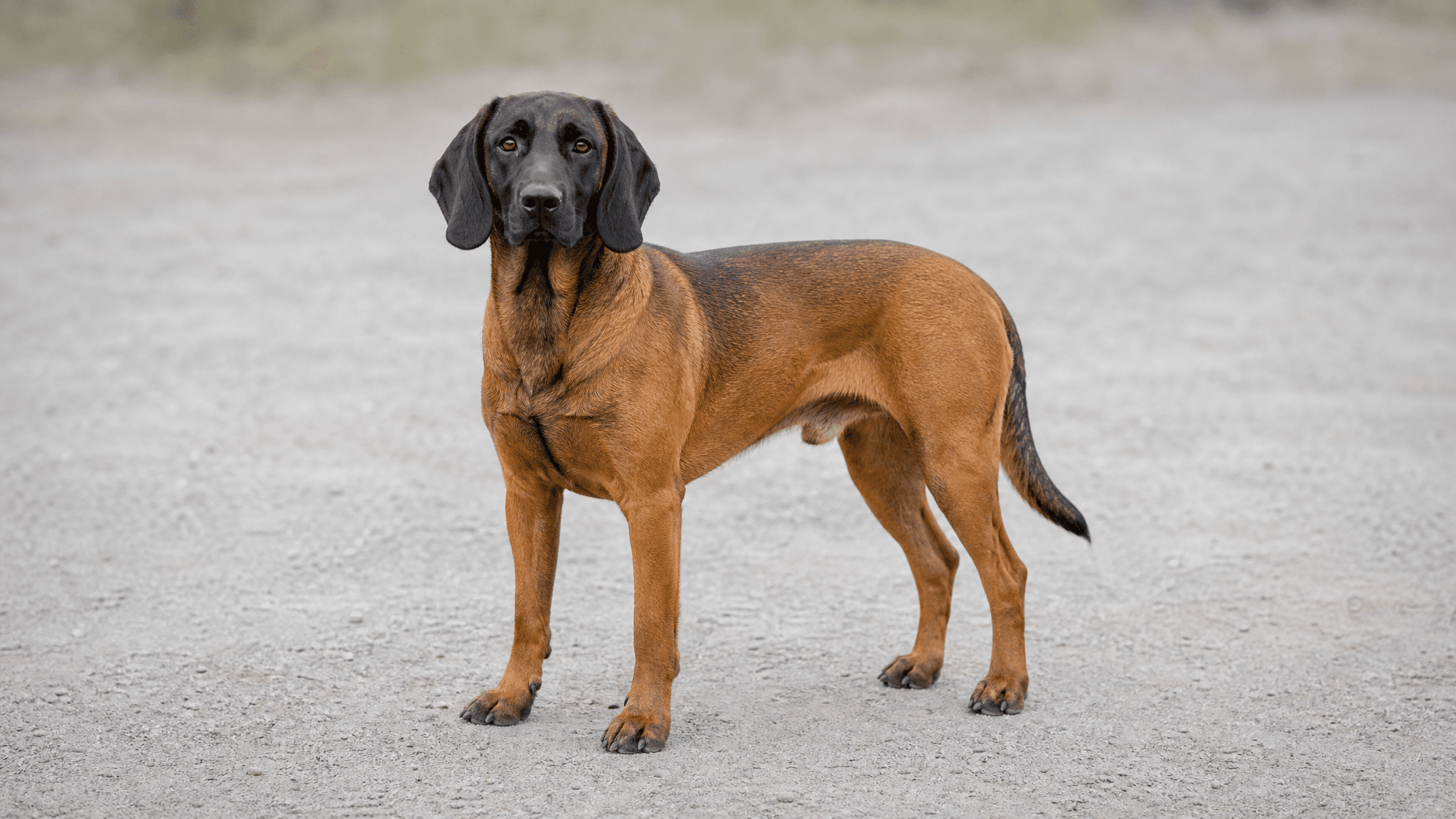
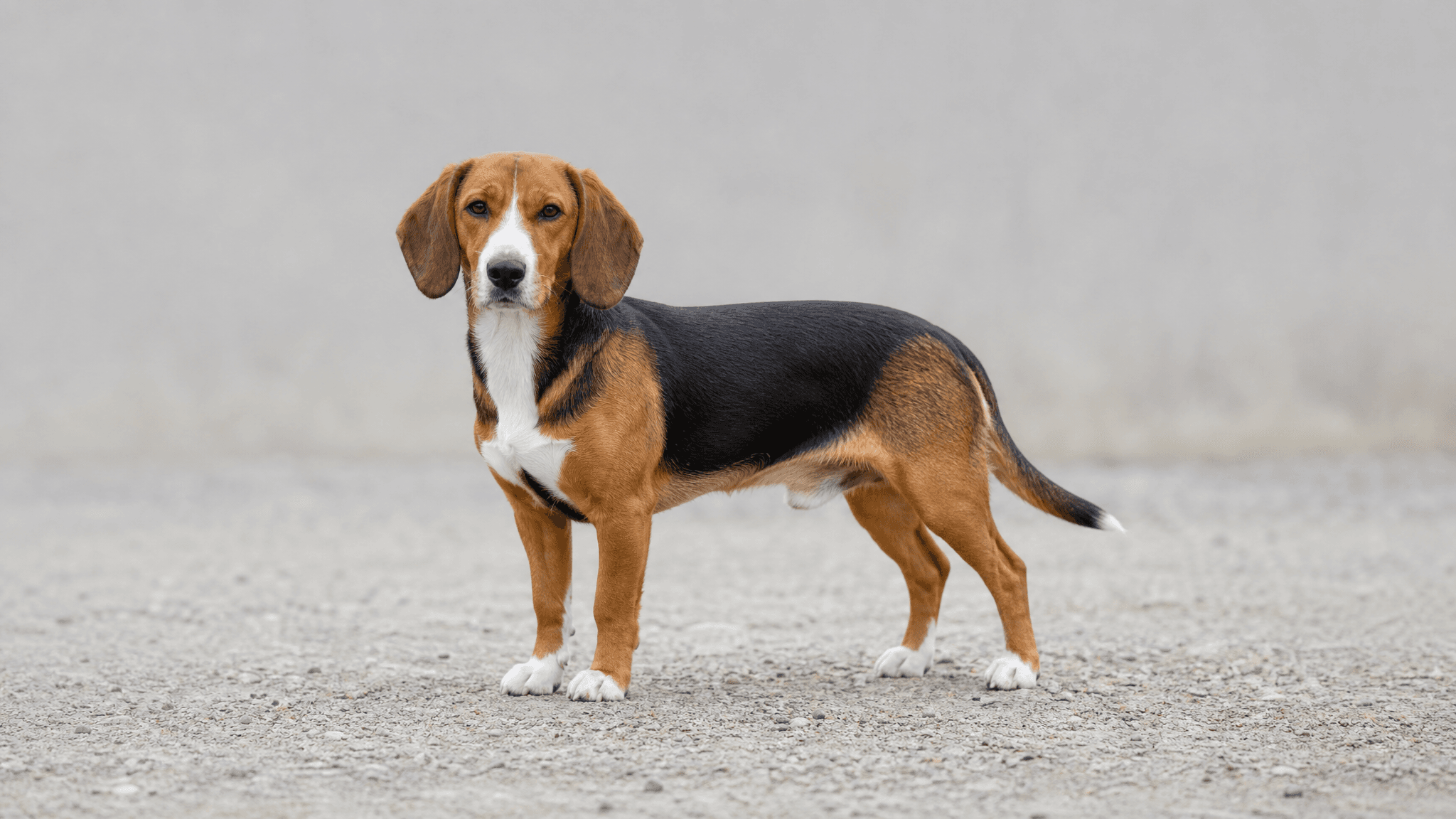
The Westphalian Dachsbracke is a German short-legged scent hound originating from Westphalia, Germany. It is the direct ancestor of the Swedish Drever. It was developed for working in difficult and dense terrain, where the short legs allow greater ease of penetration through scrubland. It is a rustic working breed, used almost exclusively for hunting.
Physical Characteristics
- Size
- Small
- Height (male)
- 30–38 cm
- Height (female)
- 28–36 cm
- Weight (male)
- 13–18 kg
- Weight (female)
- 11–16 kg
- Life Expectancy
- 12–15 years
- Coat
- Dense, harsh, and close-fitting
- Common Colors
- Tricolor — reddish fawn with black mantle or saddle, and white markings
Temperament & Personality
The Westphalian Dachsbracke is persistent, courageous, and very dedicated to work. It is a hunting animal par excellence, with an excellent nose and melodious bark. Outside the field, it can be affectionate and loyal.
Activity & Exercise
- Energy Level
- High
- Recommended Daily Exercise
- 60 minutes
- Suitable for Apartment
- Not recommended
Grooming & Care
- Grooming Needs
- Low
- Shedding
- Moderate
- Bathing Frequency
- Every 4 weeks
Health
- Common Health Issues
- Hip dysplasia
- Otitis
- Spinal problems
- Recommended Health Tests
- Orthopedic evaluation
Compatibility
- With Children
- Good
- With Other Dogs
- Excellent
- With Cats
- Moderate
- For First-Time Owners
- Not recommended
Is a Westphalian Dachsbracke right for you?
A Westphalian Dachsbracke may suit you if:
- You can provide at least 60 minutes of vigorous daily exercise and engaging scent work to satisfy their high energy.
- You enjoy outdoor adventures like hiking or tracking, where their natural hunting instincts and excellent nose can shine.
- You appreciate a persistent, courageous companion with a loyal heart, who thrives on having a purpose.
- You are prepared to commit to consistent, positive reinforcement training to channel their intelligent and driven nature.
- You are comfortable with moderate shedding and minimal grooming, requiring only occasional brushing of their dense, harsh coat.
- You are willing to manage their strong prey drive and appreciate their characteristic melodious bark as part of their charm.
Think twice if:
- You expect instant obedience from a dog, as their independent, persistent nature requires patience and understanding.
- You have a busy schedule that would leave a dog alone for long periods, as they thrive on companionship and activity.
- You have small, non-canine pets that might not appreciate a dog with a strong, inherent prey drive.
- You are unable to provide consistent, vigorous daily exercise, as their high energy needs must be met to prevent boredom.
- You live in an apartment or lack a securely fenced yard, as their adventurous spirit needs space and containment.
- You are not prepared for the consistent guidance and firm, yet gentle, handling needed during their spirited adolescence.
The Westphalian Dachsbracke is a truly special breed, offering immense loyalty and affection to the right family. While their dedication to work and high energy demand a committed, active lifestyle, they reward owners with an intelligent, courageous, and devoted companion. Understanding their hunting heritage is key to embracing their unique charm and ensuring a fulfilling life together.
Training a Westphalian Dachsbracke
Westphalian Dachsbrackes are highly intelligent scent hounds, driven by their incredible noses and a deep desire to work. Training sessions should be short, fun, and frequent, utilizing positive reinforcement with high-value treats or scent games to keep them engaged. Their persistent nature means they thrive on consistency; if a handler is inconsistent or relies on harsh methods, this courageous breed can become frustrated, leading to a breakdown in trust and a reluctance to cooperate. Patience and clear communication are key to unlocking their loyal and affectionate side.
Begin with:
- Attention and response to name around distractions
- Recall on a long line
- Loose-leash walking
- Leave it and drop it
- Calm greetings without jumping
- Settling on a mat or bed
- Cooperative handling for grooming, ears, feet and teeth
- Waiting at doors and gates
Prey Drive and Recall
The Westphalian Dachsbracke's exceptional nose and strong prey drive mean that once a scent is caught, their dedication to work takes over. This can make recall incredibly challenging. Start recall training in a low-distraction environment, gradually increasing difficulty. Always use a long line in unfenced areas until their recall is rock-solid. Make coming back to you the most rewarding thing ever, with exciting treats and praise. Consistency is vital to override their natural hunting instincts. For a comprehensive guide, check out our tips on teaching a dog to come when called.
Leash Pulling
Despite their small size (typically 11-18 kg), Westphalian Dachsbrackes are strong and persistent. Bred for navigating dense terrain, they will pull relentlessly on the leash if not taught otherwise, especially when a captivating scent is present. Practice loose-leash walking in short, positive bursts, rewarding them frequently for walking nicely by your side. Avoid letting them pull, as this only reinforces the behavior. Consider a front-clip harness for better control during training.
Destructive Behavior
With a high energy level and a requirement for 60 minutes of daily exercise, an under-stimulated Westphalian Dachsbracke can become bored and destructive. They are not recommended for apartments precisely because they need space and activity. Ensure they receive ample physical exercise and mental stimulation through scent games, puzzle toys, and training. A bored Dachsbracke might chew inappropriate items, dig, or bark excessively, reflecting their unused energy and intelligence.
Westphalian Dachsbracke — Frequently Asked Questions
What is the Westfälische Dachsbracke (Westphalian Dachsbracke)?
The Westfälische Dachsbracke, or Westphalian Dachsbracke, is a charming small-sized scent hound hailing from Westphalia, Germany. Classified under FCI Group 6 (Small-sized Hounds), these courageous dogs are renowned for their persistence and dedication to work, making them exceptional hunting companions. Their defining characteristics include a compact, short-legged build perfect for navigating dense terrain, an excellent nose, and a melodious bark. They are truly rustic working breeds, embodying the spirit of a dedicated hunter and are even the direct ancestor of the Swedish Drever.
What was the Westfälische Dachsbracke (Westphalian Dachsbracke) originally bred for?
The Westfälische Dachsbracke was originally bred with a very specific purpose in mind: to be an unparalleled hunting animal. Originating in Westphalia, Germany, this breed was meticulously developed to excel in difficult and dense terrain. Their distinctive short legs were a crucial adaptation, allowing them greater ease of penetration through thick scrubland and undergrowth where taller dogs might struggle. With an excellent nose and a melodious bark to signal their finds, they are used almost exclusively for hunting, showcasing their persistent and courageous nature in the field.
How much exercise does a Westfälische Dachsbracke (Westphalian Dachsbracke) need?
As a high-energy working breed, the Westfälische Dachsbracke has significant exercise needs to keep them happy and healthy. We recommend at least 60 minutes of vigorous activity every single day. This isn't just a casual stroll; they thrive on opportunities to run, explore, and engage their keen senses. Think long walks, hikes, or even scent-work games in a secure area. Providing ample physical and mental stimulation is key to managing their energy and ensuring they remain a well-behaved and contented member of your family.
Is the Westfälische Dachsbracke (Westphalian Dachsbracke) a good family dog?
While primarily a dedicated working breed, the Westfälische Dachsbracke can indeed be a loyal and affectionate companion outside of its hunting duties. They thrive in active homes that understand their need for mental and physical stimulation. With proper socialization from a young age, they can get along well with children, often showing a gentle side. However, due to their strong prey drive, careful introductions and supervision are essential if you have other small pets in the household. They truly blossom when they feel like a valued part of the family's adventures.
Is the Westfälische Dachsbracke (Westphalian Dachsbracke) easy to train?
The Westfälische Dachsbracke is a highly intelligent and dedicated breed, especially when it comes to tasks related to their hunting instincts. Their persistent and courageous temperament means they are very focused on work, which can be a double-edged sword in training. While they are eager to please and learn when engaged, their independent hound nature and excellent nose can sometimes lead them to follow a scent rather than a command. Consistent, positive reinforcement training, starting early, is crucial to harness their intelligence and channel their dedication effectively.
What health issues are common in the Westfälische Dachsbracke (Westphalian Dachsbracke)?
Like all breeds, the Westfälische Dachsbracke can be prone to certain health conditions, and being aware of these can help you provide the best care for your furry friend. Documented health concerns for this robust breed include hip dysplasia, which affects the hip joints, and otitis, which refers to inflammation or infection of the ear. Additionally, spinal problems can sometimes occur. Regular veterinary check-ups, a balanced diet, and appropriate exercise are vital steps in helping to mitigate risks and keep your Westfälische Dachsbracke healthy and happy throughout their life.
What is the Westfälische Dachsbracke (Westphalian Dachsbracke)'s coat like and how much grooming does it need?
The Westfälische Dachsbracke typically sports a short, dense, and weather-resistant coat, perfectly suited for its rugged outdoor work. This practical coat is relatively low-maintenance, which is great news for busy owners! Regular brushing, perhaps once or twice a week, is usually sufficient to keep their coat healthy, remove loose hairs, and minimize shedding. Occasional baths when they've gotten particularly muddy on an adventure will keep them looking and feeling fresh. It's a coat designed for function and ease, reflecting their hardworking nature and requiring minimal fuss.
What is the typical lifespan of a Westfälische Dachsbracke (Westphalian Dachsbracke)?
You'll be delighted to know that the Westfälische Dachsbracke is generally a healthy and long-lived breed! With proper care, a nutritious diet, and plenty of exercise, these wonderful hounds typically enjoy a lifespan of 12 to 15 years. Providing them with regular veterinary check-ups, a loving home environment, and opportunities to engage their active minds and bodies will contribute significantly to their longevity and overall well-being, allowing you many cherished years with your dedicated companion.
Community
Talk to real Westphalian Dachsbracke owners
This guide covers the breed on paper. In the app, the Westphalian Dachsbracke community covers it in real life: photos from other owners, questions answered by people who live with the breed, and a directory of dogs you can browse.
- Photos & pollsSee what Westphalian Dachsbracke owners are sharing today.
- Questions & answersAsk anything and hear from people who own one.
- Dog directoryBrowse Westphalian Dachsbrackes from around the world.
You join automatically when you add a Westphalian Dachsbracke to your profile.