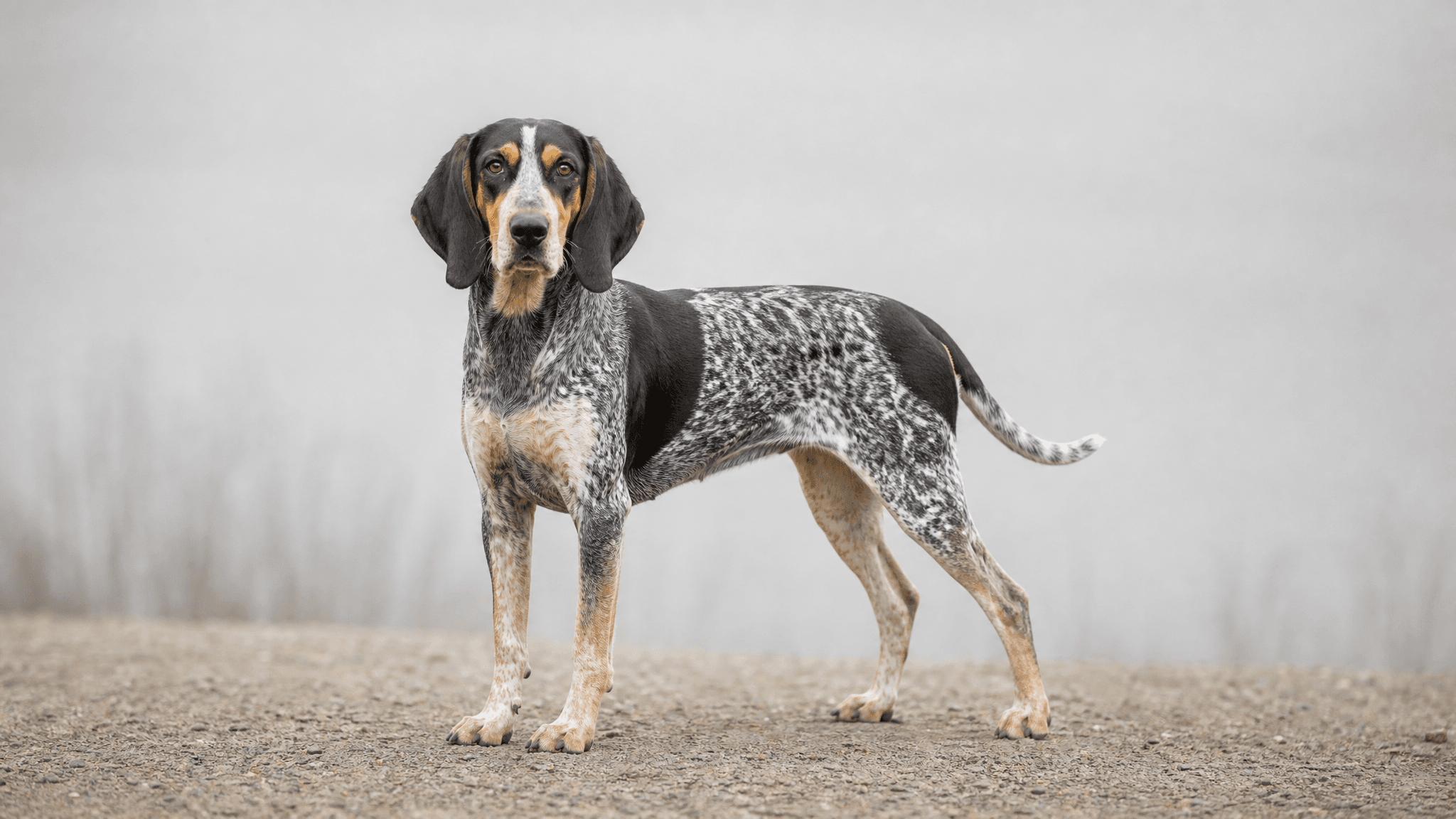
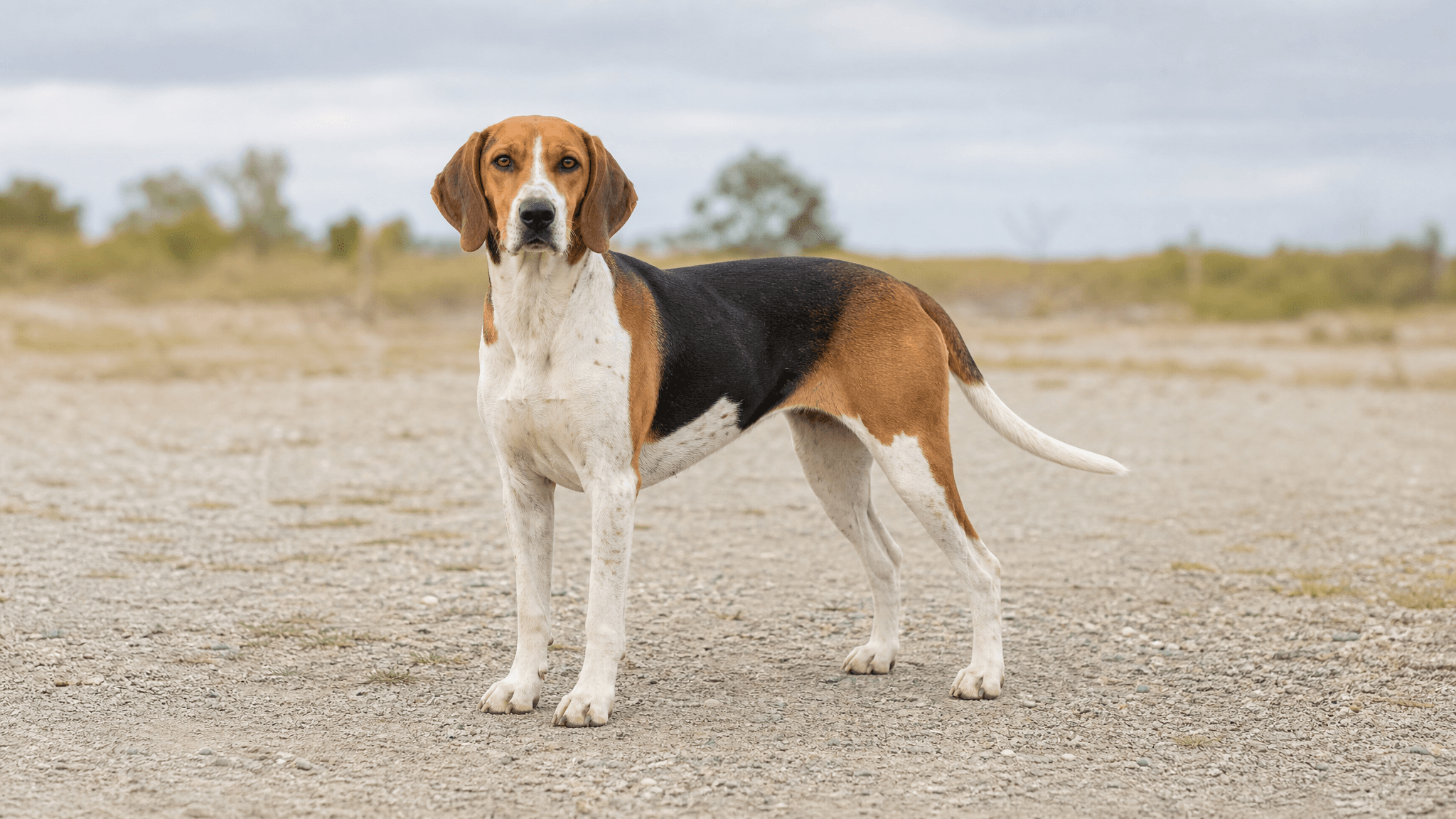
Treeing Walker Coonhound
Summary
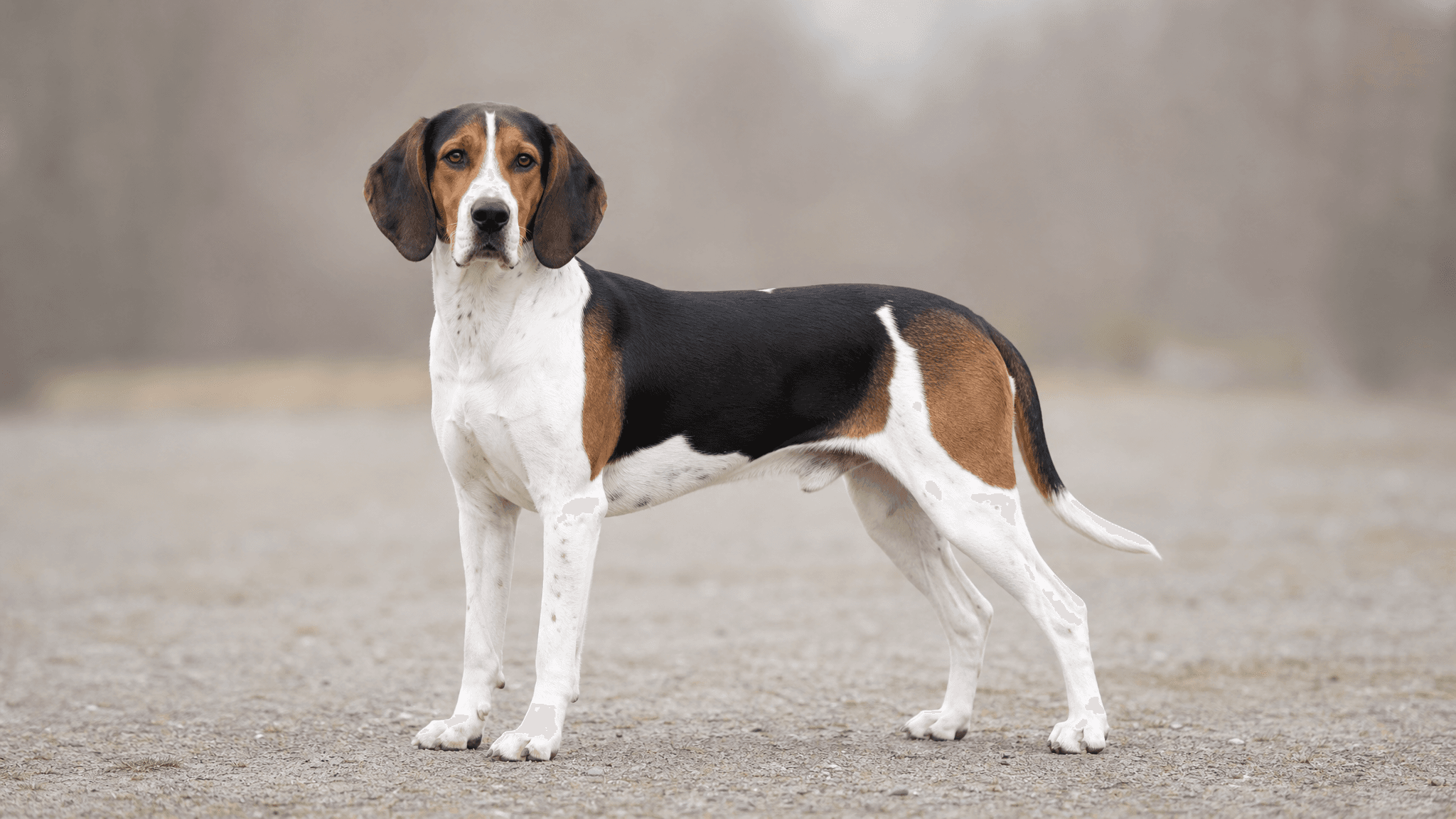
The Treeing Walker Coonhound is an American coonhound bred for speed, endurance, and treeing raccoons. It is nicknamed the people's choice among coonhounds.
Physical Characteristics
- Size
- Large
- Height (male)
- 56–68.5 cm
- Height (female)
- 51–63.5 cm
- Weight (male)
- 23–32 kg
- Weight (female)
- 23–32 kg
- Life Expectancy
- 12–13 years
- Coat
- Short, smooth, glossy coat
- Common Colors
- Tricolor white, black, and tan
Temperament & Personality
The Treeing Walker Coonhound is smart, brave, sensible, energetic, and sociable. It needs room to run, scent work, or structured exercise to stay settled.
Activity & Exercise
- Energy Level
- High
- Recommended Daily Exercise
- 60–120 minutes
- Suitable for Apartment
- Not recommended
Grooming & Care
- Grooming Needs
- Low
- Shedding
- Moderate
- Bathing Frequency
- Every 6–8 weeks
Health
- Common Health Issues
- Bloat
- Ear infections
- Hip dysplasia
- Recommended Health Tests
- Cardiac examination
- Ear examination
- Hip evaluation
Compatibility
- With Children
- Good
- With Other Dogs
- Good
- With Cats
- Can be difficult
- For First-Time Owners
- Acceptable
Is a Treeing Walker Coonhound right for you?
A Treeing Walker Coonhound may suit you if:
- You can commit to providing 60 to 120 minutes of vigorous daily exercise and engaging scent work.
- You enjoy outdoor adventures like hiking, running, or participating in dog sports that utilize their keen nose.
- You appreciate a smart, brave, and energetic companion who loves to be part of family activities.
- You are prepared to invest in consistent, positive training to channel their intelligence and energy.
- You are comfortable with moderate shedding and minimal grooming, requiring only occasional bathing.
- You are willing to manage their strong prey drive and vocal nature, understanding their hound instincts.
Think twice if:
- You expect unwavering off-leash obedience in all environments, as their scent drive can be powerful.
- You plan for your dog to spend long hours alone, as they thrive on companionship and activity.
- You have cats in your home and are not prepared for the challenges of integrating a breed with a strong prey drive.
- You are unwilling to provide a minimum of one to two hours of active exercise every single day.
- You live in a small apartment without easy access to a secure, spacious outdoor area for them to explore.
- You are not prepared to manage a strong, energetic large dog during their boisterous adolescent phase.
A Treeing Walker Coonhound offers a lively, loyal companion for the right family. While their intelligence and sociable nature make them wonderful, their deep-seated hound instincts and high energy demand a committed owner who understands their need for consistent activity and mental engagement. Embrace their unique spirit, and you'll find a devoted friend.
Training a Treeing Walker Coonhound
Training a Treeing Walker Coonhound is a rewarding journey with a smart, sensible, and energetic companion. These hounds thrive on positive reinforcement, especially when it involves their keen sense of smell or a chance to move. Keep training sessions short, fun, and highly engaging, always ending on a high note. Consistency is key; without clear guidance and motivation, their independent nature and powerful nose can easily lead them astray, making them less responsive to commands. Patience and understanding of their instincts will build a strong, cooperative bond.
Begin with:
- Attention and response to name around distractions
- Recall on a long line
- Loose-leash walking
- Leave it and drop it
- Calm greetings without jumping
- Settling on a mat or bed
- Cooperative handling for grooming, ears, feet and teeth
- Waiting at doors and gates
Recall and Prey Drive
The Treeing Walker Coonhound's incredible scent drive is a defining trait, making them phenomenal hunters but a challenge for off-leash recall. Once they catch a compelling scent, their focus can become singular, and your voice might fade into the background. It's crucial to begin recall training in a secure, low-distraction environment, making yourself the most exciting thing in their world. Always use high-value treats and enthusiastic praise when they return.
Practice with a long line in varied settings, gradually increasing distractions. Remember, their instinct to follow a trail is powerful, so never expect perfect recall in an open, unsecured area. For comprehensive guidance, explore our guide on teaching recall.
Leash Pulling
With their large size and high energy, a Treeing Walker Coonhound can be a powerful puller, especially when a captivating scent crosses their path. Start loose-leash training early and be consistent. Reward every step taken with a slack leash, making walking politely far more rewarding than dragging you along. A front-clip harness can be a helpful tool for managing their strength without causing discomfort.
Ensure your hound gets their recommended 60-120 minutes of daily exercise before walks, as a tired dog is often a better walking companion. For detailed strategies, check out our plan to stop leash pulling.
Boredom Behaviors
A Treeing Walker Coonhound is an energetic and intelligent breed that requires significant physical and mental stimulation. If under-exercised or left alone for extended periods without engagement, they can develop undesirable behaviors such as excessive barking, destructive chewing, or restlessness. They thrive on having a job to do, whether it's structured exercise, scent work, or interactive play.
To keep your hound happy and settled, ensure they receive their daily 60-120 minutes of exercise, ideally with opportunities to run and explore. Incorporate puzzle toys, training sessions, and scent games into their routine to engage their smart minds. If you notice signs of stress when left alone, our Behaviour AI feature can help you understand and address these issues.
Treeing Walker Coonhound — Frequently Asked Questions
What is the Treeing Walker Coonhound?
The Treeing Walker Coonhound is an American scent hound descended from English Foxhounds, developed in the American South specifically for 'treeing' — the hunting technique of tracking game until it escapes up a tree and then baying loudly to alert the hunter of the quarry's location. Named after Thomas Walker, a Virginia hunter who played a key role in developing the breed in the early 19th century, the Treeing Walker is faster and more agile than many coonhound breeds and is highly regarded for its brilliant cold nose, clear bugling voice, and tireless endurance. It was recognised by the AKC in 2012.
How much exercise does a Treeing Walker Coonhound need?
The Treeing Walker Coonhound is one of the most athletic and energetic of all coonhound breeds, needing a minimum of 1.5–2 hours of vigorous exercise per day. It has exceptional speed and stamina — bred to run long distances at pace through varied terrain. Long runs, hiking, swimming, and safe free-running in securely fenced enclosures are the best outlets. Without sufficient exercise, Treeing Walkers become restless, destructive, and extremely vocal. They need a large outdoor space and an active owner who can genuinely commit to daily vigorous exercise. They are not suitable for sedentary lifestyles or confined urban settings.
Is the Treeing Walker Coonhound a good family dog?
The Treeing Walker Coonhound is an affectionate, people-loving dog that can make an excellent family companion for the right active household. It is loyal and warm with its family, typically good with children who enjoy energetic outdoor play, and extremely sociable with other dogs. Its strong hunting instinct means cats and small animals are not safe unless raised together from puppyhood. Its loud, carrying voice can be challenging in residential areas. It requires a large, securely fenced property and daily vigorous exercise. For truly active, outdoor families with appropriate space, the Treeing Walker can be a joyful, devoted companion.
Is the Treeing Walker Coonhound easy to train?
The Treeing Walker Coonhound is intelligent and can be trained, but its strong independence and scenting instinct make it a challenge for novice owners. It thinks for itself and is easily drawn away from training sessions by interesting smells. Positive reinforcement works best — it is sensitive and resents harsh handling. Recall training is the most critical and challenging skill to establish, as a Treeing Walker on a scent will ignore all commands. The breed is very competitive in coonhound hunting events and trials, where its natural talents shine. With patient, consistent training from an experienced owner, it can learn impressive obedience and is very rewarding to work with.
What makes the Treeing Walker Coonhound unique among coonhounds?
Among the six AKC-recognised coonhound breeds, the Treeing Walker stands out for its exceptional speed and athleticism — it is faster and more agile than other coonhound breeds and can cover ground rapidly during a hunt. Its voice is clear, bugling, and distinctive — different from the deeper baying of many other coonhounds. It is also particularly renowned for its 'cold nose' ability — the capacity to work very faint, aged scent trails that other dogs would lose. In competitive coonhound hunting events, the Treeing Walker consistently performs at the highest levels, which is why it is the most popular coonhound in America today.
What health issues are common in the Treeing Walker Coonhound?
The Treeing Walker Coonhound is generally a healthy breed with good genetic diversity from its working history. Hip dysplasia can occur at moderate rates in larger working breeds. Ear infections are a recurring risk due to their long, droopy ears — regular weekly ear inspections and cleaning after outdoor activities are essential preventive care. Bloat (gastric dilatation-volvulus) is a risk for deep-chested breeds; feeding multiple smaller meals and restricting exercise around mealtimes reduces this risk. Eye conditions including cataracts and progressive retinal atrophy have been observed. Regular veterinary check-ups and attentive daily care maintain overall health.
Does the Treeing Walker Coonhound get along with other dogs?
The Treeing Walker Coonhound is exceptionally dog-friendly — it was developed to hunt in large packs and has deeply ingrained cooperative instincts toward other dogs. It typically gets along very well with dogs of all sizes, is rarely aggressive, and genuinely enjoys canine companionship. Multi-dog households suit it well, and having a dog companion can significantly improve its wellbeing when owners are away. With cats and small animals, the story is different: its strong prey drive and instinct to chase and bay makes it unreliable around smaller pets, and coexistence should be carefully managed or avoided.
What is the typical lifespan of a Treeing Walker Coonhound?
The Treeing Walker Coonhound typically lives between 12 and 13 years, a standard lifespan for a large working hound. Their active working heritage and good genetic diversity contribute to a robust baseline constitution. The main factors for longevity are maintaining a lean, healthy body weight, providing vigorous daily exercise to keep the cardiovascular system and musculature in condition, proactive ear care, appropriate bloat prevention (two smaller meals, restricted post-meal exercise), and regular veterinary check-ups. Dogs in working hunting environments that receive attentive care and daily purposeful exercise often age well and maintain vigour throughout their senior years.
Community
Talk to real Treeing Walker Coonhound owners
This guide covers the breed on paper. In the app, the Treeing Walker Coonhound community covers it in real life: photos from other owners, questions answered by people who live with the breed, and a directory of dogs you can browse.
- Photos & pollsSee what Treeing Walker Coonhound owners are sharing today.
- Questions & answersAsk anything and hear from people who own one.
- Dog directoryBrowse Treeing Walker Coonhounds from around the world.
You join automatically when you add a Treeing Walker Coonhound to your profile.