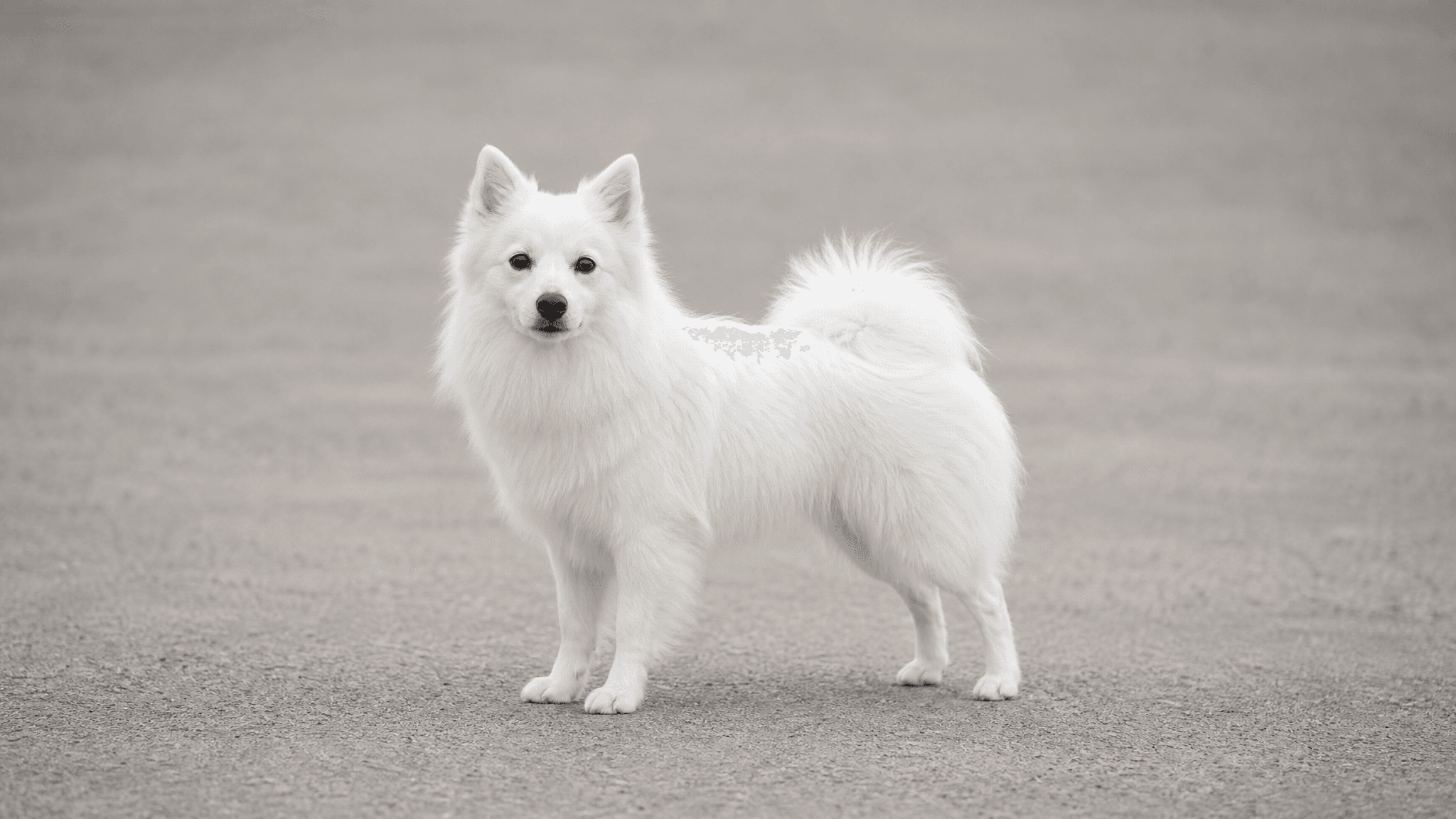
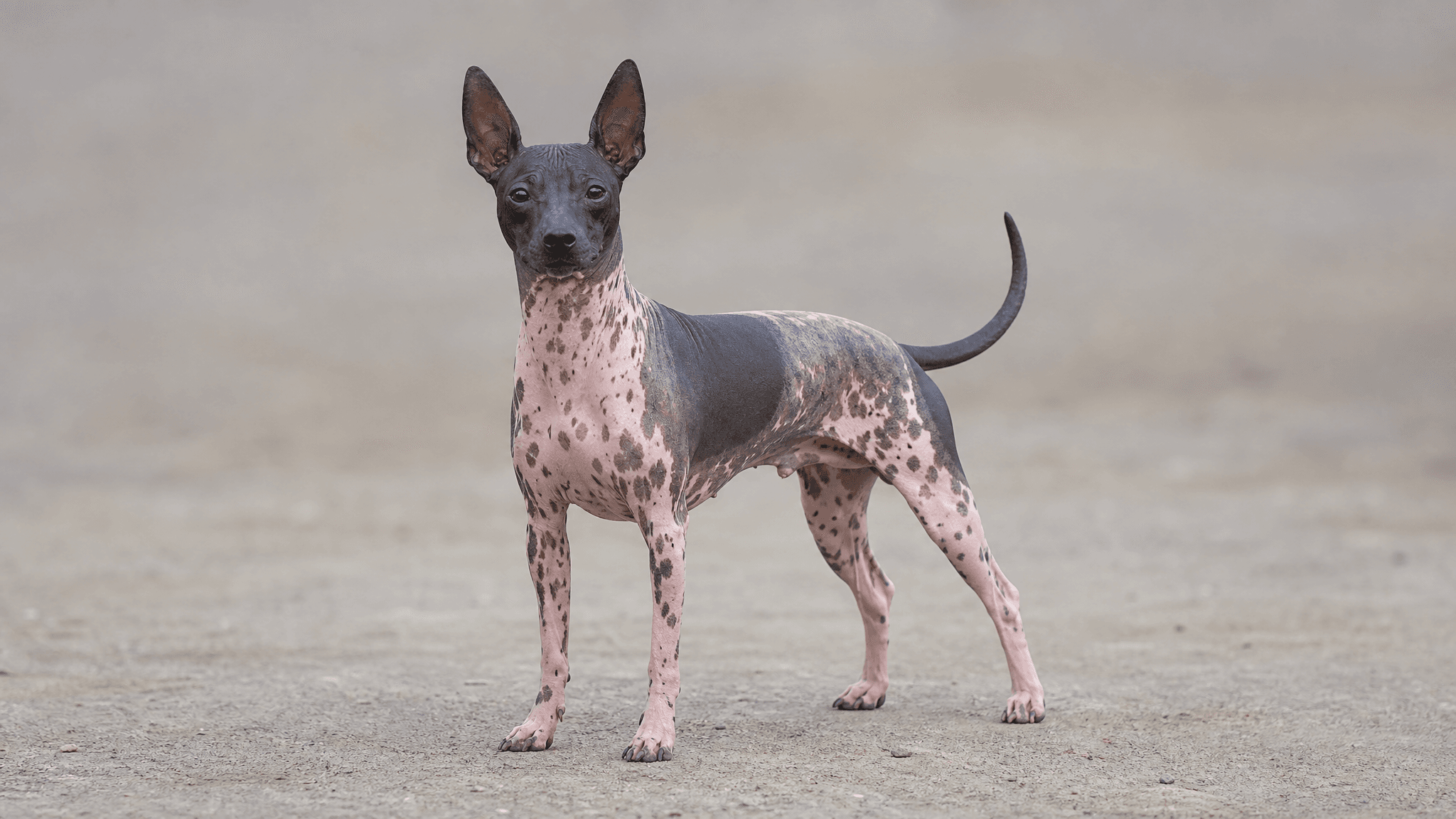
Toy Fox Terrier

Summary
The Toy Fox Terrier is an American toy terrier developed from small Smooth Fox Terriers crossed with toy breeds. It combines terrier alertness and prey drive with a compact companion-dog size.
Physical Characteristics
- Size
- Toy
- Height (male)
- 21.5–29 cm
- Height (female)
- 21.5–29 cm
- Weight (male)
- 2–4 kg
- Weight (female)
- 2–4 kg
- Life Expectancy
- 13–15 years
- Coat
- Short, smooth, fine, and glossy
- Common Colors
- Predominantly white with black, tan, chocolate, or tricolor markings
Temperament & Personality
The Toy Fox Terrier is intelligent, playful, alert, loyal, and spirited. It is highly trainable and affectionate but still has a terrier's confidence and interest in small moving animals.
Activity & Exercise
- Energy Level
- Moderate to high
- Recommended Daily Exercise
- 30–60 minutes
- Suitable for Apartment
- Yes with exercise
Grooming & Care
- Grooming Needs
- Low
- Shedding
- Low to moderate
- Bathing Frequency
- Every 6–8 weeks
Health
- Common Health Issues
- Hypothyroidism
- Legg-Calve-Perthes disease
- Patellar luxation
- Primary lens luxation
- Recommended Health Tests
- Eye examination
- Hip evaluation
- Patella evaluation
- Thyroid evaluation
Compatibility
- With Children
- Good
- With Other Dogs
- Good
- With Cats
- Moderate
- For First-Time Owners
- Recommended
Is a Toy Fox Terrier right for you?
A Toy Fox Terrier may suit you if:
- You are prepared to provide 30-60 minutes of daily activity to satisfy their moderate to high energy.
- You enjoy engaging in playful activities and mental challenges with an intelligent companion.
- You appreciate a loyal, spirited, and affectionate dog with a confident terrier personality.
- You are committed to consistent positive reinforcement training, as they are highly trainable.
- You are comfortable with low grooming needs, requiring only occasional brushing and baths every 6-8 weeks.
- You are willing to manage their natural terrier instinct and interest in chasing small moving animals.
Think twice if:
- You expect unwavering obedience from a dog, as their terrier confidence can lead to independent thinking.
- You often leave your pet alone for long periods, as these social dogs thrive on companionship.
- You are unwilling to supervise interactions with smaller household pets, given their prey drive.
- You are not prepared to consistently provide 30-60 minutes of daily exercise and mental stimulation.
- You do not have a securely fenced yard or plan for safe outdoor containment for a curious terrier.
- You are unprepared for the spirited nature and quick movements of a small, energetic toy breed.
The Toy Fox Terrier brings a delightful blend of devoted companionship and lively terrier spirit. While they are highly trainable and affectionate, their confident nature and prey drive mean an owner must appreciate both their cuddly side and their spirited, independent streak. Embracing both aspects will lead to a truly rewarding partnership.
Training a Toy Fox Terrier
Your Toy Fox Terrier is a bright, spirited little companion, eager to learn and please. Their intelligence and playful nature mean training should be fun, engaging, and consistent, using positive reinforcement like treats and praise. Keep sessions short and sweet to maintain their focus, as their attention span thrives on variety. If training becomes repetitive or harsh, or if you're inconsistent, your clever terrier might become bored, stubborn, or simply tune you out, making progress much slower and less enjoyable for both of you.
Begin with:
- Attention and response to name around distractions
- Reliable recall on a long line
- Loose-leash walking manners
- Leave it and drop it cues
- Calm greetings without jumping
- Settling quietly on a mat
- Cooperative handling for grooming
- Waiting patiently at doors
Prey drive and recall
Toy Fox Terriers possess a strong prey drive, a true terrier trait, making recall a significant challenge when small, fast-moving critters are around. Always practice recall in a safe, enclosed area or on a long line to ensure their safety. Use high-value treats and make coming back to you the most rewarding thing ever. If you see them lock onto something, interrupt them with a cheerful sound or a treat before they bolt. For more in-depth guidance, check out our guide on recall.
Consistency and positive reinforcement are key to building a strong recall. Remember, their instinct to chase is powerful, so managing their environment is crucial for their safety and your peace of mind.
Leash pulling
Despite their small size (2-4 kg), these energetic dogs can pull surprisingly hard on the leash, especially if they're excited or under-exercised. Start teaching loose-leash walking early with positive reinforcement, rewarding them for walking calmly by your side. A front-clip harness can help manage pulling without causing discomfort, giving you more control.
Remember, even 30-60 minutes of daily exercise might need to be split into several shorter, engaging walks to keep their minds and bodies happy. For practical tips on preventing pulling, take a look at this helpful article.
Boredom and mischief
An intelligent and spirited Toy Fox Terrier needs mental stimulation as much as physical exercise. If left alone for long periods without enough to do, they can become bored, leading to undesirable behaviors like excessive barking, chewing, or digging. Provide puzzle toys, rotate their toys regularly, and incorporate short, fun training sessions throughout the day to keep their minds engaged.
A well-exercised and mentally stimulated terrier is a happy, well-behaved companion. Recognizing signs of stress or boredom can help you adjust their routine and keep them content.
Toy Fox Terrier — Frequently Asked Questions
What is the Toy Fox Terrier?
The Toy Fox Terrier is a small, athletic American breed developed in the early 20th century primarily from smooth Fox Terriers crossed with various small toy breeds including Chihuahuas, Italian Greyhounds, and Manchester Terriers. Bred to be both a capable ratting terrier and an elegant companion, it retains genuine terrier instincts in a compact, elegant body. It is recognised by the AKC in the Toy Group but maintains many working terrier qualities. Despite its small size, it is an alert, spirited, and surprisingly capable little dog with a big personality.
Is the Toy Fox Terrier a good apartment dog?
The Toy Fox Terrier is an excellent apartment dog when its exercise and mental stimulation needs are met. Its small size makes it practical for apartment living, and it doesn't need a garden to be happy. It adapts well to indoor life but needs daily walks and interactive play to channel its terrier energy. It is a vocal breed — it will alert bark at strangers and sounds, which is worth considering in close-proximity living. With proper training and daily activity, it is one of the better terrier choices for urban apartment dwellers who want an active, entertaining small companion.
Is the Toy Fox Terrier good with children and other pets?
The Toy Fox Terrier can do well with children who understand how to interact respectfully with a small dog. It is playful and energetic but fragile due to its size — rough handling by young children risks injury. Older, calmer children who understand boundaries make the best companions. With other dogs, it is generally sociable if well-socialised, though it may hold its own assertively with larger dogs despite its size. Its strong prey drive means it may chase smaller pets like birds, hamsters, or rabbits, so early introductions and supervised cohabitation are essential.
How much exercise does a Toy Fox Terrier need?
Despite its small size, the Toy Fox Terrier is an energetic, active terrier that needs daily exercise to stay happy and well-behaved. Two walks of 20–30 minutes per day, plus active indoor play sessions, are ideal. They enjoy fetch, chasing toys, agility-style games, and interactive puzzle feeders. Without adequate daily exercise and mental stimulation, they can become destructive, bark excessively, or develop obsessive behaviours. They are athletic and nimble — agility and obedience sports are great outlets for their energy and intelligence.
Is the Toy Fox Terrier easy to train?
The Toy Fox Terrier is intelligent and learns quickly, ranking among the more trainable of the toy breeds. It is motivated by praise, play, and treats, and picks up new commands readily when training is positive and engaging. Like all terriers, it can be stubborn and selective — it will decide when it feels like cooperating, which means consistency and patience are essential. Housetraining can take time with small breeds. Toy Fox Terriers can achieve impressive levels of obedience and have been used as service and therapy dogs. Early socialisation is important to prevent excessive alertness or wariness toward strangers.
What health issues are common in the Toy Fox Terrier?
The Toy Fox Terrier is generally a healthy, long-lived small breed. Patellar luxation is one of the most common concerns across toy breeds. Von Willebrand's Disease (a bleeding disorder) has been identified in the breed and responsible breeders screen for it. Congenital hypothyroidism with goitre has historically been noted in the Toy Fox Terrier specifically. Legg-Calvé-Perthes disease (deterioration of the hip joint) can occur in small breeds. Dental disease is a universal concern in small breeds — regular brushing and professional dental cleaning are essential maintenance. Demodectic mange can affect puppies and young adults with compromised immune systems.
What is the Toy Fox Terrier's coat like?
The Toy Fox Terrier has a short, smooth, satiny coat that lies close to the body — it requires minimal grooming, which is one of the breed's practical advantages. The coat comes in tricolour (white, tan, and black), white and tan, white and black, or white chocolate and tan combinations. A weekly wipe-down with a damp cloth or soft rubber brush removes loose hair and maintains the coat's natural sheen. They shed lightly year-round. Their short coat also means they are sensitive to cold — a dog coat is advisable in winter for outdoor activities, particularly in colder climates.
What is the typical lifespan of a Toy Fox Terrier?
The Toy Fox Terrier typically lives between 13 and 15 years, making it one of the longer-lived small breeds. Their robust health profile — relatively few genetic conditions, no extreme brachycephalic or structural issues — contributes to their longevity. The main factors for a long, healthy life are maintaining a healthy weight, regular dental care, protecting them from physical injury due to their small size, and attending routine veterinary check-ups. With proper care, a Toy Fox Terrier is a long-term companion with plenty of energy and personality well into its senior years.
Community
Talk to real Toy Fox Terrier owners
This guide covers the breed on paper. In the app, the Toy Fox Terrier community covers it in real life: photos from other owners, questions answered by people who live with the breed, and a directory of dogs you can browse.
- Photos & pollsSee what Toy Fox Terrier owners are sharing today.
- Questions & answersAsk anything and hear from people who own one.
- Dog directoryBrowse Toy Fox Terriers from around the world.
You join automatically when you add a Toy Fox Terrier to your profile.