Small Swiss Hound
Summary
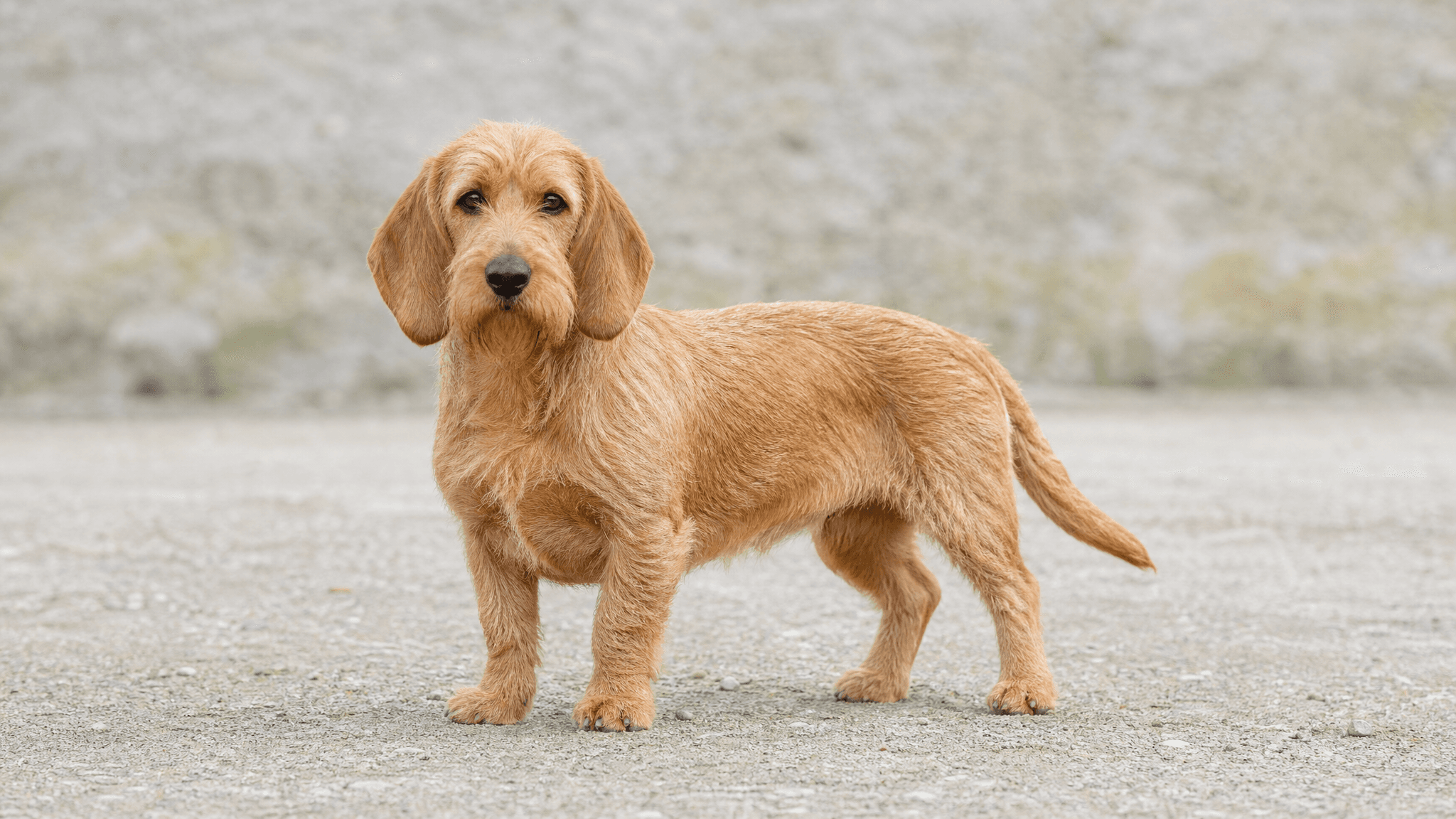
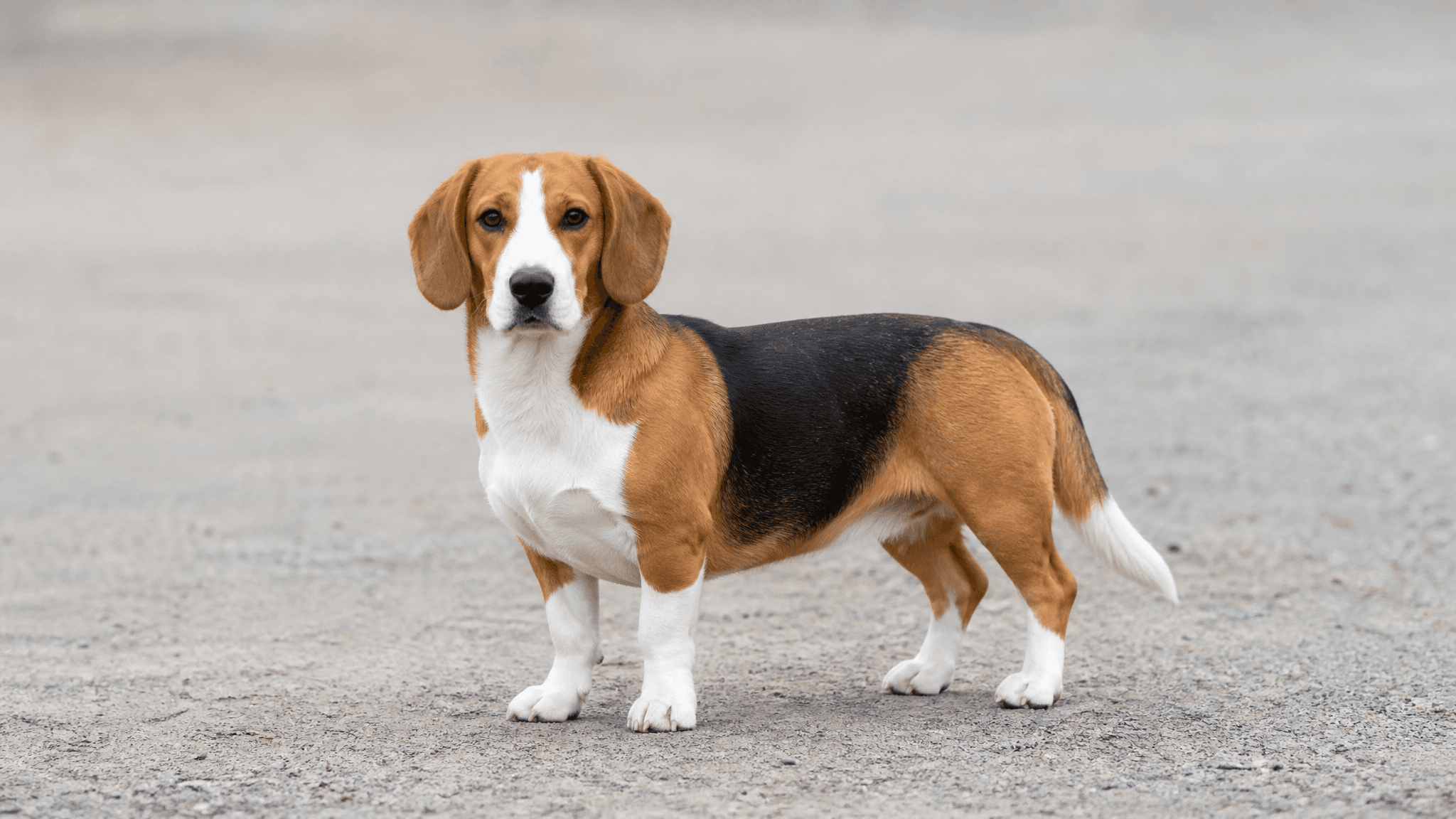
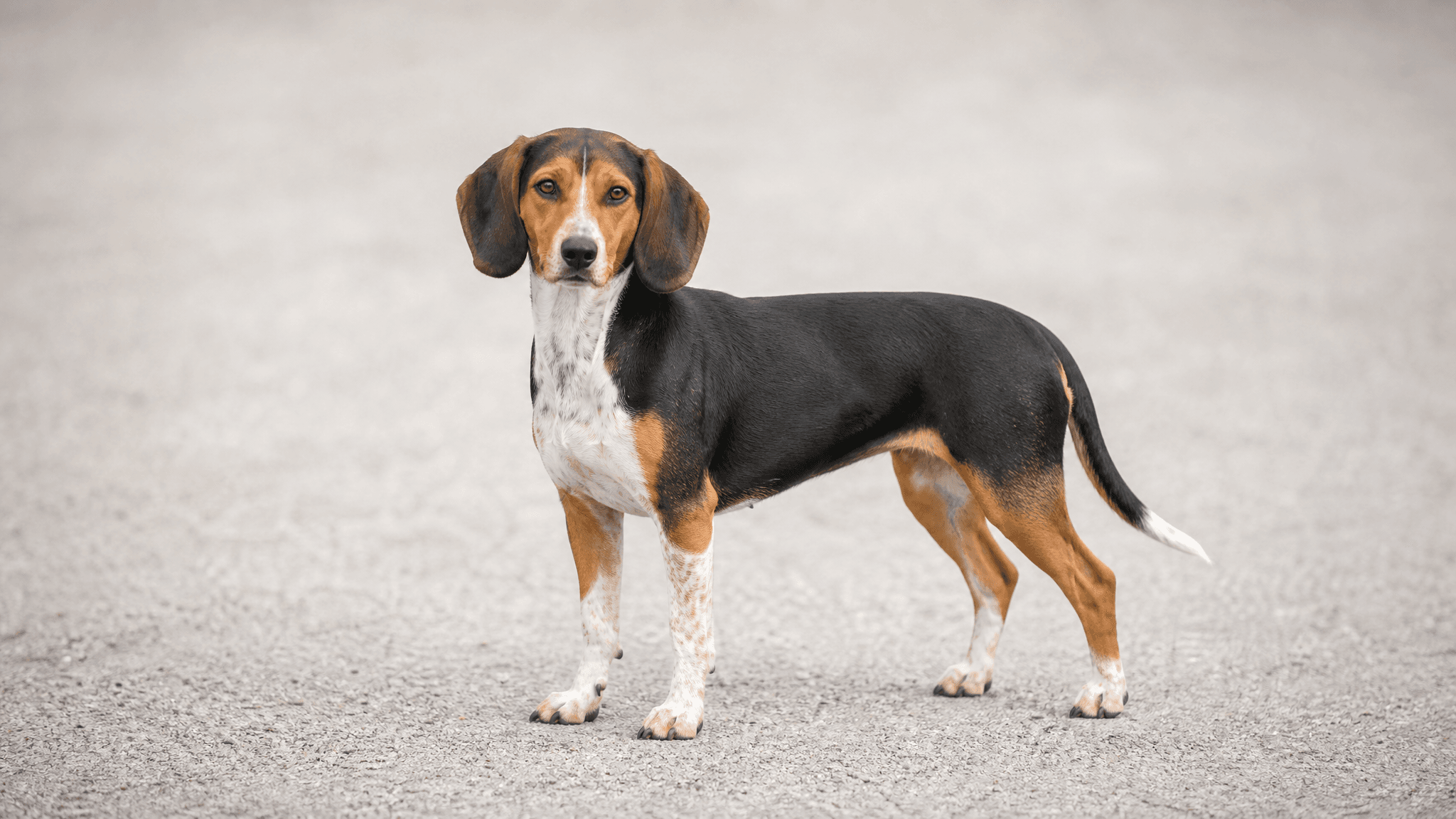
The Small Swiss Hound (Niederlaufhund) is the shorter-legged version of the Swiss Hounds, bred to allow hunting in more enclosed terrain and to follow trails at lower speeds, more suitable for hunting on foot. It exists in the same four color varieties (Bernese, Jura, Lucerne, and Schwyz). It is rarer than the full-sized Laufhund.
Physical Characteristics
- Size
- Small
- Height (male)
- 30–40 cm
- Height (female)
- 28–38 cm
- Weight (male)
- 8–15 kg
- Weight (female)
- 7–13 kg
- Life Expectancy
- 12–14 years
- Coat
- Short and dense
- Common Colors
- Identical to the Laufhund varieties — tricolor, black and tan, blue mottled, orange and white
Temperament & Personality
It shares the docile and affectionate temperament of the classic Swiss Hound. It is an adaptable, easy-to-manage dog with an excellent nose. Its shorter height makes it slightly more suitable for smaller spaces, although it still needs regular exercise.
Activity & Exercise
- Energy Level
- Moderate to high
- Recommended Daily Exercise
- 45–60 minutes
- Suitable for Apartment
- Yes with exercise
Grooming & Care
- Grooming Needs
- Low
- Shedding
- Moderate
- Bathing Frequency
- Every 4 weeks
Health
- Common Health Issues
- Hip dysplasia
- Otitis
- Spinal problems
- Recommended Health Tests
- Orthopedic evaluation
Compatibility
- With Children
- Excellent
- With Other Dogs
- Excellent
- With Cats
- Good
- For First-Time Owners
- Acceptable
Is a Small Swiss Hound right for you?
A Small Swiss Hound may suit you if:
- You are prepared to provide 45 to 60 minutes of daily exercise to satisfy their moderate to high energy.
- You enjoy outdoor adventures, as this breed thrives on following interesting scents and exploring.
- You appreciate a docile, affectionate, and adaptable companion who forms strong bonds with family.
- You are ready to engage in consistent, positive training to channel their intelligent scent hound instincts.
- You seek a low-maintenance grooming routine, only needing a bath every four weeks for their short, dense coat.
- You are willing to manage a dog with an excellent nose, understanding their natural drive to follow captivating trails.
Think twice if:
- You expect unwavering off-leash obedience, as their powerful nose can lead them to follow a scent independently.
- You have a busy schedule that leaves a dog alone for long periods, as they thrive on companionship and activity.
- You are unwilling to provide daily outdoor enrichment for their moderate to high energy level.
- You live in an unsecured area without a fenced yard, as their scent drive can make them prone to wandering.
- You are unprepared for the moderate shedding that comes with their short, dense coat.
- You prefer a dog that requires minimal mental stimulation beyond physical exercise.
The Small Swiss Hound offers a delightful blend of affection and an active spirit. While they are adaptable and generally easy-going companions, their strong scent hound instincts mean they truly thrive with owners who embrace their need for engaging outdoor activities. Be prepared to channel their keen nose and provide consistent guidance, and you'll be rewarded with a loyal and loving family member for 12 to 14 years.
Training a Small Swiss Hound
The Small Swiss Hound, with its adaptable and docile nature, thrives on positive reinforcement and engaging training sessions. Their keen scenting ability means they learn best when their natural instincts are channeled into fun, short activities rather than long, repetitive drills. Keep sessions brief, positive, and reward-based, using high-value treats and enthusiastic praise. Inconsistent or harsh handling can quickly make this sensitive hound shut down or become confused, hindering progress and damaging your bond. Focus on making learning a joyful experience, and your Small Swiss Hound will flourish.
Begin with:
- Attention to name with distractions
- Reliable recall on a long line
- Loose-leash walking manners
- Leave it and drop it cues
- Calm greetings without jumping
- Settling on a mat or bed
- Cooperative handling for care
- Waiting patiently at doors
Scent-driven distractions
As a true Scent Hound with an excellent nose, your Small Swiss Hound's strongest instinct is to follow interesting smells. This can make recall particularly challenging in stimulating environments, as their focus on a scent trail can override everything else. Start recall training in a quiet area and gradually introduce distractions, always using high-value rewards.
Practice recall frequently on a long line in secure, open spaces to give them freedom to explore safely while you maintain control. Engaging their nose in structured scent games at home can also satisfy this natural drive and make them more attentive when outdoors. For more tips, check out our guide on teaching a dog to come when called.
Leash pulling
Despite their small size, Small Swiss Hounds have moderate to high energy and a strong drive to explore with their nose. This combination often leads to enthusiastic leash pulling, as they try to follow every captivating scent. Consistent loose-leash training is essential from a young age to ensure enjoyable walks for both of you.
Use a comfortable, well-fitting harness that discourages pulling, and reward your dog for walking politely by your side. Practice frequently in various environments, always reinforcing attention to you and a slack leash. Our guide on stopping leash pulling offers a force-free plan to help.
Underspent energy
Small Swiss Hounds are adaptable and can live happily in apartments, but they still require 45-60 minutes of daily exercise to thrive. If their moderate-to-high energy isn't adequately managed through physical activity and mental stimulation, they can become restless, leading to undesirable behaviors.
Ensure your dog gets their recommended daily walks and playtime. Incorporate puzzle toys, chew items, and scent work into their routine to keep their minds engaged. A bored Small Swiss Hound might resort to excessive barking or destructive chewing. Our GPS Walks feature can help you track their exercise and discover new routes.
Small Swiss Hound — Frequently Asked Questions
What is the Schweizer Niederlaufhund (Small Swiss Hound)?
The Schweizer Niederlaufhund, also known as the Small Swiss Hound, is a charming small-sized hound originating from the beautiful country of Switzerland. Belonging to FCI Group 6, these delightful dogs are essentially a shorter-legged version of the classic Swiss Hounds. This unique characteristic was intentionally bred to make them more agile in enclosed terrains and to allow hunters on foot to follow their trails at a more comfortable pace. While sharing many wonderful traits with their larger cousins, they are a bit rarer to find. They come in four distinct color varieties: Bernese, Jura, Lucerne, and Schwyz, each with its own lovely markings.
What was the Schweizer Niederlaufhund (Small Swiss Hound) originally bred for?
The Schweizer Niederlaufhund was specifically developed for hunting, but with a unique twist! Unlike their larger Swiss Hound relatives, these smaller hounds were bred to navigate more challenging, enclosed terrains with greater ease. Their shorter legs allowed them to follow scent trails at a lower, more manageable speed, which was perfectly suited for hunters who preferred to be on foot. This made them incredibly effective and valued companions for tracking game in the diverse Swiss landscape, showcasing their excellent nose and determination in the field. They truly embody the spirit of a dedicated hunting partner.
How much exercise does a Schweizer Niederlaufhund (Small Swiss Hound) need?
Despite their “small” designation, Schweizer Niederlaufhunds have a moderate to high energy level and definitely need their daily dose of activity to stay happy and healthy! We recommend providing them with 45 to 60 minutes of exercise each day. This could be a brisk walk, a fun game of fetch in a secure area, or even some engaging scent work that taps into their natural hound instincts. Regular exercise is key to keeping their minds stimulated and their bodies fit, preventing boredom and ensuring they remain the adaptable, easy-to-manage companions we adore.
Is the Schweizer Niederlaufhund (Small Swiss Hound) a good family dog?
Absolutely! The Schweizer Niederlaufhund is known for its wonderfully docile and affectionate temperament, making them fantastic family companions. They are generally adaptable and easy-to-manage dogs who thrive on being part of the family unit. With proper introductions and socialization, they typically get along well with children and can coexist peacefully with other pets. Their slightly shorter height can even make them a bit more suitable for homes with smaller spaces, provided they still receive their essential daily exercise. They truly enjoy companionship and will bring much joy to a loving home.
Is the Schweizer Niederlaufhund (Small Swiss Hound) easy to train?
Training a Schweizer Niederlaufhund can be a very rewarding experience! They are intelligent dogs with an adaptable and easy-to-manage temperament, which generally makes them quite trainable. Their excellent nose means they are often highly motivated by scent, so incorporating scent games into their training can be a fantastic way to engage them. Positive reinforcement methods, consistency, and patience are key to success. Early socialization and puppy classes will help them grow into well-adjusted adults, and you'll find their docile and affectionate nature makes them eager to please their beloved human companions.
What health issues are common in the Schweizer Niederlaufhund (Small Swiss Hound)?
Like all breeds, the Schweizer Niederlaufhund can be predisposed to certain health conditions, though they are generally a robust breed. It's important for prospective owners to be aware of documented health concerns such as hip dysplasia, which affects the hip joints, and otitis, which refers to ear infections. Additionally, some individuals may experience spinal problems. Responsible breeding practices, regular veterinary check-ups, a balanced diet, and appropriate exercise are crucial steps to help maintain your Small Swiss Hound's overall health and well-being throughout their life. Always work with a reputable breeder who screens their dogs.
What is the Schweizer Niederlaufhund (Small Swiss Hound)'s coat like and how much grooming does it need?
The Schweizer Niederlaufhund typically boasts a short, smooth, and dense coat that is wonderfully easy to care for, making them a low-maintenance grooming companion. A weekly brush with a rubber curry comb or a soft bristle brush is usually all that's needed to remove loose hair, distribute natural oils, and keep their coat looking shiny and healthy. Occasional baths will help keep them clean, especially after outdoor adventures where their keen nose might lead them through interesting scents! Don't forget to regularly check their ears and trim their nails as part of their routine care.
What is the typical lifespan of a Schweizer Niederlaufhund (Small Swiss Hound)?
It's wonderful to know that the Schweizer Niederlaufhund typically enjoys a long and fulfilling life! With proper care, a healthy diet, regular veterinary check-ups, and plenty of love, these delightful hounds generally live for 12 to 14 years. Providing them with a stimulating environment, consistent exercise, and addressing any health concerns promptly will contribute significantly to their longevity and quality of life. They truly become cherished members of the family for many happy years, bringing joy and companionship to their human friends.
Community
Talk to real Small Swiss Hound owners
This guide covers the breed on paper. In the app, the Small Swiss Hound community covers it in real life: photos from other owners, questions answered by people who live with the breed, and a directory of dogs you can browse.
- Photos & pollsSee what Small Swiss Hound owners are sharing today.
- Questions & answersAsk anything and hear from people who own one.
- Dog directoryBrowse Small Swiss Hounds from around the world.
You join automatically when you add a Small Swiss Hound to your profile.