Drever
Summary
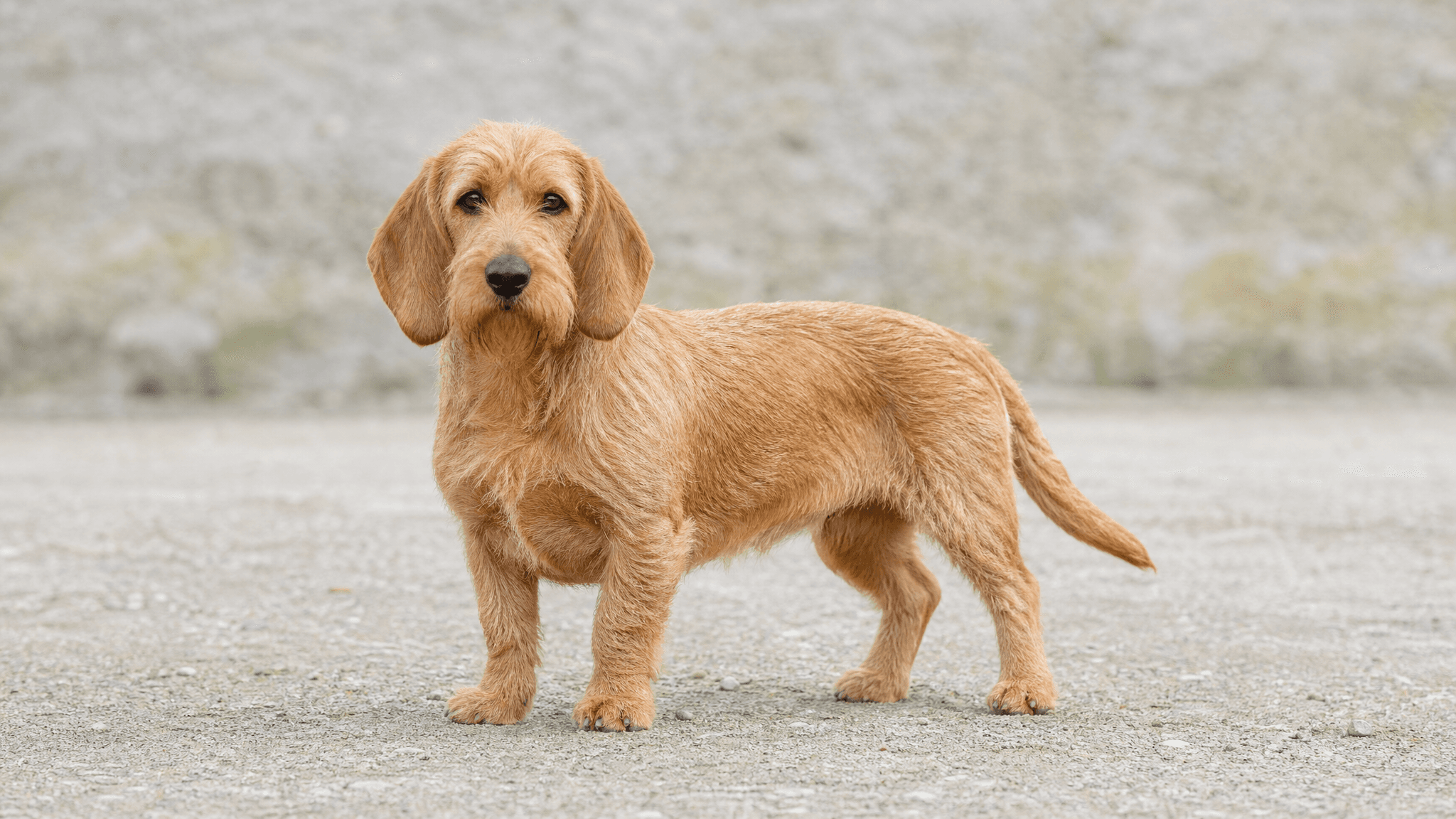
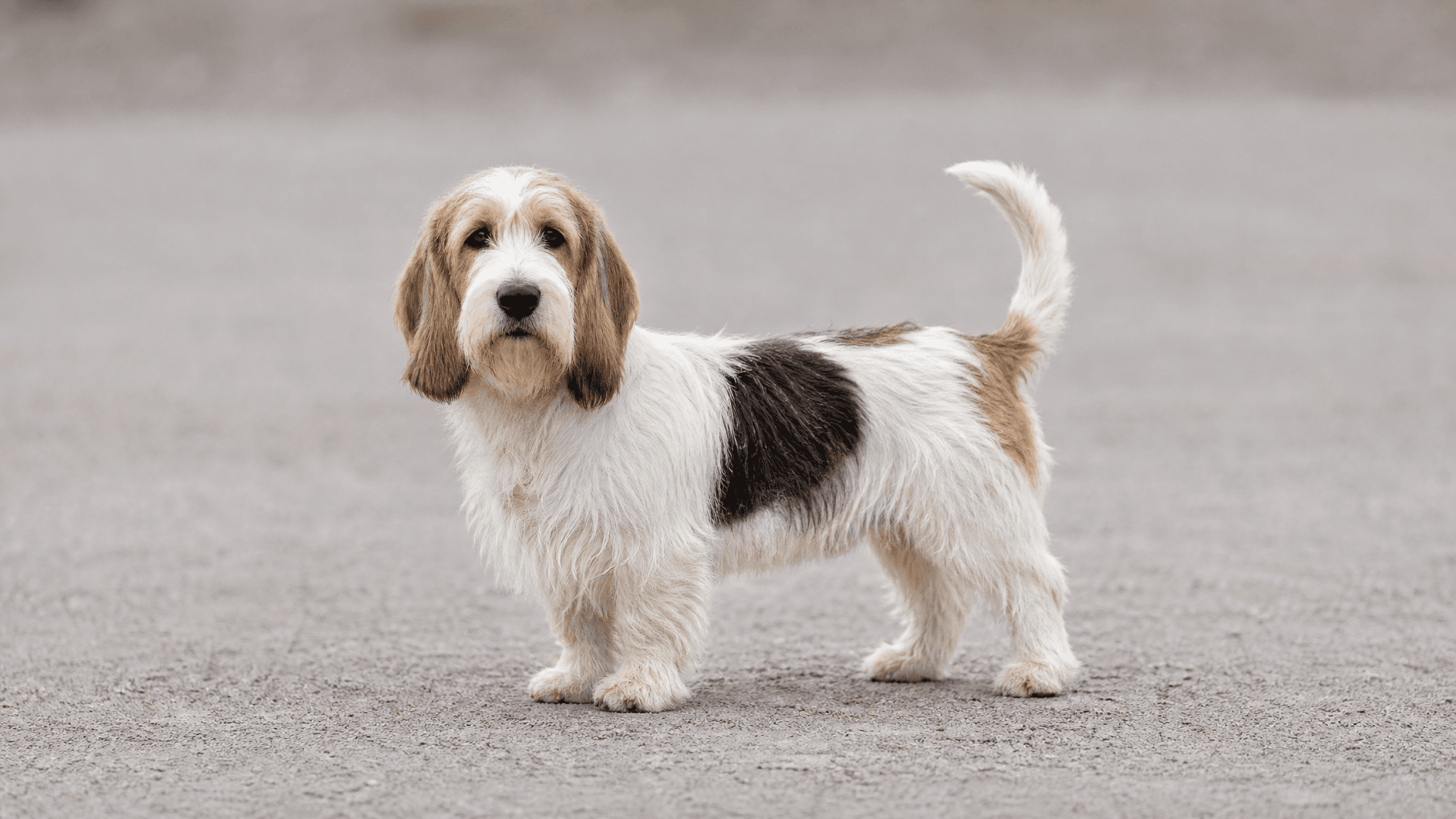
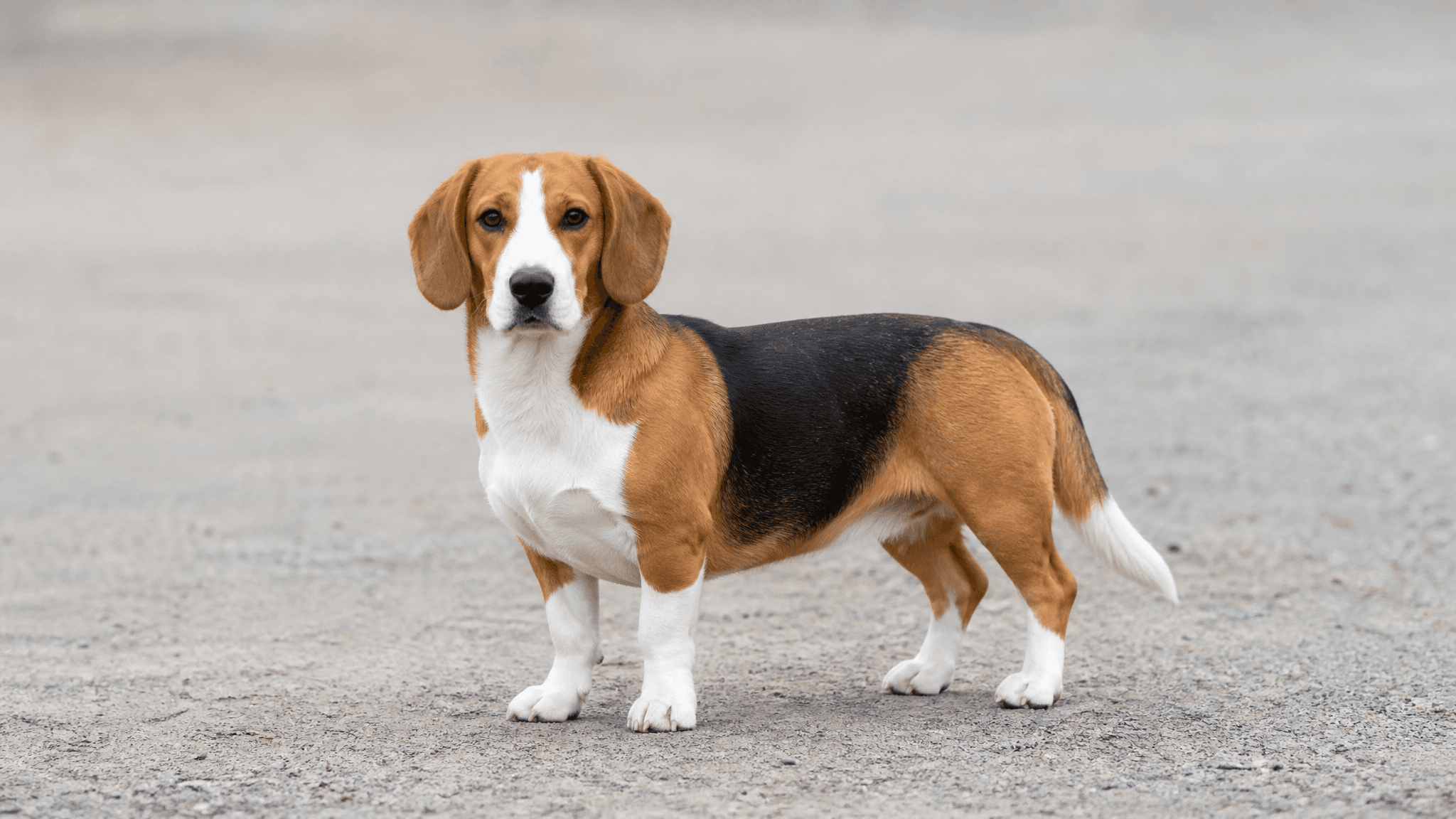
The Drever is a Swedish short-legged scent hound, descending from the Westphalian Dachsbracke imported to Sweden around 1910. Over decades of Swedish breeding, the Drever became a distinct breed, officially recognized in 1947. It is nicknamed the "hunting machine" for its dedication and persistence in the field. It is the second most popular hunting dog in Sweden, widely used for roe deer, hare, and fox.
Physical Characteristics
- Size
- Small
- Height (male)
- 32–38 cm
- Height (female)
- 30–36 cm
- Weight (male)
- 12–16 kg
- Weight (female)
- 10–14 kg
- Life Expectancy
- 12–14 years
- Coat
- Short, harsh, and very close-fitting
- Common Colors
- Any color with white markings; pure white is not accepted; fawn with or without black saddle and white is the most common
Temperament & Personality
The Drever has a harmonious and calm temperament at home, making it an excellent family companion when not hunting. It is affectionate, good-natured, and tends to get along well with other dogs. In the field, it transforms into an unstoppable tracking machine, with a high-pitched and penetrating bark that guides the hunter.
Activity & Exercise
- Energy Level
- High
- Recommended Daily Exercise
- 60 minutes
- Suitable for Apartment
- Not recommended
Grooming & Care
- Grooming Needs
- Low
- Shedding
- Moderate
- Bathing Frequency
- Every 4 weeks
Health
- Common Health Issues
- Hip dysplasia
- Otitis
- Spinal problems
- Recommended Health Tests
- Orthopedic evaluation
Compatibility
- With Children
- Excellent
- With Other Dogs
- Excellent
- With Cats
- Good
- For First-Time Owners
- Acceptable
Is a Drever right for you?
A Drever may suit you if:
- You can provide at least an hour of vigorous exercise daily to satisfy their high energy and keen tracking instincts.
- You enjoy outdoor adventures like hiking or scent work, allowing them to use their natural hunting abilities.
- You appreciate a good-natured, affectionate companion who is calm and harmonious within the home.
- You are prepared to engage in consistent, positive reinforcement training to guide their independent hound spirit.
- You are happy with minimal grooming, as their short, close-fitting coat requires little fuss beyond occasional brushing.
- You are willing to manage their strong scent drive and characteristic vocalizations, especially when they're on a trail.
Think twice if:
- You expect instant, perfect obedience, as their strong scent drive often takes precedence over commands.
- You have a routine that leaves a dog alone for long periods, as they thrive on companionship and can get bored.
- You are unable to commit to at least 60 minutes of daily vigorous activity, as an under-exercised Drever can become restless.
- You live in an apartment or do not have a securely fenced yard where they can safely explore and burn off energy.
- You are not prepared for a strong-willed, persistent hound who will follow a scent trail with unwavering focus.
- You prefer a quiet household, as their distinctive, high-pitched bark is a key part of their communication.
Living with a Drever means embracing a wonderful paradox: a calm, affectionate family member indoors, yet an unstoppable, vocal tracking machine outdoors. While their small size might suggest an easy-going companion, their high energy and deep-seated hunting instincts demand consistent engagement and secure spaces. For the right active family, a Drever offers 12-14 years of devoted, adventurous companionship, but they truly thrive with understanding of their hound nature.
Training a Drever
Training a Drever is a rewarding experience, as these intelligent scent hounds thrive on positive reinforcement and engaging activities. They are highly motivated by scent work and food rewards, making short, fun sessions most effective. Consistency and patience are key, leveraging their natural desire to work and please. If training becomes too repetitive, harsh, or fails to acknowledge their strong scent drive, a Drever can become easily distracted or appear stubborn. Understanding their dual nature – calm at home, driven in the field – is crucial for successful and enjoyable training.
Begin with:
- Attention and response to name around distractions
- Recall on a long line
- Loose-leash walking
- Leave it and drop it
- Calm greetings without jumping
- Settling on a mat or bed
- Cooperative handling for grooming, ears, feet and teeth
- Waiting at doors and gates
Recall and prey drive
The Drever's powerful nose and innate prey drive, honed over generations as a 'hunting machine' for roe deer and hare, means recall can be a significant challenge. When a captivating scent hits, their world narrows to the chase. Start recall training in a quiet, fenced area with high-value treats, gradually introducing distractions. Always use a long line in unfenced areas to ensure safety and prevent them from succumbing to an irresistible trail. Consistency is paramount, making coming back to you the most rewarding choice.
Practice recall frequently, even when you don't strictly need to, to build a strong positive association. Use a happy, encouraging tone, and reward generously every single time they return, whether on or off the line. For more detailed steps, check out our guide on teaching a dog to come when called. Remember, their drive isn't disobedience; it's instinct, so patience and prevention are your best tools.
Leash pulling on scent
Despite their small size (typically 10-16 kg), a Drever can be surprisingly strong and persistent on the leash, especially when their nose is to the ground. Their high energy and dedication to tracking mean they'll pull with purpose to follow an interesting scent. Begin loose-leash training early, making sure your Drever understands that a slack leash means good things happen, like moving forward or receiving a treat. If they pull, stop walking immediately and only resume when the leash loosens.
Consider a front-clip harness, which can help redirect their pulling motion without causing discomfort. Vary your walking routes to keep things interesting, but also practice walking in familiar, less stimulating areas to solidify good habits. For a comprehensive approach, refer to this force-free plan to stop leash pulling. Remember, every walk is a training opportunity!
Boredom and barking
A Drever with insufficient physical exercise or mental stimulation can quickly develop undesirable behaviors. Their high energy level and scent hound instincts mean they need at least 60 minutes of daily exercise, along with plenty of opportunities for mental engagement. Without this outlet, they may become restless, destructive, or express their frustration through their characteristic 'high-pitched and penetrating bark.' This breed is not recommended for apartment living precisely because of these needs.
To prevent boredom, incorporate scent games, puzzle toys, and interactive play into their routine. Consider enrolling in dog sports like tracking or obedience to channel their natural abilities. A tired Drever is a happy Drever, and a well-exercised mind and body will help maintain their harmonious and calm temperament at home. If you notice signs of stress or unusual behaviors, our Behaviour AI feature can help you understand and address them effectively.
Drever — Frequently Asked Questions
What is the Drever?
The Drever is a charming, small-sized scent hound originating from Sweden, where it was developed from the Westphalian Dachsbracke, imported around 1910. Officially recognized as a distinct breed in 1947, it proudly belongs to FCI Group 6 (Small-sized Hounds). Known for its short legs and incredible dedication, this breed is often affectionately nicknamed the "hunting machine" due to its persistent and focused nature in the field. Despite its compact size, the Drever possesses a robust build and an unwavering spirit, making it a truly unique and fascinating companion.
What was the Drever originally bred for?
The Drever was originally bred with a singular, passionate purpose: hunting. Descending from the Westphalian Dachsbracke and developed through decades of Swedish breeding, this breed was refined to be an exceptional tracking dog. It quickly became, and remains, the second most popular hunting dog in Sweden, widely utilized for its prowess in tracking roe deer, hare, and fox. In the field, the Drever transforms into an unstoppable tracking machine, using its high-pitched and penetrating bark to guide hunters, showcasing its deep-rooted instincts and remarkable dedication to its work.
How much exercise does a Drever need?
Despite their small stature, Drevers are dogs with a high energy level and a strong drive, stemming from their hunting heritage. To keep your Drever happy, healthy, and well-behaved, they require a good amount of daily activity. We recommend at least 60 minutes of exercise per day. This can include brisk walks, engaging playtime in a secure yard, or even scent work games that tap into their natural tracking abilities. Consistent physical and mental stimulation is key to channeling their energy positively and preventing boredom.
Is the Drever a good family dog?
Absolutely! While the Drever is an unstoppable force in the hunting field, at home, this breed boasts a truly harmonious and calm temperament, making them excellent family companions. They are known for being affectionate, good-natured, and tend to get along wonderfully with children and other dogs. Their gentle disposition makes them a joy to have around the house, offering a loving presence. With proper socialization, your Drever will be a devoted and cherished member of your family, bringing warmth and companionship to your home.
Is the Drever easy to train?
The Drever is an intelligent and dedicated breed, which can make training a rewarding experience with the right approach. Their harmonious and good-natured temperament means they are generally eager to please. However, as scent hounds, they possess a strong independent streak and can be easily distracted by interesting smells. Consistent, positive reinforcement methods work best, focusing on clear commands and rewarding good behavior. Early socialization and puppy classes are highly beneficial to harness their natural intelligence and ensure they grow into well-adjusted, obedient companions.
What health issues are common in the Drever?
Like all breeds, Drevers can be prone to certain health conditions, and being aware of these can help you provide the best care for your furry friend. Documented health concerns for the Drever include hip dysplasia, which affects the hip joints, and otitis, which refers to ear inflammation. Additionally, some Drevers may experience spinal problems. Regular veterinary check-ups are essential for early detection and management of any potential health issues, ensuring your Drever lives a long, comfortable, and happy life by your side.
What is the Drever's coat like and how much grooming does it need?
The Drever sports a short, dense, and hardy coat that is wonderfully easy to maintain, perfectly suited for its active, outdoor lifestyle. This practical coat offers good protection against the elements while requiring minimal grooming effort from you. A simple brush once or twice a week is usually all it takes to keep their coat healthy, shiny, and to help manage any loose hairs. This low-maintenance grooming routine means more time for adventures and less time spent on elaborate care, which is a win-win for both you and your active Drever!
What is the typical lifespan of a Drever?
Drevers are generally robust and healthy dogs, and with proper care, they can be wonderful companions for many years. The typical lifespan for a Drever ranges from 12 to 14 years. Providing a balanced diet, regular exercise, consistent veterinary care, and plenty of love and mental stimulation will contribute significantly to your Drever enjoying a full and vibrant life. It's a joy to share so many years with these affectionate and spirited hounds!
Community
Talk to real Drever owners
This guide covers the breed on paper. In the app, the Drever community covers it in real life: photos from other owners, questions answered by people who live with the breed, and a directory of dogs you can browse.
- Photos & pollsSee what Drever owners are sharing today.
- Questions & answersAsk anything and hear from people who own one.
- Dog directoryBrowse Drevers from around the world.
You join automatically when you add a Drever to your profile.