Shiba
Summary
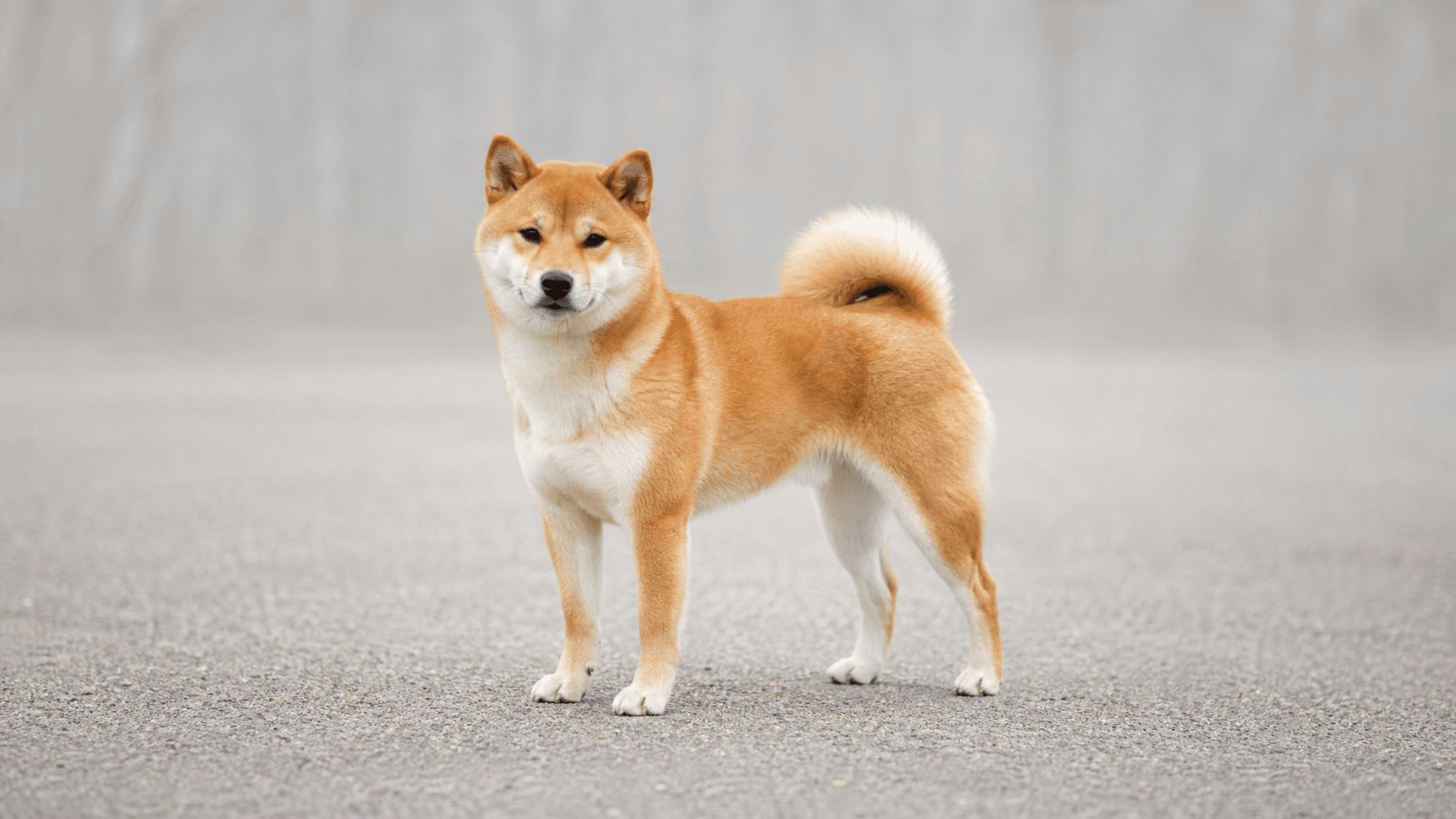
The Shiba Inu is the smallest and most popular of the six native Japanese Spitz, and currently the most registered companion dog in Japan. It originally hunted small game and birds in the mountains of central Japan. The Shiba is distinguished by its independent temperament and the famous "Shiba scream" — a high-pitched sound emitted when it is displeased or very excited.
Physical Characteristics
- Size
- Small to medium
- Height (male)
- 38–41 cm
- Height (female)
- 35–38 cm
- Weight (male)
- 10 kg
- Weight (female)
- 7–8 kg
- Life Expectancy
- 13–15 years
- Coat
- Double; straight and hard outer coat; soft and dense undercoat
- Common Colors
- Red, sesame (black, red, and white mixed), black and tan; always with urajiro (white/cream markings on the underside)
Temperament & Personality
The Shiba Inu is an independent, confident dog with a big personality. It is frequently described as "cat-like" for its cleanliness, self-sufficiency, and reserved attitude. It is very loyal but not excessively dependent on its owner. It has a strong hunting instinct and can be aggressive with other dogs; it is not easy to train for inexperienced owners. Its famous "scream" can be disconcerting but is harmless.
Activity & Exercise
- Energy Level
- High
- Recommended Daily Exercise
- 60–90 minutes
- Suitable for Apartment
- Yes with exercise
Grooming & Care
- Grooming Needs
- Low to moderate
- Shedding
- Moderate to heavy
- Bathing Frequency
- Every 6–8 weeks
Health
- Common Health Issues
- Allergies
- Epilepsy
- Hip dysplasia
- Patellar luxation
- Progressive retinal atrophy (PRA)
- Recommended Health Tests
- Eye examination
- Genetic test for PRA (_rod-cone dysplasia 1a_)
- Hip evaluation
Compatibility
- With Children
- Moderate
- With Other Dogs
- Can be difficult
- With Cats
- Can be difficult
- For First-Time Owners
- Not recommended
Is a Shiba right for you?
A Shiba may suit you if:
- You can provide 60 to 90 minutes of engaging daily exercise and mental challenges for their high energy.
- You enjoy an active lifestyle and appreciate a confident, independent companion who thrives on exploration.
- You value a loyal yet self-sufficient dog, often described as cat-like, who isn't overly dependent.
- You are committed to consistent, patient training, understanding their intelligent and sometimes stubborn nature.
- You are prepared for moderate to heavy shedding and regular brushing to maintain their beautiful double coat.
- You are willing to manage a strong prey drive and their famous, sometimes startling, "Shiba scream."
Think twice if:
- You expect a dog that is always eager to please and easily compliant, as Shibas are famously independent thinkers.
- You cannot provide consistent daily interaction and mental stimulation to satisfy their high energy needs.
- You have young children or other small pets, as Shibas can have a strong prey drive and may be difficult with other animals.
- You are unwilling to commit to 60 to 90 minutes of rigorous daily exercise or manage their moderate to heavy shedding.
- You cannot ensure a securely fenced outdoor space or diligent leash walks, as their independence can lead them to wander.
- You are a first-time dog owner seeking an easily trained companion, as Shibas thrive with experienced, patient guidance.
Living with a Shiba Inu is a unique journey that rewards patience and understanding. They offer deep loyalty on their own terms, balancing independence with affection. While their spirited nature and strong will can be challenging, especially for new owners, the bond formed with a well-exercised and properly trained Shiba is truly special and deeply rewarding.
Training a Shiba
Shiba Inus are intelligent and independent learners, often described as cat-like in their self-sufficiency. They respond best to short, engaging training sessions filled with positive reinforcement and high-value rewards, as their attention spans can be brief. Consistency is key, but avoid repetitive drills that can lead to boredom and disengagement. Harsh corrections or overly long sessions will quickly cause a Shiba to become stubborn and shut down, making progress difficult and potentially damaging your bond.
Begin with:
- attention and response to name around distractions
- recall on a long line
- loose-leash walking
- leave it and drop it
- calm greetings without jumping
- settling on a mat or bed
- cooperative handling for grooming, ears, feet and teeth
- waiting at doors and gates
Prey Drive and Recall
Shibas possess a strong hunting instinct, originally bred for small game, which means their prey drive can easily override their desire to return to you. It's crucial to understand that an off-leash Shiba, especially in an unfenced area, might pursue a squirrel or bird without hesitation, putting them at risk.
Always keep your Shiba on a leash unless in a securely fenced area. Practice recall diligently with high-value, irresistible treats, starting in quiet, low-distraction environments. Gradually introduce distractions, always using a long line for safety until their recall is rock-solid. For more help, check out our guide on teaching a reliable recall.
Leash Pulling and Reactivity
Despite their small to medium size, Shibas have high energy and can be quite strong on the leash. Their independent nature and potential difficulty with other dogs can also lead to reactivity during walks, making loose-leash walking a significant challenge.
Start loose-leash training early and be consistent, using positive reinforcement to reward walking nicely. If your Shiba reacts to other dogs, manage their environment to avoid triggers and work on counter-conditioning with a professional trainer. We have a helpful force-free plan to stop puppy pulling that can be adapted for older Shibas too.
Boredom and Vocalization
A Shiba Inu with their high energy level and independent temperament needs plenty of mental and physical stimulation. Without their recommended 60-90 minutes of daily exercise and engaging activities, a bored Shiba can quickly become destructive or express their displeasure with their famous "Shiba scream."
Ensure your Shiba gets adequate exercise every day, combining walks with playtime. Provide puzzle toys and engage them in training games to keep their intelligent minds active. Early socialization and consistent training help channel their independent spirit into positive behaviors and prevent unwanted vocalizations or destructive habits.
Shiba — Frequently Asked Questions
Are Shiba Inus good for first-time owners?
Shiba Inus are generally not recommended for first-time dog owners. They are highly intelligent, independent, and have a strong prey drive — qualities that make them challenging to train. They are known for their selective hearing and can be stubborn and manipulative. They also have specific grooming needs due to their double coat. First-time owners who are patient, consistent, and do their research can succeed, but should be prepared for a steep learning curve with this spirited, ancient breed.
Why are Shiba Inus so dramatic?
The Shiba Scream is legendary — Shiba Inus are known for emitting an ear-piercing, dramatic vocalization when they are unhappy, over-excited, or during nail trimming. Beyond that, they are theatrical creatures who will often use body language and vocal cues to express their displeasure in the most emphatic way possible. It comes down to their bold, independent character — they are not shy about letting you know how they feel. Most owners find it hilarious (after the first few times, at least!).
Are Shiba Inus friendly with strangers?
Shiba Inus tend to be reserved and dignified with strangers — they are not the type of dog to run up to every person they meet with a wagging tail. They are loyal and affectionate with their family but can be aloof and cautious with people they don't know. Early and thorough socialization helps significantly, but their reserved nature is a breed characteristic that won't entirely disappear. They are quietly observant rather than openly friendly.
How much exercise does a Shiba Inu need?
Shiba Inus are energetic and athletic, requiring at least 45 to 60 minutes of vigorous exercise daily. They have strong prey instincts and must always be kept on a leash or in a securely fenced area, as they will bolt after anything that moves. Beyond physical exercise, they need significant mental stimulation — puzzle toys, obedience training, and new environments keep their sharp minds engaged. A bored Shiba is a destructive Shiba.
Do Shiba Inus shed a lot?
Yes — Shiba Inus are moderate to heavy shedders. They have a thick double coat that sheds moderately year-round and very heavily during the twice-yearly coat blow (spring and autumn), when they shed almost their entire undercoat in a matter of weeks. Regular brushing several times a week, and daily brushing during shedding season, helps manage the fur. During the coat blow, a professional grooming session can significantly reduce the amount of loose hair around the home.
Are Shiba Inus easy to train?
Shiba Inus are intelligent but notoriously difficult to train. They understand commands perfectly but choose whether to obey based on their own judgment — they have a cat-like independence. They respond to positive reinforcement with high-value treats, but will disengage quickly if training becomes repetitive or boring. Short, engaging sessions work best. They excel at activities where they feel they have some choice, like nose work or agility. Patience, creativity, and a sense of humour are essential.
How long do Shiba Inus live?
Shiba Inus are a healthy, long-lived breed with a typical lifespan of 12 to 15 years. They are generally hardy, but can be prone to allergies, hip dysplasia, eye conditions (such as progressive retinal atrophy), and patellar luxation. Regular veterinary care, appropriate exercise, high-quality nutrition, and maintaining a healthy weight contribute to a long, active life. Many Shiba Inus remain energetic and playful well into their senior years.
Do Shiba Inus do well with other pets?
Shiba Inus can be challenging with other pets. Their high prey drive means that small animals (cats, rabbits, birds) may be at risk unless the Shiba has been raised with them from a very young age. They can also be dog-selective and may not enjoy the company of other dogs, particularly of the same sex. Early socialization helps, but their independent and territorial nature means that careful introductions and ongoing supervision are always wise when they share a home with other animals.
Community
Talk to real Shiba owners
This guide covers the breed on paper. In the app, the Shiba community covers it in real life: photos from other owners, questions answered by people who live with the breed, and a directory of dogs you can browse.
- Photos & pollsSee what Shiba owners are sharing today.
- Questions & answersAsk anything and hear from people who own one.
- Dog directoryBrowse Shibas from around the world.
You join automatically when you add a Shiba to your profile.