Shetland Sheepdog
Summary
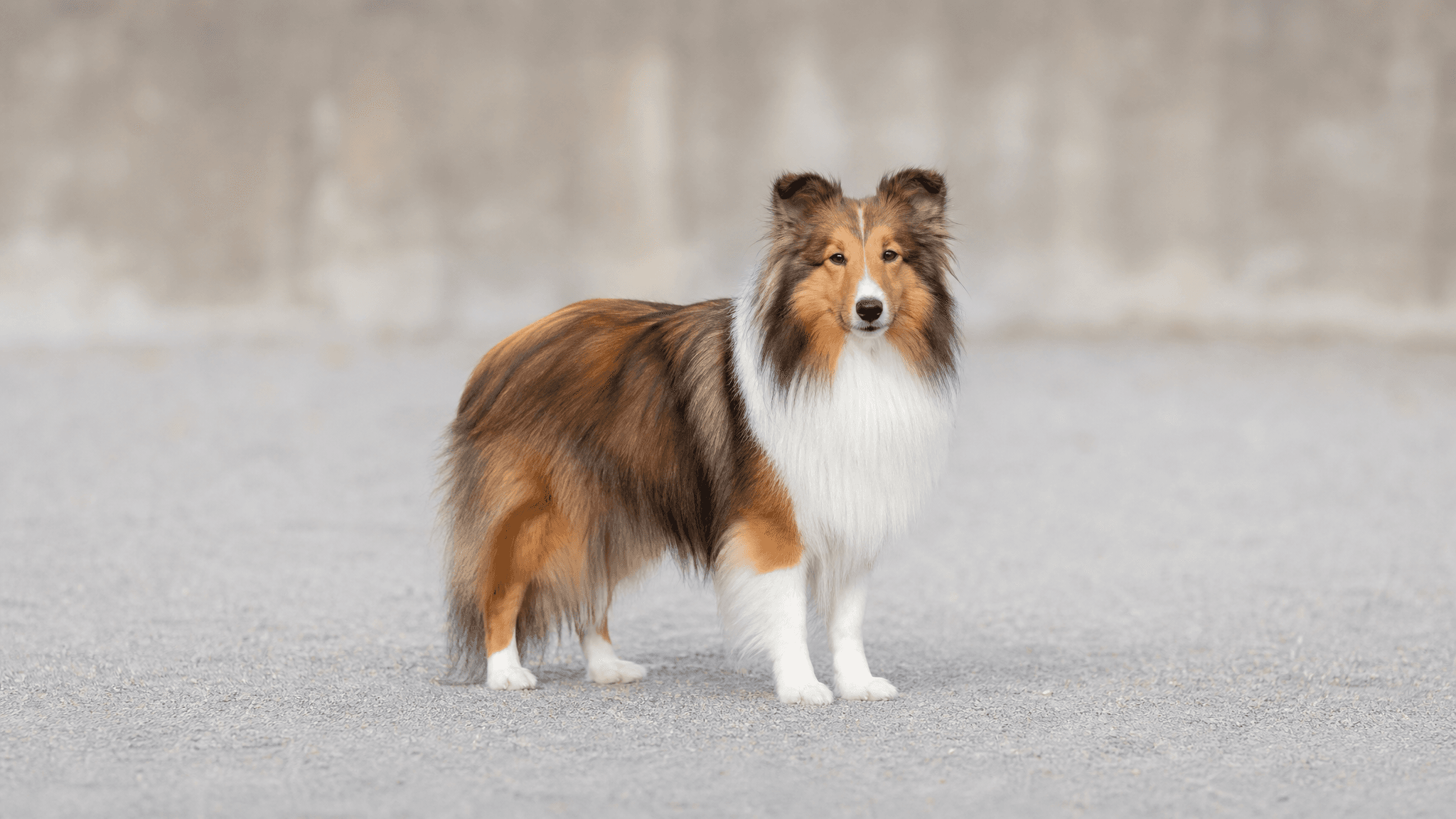
The Shetland Sheepdog, affectionately called "Sheltie", is a small to medium-sized breed that looks like a miniature Collie. Originating from the remote Shetland Islands in northern Scotland, it was bred to herd flocks in the harsh conditions of those islands. It is considered one of the most intelligent breeds in the world and excels in obedience, agility and flyball.
Physical Characteristics
- Size
- Small to medium
- Height (male)
- 33–41 cm
- Height (female)
- 33–41 cm
- Weight (male)
- 7–12 kg
- Weight (female)
- 6–10 kg
- Life Expectancy
- 12–14 years
- Coat
- Long, harsh and straight with dense, soft undercoat
- Common Colors
- Sable and white, tricolor (black, white and tan), blue merle, black and white, black and tan
Temperament & Personality
The Sheltie is a sensitive, affectionate and extremely loyal dog to its family, with whom it forms very intense bonds. It is naturally reserved with strangers, and can be shy if poorly socialized. It possesses extraordinary intelligence and a genuine desire to please, which makes it easy to train. It may have a tendency for excessive barking, especially when anxious or bored.
Activity & Exercise
- Energy Level
- High
- Recommended Daily Exercise
- 60–90 minutes
- Suitable for Apartment
- Yes with exercise
Grooming & Care
- Grooming Needs
- High
- Shedding
- Heavy
- Bathing Frequency
- Every 4–6 weeks
Health
- Common Health Issues
- Collie eye anomaly (CEA)
- Drug sensitivity (MDR1)
- Heart disease
- Hip dysplasia
- Hypothyroidism
- Von Willebrand disease
- Recommended Health Tests
- CEA genetic test
- Eye examination
- Hip radiography
- MDR1 test
Compatibility
- With Children
- Good
- With Other Dogs
- Good
- With Cats
- Good
- For First-Time Owners
- Recommended
Is a Shetland Sheepdog right for you?
A Shetland Sheepdog may suit you if:
- You enjoy active pursuits and are prepared to provide 60 to 90 minutes of daily exercise and engaging mental challenges.
- You thrive on training and participate in dog sports like agility or flyball, where their intelligence shines.
- You appreciate a deeply loyal and affectionate companion who forms strong bonds with their family.
- You are keen to engage in consistent, positive reinforcement training to harness their remarkable intelligence.
- You are prepared for regular grooming, including brushing their long, dense coat several times a week.
- You are willing to manage their natural herding instincts and potential for vocal communication with patience and training.
Think twice if:
- You expect a dog that will always be perfectly quiet or instantly obey without consistent effort and engagement.
- You frequently leave your dog alone for long periods, as this can lead to anxiety and disruptive behaviors.
- You are unwilling to supervise and guide their natural herding instincts around very young children or smaller pets.
- You are unable or unwilling to commit to daily vigorous exercise and consistent, high-level grooming.
- You live in an apartment and are not prepared to consistently meet their significant outdoor exercise needs.
- You prefer a dog that is immediately outgoing with all strangers, as Shelties can be reserved without proper socialization.
Shetland Sheepdogs are truly delightful and intelligent companions, offering immense loyalty and affection to their families. However, their sensitive nature and high energy mean they thrive with owners who provide consistent mental and physical stimulation, alongside patient grooming. While they are eager to please, managing their vocal tendencies and herding instincts requires dedication, ensuring a harmonious life together.
Training a Shetland Sheepdog
Your Sheltie is an incredibly intelligent and eager-to-please companion, forming deep bonds and thriving on positive reinforcement. They learn best through short, fun, and consistent training sessions filled with praise and tasty rewards. Because of their sensitive nature, harsh corrections or inconsistent handling can quickly lead to shyness, anxiety, or a reluctance to engage. Keep it positive and playful, and your Sheltie will delight in learning new things with you, strengthening that special bond throughout their 12-14 year lifespan.
Begin with:
- Attention and response to name around distractions
- Recall on a long line
- Loose-leash walking
- Leave it and drop it
- Calm greetings without jumping
- Settling on a mat or bed
- Cooperative handling for grooming, ears, feet and teeth
- Waiting at doors and gates
Herding Instinct and Recall
Shelties were originally bred to herd, and this strong instinct can sometimes make recall challenging, especially around moving objects like bicycles, cars, or squirrels. It's crucial to start recall training early and consistently in a low-distraction environment, gradually increasing the difficulty. Always use a long line for safety during outdoor practice until their recall is rock-solid.
Make coming back to you the most rewarding thing ever with high-value treats and enthusiastic praise. Never punish your Sheltie for taking a moment to come back, as this will only teach them to avoid you. For more detailed guidance, check out our comprehensive guide on teaching recall.
Leash Manners and Sensitivity
Despite their small to medium size (males typically 7-12 kg, females 6-10 kg), Shelties can pull on the leash, especially if they are excited or not getting enough exercise. Their sensitive temperament means that harsh leash corrections are counterproductive and can damage your bond. Instead, focus on positive reinforcement for loose-leash walking.
Reward every step they take with a slack leash. Ensure your Sheltie receives their recommended 60-90 minutes of daily exercise to help manage their high energy. Using a comfortable, well-fitting harness can also help prevent pulling and discomfort. You might find our force-free plan for stopping leash pulling helpful.
Barking and Boredom
Shelties are highly intelligent and possess a high energy level. If they are under-exercised, under-stimulated, or left alone for extended periods, they can easily become bored or anxious, which often manifests as excessive barking. This isn't naughtiness; it's usually a cry for more engagement.
To prevent this, ensure your Sheltie receives ample mental stimulation through puzzle toys, regular training sessions, and engaging activities, in addition to their 60-90 minutes of daily physical exercise. A mentally and physically tired Sheltie is a much quieter and happier companion. If you suspect anxiety is contributing to barking when alone, our Behaviour AI feature can offer insights and support.
Shetland Sheepdog — Frequently Asked Questions
Why do Shetland Sheepdogs bark so much?
Shelties were bred to patrol and alert their owners to strangers approaching the flock — that watchdog barking instinct is still very much alive today. They're vocal by nature: they bark at strangers, sounds, movement, and sometimes just for the joy of it. Early training to settle on a 'quiet' cue and plenty of daily exercise (a tired Sheltie is a quieter Sheltie) are essential, especially in apartments or urban environments. Their barking is manageable but requires consistent training from day one.
Are Shelties good family dogs?
Shetland Sheepdogs are loyal, affectionate, and devoted family companions — they bond deeply with their people and are gentle with children they've grown up with. Their herding instinct can lead them to try to herd running children (nipping at heels), which requires early management. They're sensitive dogs that respond to the emotional tone of the household and thrive in calm, consistent families. Their intelligence makes them eager learners and wonderful companions for families who enjoy dog sports and training activities.
Are Shetland Sheepdogs easy to train?
Shelties are extraordinarily trainable — they rank among the top herding breeds for obedience and responsiveness, and they excel in agility, obedience trials, rally, and herding. Their sensitivity means they can read your body language and emotional state almost uncannily well, and they respond beautifully to calm, consistent positive training. They're one of the easiest breeds to train in the world, but that same sensitivity means they shut down completely under harsh methods.
How much exercise does a Sheltie need?
Shelties are active herding dogs that need around 1 hour of daily exercise — a combination of walks, off-leash running, and mentally stimulating activities like training or agility. They're not as extreme as Border Collies or Australian Shepherds but do need real daily physical and mental engagement. A bored Sheltie with insufficient exercise is a barky, anxious, sometimes compulsive Sheltie. They particularly love activities that involve working with their owner, making training and dog sports an ideal outlet.
What health issues affect Shetland Sheepdogs?
Shelties can carry the MDR1 (ABCB1) gene mutation (shared with Collies and Australian Shepherds), which causes severe drug sensitivity — DNA testing before administering certain medications is important. Collie Eye Anomaly (CEA) is common in the breed. Hip dysplasia, dermatomyositis (a skin and muscle condition), and thyroid disease are also seen. Von Willebrand's disease (a clotting disorder) and epilepsy are present in some lines. Buying from health-tested parents and annual vet check-ups are the best protective measures.
Do Shelties get along with strangers?
Shelties tend to be naturally reserved and watchful around strangers — they're not aggressive but can be shy, aloof, or bark persistently at unfamiliar people. Early and broad socialisation during puppyhood (positive exposure to many different people, environments, and situations) is essential to prevent shyness from tipping into anxiety or reactivity. A well-socialised Sheltie may never be a 'greet everyone enthusiastically' dog, but they'll be comfortable and calm rather than anxious around new people.
How long do Shetland Sheepdogs typically live?
Shelties are a healthy, long-lived breed, typically reaching 12–14 years. Their longevity is supported by their moderate size, active lifestyle, and relatively sound genetic base when bred responsibly. Annual vet check-ups, MDR1 gene testing, eye checks for CEA, and thyroid screening as they age are the key health monitoring priorities. Shelties who remain active, are fed well, and are mentally engaged through training and play tend to age beautifully.
Are Shelties good for first-time dog owners?
Shelties can be a good choice for first-time owners who are drawn to an intelligent, trainable, gentle breed and are prepared for the grooming commitment (their long double coat needs regular brushing and professional grooming) and managing their barking tendency. Their sensitive, cooperative nature makes them easier than many herding breeds for beginners. The key is early socialisation, consistent training, and providing enough daily exercise and mental stimulation to keep them balanced.
Community
Talk to real Shetland Sheepdog owners
This guide covers the breed on paper. In the app, the Shetland Sheepdog community covers it in real life: photos from other owners, questions answered by people who live with the breed, and a directory of dogs you can browse.
- Photos & pollsSee what Shetland Sheepdog owners are sharing today.
- Questions & answersAsk anything and hear from people who own one.
- Dog directoryBrowse Shetland Sheepdogs from around the world.
You join automatically when you add a Shetland Sheepdog to your profile.