Bearded Collie
Summary
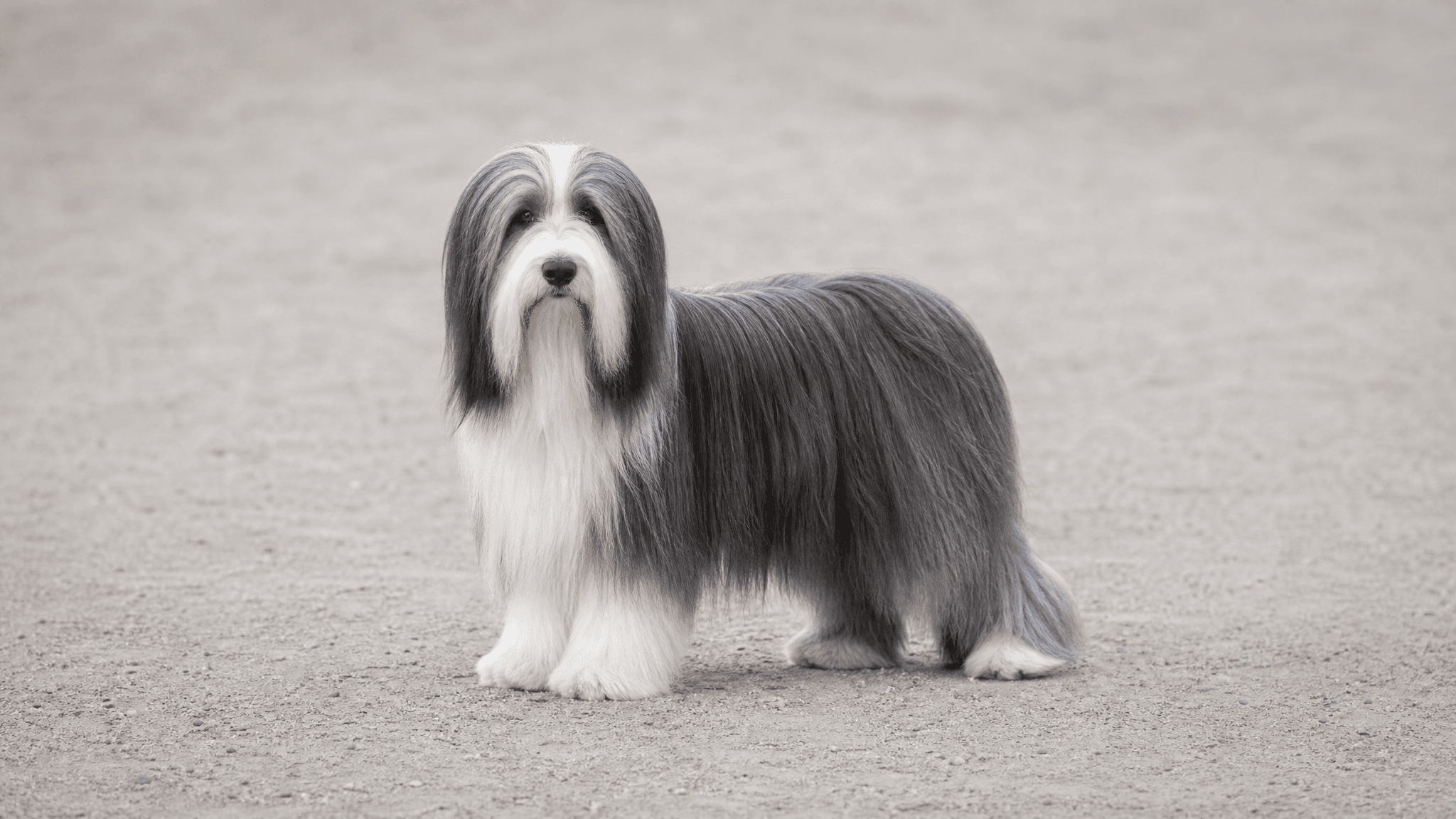
The Beardie, or Bearded Collie, is an ancient Scottish sheepdog, developed to drive sheep and cattle in the Scottish Highlands in adverse weather conditions. With its long coat, characteristic beard and lively expression, the Beardie is a dog of enormous charm and personality. It is considered one of the ancestors of the Old English Sheepdog (Bobtail). It nearly disappeared in the early 20th century, but was revived in the 1940s by a dedicated breeder, G.O. Willison.
Physical Characteristics
- Size
- Medium
- Height (male)
- 53–56 cm
- Height (female)
- 51–53 cm
- Weight (male)
- 20–25 kg
- Weight (female)
- 18–22 kg
- Life Expectancy
- 12–14 years
- Coat
- Long, flat, harsh and crisp; soft, dense undercoat; well-defined beard
- Common Colors
- Black, blue, brown, fawn (with variations to lighter shades throughout adult life); with or without white markings
Temperament & Personality
The Beardie is a vibrant, exuberant and tirelessly enthusiastic dog — its joy for life is genuinely contagious. It is extremely affectionate with the whole family, especially with children, and rarely shows aggression. It is intelligent but also independent, with occasional stubbornness that requires patience in training. Its energy and need for movement make it an ideal companion for active families.
Activity & Exercise
- Energy Level
- High
- Recommended Daily Exercise
- 90 minutes
- Suitable for Apartment
- Not recommended
Grooming & Care
- Grooming Needs
- High
- Shedding
- Moderate
- Bathing Frequency
- Every 4–6 weeks
Health
- Common Health Issues
- Hip dysplasia
- Hypothyroidism
- Pemphigus (autoimmune skin disease)
- Recommended Health Tests
- OFA orthopedic evaluation
- Thyroid analysis
Compatibility
- With Children
- Excellent
- With Other Dogs
- Excellent
- With Cats
- Good
- For First-Time Owners
- Acceptable
Is a Bearded Collie right for you?
A Bearded Collie may suit you if:
- You can provide at least 90 minutes of engaging exercise daily, plus plenty of mental stimulation.
- You enjoy an active, outdoor lifestyle and seek a lively companion for your adventures.
- You appreciate a vibrant, enthusiastic, and extremely affectionate dog with a genuinely contagious joy for life.
- You are prepared to commit to patient, consistent training to guide an intelligent but independent mind.
- You are willing to dedicate significant time to regular grooming of their long, distinctive coat and dense undercoat.
- You are ready to manage their natural herding instincts and occasional vocalizations with understanding and a sense of humor.
Think twice if:
- You expect unwavering, instant obedience, as this intelligent breed possesses an independent and sometimes stubborn streak.
- You frequently leave your dog alone for long periods; Bearded Collies thrive on constant family companionship.
- You prefer a dog that is less boisterous and demanding of interaction with all family members and visitors.
- You are unwilling to commit to daily vigorous exercise or the high demand for regular, thorough grooming.
- You live in a small apartment and cannot provide ample outdoor space for a medium-sized, high-energy dog.
- You are not prepared to guide a boisterous, energetic adolescent dog through their lively and demanding developmental stages.
Living with a Bearded Collie is a joyful journey filled with boundless enthusiasm and deep affection. While their vibrant spirit and intelligence are incredibly rewarding, they also demand significant commitment to exercise, training, and grooming. Embrace their unique blend of charm and challenge, and you'll find an unparalleled companion who truly enriches your life.
Training a Bearded Collie
Bearded Collies are incredibly intelligent and full of zest, making training a joyful experience when approached correctly. They thrive on positive reinforcement, responding beautifully to praise, treats, and play, which taps into their exuberant and enthusiastic nature. Keep training sessions short, fun, and varied, as their independent streak means they can get bored with repetition. If training becomes too strict, repetitive, or relies on harsh corrections, your Beardie might become stubborn, disengage, or even develop a reluctance to participate, missing out on the wonderful bond that positive training builds.
Begin with:
- Attention and response to name around distractions
- Recall on a long line
- Loose-leash walking
- Leave it and drop it
- Calm greetings without jumping
- Settling on a mat or bed
- Cooperative handling for grooming, ears, feet and teeth
- Waiting at doors and gates
Herding Drive and Focus
As a breed developed to drive sheep and cattle, your Bearded Collie possesses a strong herding instinct. This can manifest as a tendency to chase moving objects like cars, bicycles, or even children, making recall and focus challenging in busy environments. To address this, start recall training in a quiet area with high-value rewards, gradually introducing distractions. Practice impulse control games, like 'leave it' with moving toys, to teach them to manage their urges. Consistent, engaging training will help redirect this natural drive into appropriate activities.
When out and about, especially in areas with potential triggers, keep your Beardie on a leash or a long line until their recall is rock-solid. Consider enrolling in a herding class or agility training; these activities can provide an excellent outlet for their natural instincts and channel their energy positively, strengthening your bond and their responsiveness. Remember, patience and consistency are key to managing this innate drive.
Managing Exuberant Energy
Beardies are high-energy dogs, and their medium size (males 20-25 kg) means they can pull with considerable strength on the leash, especially when excited. This can make walks less enjoyable for both of you. Start loose-leash walking training early and be consistent. Use a front-clip harness or a head halter if needed, as these can provide better control without causing discomfort. Reward every step your Beardie takes with a loose leash, making it clear that walking politely is highly rewarding. For more detailed guidance, check out our guide on stopping leash pulling.
Ensure your Bearded Collie receives their recommended 90 minutes of exercise daily, broken into engaging sessions. A tired Beardie is a well-behaved Beardie! Combine physical activity with mental stimulation, such as scent games or obedience drills during walks, to keep them engaged and less likely to pull out of sheer excitement or boredom. Consistency in training and daily routine is crucial for success.
When Boredom Strikes
With their high energy level and intelligence, Bearded Collies require significant mental and physical stimulation. If under-exercised, under-stimulated, or left alone for extended periods, they can become bored and resort to unwanted behaviours like excessive barking, destructive chewing, or digging. They are not recommended for apartment living precisely because of these needs. To prevent this, ensure they receive their full 90 minutes of daily exercise, incorporating varied activities like long walks, runs, or active play sessions.
Beyond physical exercise, engage their intelligent minds with puzzle toys, interactive games, and regular training sessions. Consider dog sports like agility, obedience, or rally, which provide both physical and mental challenges. Establishing a consistent daily routine and providing plenty of appropriate chew toys can also help manage their energy and prevent boredom-induced mischief, keeping your Beardie happy and well-adjusted.
Bearded Collie — Frequently Asked Questions
Are Bearded Collies good family dogs?
Bearded Collies are excellent family dogs — they are exuberant, playful, and deeply affectionate with the people they love. They are typically good with children of all ages and get on well with other dogs. Their herding background means they can be bouncy and enthusiastic, which is wonderful for active families. Their only challenge is grooming — their long double coat requires consistent weekly brushing to prevent matting.
How much grooming does a Bearded Collie need?
Bearded Collies have a long, shaggy double coat that requires significant grooming commitment. Weekly brushing (minimum 1–2 hours per session) is necessary to prevent matts, which can form quickly in the soft undercoat. Pay particular attention to behind the ears, under the armpits, and around the collar area — classic matting hotspots. Professional grooming every 6–8 weeks and a shorter "pet trim" between visits makes daily management much easier. Never neglect grooming — severe matts require professional removal and cause discomfort.
How much exercise does a Bearded Collie need?
Bearded Collies need 60–90 minutes of active exercise daily. They are energetic herding dogs that enjoy long walks, off-leash runs, agility, fetch, and any activity that engages their mind and body simultaneously. Mental stimulation through training, nose work, and problem-solving is equally important. Without adequate exercise, they become hyperactive and bouncy indoors. They make excellent partners for hiking, running, and outdoor activities in general.
Are Bearded Collies good for first-time owners?
Bearded Collies can be suitable for first-time owners who are prepared for their grooming requirements and energy levels. They are not difficult to train — they are eager to please and responsive to positive reinforcement. The two main commitments are consistent grooming (the coat demands real time investment) and adequate daily exercise. Owners willing to learn proper coat care and provide an active lifestyle will find Beardies wonderful, loving companions.
What health issues affect Bearded Collies?
Bearded Collies are generally healthy but have some documented predispositions. Hip dysplasia can occur — OFA screening of parents is recommended. Autoimmune conditions — including pemphigus (a skin condition) and Addison's disease — are noted in the breed. Hypothyroidism affects some individuals. Progressive Retinal Atrophy (PRA) can cause vision loss. Epilepsy has been documented. Regular annual vet check-ups from middle age onward are important for catching issues early.
Do Bearded Collies bark a lot?
Bearded Collies are moderately vocal. They bark to alert, to express excitement, and sometimes just because they feel like it — their exuberant personality finds outlets through sound. A well-exercised Beardie that is mentally stimulated barks less than a bored or under-stimulated one. Training a "quiet" command early is advisable. They are not typically nuisance barkers, but their enthusiasm can translate to noise during greetings and play. Apartment living requires more consistent management of barking.
How long do Bearded Collies live?
Bearded Collies have an average lifespan of 12–14 years. They are a relatively healthy breed when sourced from responsible breeders who screen for hereditary conditions. Good nutrition, regular exercise, maintaining a healthy weight, dental care, and annual vet check-ups all support longevity. Their enthusiastic, active nature naturally keeps them in good condition. Many Beardies remain lively and playful well into their senior years, which is one of the endearing traits of the breed.
Are Bearded Collies easy to train?
Bearded Collies are intelligent and trainable, though they have an independent streak that can lead to selective listening during adolescence. They respond enthusiastically to positive reinforcement and enjoy learning — training feels like play to them. They are sensitive dogs that shut down quickly under harsh corrections, so a gentle, reward-based approach is always best. Early obedience classes are recommended both for training and socialisation. They excel at obedience, agility, and herding competitions.
Community
Talk to real Bearded Collie owners
This guide covers the breed on paper. In the app, the Bearded Collie community covers it in real life: photos from other owners, questions answered by people who live with the breed, and a directory of dogs you can browse.
- Photos & pollsSee what Bearded Collie owners are sharing today.
- Questions & answersAsk anything and hear from people who own one.
- Dog directoryBrowse Bearded Collies from around the world.
You join automatically when you add a Bearded Collie to your profile.