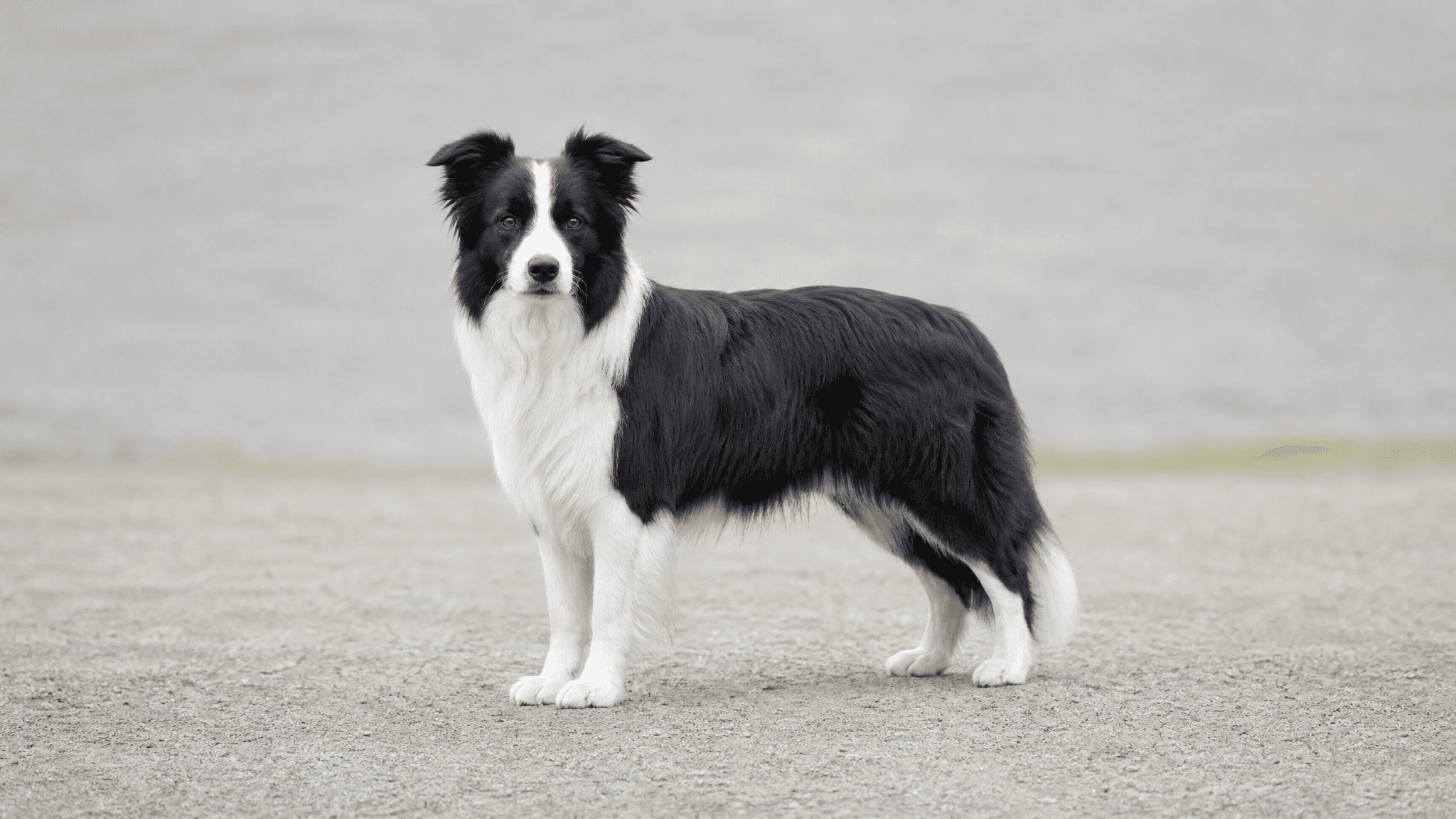
Border Collie
Summary
The Border Collie is widely recognized as the most intelligent dog breed in the world — and science confirms that reputation. Developed in the border region between Scotland and England to herd sheep with a unique method of control through fixed stare and body posture (the famous "eye"), it is an extraordinary athlete, a learning machine and a dog that literally lives to work. It is the leading breed in sheepdog trials competitions around the world.
Physical Characteristics
- Size
- Medium
- Height (male)
- 48–56 cm
- Height (female)
- 46–53 cm
- Weight (male)
- 14–20 kg
- Weight (female)
- 12–19 kg
- Life Expectancy
- 12–15 years
- Coat
- Two varieties: medium coat (wavy) and short coat; both with dense undercoat
- Common Colors
- Black and white (most common), tricolor, blue merle, red and white; practically any combination except solid white
Temperament & Personality
The Border Collie is a dog of unmatched intensity — focused, determined and tireless. Its need for mental and physical work is absolutely real: a Border Collie without sufficient stimulation can develop obsessive, destructive or anxiety behaviors. It is an extraordinary partner for active owners committed to training and activity, but it is not a dog for those who just want to "have a dog". Its level of intelligence means it learns both the things we want to teach and those we don't.
Activity & Exercise
- Energy Level
- Very high
- Recommended Daily Exercise
- 120 minutes
- Suitable for Apartment
- Not recommended
Grooming & Care
- Grooming Needs
- Moderate
- Shedding
- Moderate to heavy
- Bathing Frequency
- Every 4–6 weeks
Health
- Common Health Issues
- Collie eye anomaly (CEA)
- Deafness
- Drug sensitivity (MDR1)
- Epilepsy
- Hip dysplasia
- Neuronal ceroid lipofuscinosis (NCL)
- Progressive retinal atrophy (PRA)
- Recommended Health Tests
- CEA
- Eye examination
- MDR1 genetic tests
- NCL
- Orthopedic evaluation
- Progressive retinal atrophy (PRA)
Compatibility
- With Children
- Moderate
- With Other Dogs
- Good
- With Cats
- Moderate
- For First-Time Owners
- Not recommended
Is a Border Collie right for you?
A Border Collie may suit you if:
- You are prepared to dedicate at least 120 minutes of vigorous exercise and mental challenges daily.
- You enjoy engaging in dog sports, advanced training, or active outdoor adventures with a highly focused partner.
- You appreciate a dog with unmatched intensity, determination, and a strong desire to have a job to do.
- You are committed to consistent, positive training and ongoing learning throughout your dog's 12–15 year lifespan.
- You are ready for moderate grooming needs, including regular brushing to manage moderate to heavy shedding.
- You understand and are willing to manage a dog with a strong herding instinct and a keen 'eye' for control.
Think twice if:
- You expect a dog to be a passive companion rather than an active, thinking partner that needs a purpose.
- You frequently leave dogs alone for long periods or have an inconsistent daily routine.
- You are looking for a dog that will effortlessly integrate into a household with very young children or timid cats.
- You are unwilling to commit to at least two hours of daily exercise or regular mental enrichment activities.
- You live in a small apartment and cannot provide a secure, spacious outdoor area for play and training.
- You are a first-time dog owner seeking an easy-to-manage puppy without a strong will or high drive.
Border Collies are truly extraordinary, intelligent companions, but their intense drive and boundless energy are not for everyone. They thrive with dedicated owners who embrace their need for a 'job' and consistent engagement. While incredibly rewarding, living with a Border Collie demands a significant, long-term commitment to their physical and mental well-being, ensuring a harmonious life together.
Training a Border Collie
Border Collies are truly exceptional learners, driven by their innate desire for mental and physical engagement. They thrive on positive reinforcement and clear, consistent communication. Training sessions should be short, fun, and highly rewarding, ideally integrating their natural herding instincts into games or tasks. When training goes awry, it's often due to a lack of consistency, insufficient daily stimulation, or misunderstanding their intense focus, which can lead to frustration for both dog and owner. Remember, this breed literally lives to work, so channel that energy wisely!
Begin with:
- Attention and response to name around distractions
- Recall on a long line
- Loose-leash walking
- Leave it and drop it
- Calm greetings without jumping
- Settling on a mat or bed
- Cooperative handling for grooming, ears, feet and teeth
- Waiting at doors and gates
Herding Instinct and Focus
Border Collies possess an unmatched intensity and a powerful herding instinct, often manifesting as a strong prey drive. This can lead them to 'herd' anything that moves – cars, bicycles, joggers, or even children – by staring and nipping. To manage this, focus on teaching strong impulse control from a young age.
Channel their drive into appropriate activities like fetch, frisbee, or even structured herding games if available. Always use a long line in open areas until their recall is flawless, and practice 'leave it' around tempting moving objects. Our training feature can help you build a consistent routine.
Leash Manners and Reactivity
Given their very high energy level and medium size, Border Collies can develop a habit of pulling on the leash, especially if under-exercised or overstimulated. Their intense focus can also make them reactive to sudden movements or sounds. Start loose-leash training early and consistently, making sure they understand that a slack leash means rewards.
Before walks, engage them in a short mental game or training session to help them focus. If pulling is a persistent issue, our guide on stopping leash pulling offers a force-free plan.
Boredom and Destructive Habits
A Border Collie without sufficient mental and physical work can quickly become a frustrated and destructive companion. With a recommended 120 minutes of exercise daily and an innate need to work, under-stimulation can lead to obsessive behaviors, excessive barking, or destructive chewing. Ensure they receive plenty of structured exercise and mental challenges every day.
Puzzle toys, advanced obedience, agility, or even learning new tricks are excellent ways to keep their brilliant minds engaged. Remember, they are not recommended for apartment living precisely because of these needs; a bored Border Collie will find their own 'job' – and you might not like it!
Border Collie — Frequently Asked Questions
Are Border Collies really the smartest dog breed?
Border Collies consistently top intelligence rankings, including Dr. Stanley Coren's famous study, and for good reason — they can learn a new command in fewer than five repetitions and remember hundreds of named objects. Their intelligence is a double-edged sword though: without daily mental challenges, they create their own entertainment, which usually means destructive or obsessive behaviours. They need a job, not just a walk.
How much exercise does a Border Collie need?
Border Collies need a minimum of 2 hours of vigorous exercise every day — and that's alongside significant mental stimulation. They're built for all-day work on farms and can literally run for hours without tiring. Agility, flyball, herding, frisbee, and obedience competitions are all excellent outlets. This is not a breed that will be satisfied by apartment life, even with the best intentions.
Are Border Collies good for first-time dog owners?
Honestly, Border Collies are one of the most challenging breeds for first-time owners. Their intelligence means they'll outsmart you, and their energy means they'll overwhelm you if you're not prepared. They need an owner who understands working breeds, can provide structure and consistent training, and genuinely wants to do dog sport or working activities. In the right hands, they're extraordinary — in the wrong ones, they become problem dogs through no fault of their own.
Do Border Collies have health problems?
Border Collies are a relatively healthy breed but carry some genetic risks. Collie Eye Anomaly (CEA) is common in the breed and can range from mild to causing blindness. Hip dysplasia, epilepsy, and the MDR1 gene mutation (drug sensitivity, shared with Australian Shepherds) are also seen. DNA testing before breeding has reduced these risks, so sourcing from health-tested parents is always worth prioritising.
Can Border Collies develop obsessive behaviours?
Yes — this is one of the most important things to understand about the breed. Border Collies deprived of sufficient outlets for their intelligence and energy often develop obsessive-compulsive behaviours like staring at lights or shadows, chasing reflections, endlessly fetching balls, or spinning. These behaviours are very hard to reverse once established. Preventing them through appropriate stimulation from puppyhood is far easier than treating them later.
What activities are Border Collies best at?
Border Collies excel at almost every dog sport — agility (they dominate competition worldwide), flyball, frisbee/disc dog, obedience, rally, herding trials, and scent work. They also make exceptional search-and-rescue dogs and assistance dogs. Whatever activity you choose, regular participation in structured work with your Border Collie is one of the best ways to keep them mentally and physically balanced.
How long do Border Collies typically live?
Border Collies are one of the longer-lived medium breeds, typically reaching 12–15 years. Their working breed heritage means they tend to be structurally sound when bred well, and their active lifestyle supports good cardiovascular health. Staying on top of health screenings, especially for CEA and hip dysplasia, and keeping them at an appropriate weight all support a long and active life.
Are Border Collies good with children?
Border Collies can be excellent with children who are old enough to understand how to interact respectfully with dogs, and especially children who are active and want to play games. However, their herding instinct can lead them to nip at the heels of running toddlers, which can frighten small children even if it's not aggressive. Supervision around very young children is important, and teaching the Collie a firm 'leave it' cue helps enormously.
Community
Talk to real Border Collie owners
This guide covers the breed on paper. In the app, the Border Collie community covers it in real life: photos from other owners, questions answered by people who live with the breed, and a directory of dogs you can browse.
- Photos & pollsSee what Border Collie owners are sharing today.
- Questions & answersAsk anything and hear from people who own one.
- Dog directoryBrowse Border Collies from around the world.
You join automatically when you add a Border Collie to your profile.