Belgian Shepherd Dog
Summary
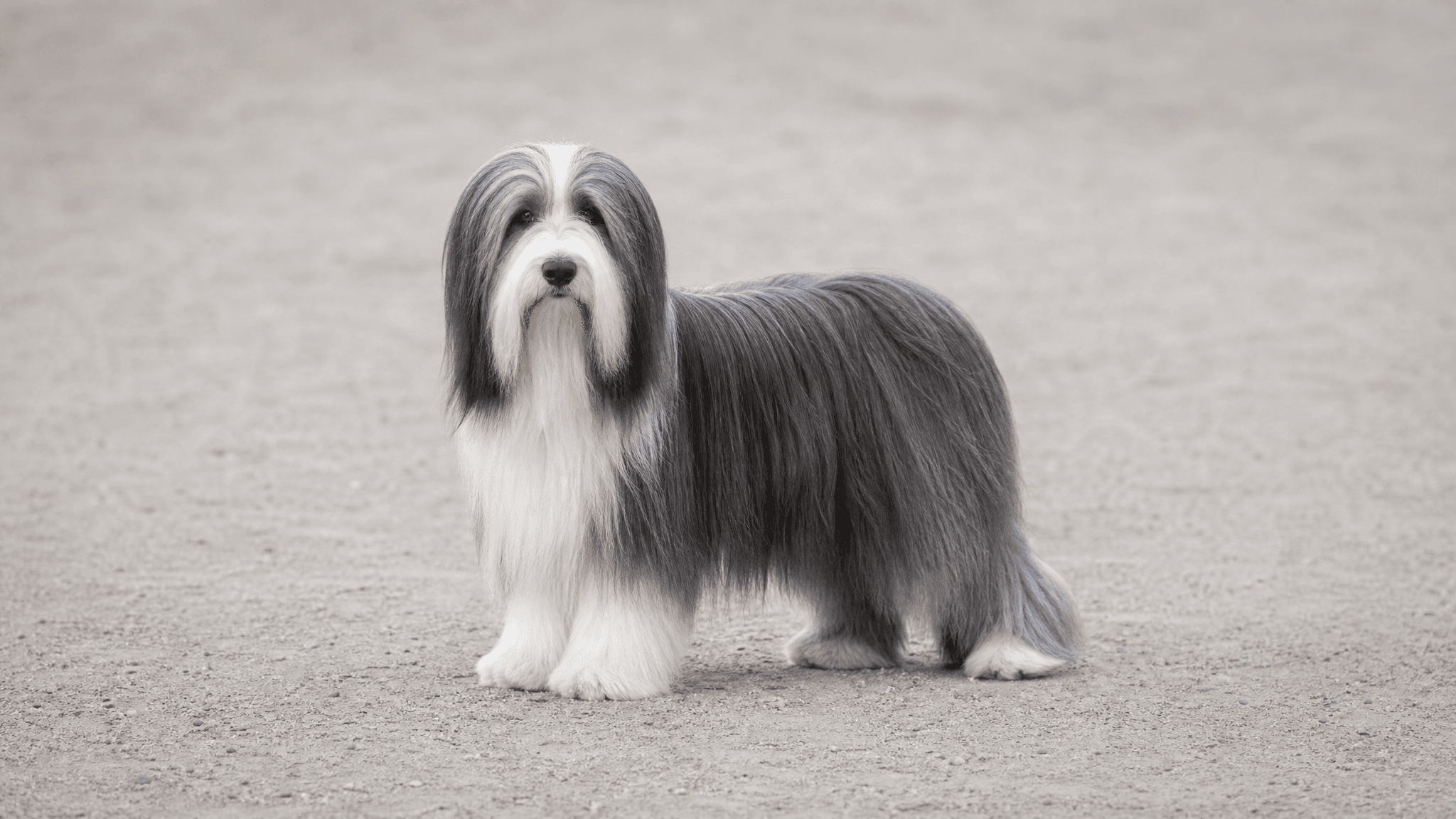
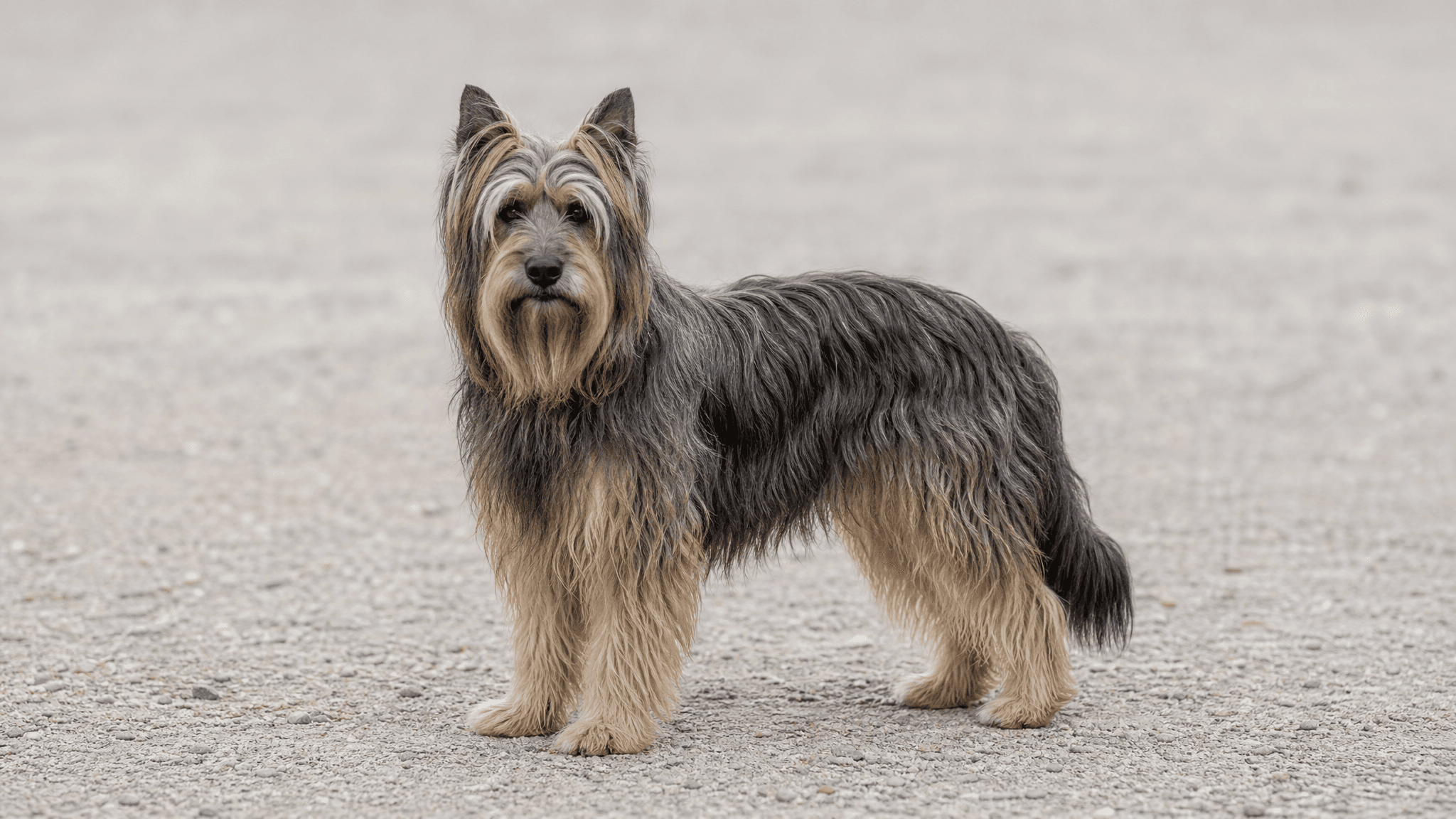
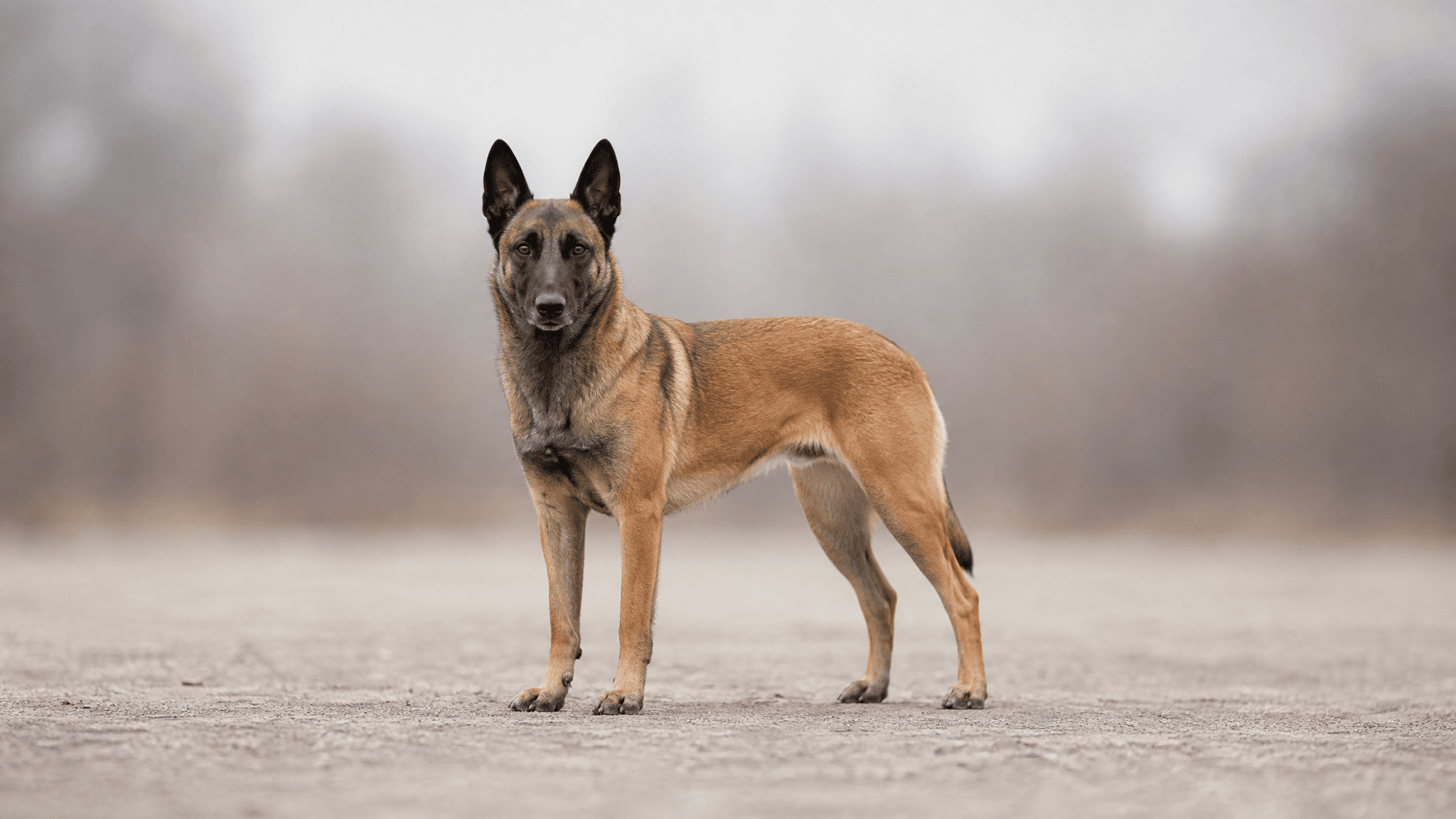
The Belgian Shepherd is one of the most versatile and talented shepherd breeds in the world, existing in four distinct varieties recognized by the FCI: Groenendael (long black coat), Tervueren (long fawn coat), Malinois (short fawn coat) and Laekenois (rough fawn coat). Originating from Belgium in the late 19th century, the breed was systematically developed as a herding, guarding and service dog. Today, the Malinois in particular is widely used by police and military forces around the world.
Physical Characteristics
- Size
- Medium
- Height (male)
- 60–66 cm
- Height (female)
- 56–62 cm
- Weight (male)
- 25–30 kg
- Weight (female)
- 20–25 kg
- Life Expectancy
- 12–14 years
- Coat
- Varies by variety — long and straight (Groenendael/Tervueren), short and dense (Malinois), rough and harsh (Laekenois)
- Common Colors
- Solid black (Groenendael), fawn with black mask (Tervueren/Malinois/Laekenois)
Temperament & Personality
The Belgian Shepherd is an extremely active, intelligent and always alert dog, with seemingly inexhaustible energy. It is deeply loyal to its owner and family, forming intense bonds, but can be reserved or distrustful with strangers. It has a strong need for work and mental stimulation; without it, it can become destructive or develop compulsive behaviors. Its brilliant intelligence and willingness to work make it one of the most trainable breeds in the world.
Activity & Exercise
- Energy Level
- Very high
- Suitable for Apartment
- Not recommended
Grooming & Care
- Grooming Needs
- Moderate to high
- Shedding
- Moderate to heavy
Health
- Common Health Issues
- Drug sensitivity (MDR1)
- Epilepsy
- Eye problems
- Hip and elbow dysplasia
- Recommended Health Tests
- Epilepsy test
- Eye examination
- X-ray for hip/elbow dysplasia
Compatibility
- With Children
- Good
- With Other Dogs
- Moderate
- With Cats
- Can be difficult
- For First-Time Owners
- Not recommended
Is a Belgian Shepherd Dog right for you?
A Belgian Shepherd Dog may suit you if:
- You can provide consistent, vigorous daily exercise and engaging mental challenges to satisfy their very high energy.
- You enjoy an active lifestyle that includes training for dog sports like agility, obedience, or protection work.
- You appreciate a deeply loyal and intelligent companion who forms intense bonds and is always alert to its surroundings.
- You are prepared to commit to consistent, positive reinforcement training from puppyhood through adulthood.
- You are willing to commit to regular grooming to manage their moderate to heavy shedding and maintain their coat.
- You are ready to manage their natural wariness of strangers and channel their protective instincts appropriately.
Think twice if:
- You expect a dog that is inherently easy to manage without significant training and socialization effort.
- You have a demanding schedule that requires leaving a dog alone for long periods each day.
- You have cats or small pets that might not cope well with a dog with strong herding instincts.
- You are unwilling to dedicate substantial time daily to exercise, training, and regular grooming.
- You live in an apartment or do not have a securely fenced yard for them to safely exercise.
- You are not prepared for the consistent guidance and firm, fair handling an intelligent, high-energy adolescent dog requires.
Living with a Belgian Shepherd Dog is a rewarding journey for the right person. They offer unparalleled loyalty and intelligence, but demand an equally strong commitment to their physical and mental well-being. Their intense bond and drive mean they thrive when truly integrated into an active family life, becoming a devoted, albeit demanding, companion for 12 to 14 years.
Training a Belgian Shepherd Dog
Your Belgian Shepherd is a brilliant, highly intelligent companion, eager to learn and form an intense bond with you. They thrive on positive reinforcement, clear communication, and engaging training sessions. Keep sessions short, fun, and frequent to match their very high energy and focus. They are motivated by praise, play, and high-value treats. Inconsistent handling, lack of mental stimulation, or harsh methods can quickly lead to frustration, destructive behaviors, or compulsive habits in this sensitive and alert breed. Remember, they need a job to do!
Begin with:
- Attention and response to name around distractions
- Recall on a long line
- Loose-leash walking
- Leave it and drop it
- Calm greetings without jumping
- Settling on a mat or bed
- Cooperative handling for grooming, ears, feet and teeth
Herding instincts and focus
Your Belgian Shepherd possesses a strong herding drive and an alert nature, meaning they can become intensely focused on movement – be it a squirrel, a cyclist, or even children playing. This natural instinct, while a hallmark of their breed, can easily derail training if not properly managed. It's crucial to channel this energy constructively.
Practice impulse control exercises from an early age, teaching them to "look" at you rather than the distraction. Use high-value rewards to reinforce desired behaviors in increasingly distracting environments. Engage them in activities that satisfy their need to work, such as fetch, agility, or scent work, to provide an appropriate outlet for their focus and drive.
Leash pulling and reactivity
Given their medium size (up to 30kg for males) and very high energy, a Belgian Shepherd pulling on the leash can be a significant challenge. Their innate alertness and tendency to be reserved or distrustful with strangers can also lead to reactivity on walks if not addressed early. Consistent, positive reinforcement is key to teaching polite leash manners.
Start loose-leash walking training in a quiet environment, gradually introducing distractions. Reward every moment your dog walks calmly beside you. If your dog is prone to pulling, consider using a front-clip harness to give you more control without causing discomfort. For more detailed guidance, check out this guide on stopping leash pulling.
Boredom and destruction
A Belgian Shepherd with insufficient physical exercise or mental stimulation is a recipe for trouble. Their "inexhaustible energy" and "strong need for work" mean that without appropriate outlets, they can quickly become destructive, develop compulsive behaviors, or even show signs of stress. This breed is not recommended for apartment living precisely because of these needs.
Ensure your dog receives ample daily exercise beyond just a walk; think vigorous play, running, or dog sports. Crucially, provide plenty of mental enrichment through puzzle toys, training sessions, and interactive games. If you notice signs of stress when left alone, such as excessive barking or chewing, our guide on separation stress can offer helpful insights.
Belgian Shepherd Dog — Frequently Asked Questions
What are the four varieties of the Belgian Shepherd Dog?
The Belgian Shepherd Dog (Chien de Berger Belge) comes in four varieties, distinguished primarily by coat type and colour: Groenendael (long-haired, black), Tervuren (long-haired, fawn/mahogany with black overlay), Malinois (short-haired, fawn with black mask), and Laekenois (rough/wire-haired, fawn). All four share the same working breed temperament and physical structure. In many countries they are registered as one breed with four varieties; in the USA and some others, they are recognised as separate breeds. The Malinois has become the most globally prominent due to its use in police and military work.
Is the Belgian Shepherd Dog a good family pet?
Belgian Shepherd Dogs can be exceptional family companions — but they are a high-drive, highly intelligent working breed that is absolutely not for everyone. In the right hands — with experienced owners who commit to daily exercise, mental stimulation, and consistent training — they are loyal, affectionate, and deeply bonded to their family. They are generally good with children in the family when raised with them. Their high energy, intense personality, and strong protective instincts mean they are unsuitable for sedentary households, first-time owners, or environments without clear structure and adequate exercise.
How much exercise does a Belgian Shepherd Dog need?
Belgian Shepherd Dogs need 2+ hours of vigorous exercise daily — and mental stimulation that matches their physical needs. They were bred as tireless working dogs capable of running for hours while herding or working alongside police and military. Walking alone is not sufficient. They thrive on running, agility, schutzhund/IPO, herding, tracking, obedience, and any structured activity that challenges both body and mind. A Belgian that is under-exercised or under-stimulated becomes restless, anxious, and destructive in ways that can be challenging to manage. They are best suited to active owners with space and a structured lifestyle.
Are Belgian Shepherd Dogs easy to train?
Belgian Shepherd Dogs are among the most trainable dogs in the world — highly intelligent, eager to work, and extraordinarily responsive to skilled training. They are used in some of the most demanding working roles: police, military, search and rescue, guide dogs, and top-level dog sport. They learn at exceptional speed and thrive with complex, challenging training tasks. However, this intelligence cuts both ways — they learn bad habits just as fast as good ones, and they need experienced, skilled guidance to channel their drive productively. They are too much dog for inexperienced owners without professional support.
What are the health concerns for Belgian Shepherd Dogs?
Belgian Shepherd Dogs are generally hardy and healthy, but have some documented conditions. Hip and elbow dysplasia are the primary orthopaedic concerns — OFA or BVA screening of parents is recommended. Progressive Retinal Atrophy (PRA) can cause vision loss — DNA testing is available for some types. Epilepsy occurs in the breed. Sensitivity to anaesthesia (particularly in the Malinois and thinner-coated varieties) has been noted. Bloat (GDV) is a risk in deeper-chested individuals. Allergies and skin conditions affect some individuals. Annual vet monitoring and reputable health-screened breeders reduce risk.
How long do Belgian Shepherd Dogs live?
Belgian Shepherd Dogs have an average lifespan of 12–14 years — good for their size. Their active, working-dog constitution supports strong longevity when properly cared for. Key factors include daily vigorous exercise (a well-exercised Belgian stays leaner, healthier, and mentally calmer), annual orthopaedic and health monitoring, eye health checks (PRA screening), maintaining a lean body weight, dental care, and sourcing from health-screened lines. Active Belgians kept in working roles or with very active owners commonly remain vigorous and healthy into their early teens.
Are Belgian Shepherd Dogs good guard dogs?
Belgian Shepherd Dogs are outstanding natural protection dogs — this is one of the roles they were explicitly bred for. They are alert, observant, and highly territorial. The Malinois in particular has become the preferred breed for police and military K9 units worldwide due to its combination of drive, trainability, athleticism, and protective courage. All varieties make highly effective guard dogs in the right hands. However, their protection instincts must be channelled through proper training — an improperly managed Belgian with strong protection drives can become a liability. Professional training is strongly recommended if using them in a protection role.
Is the Belgian Shepherd Dog suitable for first-time dog owners?
No — the Belgian Shepherd Dog is not recommended for first-time owners. Their exceptional intelligence, high drive, and intense working dog temperament require experienced handling that understands how to provide structured exercise, mental stimulation, and consistent, skilled training. An inexperienced owner who underestimates the Belgian's needs will quickly find themselves with a dog that is reactive, anxious, destructive, or poorly behaved. Those serious about getting a Belgian should attend obedience classes, ideally with a working dog trainer, and thoroughly research the commitment required before bringing one home.
Community
Talk to real Belgian Shepherd Dog owners
This guide covers the breed on paper. In the app, the Belgian Shepherd Dog community covers it in real life: photos from other owners, questions answered by people who live with the breed, and a directory of dogs you can browse.
- Photos & pollsSee what Belgian Shepherd Dog owners are sharing today.
- Questions & answersAsk anything and hear from people who own one.
- Dog directoryBrowse Belgian Shepherd Dogs from around the world.
You join automatically when you add a Belgian Shepherd Dog to your profile.