Serbian Hound
Summary
The Serbian Hound (Srpski Gonič), formerly known as the Balkan Scenthound, is a robust working breed from the Balkans with a history spanning several centuries of hunting in the Serbian forests. Recognized by the FCI as an independent breed in 1996 (formerly called Balkan Scenthound), it is a versatile hunting dog used for hare, fox, and deer.
Physical Characteristics
- Size
- Medium
- Height (male)
- 46–56 cm
- Height (female)
- 44–54 cm
- Weight (male)
- 20–25 kg
- Weight (female)
- 18–22 kg
- Life Expectancy
- 12–14 years
- Coat
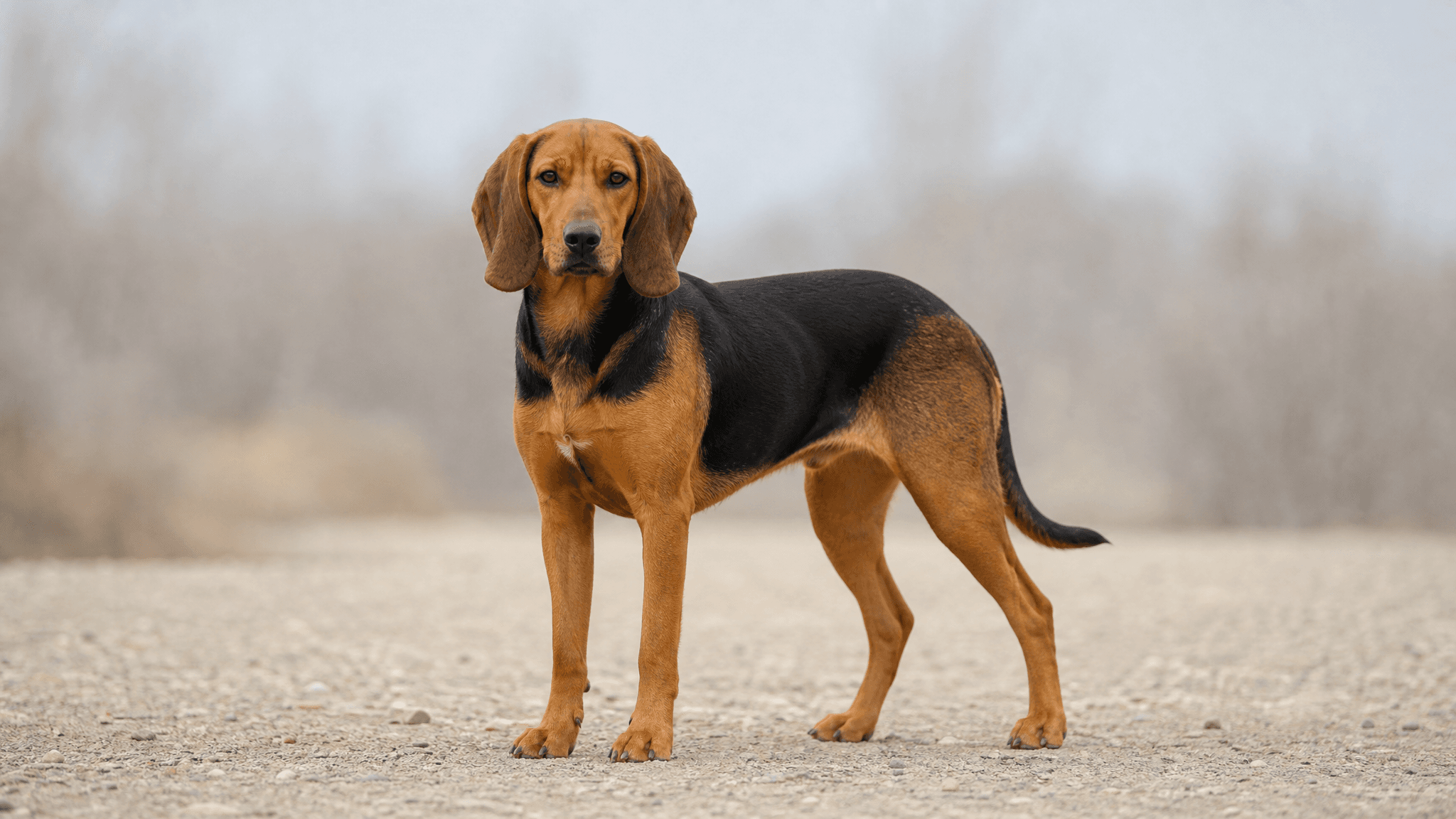
- Short, thick, glossy, and very close-fitting
- Common Colors
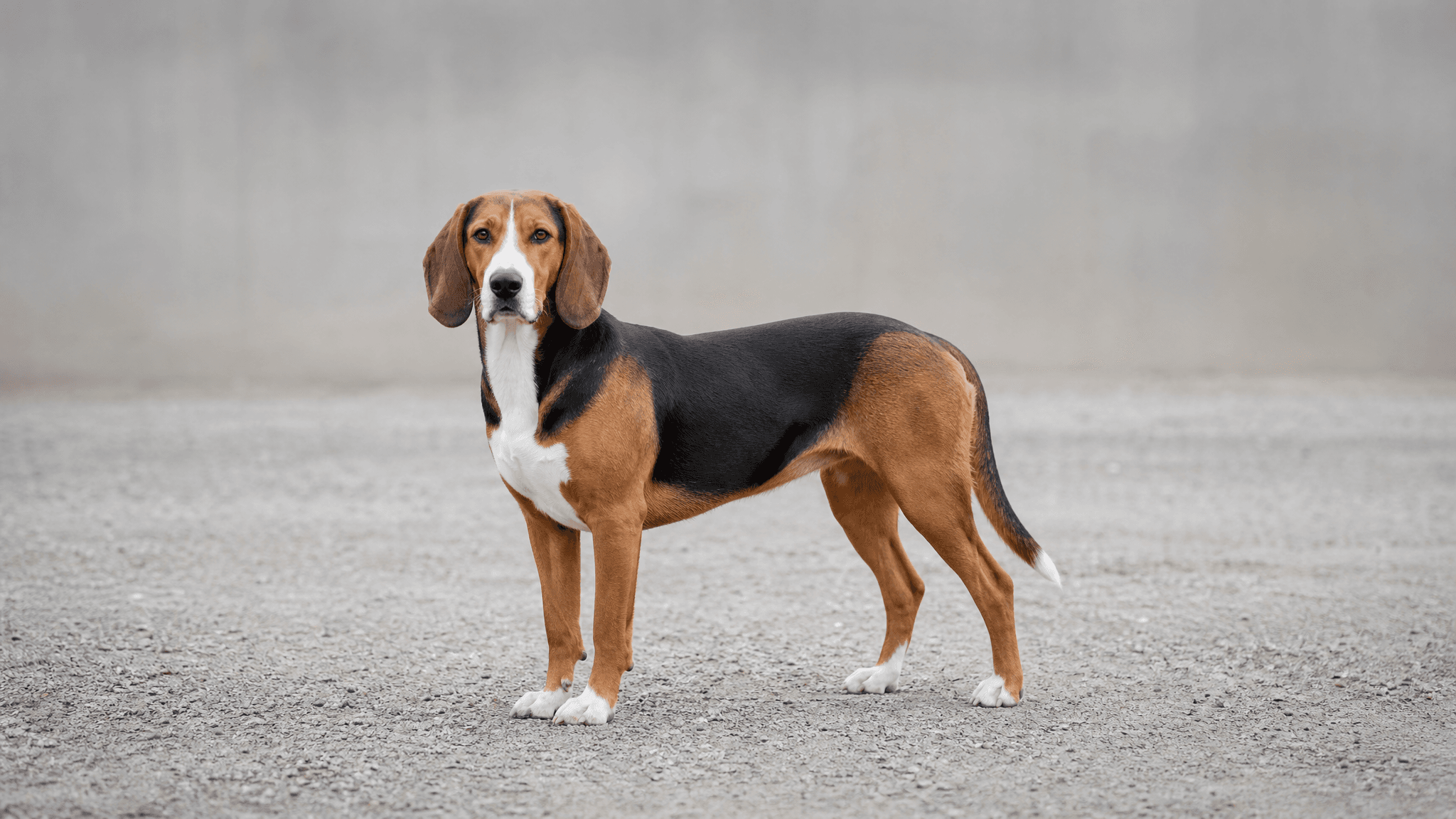
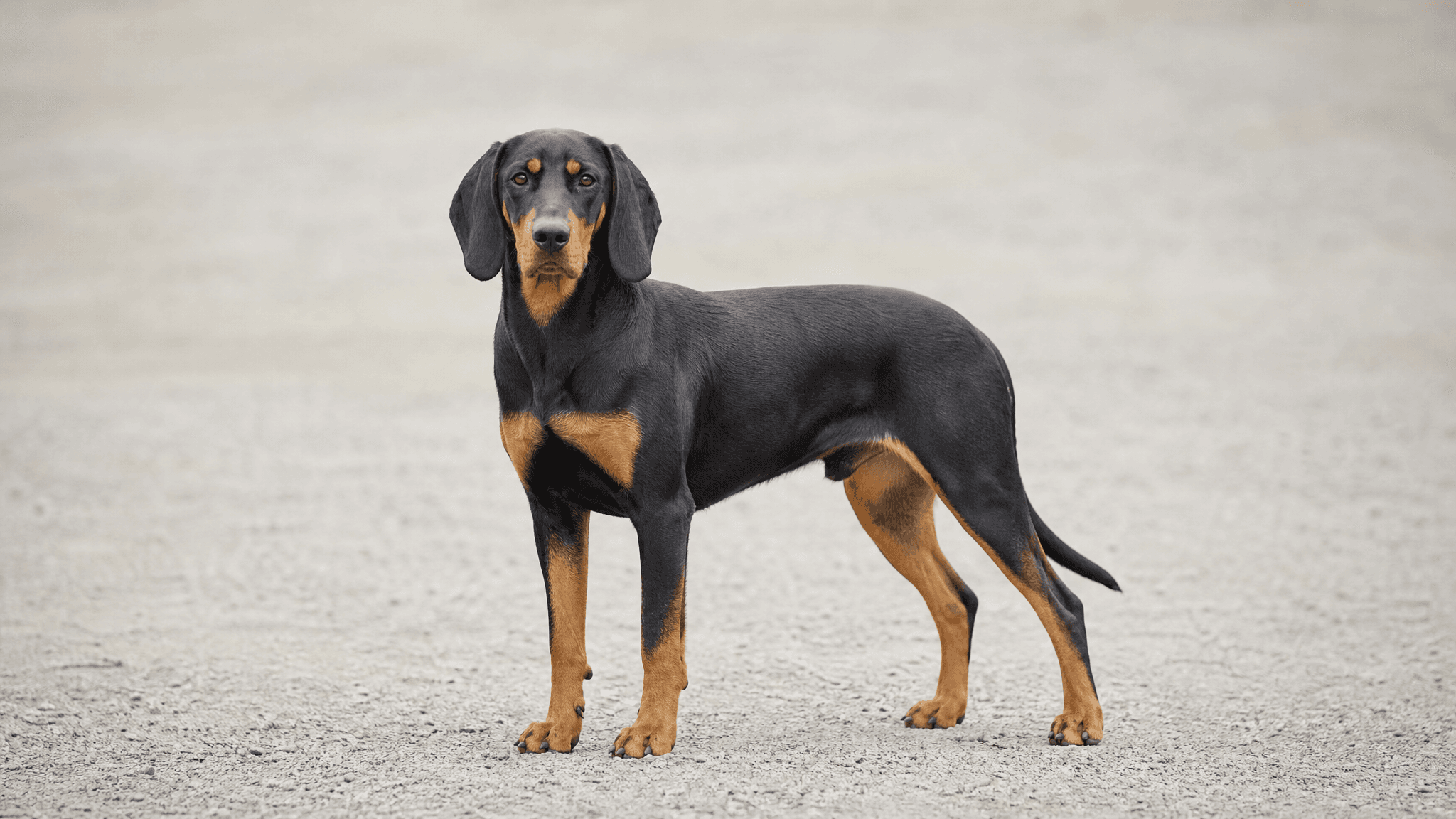
- Reddish-fawn with black mantle or saddle; a small white patch on the chest is permitted
Temperament & Personality
The Serbian Hound is described as lively, kind, reliable, and self-confident. It is a dedicated hunting dog with an excellent nose and powerful voice, but outside of work it proves friendly and good-tempered. It is independent and can be stubborn, requiring an owner who assertively establishes leadership.
Activity & Exercise
- Energy Level
- High
- Recommended Daily Exercise
- 90 minutes
- Suitable for Apartment
- Not recommended
Grooming & Care
- Grooming Needs
- Low
- Shedding
- Moderate
- Bathing Frequency
- Every 4 weeks
Health
- Common Health Issues
- Generally a healthy breed
- Hip dysplasia
- Otitis
- Recommended Health Tests
- Orthopedic evaluation
Compatibility
- With Children
- Good
- With Other Dogs
- Excellent
- With Cats
- Can be difficult
- For First-Time Owners
- Not recommended
Is a Serbian Hound right for you?
A Serbian Hound may suit you if:
- You can commit to at least 90 minutes of vigorous daily activity, including scent work or long, engaging walks.
- You enjoy outdoor adventures like hiking, tracking, or participating in dog sports that challenge a keen mind and nose.
- You appreciate a dog with a self-assured, lively personality who is friendly and good-tempered with their family.
- You are prepared to invest in consistent, firm, and positive training to guide an intelligent, independent spirit.
- You are comfortable with moderate shedding and minimal grooming, requiring only occasional brushing and bathing every four weeks.
- You are willing to manage a powerful voice and a strong scent drive that will lead them to follow interesting smells.
Think twice if:
- You expect instant, unwavering obedience from a dog, as their independent nature means they often follow their nose first.
- You have a busy schedule that leaves a dog alone for long periods, as this active breed thrives on companionship and engagement.
- You live with cats or other small, non-canine pets that might be seen as prey by a dog with a strong hunting instinct.
- You are looking for a low-energy companion who is content with short walks, as this breed needs significant daily activity.
- You do not have a securely fenced yard or access to safe, expansive outdoor spaces for daily exploration.
- You are a first-time dog owner seeking a very easy-to-manage breed, as their assertiveness requires experienced guidance.
The Serbian Hound is a truly rewarding companion for the right person. Their lively spirit, loyalty, and affectionate nature shine brightly when their need for vigorous activity and mental stimulation is met. However, their independent streak and powerful scent drive demand a confident, consistent owner who understands their heritage. It's a partnership built on respect, activity, and clear leadership.
Training a Serbian Hound
Training a Serbian Hound is a rewarding journey that thrives on consistency, clear communication, and positive reinforcement. These lively and self-confident dogs, with their keen intelligence and powerful scent drive, respond wonderfully to engaging sessions that tap into their natural instincts. Keep training sessions short, fun, and frequent to maintain their focus and enthusiasm. Because they are independent and can be stubborn, a handler who provides assertive yet kind leadership is essential. Without clear guidance and a consistent routine, a Serbian Hound may choose to follow its nose rather than your cues, leading to challenges in responsiveness and control.
Begin with:
- Attention to name with distractions
- Recall on a long line
- Loose-leash walking
- Leave it and drop it
- Calm greetings without jumping
- Settling on a mat
- Cooperative handling for grooming
- Waiting at doors and gates
Scent Drive and Recall
The Serbian Hound's most defining trait is its incredible nose and powerful prey drive, developed over centuries of hunting. Once they catch a scent, their focus can become singular, making recall incredibly challenging. It's vital to start recall training early and consistently, always using high-value rewards to make coming back to you the most rewarding option. Practice in various environments, gradually introducing distractions, and always begin with your dog on a long line in open, safe areas. For detailed guidance, check out our guide on teaching recall.
Even with excellent recall, always be mindful of their hunting instincts. In areas with abundant wildlife, keeping your Serbian Hound on a leash is not just responsible, it's essential for their safety and to prevent them from getting lost following a scent trail. Their independence means they won't easily give up a chase.
Leash Pulling
With their medium size, high energy, and strong desire to explore the world through their nose, Serbian Hounds can become powerful pullers on the leash. This isn't out of malice, but pure enthusiasm and instinct! Start loose-leash training from puppyhood, making it a positive and consistent part of every walk. Reward your hound for walking calmly by your side, and change direction frequently if they start to pull, teaching them that tension on the leash doesn't get them where they want to go. A front-clip harness can be a helpful tool for managing pulling while you train.
Remember, a Serbian Hound needs a good 90 minutes of exercise daily, so walks are crucial. Make sure their walks are fulfilling but also structured. For more tips on enjoyable strolls, see our dog walking advice or this guide for puppies.
Boredom and Barking
Serbian Hounds are high-energy dogs that require a significant outlet for their physical and mental capabilities. If they don't receive their recommended 90 minutes of daily exercise and sufficient mental stimulation, boredom can quickly set in. This often manifests as destructive chewing, digging, or persistent barking – their powerful voice is not just for hunting! Ensuring they have plenty of opportunities to run, play, and engage in scent work will help keep them happy and well-behaved indoors. They are not recommended for apartment living precisely because they need space and activity.
Being independent, they can tolerate some alone time, but prolonged isolation combined with under-stimulation can lead to distress and unwanted behaviors. Provide interactive toys, rotate their enrichment, and consider puzzle feeders to keep their bright minds engaged when you can't be actively training or playing. Understanding signs of stress can also be helpful.
Serbian Hound — Frequently Asked Questions
What is the Srpski Gonic (Serbian Hound)?
The Srpski Gonic, affectionately known as the Serbian Hound, is a truly robust and spirited medium-sized hound hailing from the beautiful landscapes of Serbia in the Balkans. Recognized by the FCI in Group 6 (Medium-sized Hounds), this breed boasts a rich history spanning centuries as a dedicated working dog. They are wonderfully lively, kind, reliable, and self-confident companions, renowned for their exceptional nose and powerful voice. Originally known as the Balkan Scenthound, they were officially recognized as an independent breed in 1996, embodying the spirit of their native forests.
What was the Srpski Gonic (Serbian Hound) originally bred for?
The Srpski Gonic was originally bred for a very specific and demanding purpose: hunting in the dense Serbian forests, a role they have excelled at for centuries. These dogs are true working marvels, developed to be versatile hunting companions. Their keen senses and unwavering determination made them indispensable for tracking and flushing out game such as hare, fox, and even deer. They are dedicated hunting dogs through and through, with an instinctual drive and an impressive ability to navigate challenging terrains while pursuing their quarry.
How much exercise does a Srpski Gonic (Serbian Hound) need?
Being a high-energy working breed, the Srpski Gonic truly thrives on regular and engaging exercise! To keep your Serbian Hound happy and healthy, they need a good 90 minutes of activity every single day. This isn't just about physical exertion; it's also about mental stimulation. Think long, brisk walks, invigorating runs, or exciting games of fetch in a secure area. Their excellent nose means they adore scent-work and exploring, so incorporating activities that engage their natural instincts will be incredibly rewarding for both of you.
Is the Srpski Gonic (Serbian Hound) a good family dog?
Absolutely! Outside of their dedicated hunting work, the Srpski Gonic is known to be a friendly and good-tempered companion, making them wonderful additions to active families. They are lively, kind, and reliable, often forming strong bonds with their human pack. However, their independent and sometimes stubborn nature means they require an owner who can assert leadership kindly but firmly. With proper socialization from a young age, they can get along well with children and other pets, especially if raised together. Their high energy means they'll love being part of family adventures!
Is the Srpski Gonic (Serbian Hound) easy to train?
The Srpski Gonic is an intelligent and self-confident breed, but their independent spirit means training requires consistency and a firm yet gentle hand. They can be a bit stubborn at times, so establishing yourself as the assertive leader from day one is key. Positive reinforcement methods work best, rewarding their good behavior and making training a fun, engaging experience. Early socialization and consistent obedience training are crucial to harness their natural intelligence and ensure they grow into well-behaved, reliable companions. Patience and understanding will go a long way!
What health issues are common in the Srpski Gonic (Serbian Hound)?
The Srpski Gonic is generally considered a robust and healthy breed, a testament to their working heritage. However, like all breeds, there are a few health considerations to be aware of. Documented health concerns for the Serbian Hound include hip dysplasia, a condition affecting the hip joints, and otitis, which refers to inflammation or infection of the ear. Regular veterinary check-ups, a balanced diet, and appropriate exercise can help maintain their overall well-being and catch any potential issues early, ensuring your furry friend stays happy and healthy for years to come.
What is the Srpski Gonic (Serbian Hound)'s coat like and how much grooming does it need?
The Srpski Gonic sports a practical and resilient coat, perfectly suited for its active life in the outdoors. Their coat is typically short, dense, and quite weather-resistant, offering good protection against the elements. This type of coat is wonderfully low-maintenance, which is great news for busy families! A weekly brush to remove loose hairs and keep their skin healthy is usually all that's needed. Occasional baths, especially after outdoor adventures, will keep them smelling fresh, making grooming a simple and bonding experience for you and your Serbian Hound.
What is the typical lifespan of a Srpski Gonic (Serbian Hound)?
You'll be delighted to know that the robust and healthy Srpski Gonic typically enjoys a wonderful lifespan of 12 to 14 years! This impressive longevity is a testament to their strong genetic makeup and hardy nature as a working breed. Providing them with a loving home, a high-quality diet, plenty of exercise, and regular veterinary care will help ensure your Serbian Hound lives a full, happy, and healthy life by your side, bringing joy and companionship for many years.
Community
Talk to real Serbian Hound owners
This guide covers the breed on paper. In the app, the Serbian Hound community covers it in real life: photos from other owners, questions answered by people who live with the breed, and a directory of dogs you can browse.
- Photos & pollsSee what Serbian Hound owners are sharing today.
- Questions & answersAsk anything and hear from people who own one.
- Dog directoryBrowse Serbian Hounds from around the world.
You join automatically when you add a Serbian Hound to your profile.