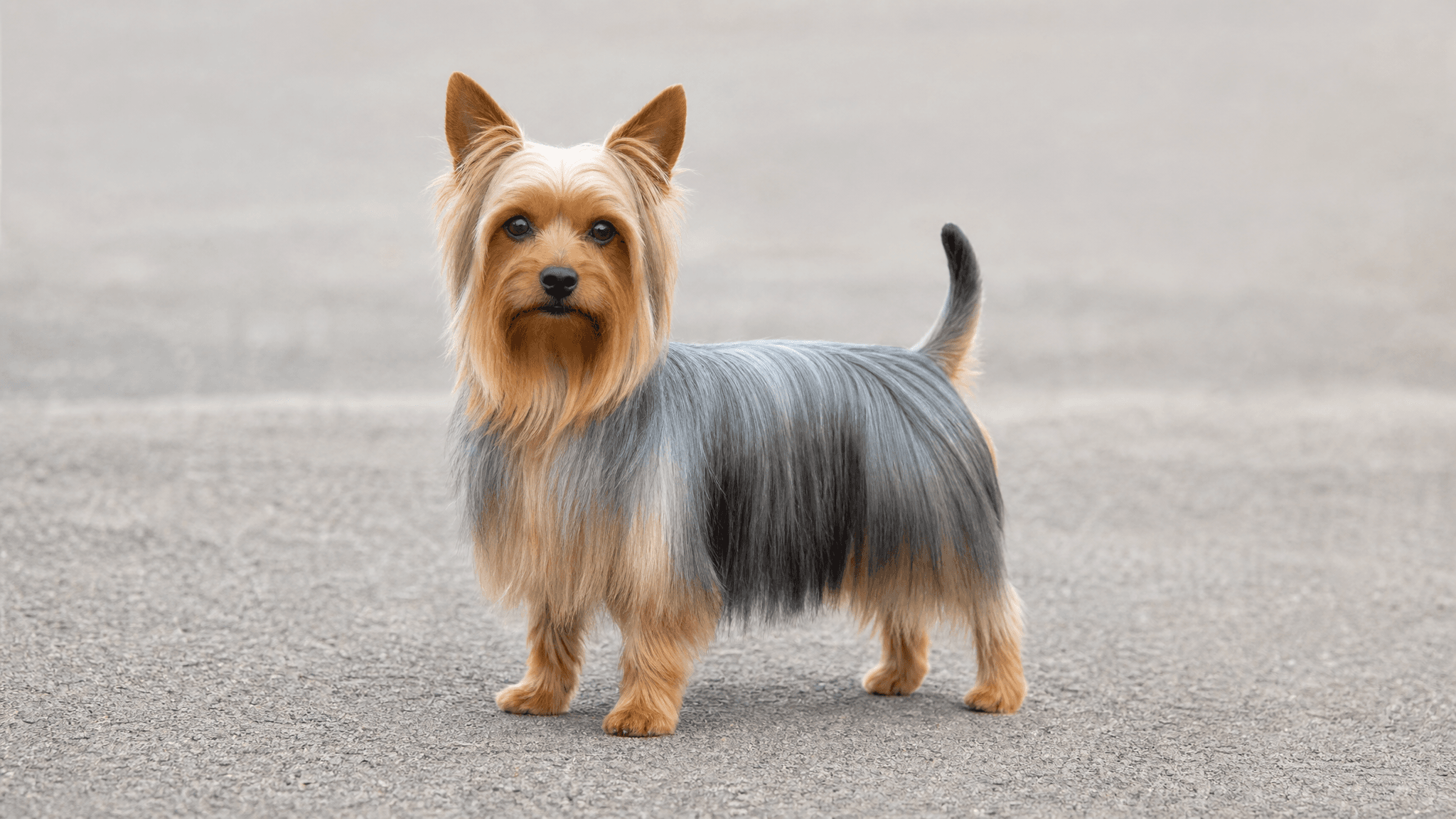
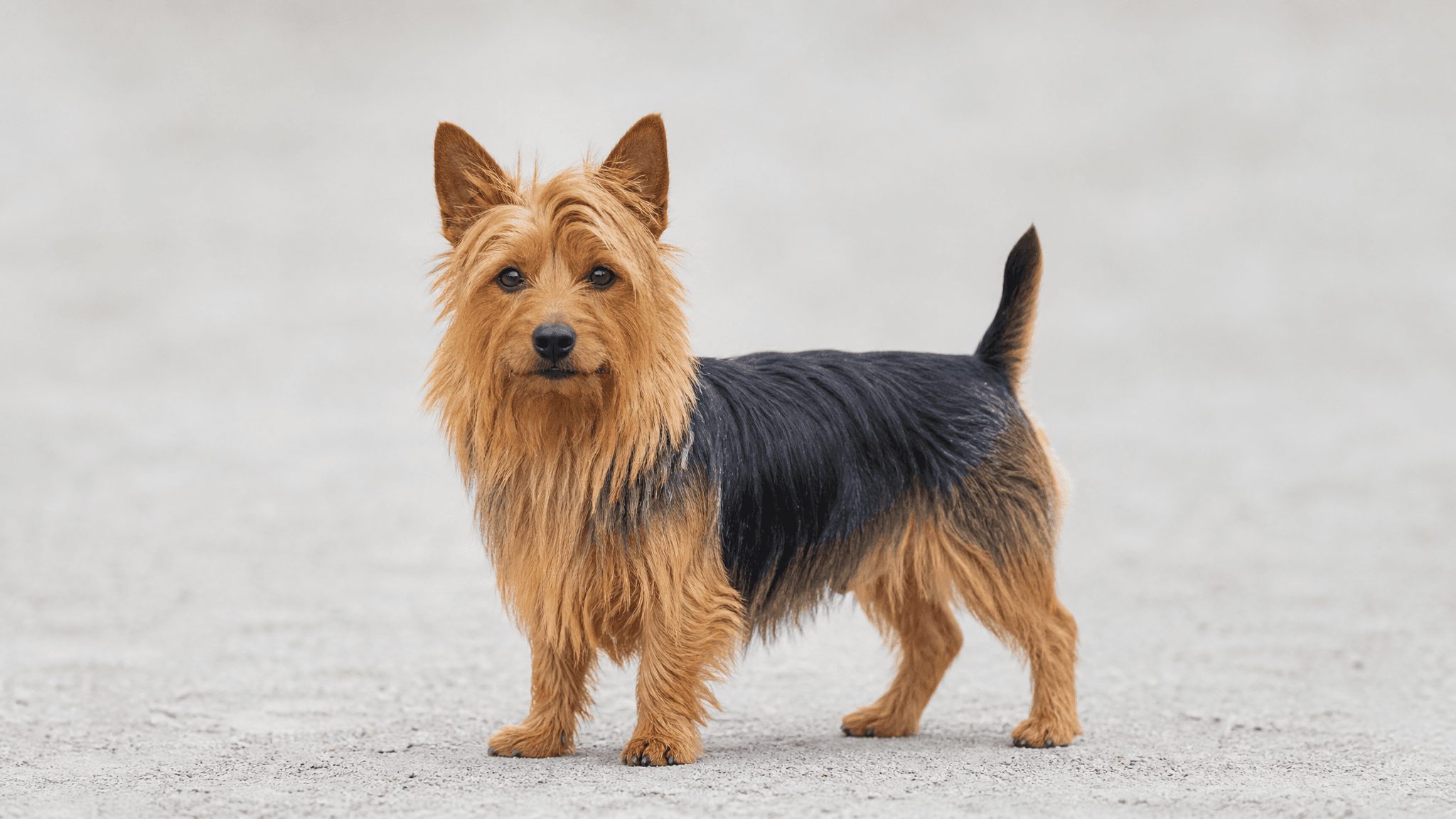
Russell Terrier
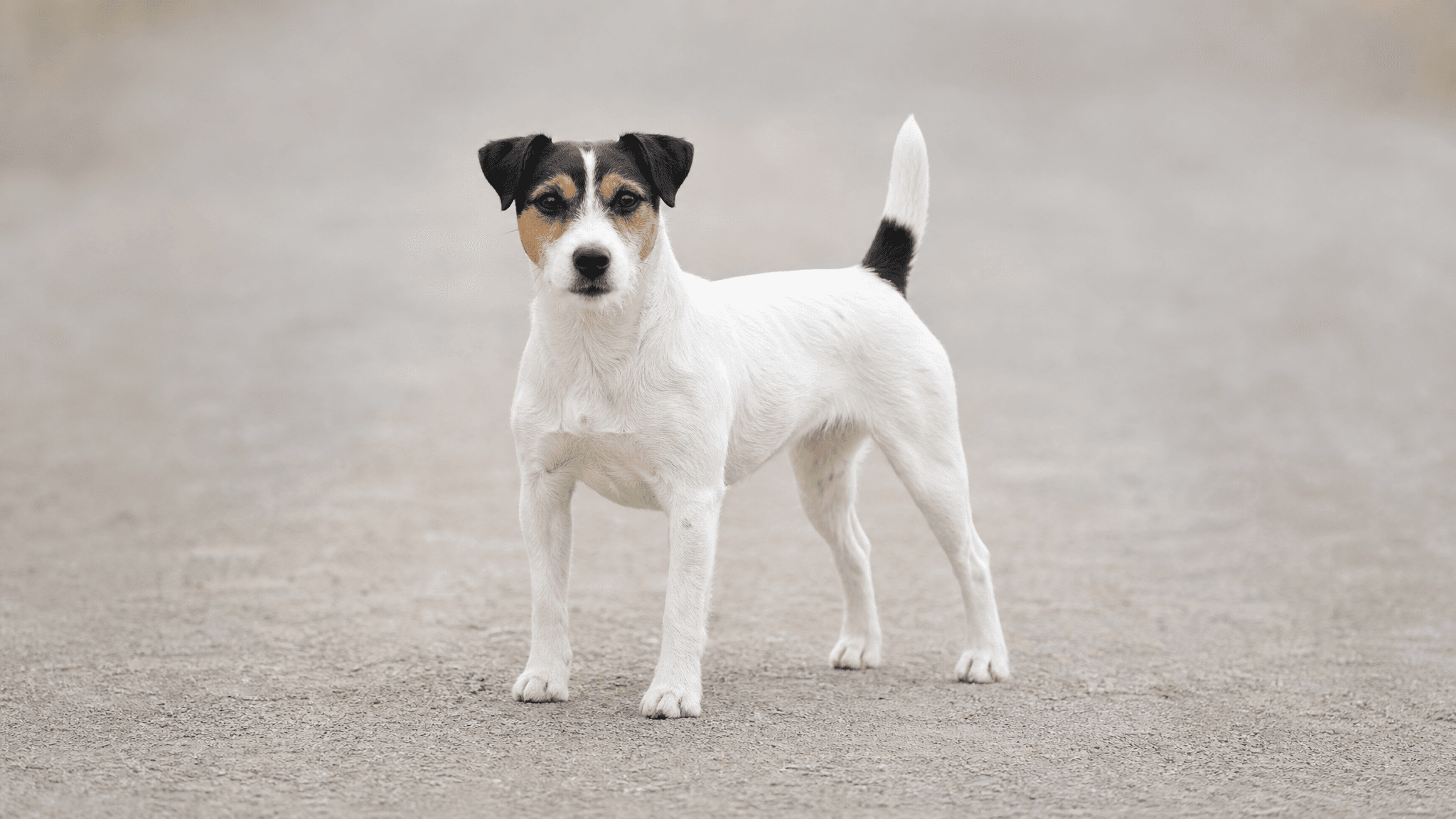
Summary
The Russell Terrier is a short-legged working terrier developed from the John Russell fox-terrier family and refined in Australia. It is closely related to, but distinct from, the taller Parson Russell Terrier and the FCI Jack Russell Terrier lineage.
Physical Characteristics
- Size
- Small
- Height (male)
- 25–30.5 cm
- Height (female)
- 25–30.5 cm
- Weight (male)
- 4–7 kg
- Weight (female)
- 4–7 kg
- Life Expectancy
- 12–14 years
- Coat
- Smooth, broken, or rough weather-resistant terrier coat
- Common Colors
- Predominantly white with black, tan, or black-and-tan markings
Temperament & Personality
The Russell Terrier is lively, alert, confident, intelligent, and strongly prey-driven. It is small but very active and needs training, play, and safe outlets for terrier behavior.
Activity & Exercise
- Energy Level
- High
- Recommended Daily Exercise
- 60–90 minutes
- Suitable for Apartment
- Yes with exercise
Grooming & Care
- Grooming Needs
- Low to moderate
- Shedding
- Moderate
- Bathing Frequency
- Every 6–8 weeks
Health
- Common Health Issues
- Deafness
- Eye disorders
- Legg-Calve-Perthes disease
- Patellar luxation
- Recommended Health Tests
- Eye examination
- Hearing test
- Hip evaluation
- Patella evaluation
Compatibility
- With Children
- Good
- With Other Dogs
- Moderate
- With Cats
- Can be difficult
- For First-Time Owners
- Acceptable
Is a Russell Terrier right for you?
A Russell Terrier may suit you if:
- You are prepared to provide 60 to 90 minutes of vigorous daily exercise and engaging mental games.
- You enjoy outdoor adventures like hiking or earthdog trials where their natural instincts can shine.
- You appreciate a confident, intelligent companion with a lively spirit and a keen sense of curiosity.
- You are committed to consistent, positive training to channel their intelligence and strong will.
- You are comfortable with moderate grooming needs, including regular brushing to manage shedding.
- You are willing to manage their strong prey drive and provide appropriate outlets for their digging and chasing instincts.
Think twice if:
- You expect instant, unwavering obedience from a breed known for its independent terrier spirit.
- You frequently leave a dog alone for long periods, as these social dogs thrive on companionship and activity.
- You have cats or other small pets that might become targets for their strong prey drive.
- You are unable to commit to at least 60 minutes of vigorous exercise daily for a high-energy dog.
- You lack a securely fenced yard or are unwilling to diligently supervise their outdoor explorations.
- You are not prepared for the consistent guidance and firm, fair handling needed during their spirited adolescence.
The Russell Terrier is a delightful, compact companion, brimming with personality and zest for life. While their spirited nature and keen intelligence make them incredibly engaging, they are true terriers at heart, requiring dedicated owners who appreciate their independence and are ready to channel their energy and instincts positively. With the right guidance, they offer years of loyal, lively companionship.
Training a Russell Terrier
Russell Terriers are bright, confident little dogs who thrive on engaging, positive reinforcement training. Their high intelligence and strong prey drive mean they learn quickly, especially when sessions are kept short, fun, and varied, using high-value treats or favorite toys. Inconsistent training or harsh methods will quickly lead to a bored, frustrated, or stubborn terrier who invents their own (often undesirable) games. Always aim for clear communication and make training a rewarding partnership, understanding their lively and alert nature.
Begin with:
- Attention to name around distractions
- Recall on a long line
- Loose-leash walking
- Leave it and drop it
- Calm greetings without jumping
- Settle on a mat or bed
- Cooperative handling for grooming, ears, feet and teeth
- Wait at doors and gates
Prey Drive and Recall
Russell Terriers have a very strong prey drive, which means a squirrel or a rustle in the bushes can easily override their training. This is especially true for recall. Start recall training in a quiet, enclosed space, gradually introducing distractions. Always use high-value rewards like tasty treats or a favorite squeaky toy when they return.
When you're out, keep your Russell on a long line in unfenced areas until their recall is rock-solid, as their instinct to chase is powerful. Practice reliable recall frequently, making it a fun game rather than a command. Remember, a successful recall keeps your lively little explorer safe.
Leash Pulling
Despite their small size (4-7 kg), Russell Terriers are energetic and determined, and they can pull surprisingly hard on the leash. This isn't just uncomfortable for you; it can be frustrating for them too. Begin by teaching them that a loose leash means good things happen, like treats or praise.
Use positive reinforcement to reward every step they take with a loose leash. If they pull, stop walking immediately until the leash slackens, then resume. Consistency is key here. Consider using a front-clip harness for better control without discomfort, and check out our guide on stopping leash pulling.
Destructive Boredom
A Russell Terrier needs plenty of mental and physical exercise to be a happy, well-behaved companion. With their high energy level and intelligence, if they don't get their recommended 60-90 minutes of daily exercise and sufficient mental stimulation, they can quickly become bored. This boredom often manifests as destructive chewing, digging, or excessive barking.
Provide puzzle toys, interactive games, and structured training sessions to keep their minds engaged. Rotate toys to keep things interesting. Regular, varied walks and opportunities for safe off-leash play are essential. This breed thrives on having a "job" to do, so channel their natural terrier instincts into appropriate activities to prevent unwanted behaviors.
Russell Terrier — Frequently Asked Questions
What is the difference between a Russell Terrier and a Jack Russell Terrier?
The Russell Terrier and Jack Russell Terrier are closely related but now recognised as two separate breeds. The Russell Terrier (also called the Short-legged Jack Russell) is shorter-legged, longer in the body relative to its height, and more compact — typically 25–30 cm at the shoulder. The Jack Russell Terrier is taller and more square in proportion — 25–38 cm. The Parson Russell Terrier is a third variant, taller and more square-built still. All three share the same bold, lively working terrier character and the same white base coat with colour patches.
Are Russell Terriers good family dogs?
Russell Terriers can be wonderful, lively family companions in the right household. They are affectionate, funny, and deeply loyal to their people. They tend to get on well with children who can match their energy and treat them with respect, though their boisterous, energetic nature means interactions with very young toddlers should be supervised. They are not fragile lap dogs — they are tough little working terriers who expect to be part of everything. Families with active lifestyles who love a big personality in a small package will find them exceptionally rewarding.
How much exercise does a Russell Terrier need?
Don't let their small size fool you — Russell Terriers need at least 60 minutes of vigorous daily exercise plus plenty of mental stimulation. They were bred to hunt foxes and run with hounds across rough countryside, and they retain that stamina. Running, fetch, agility, earth dog trials, and off-leash exploration in a secure area are all excellent. A bored or under-exercised Russell Terrier becomes destructive, vocal, and hard to manage. Their compact size makes them portable companions for active people, but they should never be treated as low-exercise dogs.
Are Russell Terriers easy to train?
Russell Terriers are very intelligent but notoriously independent. They were bred to make hunting decisions on their own underground, which means they are wired to think for themselves rather than defer to a human. They learn commands quickly but frequently decide whether or not to follow them based on what seems worthwhile at the moment. Positive, food-motivated training with short, varied sessions works best. Recall near scent trails or small animals is a genuine challenge requiring dedicated, consistent work. Early puppy classes and consistent boundaries from day one are strongly recommended.
Do Russell Terriers get along with other pets?
Russell Terriers have a very strong prey drive — they were bred to hunt and kill small animals. Cats, rabbits, guinea pigs, hamsters, and birds are at genuine risk, especially outdoors. Many Russell Terriers can coexist with cats they have been raised with from puppyhood through careful management, but this should never be taken for granted. With other dogs, they can be bold and provocative despite their size — they have no concept of being the small one. Early socialisation helps significantly, but their terrier confidence means dog parks and off-leash encounters with unfamiliar dogs require management.
What are the health concerns for Russell Terriers?
Russell Terriers are generally a healthy, robust breed, but have some documented issues. Patellar luxation (slipping kneecap) is common in smaller terrier breeds — grading by a vet is recommended. Primary Lens Luxation (PLL) — where the lens of the eye moves out of position — is a serious, potentially blinding condition that is DNA-testable; responsible breeders screen for it. Hereditary cataracts are also documented. Legg-Calvé-Perthes disease (hip joint degeneration) can affect some individuals. Regular vet check-ups and sourcing from health-tested parents significantly reduce risk.
How long do Russell Terriers live?
Russell Terriers have an excellent average lifespan of 13–16 years. Their robust, working-dog constitution and generally good health support impressive longevity. Key factors include adequate daily exercise (keeping them lean and mentally stimulated), a balanced diet, dental care (important for small breeds), annual vet check-ups including eye and joint monitoring, sourcing from parents tested for PLL and hereditary cataracts, and protecting them from injury. A well-cared-for Russell Terrier can be an incredibly lively, healthy companion well into their mid-teens.
What does a Russell Terrier look like?
The Russell Terrier is a compact, sturdy, short-legged little dog with a distinctive white base coat marked with tan, black, or tri-colour patches — usually on the head and base of tail. They have a flat, broad skull, strong jaw, small V-shaped drop ears, and an alert, lively dark eye. Their body is notably longer than tall, with a deep chest and sturdy, straight legs. They stand 20–30 cm at the shoulder and weigh 4–6 kg. Their coat can be smooth, broken (rough), or rough — all with the same weatherproof, dense texture designed for outdoor work.
Community
Talk to real Russell Terrier owners
This guide covers the breed on paper. In the app, the Russell Terrier community covers it in real life: photos from other owners, questions answered by people who live with the breed, and a directory of dogs you can browse.
- Photos & pollsSee what Russell Terrier owners are sharing today.
- Questions & answersAsk anything and hear from people who own one.
- Dog directoryBrowse Russell Terriers from around the world.
You join automatically when you add a Russell Terrier to your profile.