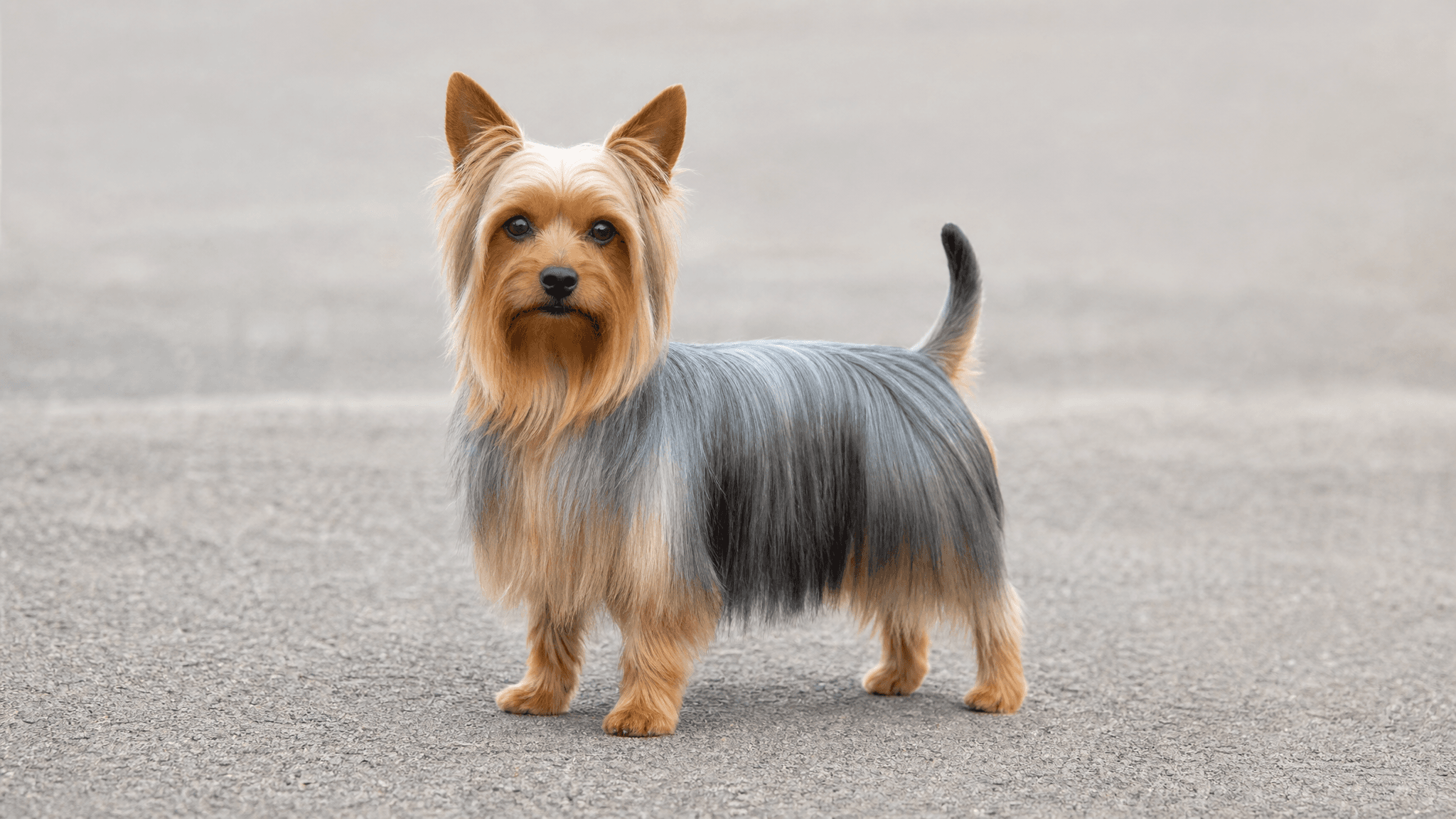
Australian Terrier
Summary
The Australian Terrier is one of the few terrier breeds developed outside the British Isles, and the first terrier to be recognized and shown in Australia (around 1868). Developed from crosses of British terriers (Skye, Scottie, Dandie Dinmont, Yorkshire, and others) adapted to the Australian climate and needs, it was designed as a snake and rodent hunter, farm guard dog, and loyal companion.
Physical Characteristics
- Size
- Small
- Height (male)
- 25–28 cm
- Height (female)
- 23–25 cm
- Weight (male)
- 5.5–6.5 kg
- Weight (female)
- 5–6 kg
- Life Expectancy
- 11–15 years
- Coat
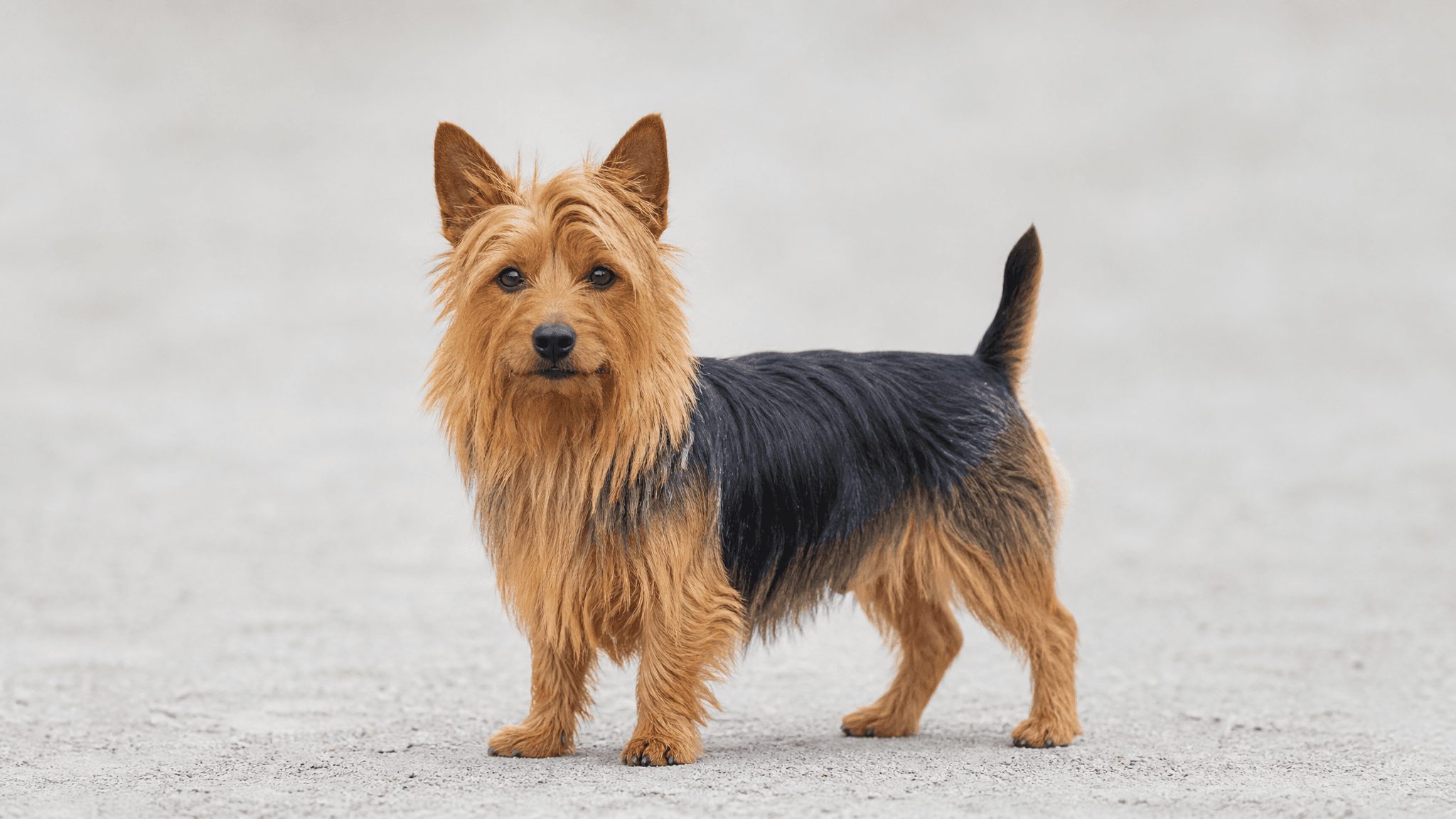
- hard and rough hair; with a topknot of soft hair on the head; ruff on the neck
- Common Colors
- blue-and-tan, sandy (red), or red
Temperament & Personality
The Australian Terrier is loyal, affectionate, smart, and vigorous. Despite its size, it has the character of a much larger dog: courageous, alert, and confident. It is an excellent companion and guard dog. It tends to be somewhat calmer and less confrontational than many terriers, although it retains an active prey drive. Very devoted to its owner.
Activity & Exercise
- Energy Level
- Moderate to high
- Recommended Daily Exercise
- 45 minutes
- Suitable for Apartment
- Yes
Grooming & Care
- Grooming Needs
- Moderate
- Shedding
- Minimal
- Bathing Frequency
- Every 4–6 weeks
Health
- Common Health Issues
- Allergies
- Diabetes mellitus
- Legg-Calvé-Perthes disease
- Patellar luxation
- Recommended Health Tests
- Diabetes screening in senior animals
- Joint evaluation
Compatibility
- With Children
- Good
- With Other Dogs
- Good
- With Cats
- Moderate
- For First-Time Owners
- Recommended
Is an Australian Terrier right for you?
An Australian Terrier may suit you if:
- You are happy to provide at least 45 minutes of daily activity to keep their vigorous mind and body engaged.
- You enjoy having a devoted, alert companion who thrives on being an active part of your daily life.
- You appreciate a courageous and confident small dog with a loyal, affectionate, and smart personality.
- You are prepared to engage in consistent, positive training to harness their intelligence and eagerness to please.
- You are willing to commit to moderate grooming, including regular brushing and occasional bathing every 4-6 weeks.
- You can manage their natural terrier instincts, including an active prey drive and alert guarding tendencies.
Think twice if:
- You expect a dog that will always unquestioningly obey commands, as terriers have an independent spirit.
- You have a busy schedule that requires your dog to be left alone for extended periods each day.
- You are unwilling to supervise interactions with smaller household pets due to their inherent prey drive.
- You are unable to provide consistent daily exercise or commit to their moderate grooming requirements.
- You do not have a securely fenced yard or are unprepared for their alert nature in an apartment setting.
- You are not prepared to guide a confident and vigorous small dog through consistent training during their adolescent phase.
The Australian Terrier offers immense loyalty and a spirited companionship, embodying a big dog personality in a small package. While they are smart and devoted, their terrier courage and active prey drive mean they thrive with owners who appreciate their independent streak and are ready to channel their energy. A rewarding life with an Aussie requires understanding and consistent guidance, promising a truly unique bond.
Training an Australian Terrier
Australian Terriers are smart, loyal, and eager to please their devoted owners, making them a joy to train. They respond best to positive reinforcement, especially when treats, praise, and engaging play are involved. Keep training sessions short, fun, and frequent – five to ten minutes a few times a day works wonders for their moderate to high energy levels and keen minds. Consistency is key; these intelligent little dogs thrive on clear expectations. If training becomes inconsistent or overly harsh, an Aussie might become bored, frustrated, or even a bit stubborn, potentially leading to unwanted behaviors as they seek their own entertainment.
Begin with:
- Attention and response to name around distractions
- Recall on a long line
- Loose-leash walking
- Leave it and drop it
- Calm greetings without jumping
- Settling on a mat or bed
- Cooperative handling for grooming, ears, feet and teeth
- Waiting at doors and gates
Recall and prey drive
Australian Terriers were originally bred as snake and rodent hunters, and that strong prey drive is still very much alive! This means that even the most devoted Aussie might suddenly become deaf to your calls if a squirrel or rustling bush catches their attention. To keep your adventurous companion safe, always practice recall in secure, enclosed areas first, gradually introducing distractions. Using a long line is essential for teaching a reliable recall in varied environments. Remember, consistency and high-value rewards are crucial when competing with such a powerful instinct. For more detailed guidance, check out our guide on teaching recall.
Leash manners
Despite their small size, Australian Terriers possess a confident and vigorous spirit, which can sometimes translate into pulling on the leash, especially when excited by new smells or sights. Their moderate to high energy means they need their daily 45 minutes of exercise, and walks are a prime opportunity for mental and physical stimulation. Start leash training early with positive reinforcement, rewarding your Aussie for walking calmly by your side. Avoid pulling back or yanking, as this can make them pull harder or become reactive. Instead, stop walking when they pull and only resume when the leash is slack. If you're struggling, our force-free plan to stop leash pulling can offer practical steps.
Boredom behaviors
An Australian Terrier is smart, alert, and has a moderate to high energy level. If they don't receive enough physical exercise (at least 45 minutes daily is recommended) or mental stimulation, they can become bored and invent their own fun, which might not align with your household rules! This could manifest as excessive barking, destructive chewing, or digging.
Ensure your Aussie has plenty of opportunities for engaging play, puzzle toys, and training sessions throughout the day. A tired Aussie is a well-behaved Aussie! Providing a consistent routine and enriching their environment will help prevent these unwanted behaviors. If you suspect your dog might be experiencing stress when left alone, look for these signs.
Australian Terrier — Frequently Asked Questions
What is the Australian Terrier?
The Australian Terrier is one of the smallest terrier breeds and holds the distinction of being the first breed developed and officially recognised in Australia — a proud achievement in Australian dog breeding history. It was developed in the mid-19th century from several British terrier breeds (including Yorkshire, Dandie Dinmont, Skye, Black and Tan, and others) brought by early settlers, and was selectively bred to handle the harsh conditions of Australian outback life — controlling vermin, snakes, and small game. Robust, alert, and spirited despite its small size, it was officially recognised in Britain in 1933 and by the AKC in 1960.
Is the Australian Terrier a good companion dog?
The Australian Terrier is an affectionate, loyal, and spirited companion that bonds deeply with its family. It has a big personality for a small dog — curious, alert, fearless, and entertaining. It is typically good with adults and older children who respect its feisty terrier nature, and can get along with other dogs and cats when socialised early. Its prey drive means small pets like rodents, birds, and rabbits are not safe with it. It is alert and will bark to warn of visitors or unusual sounds, making it a useful small watchdog. For owners who want an active, engaging, loyal small companion with a sense of humour, the Australian Terrier delivers.
How much exercise does an Australian Terrier need?
Despite its small size, the Australian Terrier is a working terrier with a surprisingly robust energy level. Two walks of 20–30 minutes per day, plus active play sessions, are the minimum. It loves to explore, dig, chase, and play interactive games. Its terrier stamina means it can handle much more exercise than many toy breeds. Without adequate daily exercise and mental stimulation, it may develop excessive barking, digging, or destructive behaviour. It is well-suited to apartment living if given sufficient daily outdoor exercise. The Australian Terrier particularly enjoys nose work, tracking games, and agility-style activities that engage both its body and its keen scenting instincts.
Is the Australian Terrier easy to train?
The Australian Terrier is highly intelligent and can be trained effectively, but its terrier independence and determination mean it needs a patient, consistent, and creative trainer. It quickly gets bored with repetitive training routines and may begin making its own decisions. Short, varied, game-based training sessions with high-value rewards work best. It is food-motivated and generally eager to interact with its owner, which helps training considerably. Recall training and leash manners require particular attention. It is easily capable of learning tricks and obedience work to a high level when training is positive and engaging. Harsh methods destroy the trust-based relationship that makes training most effective.
What health issues are common in the Australian Terrier?
The Australian Terrier is generally a healthy and hardy small breed. Legg-Calvé-Perthes disease (deterioration of the hip joint) has been documented in the breed and responsible breeders screen for it. Patellar luxation is a common concern across small breeds. Diabetes mellitus occurs at higher than average rates in Australian Terriers — owners should monitor weight carefully and discuss dietary management with their vet. Thyroid disease can develop. Allergies — both skin and environmental — are observed in some lines. Dental disease is a routine small-breed concern. Regular veterinary check-ups, good weight management, dental care, and appropriate diet support a long and healthy life.
What is the typical lifespan of an Australian Terrier?
The Australian Terrier typically lives between 11 and 15 years — an excellent range that reflects its generally robust constitution as a working terrier breed. Many Australian Terriers live well into their teens when properly cared for. The most significant longevity factors are careful weight management (particularly given diabetes risk), consistent dental care throughout its life, monitoring for diabetes and orthopedic conditions, appropriate daily exercise to maintain muscle tone and cardiovascular health, and regular veterinary check-ups. The Australian Terrier tends to maintain its terrier vitality and personality well into old age, making it a particularly rewarding long-term companion.
What is the Australian Terrier's coat like?
The Australian Terrier has a rough, harsh outer coat approximately 5–6 cm long lying flat over the body, with a shorter, soft undercoat. This double coat was designed for Australia's tough conditions — providing protection from weather, vegetation, and the bites and scratches of the vermin it hunted. The coat comes in two main colours: blue and tan (with a blue-grey saddle over the back and rich tan markings on the face, ears, and legs) or red/sandy (a rich sandy or reddish colour throughout). Grooming is straightforward: weekly brushing with a slicker brush removes dead hair and keeps the coat neat. The Australian Terrier is a low-shedding breed. Trimming around the ears and feet tidies the outline. Bathing every 4–6 weeks as needed is sufficient.
Does the Australian Terrier bark a lot?
The Australian Terrier is an alert, vocal terrier that will bark to warn its family of strangers, unusual sounds, and anything it finds interesting or suspicious. This alertness is part of its working heritage — it was developed to work semi-independently and needed to signal threats. In a domestic setting, it makes a useful small watchdog. Without adequate exercise, mental stimulation, and clear training boundaries, however, it can develop persistent nuisance barking. Teaching a reliable 'quiet' command from puppyhood, meeting its daily exercise needs, and providing enrichment activities significantly reduce unnecessary barking. It is a manageable trait with consistent training, but prospective owners should be prepared for its vocal nature.
Community
Talk to real Australian Terrier owners
This guide covers the breed on paper. In the app, the Australian Terrier community covers it in real life: photos from other owners, questions answered by people who live with the breed, and a directory of dogs you can browse.
- Photos & pollsSee what Australian Terrier owners are sharing today.
- Questions & answersAsk anything and hear from people who own one.
- Dog directoryBrowse Australian Terriers from around the world.
You join automatically when you add a Australian Terrier to your profile.