Romanian Mioritic Shepherd Dog
Summary
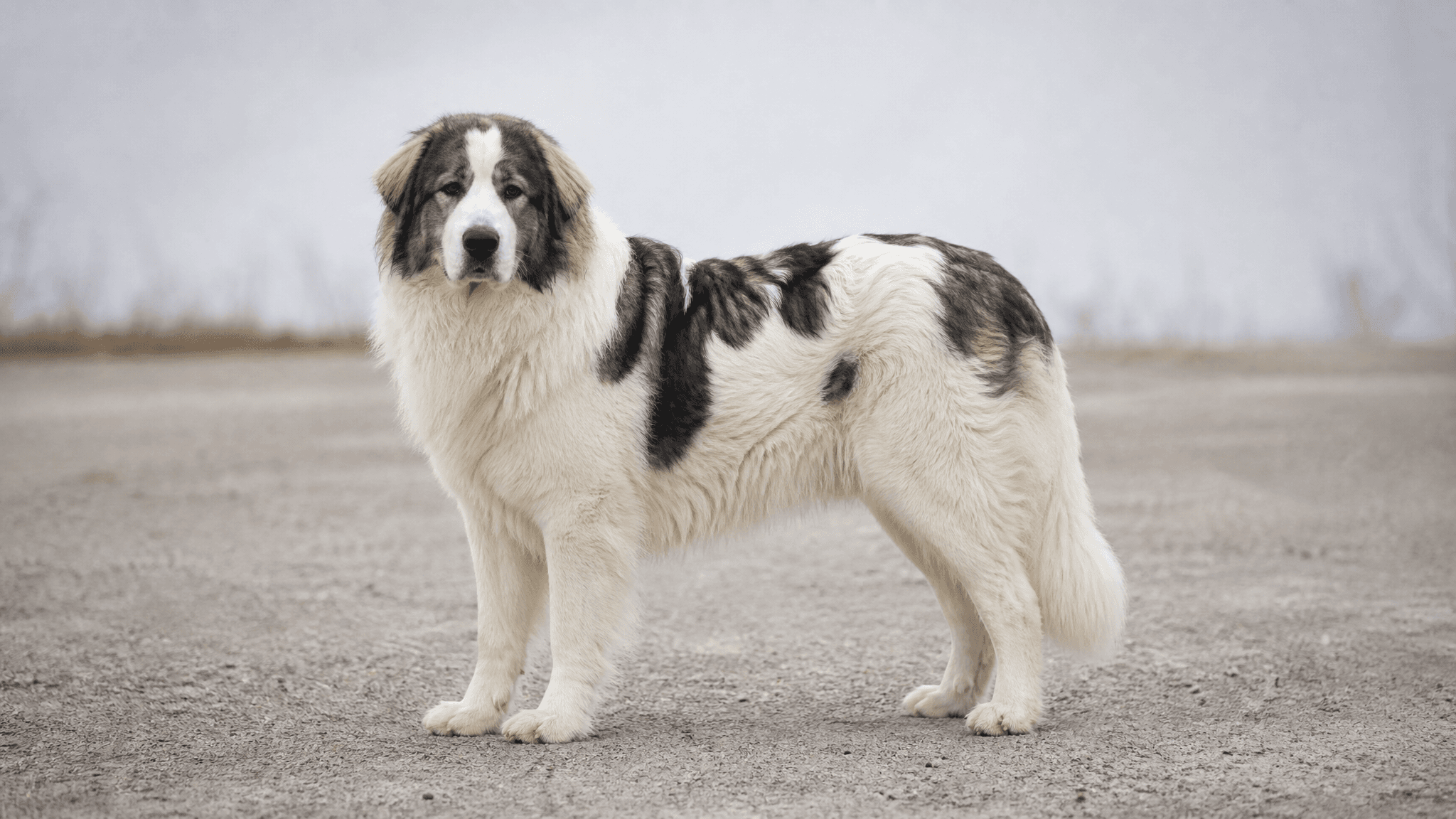
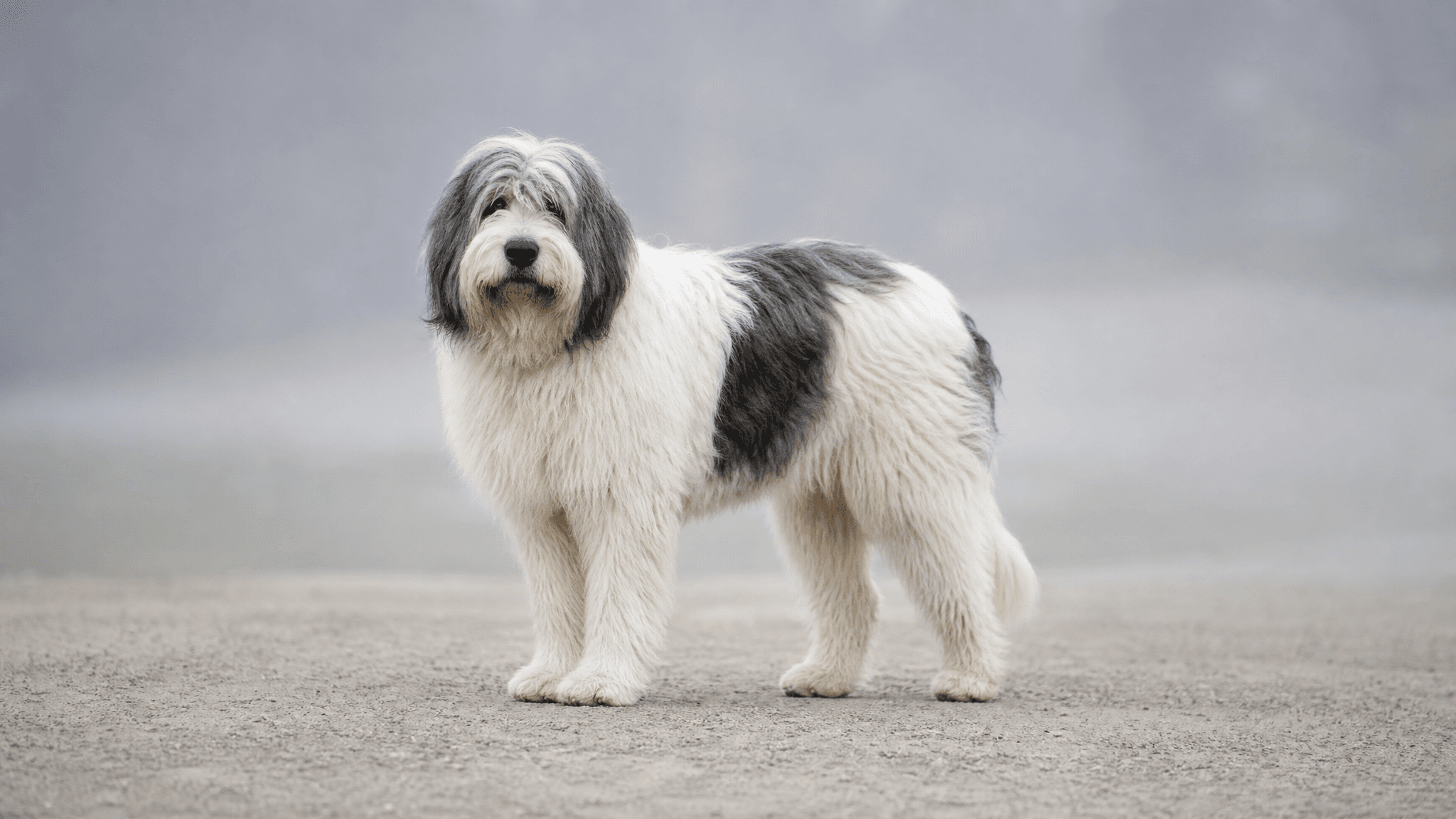
The Romanian Mioritic Shepherd Dog is a large livestock guardian originating from the Romanian Carpathians, where it has protected sheep from wolves and bears for centuries. The name "Mioritic" derives from "mioară" (young sheep in Romanian), reflecting its primary function as a protector of sheep flocks. It is one of Romania's national breeds, alongside the Carpathian Shepherd. Recognizable by its long and abundant coat in white, grey or mixed, it is a dog of imposing presence.
Physical Characteristics
- Size
- Large to giant
- Height (male)
- 70–76 cm
- Height (female)
- 65–71 cm
- Weight (male)
- 55–70 kg
- Weight (female)
- 45–60 kg
- Life Expectancy
- 12–14 years
- Coat
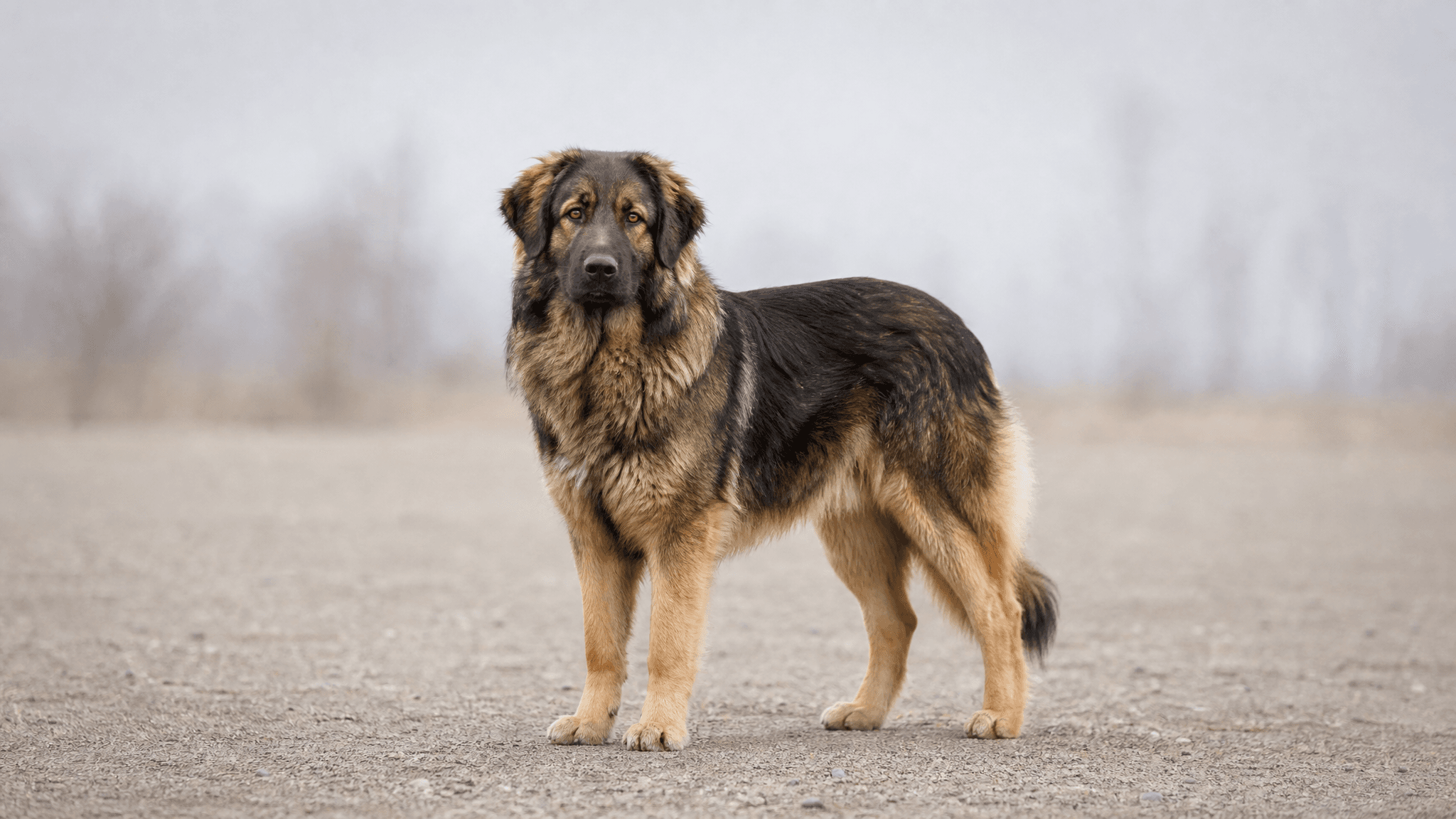
- Long, abundant, slightly wavy; very dense undercoat; coat on the head partially covers the eyes
- Common Colors
- Solid white, solid grey, piebald (white with well-defined black or grey patches)
Temperament & Personality
The Mioritic Shepherd is calm, stable and balanced — essential characteristics in a guardian that spends days isolated with the flock. It is courageous, determined in defending the flock but rarely aggressive without reason. With its family it is gentle and affectionate, especially with children. Early socialization is fundamental to ensure it accepts visitors and new situations without overreacting.
Activity & Exercise
- Energy Level
- Moderate
- Recommended Daily Exercise
- 60–90 minutes
- Suitable for Apartment
- Not recommended
Grooming & Care
- Grooming Needs
- High
- Shedding
- Heavy
- Bathing Frequency
- Every 4–6 weeks
Health
- Common Health Issues
- Gastric torsion
- Hip dysplasia
- Joint problems
- Recommended Health Tests
- Preventive orthopedic evaluation
Compatibility
- With Children
- Good
- With Other Dogs
- Moderate
- With Cats
- Moderate
- For First-Time Owners
- Not recommended
Is a Romanian Mioritic Shepherd Dog right for you?
A Romanian Mioritic Shepherd Dog may suit you if:
- You are prepared to provide 60 to 90 minutes of daily exercise and engaging mental challenges.
- You enjoy an active, purposeful lifestyle, perhaps with opportunities for guardian-like activities or extensive outdoor adventures.
- You appreciate a calm, courageous, and deeply affectionate companion who is protective of their family.
- You are committed to consistent, patient training and early, thorough socialization to shape a well-adjusted adult.
- You are ready for significant grooming, including regular brushing of their long, dense coat and bathing every 4 to 6 weeks.
- You understand and are willing to manage a natural guardian's protective instincts and imposing presence.
Think twice if:
- You expect immediate, unquestioning obedience from a dog, as this independent guardian breed thinks for itself.
- You frequently leave your dog alone for long periods, as Mioritics thrive on companionship and purpose.
- You are unwilling to carefully introduce and supervise interactions with other pets, despite their good nature with children.
- You are unable to commit to daily extensive exercise or the substantial grooming required for their abundant coat.
- You live in a small apartment or lack a securely fenced, spacious outdoor area for a large, watchful breed.
- You are unprepared for managing a large, powerful adolescent dog during its crucial developmental stages.
The Romanian Mioritic Shepherd Dog offers profound loyalty and a gentle heart to the right family. While their protective instincts are strong, they are also deeply affectionate companions. Living with this large, majestic breed means embracing their need for purpose, consistent care, and a secure environment for their 12 to 14-year lifespan. It's a commitment to a truly special, ancient guardian.
Training a Romanian Mioritic Shepherd Dog
Training a Romanian Mioritic Shepherd Dog is a rewarding journey that requires patience, consistency, and a deep understanding of their guardian nature. These intelligent, calm, and stable dogs are motivated by positive reinforcement, clear guidance, and the desire to please their beloved family. Sessions should be short, engaging, and end on a high note, building confidence and trust. When handlers are inconsistent, use harsh methods, or fail to provide early socialization, Mioritics can become overprotective or stubborn, making training more challenging and potentially undermining their natural balanced temperament.
Begin with:
- Attention and response to name around distractions
- Recall on a long line
- Loose-leash walking
- Leave it and drop it
- Calm greetings without jumping
- Settling on a mat or bed
- Cooperative handling for grooming, ears, feet and teeth
- Waiting at doors and gates
Guardian Instincts
Your Mioritic Shepherd was bred for centuries to protect flocks from predators like wolves and bears, instilling a strong guardian instinct and a degree of independence. This can manifest as wariness towards strangers or new situations. To manage this, focus on extensive and early socialization, exposing your puppy to a wide variety of people, sounds, and environments in a positive way. Reward calm, accepting behavior around new stimuli. Teach them that you are the ultimate protector and decision-maker, allowing them to relax and trust your judgment rather than feeling solely responsible for guarding.
It's crucial to channel their protective nature rather than suppress it. Encourage them to be observant but not reactive. Continue positive reinforcement for appropriate responses to visitors and new experiences throughout their life. This will help your Mioritic become a well-adjusted family member who is confident but not overly suspicious.
Leash Manners
Given their large to giant size (males 55–70 kg, females 45–60 kg) and inherent strength, a Mioritic pulling on the leash can be a significant challenge and even a safety hazard. Start teaching loose-leash walking from day one, even with a young puppy. Use a front-clip harness, which can help redirect their pulling power without causing discomfort. Practice in quiet areas first, gradually introducing more distractions as they improve.
Consistency is key. Every walk is a training opportunity. If your Mioritic starts to pull, stop walking immediately until the leash slackens, then praise and continue. For more detailed guidance, check out our guide on stopping leash pulling. Remember, a Mioritic needs 60–90 minutes of daily exercise, so making walks enjoyable for both of you is essential.
Boredom & Destructive Habits
While Mioritics have a moderate energy level and are known for their calm and stable temperament, they are large, intelligent dogs who require adequate physical and mental stimulation. If under-exercised, under-stimulated, or left alone for extended periods, they can develop undesirable behaviors such as destructive chewing, excessive barking (often a manifestation of their guardian instinct without a proper outlet), or digging. They are not recommended for apartment living, as they thrive with space.
Ensure your Mioritic receives their recommended 60–90 minutes of daily exercise, which can include walks, playtime in a securely fenced yard, or engaging in dog sports. Provide puzzle toys, chew items, and consistent companionship. Engaging them in activities that use their minds, like scent work or basic obedience, can also prevent boredom and keep them happy and balanced. Remember, a tired Mioritic is a well-behaved Mioritic.
Romanian Mioritic Shepherd Dog — Frequently Asked Questions
What is the Romanian Mioritic Shepherd Dog?
The Romanian Mioritic Shepherd Dog (Ciobanesc Românesc Mioritic) is a large, ancient livestock guardian breed from the Carpathian mountain regions of Romania, with a history of thousands of years protecting sheep and cattle from predators including wolves, bears, and lynx. They are named after the 'mioară' — a young sheep — referenced in one of Romania's most beloved folk poems. They are characterised by their very long, abundant, white or grey coat that can form natural cords or curtains, giving them a massive, shaggy appearance. In character they are calm, loyal, independent, courageous, and deeply protective — possessing the quiet confidence and measured temperament essential for a livestock guardian.
Are Romanian Mioritic Shepherd Dogs good family pets?
Romanian Mioritic Shepherds can make devoted, gentle family companions in the right home — but they are emphatically not a breed for inexperienced or casual owners. They are deeply loyal and protective of their family, including children they are raised with. However, their strong guarding instinct, independence, and wariness of strangers means they require experienced, confident owners who understand LGDs (Livestock Guardian Dogs). They need significant space (large property with outdoor areas), early and ongoing socialisation, and clear, calm authority. They may be protective towards visitors. For experienced families with rural properties who appreciate a dignified, deeply protective, ancient guardian breed, the Mioritic is extraordinary.
How much exercise does a Romanian Mioritic Shepherd need?
Romanian Mioritic Shepherds need 1–2 hours of daily exercise. In their traditional working role, they patrol and guard a territory continuously — they have genuine stamina and need to move. Daily walks, off-leash time in large, securely fenced areas, and patrol-type activities suit them. They are not high-speed athletes — they work at a steady, measured pace rather than in bursts of high energy. Without adequate daily movement and territory to patrol, they become restless and may develop unwanted behaviours. A large, securely enclosed outdoor space (such as a large fenced rural property) is strongly preferred — this is not a breed suited to city apartment life. Mental stimulation through their working role is as important as physical exercise.
Are Romanian Mioritic Shepherds easy to train?
Romanian Mioritic Shepherds are intelligent but strongly independent. They were bred for millennia to make autonomous guarding decisions without human direction — their independence is not stubbornness but deeply embedded functionality. They respond to calm, consistent, patient handling from an owner they respect. They do not respond to harsh, forceful, or confrontational methods — these provoke distrust and resistance. They are not fast learners in the conventional obedience sense, but they learn what is expected in their territory and family. Their guarding behaviour is natural and instinctive. Professional guidance from an LGD-experienced trainer is strongly recommended for anyone taking on a Mioritic without prior experience with the type.
How do you groom a Romanian Mioritic Shepherd?
The Romanian Mioritic Shepherd's very long, dense, slightly wavy or corded coat is a significant grooming commitment. Their profuse double coat requires thorough brushing several times per week to prevent severe matting — once badly matted, the only solution may be clipping the entire coat. Their coat can naturally form cords similar to a Komondor's, but in working dogs this is often allowed to develop intentionally for protection. For companion dogs, regular brushing is preferable. Professional grooming and clipping every 3–4 months is practical for many owners. Their coat dries slowly and must be thoroughly dried after washing. Ear cleaning monthly, nail trimming monthly, and attention to the paws (hair can accumulate between toes) are important.
What health issues affect Romanian Mioritic Shepherds?
Romanian Mioritic Shepherds are generally a robust, healthy primitive breed. Their relative rarity outside Romania means comprehensive health data is limited, but documented concerns include: Hip and elbow dysplasia — significant in large, heavy breeds; OFA/BVA screening is recommended. Bloat (GDV) — a serious risk in large, deep-chested breeds. Eye conditions have been noted. Skin conditions can occur beneath their thick coat if not properly maintained — regular grooming is important for skin health. Ear infections can develop if the ears are not checked and kept clean under the heavy coat. Obesity should be avoided — excess weight significantly stresses joints in large breeds.
How long do Romanian Mioritic Shepherds live?
Romanian Mioritic Shepherds have an average lifespan of 12–14 years — excellent for a large, heavy breed. Their primitive constitution and working-dog heritage supports good longevity relative to their size. Key longevity factors include hip and elbow screening of parents, managing GDV risk through careful feeding practices (2–3 smaller meals, avoid vigorous exercise within 1–2 hours of meals, elevated feeding bowl), regular coat maintenance (skin health problems beneath neglected coats can become serious), ear monitoring and cleaning, maintaining a healthy weight (avoid obesity), daily adequate exercise, annual vet check-ups, and dental care. Given their rarity outside Romania, finding a vet experienced with the breed or familiar with LGD types is advantageous.
What is the traditional working role of the Romanian Mioritic Shepherd?
The Romanian Mioritic Shepherd's traditional role is as a Livestock Guardian Dog (LGD) — living permanently with flocks of sheep and cattle in the Carpathian mountain regions of Romania, protecting them day and night against predators. In Romania, wolves, bears, and lynx are genuine threats to livestock, and the Mioritic's job is to deter, confront, and if necessary fight these predators. Unlike herding dogs that work with handlers directing the flock, LGDs work independently and autonomously — they live with the flock, bond with it, and make their own defensive decisions without human direction. This is why Mioritics are independent thinkers and why understanding their working nature is essential to keeping them as companion dogs. Today, while still used as working LGDs in Romania, they are increasingly valued internationally as estate guardians and companion dogs for experienced large-breed owners.
Community
Talk to real Romanian Mioritic Shepherd Dog owners
This guide covers the breed on paper. In the app, the Romanian Mioritic Shepherd Dog community covers it in real life: photos from other owners, questions answered by people who live with the breed, and a directory of dogs you can browse.
- Photos & pollsSee what Romanian Mioritic Shepherd Dog owners are sharing today.
- Questions & answersAsk anything and hear from people who own one.
- Dog directoryBrowse Romanian Mioritic Shepherd Dogs from around the world.
You join automatically when you add a Romanian Mioritic Shepherd Dog to your profile.