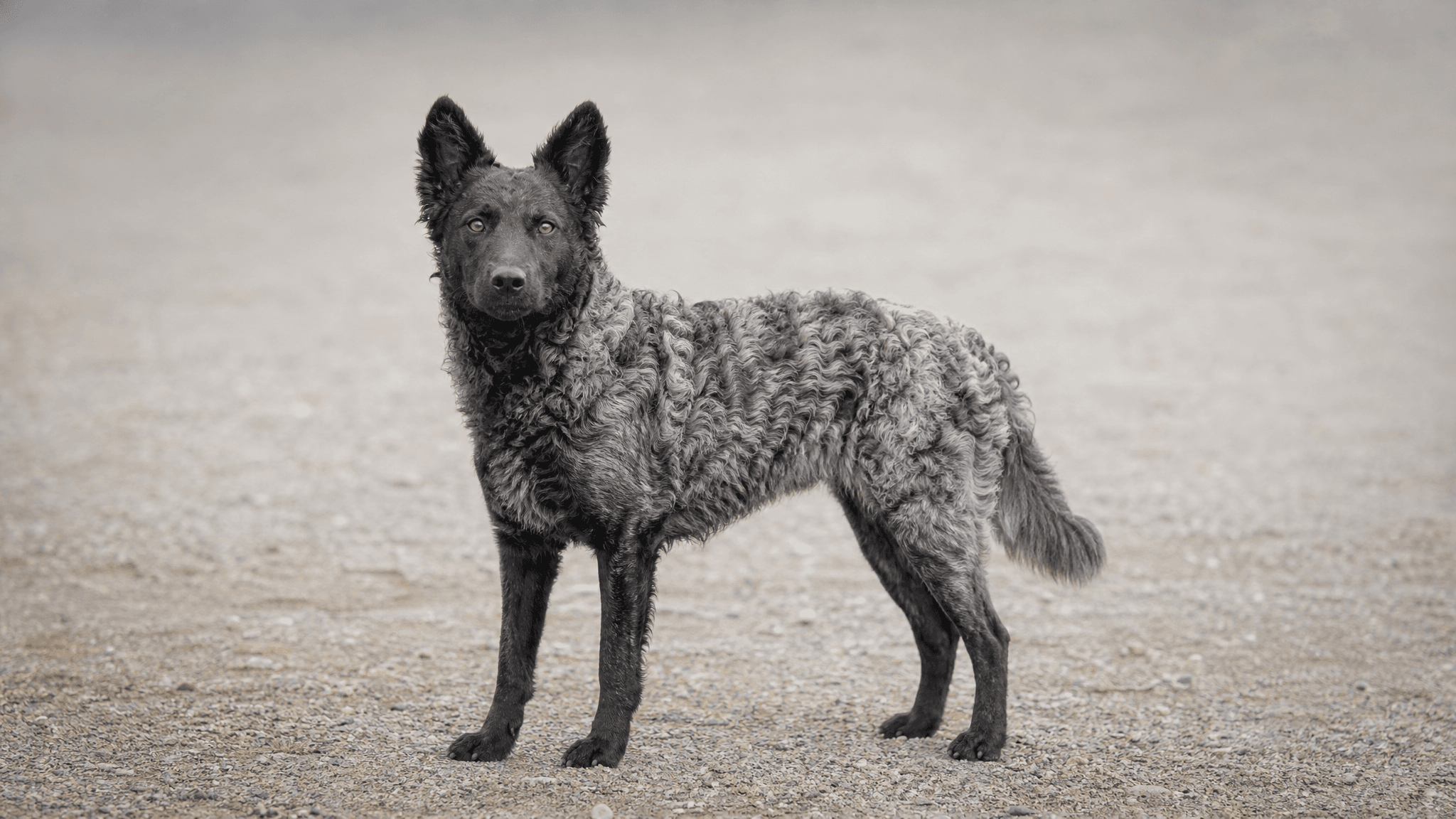
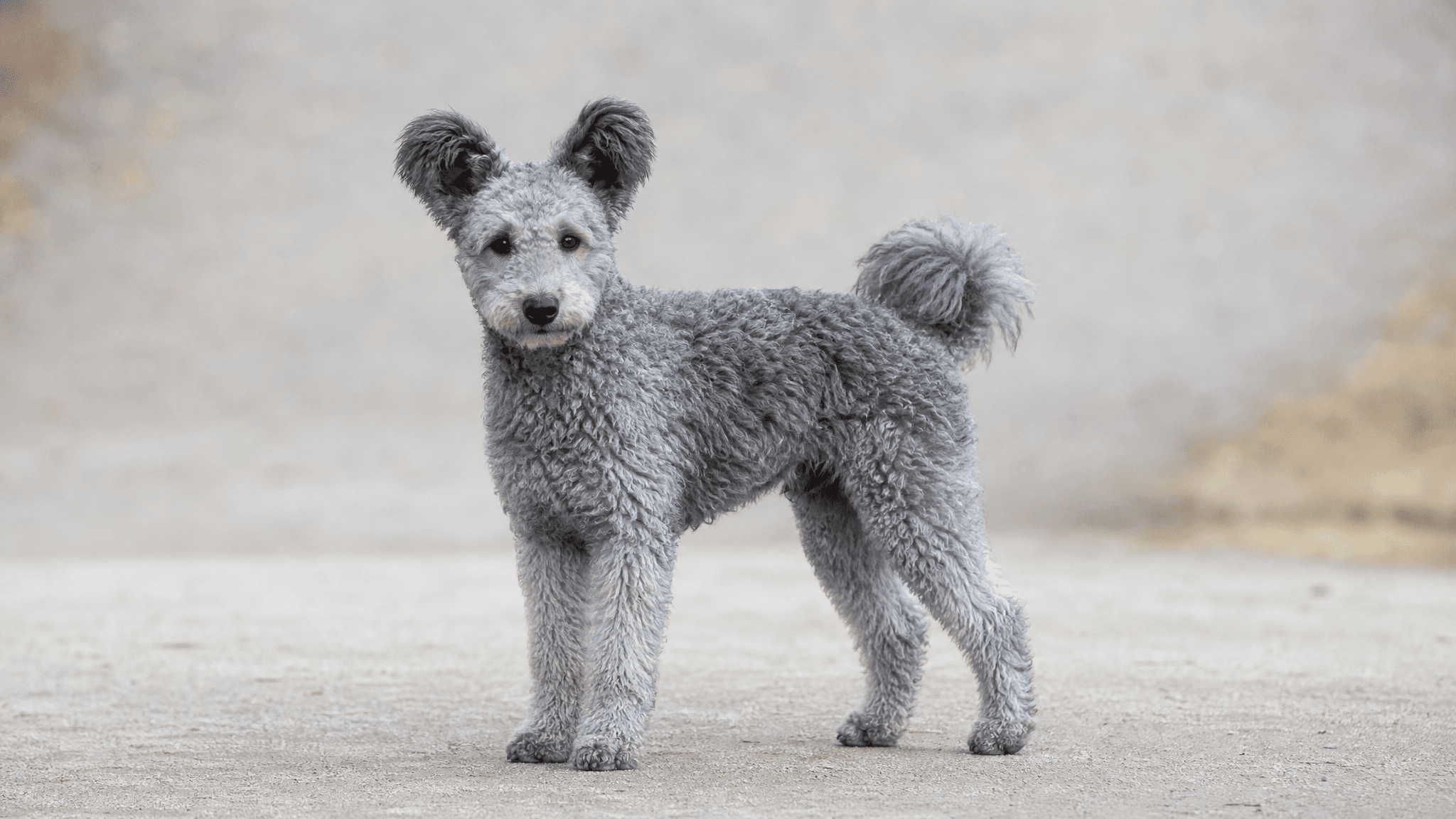
Puli
Summary
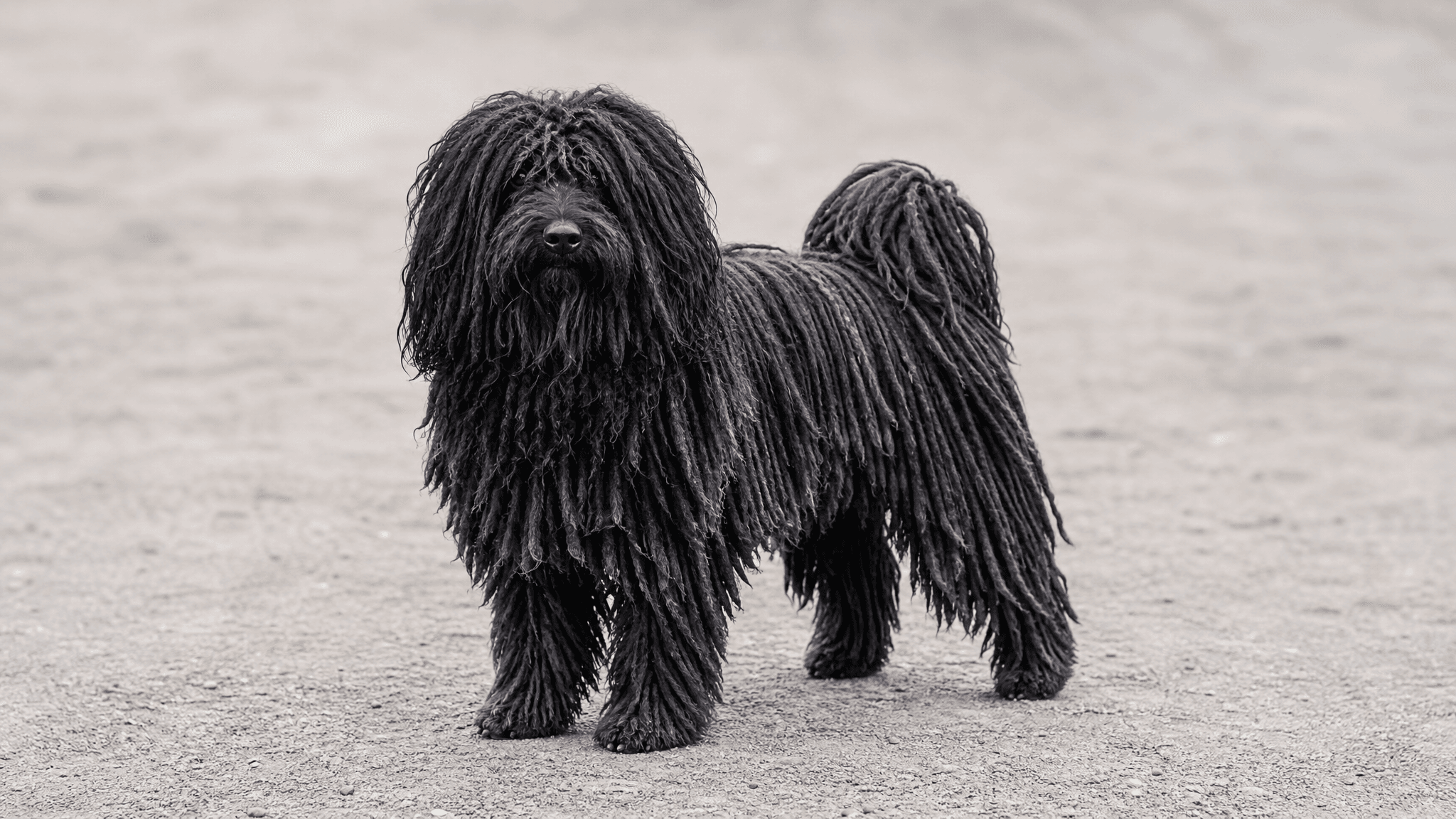
The Puli (plural: Pulik) is a medium-sized Hungarian sheepdog, world-renowned for its spectacular corded coat that covers the entire body, including the head. A descendant of dogs brought by the Magyars from Central Asia over a thousand years ago, the Puli worked for centuries as a flock-driving dog on the plains of Hungary, often in partnership with the Komondor: the Puli herded, the Komondor guarded. It is an agile, energetic and remarkably intelligent breed.
Physical Characteristics
- Size
- Medium
- Height (male)
- 39–45 cm
- Height (female)
- 36–42 cm
- Weight (male)
- 13–15 kg
- Weight (female)
- 10–13 kg
- Life Expectancy
- 10–15 years
- Coat
- Long, forming natural cords that cover the entire body; can be black, white, grey or rusty (masquerade)
- Common Colors
- Black, white, grey, masquerade
Temperament & Personality
The Puli is a lively, intelligent and communicative dog, with a striking and very expressive personality. It is extremely loyal to its owner and family, and can be reserved with strangers. Its sharp intelligence makes it easy to train, but also capable of finding ways around rules if training is not consistent. It is playful and loves interacting with its owners.
Activity & Exercise
- Energy Level
- High
- Recommended Daily Exercise
- 60–90 minutes
- Suitable for Apartment
- Yes with exercise
Grooming & Care
- Grooming Needs
- Very high
- Shedding
- Minimal
- Bathing Frequency
- Every 6 weeks
Health
- Common Health Issues
- Degenerative myelopathy
- Hip dysplasia
- Patellar luxation
- Recommended Health Tests
- Genetic test for DM
- OFA orthopedic evaluation
Compatibility
- With Children
- Good
- With Other Dogs
- Good
- With Cats
- Moderate
- For First-Time Owners
- Acceptable
Is a Puli right for you?
A Puli may suit you if:
- You are ready to provide 60 to 90 minutes of engaging exercise and mental challenges daily.
- You enjoy an active lifestyle that includes playful interaction and stimulating activities with your dog.
- You appreciate a lively, intelligent, and deeply loyal companion with a uniquely expressive personality.
- You are prepared for consistent, positive training to channel their sharp intelligence effectively.
- You are committed to the very high grooming needs of their spectacular corded coat, including regular bathing.
- You are willing to manage their natural herding instincts and communicative nature with patience and understanding.
Think twice if:
- You expect unwavering obedience without consistent training, as Pulik are clever problem-solvers.
- You have a demanding schedule that leaves a dog alone for long periods, as Pulik thrive on companionship.
- You are not prepared to guide their strong herding instincts, especially around children or other pets.
- You are unwilling to commit to their daily 60 to 90 minutes of exercise or their very high grooming demands.
- You cannot provide secure outdoor space or daily vigorous activity, even if living in an apartment.
- You are not prepared for a lively, agile adolescent phase that requires patient, firm, and consistent guidance.
Living with a Puli is a unique journey, blending the joy of a loyal, intelligent companion with the commitment their distinctive needs demand. Their captivating personality and spectacular coat are incredibly rewarding, but they thrive best with owners who truly understand and embrace their high energy, sharp wit, and very high grooming requirements. It's a partnership built on active engagement and consistent care, promising a truly unforgettable bond for 10 to 15 years.
Training a Puli
Your Puli is a wonderfully intelligent and loyal companion, eager to please and quick to learn. These lively sheepdogs thrive on positive reinforcement and consistent, engaging training sessions. Keep sessions short, fun, and varied to hold their keen attention. Because of their sharp minds, Pulik can quickly learn to work around inconsistent rules, so clarity and patience are key. If training isn't consistent, they might just decide to train you instead, using their expressive personality to get their way!
Begin with:
- Attention and response to name around distractions
- Recall, on a long line at first
- Loose-leash walking
- Leave it and drop it
- Calm greetings without jumping
- Settling on a mat or bed
- Cooperative handling for grooming, ears, feet and teeth
- Waiting at doors and gates
Herding Instincts
As a traditional flock-driving dog, your Puli possesses a strong natural herding instinct. This can sometimes manifest as nipping at heels, circling, or trying to 'herd' family members, especially children or other pets. It's crucial to understand this innate drive rather than punish it. Redirect this energy positively by engaging your Puli in activities that mimic herding, like fetch, agility, or even organized herding trials if available. Teach a strong 'leave it' command to interrupt unwanted herding behaviors and reward calm, settled actions.
Leash Pulling
Pulik are energetic and eager to explore, which can lead to enthusiastic leash pulling, especially when young or excited. Given their medium size and strength, this can be quite a workout for you! Start loose-leash training early and be incredibly consistent. Reward every moment your Puli walks calmly beside you, even for just a few steps. If they pull, stop walking immediately and only resume when the leash slackens. For a comprehensive guide, check out this force-free plan to help you both enjoy your daily walks.
Remember, consistency is key, and positive reinforcement makes training a joyful experience for your Puli. Keep walks engaging with varied routes and opportunities for sniffing, which can help tire them out mentally as well as physically.
Boredom Behaviors
With their high energy and sharp intelligence, Pulik require significant mental and physical stimulation. They need 60-90 minutes of exercise daily, but mental engagement is just as vital. An under-exercised or bored Puli can quickly become a mischievous Puli, resorting to unwanted behaviors like excessive barking, destructive chewing, or digging. Ensure their days are filled with enriching activities beyond just walks.
Puzzle toys, interactive games, and regular training sessions are excellent ways to keep their bright minds occupied. Our training feature can help you build a consistent routine, and our Behaviour AI feature can offer insights into specific behaviors to ensure your Puli remains a happy, well-adjusted companion.
Puli — Frequently Asked Questions
What is the Puli?
The Puli is a fascinating medium-sized Hungarian sheepdog, instantly recognizable by its spectacular corded coat that covers its entire body, including its head! These unique cords aren't just for show; they provided excellent protection while working. Descended from dogs brought by the Magyars from Central Asia over a thousand years ago, the Puli belongs to FCI Group 1 (Sheepdogs). They are known for their agility, high energy, and remarkable intelligence, making them truly special companions.
What was the Puli originally bred for?
The Puli has a rich history as a dedicated working dog! For centuries, they were invaluable flock-driving dogs on the vast plains of Hungary. They often worked in a clever partnership with the larger Komondor: the agile Puli would expertly herd and manage the flock, while the Komondor stood guard, protecting the sheep from predators. Their sharp intelligence and energetic nature made them perfectly suited for this demanding role, showcasing their natural herding instincts and loyalty to their charges.
How much exercise does a Puli need?
Pulis are wonderfully energetic dogs with a high energy level, so they definitely need their daily dose of activity to stay happy and healthy! We recommend providing them with 60 to 90 minutes of exercise every day. This could include brisk walks, playful romps in a secure yard, or even dog sports like agility. Keeping their intelligent minds and active bodies engaged will prevent boredom and ensure your Puli is a well-behaved and joyful member of your family.
Is the Puli a good family dog?
Absolutely! Pulis are known for being extremely loyal to their owners and family, making them wonderful companions. They are playful and love interacting, which can make them great with respectful children who understand how to interact with dogs. Early socialization is key to help them feel comfortable around new people and other pets, as they can be reserved with strangers. With proper introductions and consistent guidance, a Puli can thrive in a family setting, bringing joy and a lively presence to your home.
Is the Puli easy to train?
Yes, Pulis are remarkably intelligent dogs with a sharp mind, which generally makes them easy to train! They have a lively and communicative nature, eager to engage with their owners. However, their intelligence also means they can be quite clever at finding loopholes if training isn't consistent. A Puli thrives on positive reinforcement and clear, firm guidance. With their expressive personality and desire to interact, training sessions can be a fun and rewarding experience for both of you, building a strong bond.
What health issues are common in the Puli?
Like all breeds, Pulis can be prone to certain health conditions, but responsible breeding practices help minimize these risks. Some documented health concerns for the Puli include degenerative myelopathy, a progressive disease affecting the spinal cord, hip dysplasia, which affects the hip joints, and patellar luxation, a condition where the kneecap can slip out of place. Regular veterinary check-ups, a balanced diet, and appropriate exercise are crucial for keeping your Puli in top shape and catching any potential issues early.
What is the Puli's coat like and how much grooming does it need?
The Puli's coat is truly its most distinctive feature – a spectacular, naturally corded coat that covers its entire body, including its head! These unique cords are formed by the intertwining of its dense, soft undercoat and its coarser outer coat. While stunning, this coat does require specific care. It's not a simple brush-and-go; the cords need to be separated regularly to prevent matting and ensure proper skin health. This can be a time-consuming process, but it's essential for maintaining their iconic look and comfort.
What is the typical lifespan of a Puli?
With proper care, a loving home, and a healthy lifestyle, your wonderful Puli can be a cherished companion for many years! The typical lifespan for a Puli is generally between 10 and 15 years. Providing them with a balanced diet, regular veterinary check-ups, consistent exercise, and plenty of mental stimulation will contribute significantly to their longevity and overall quality of life. They truly thrive when they are an active and integrated part of their family.
Community
Talk to real Puli owners
This guide covers the breed on paper. In the app, the Puli community covers it in real life: photos from other owners, questions answered by people who live with the breed, and a directory of dogs you can browse.
- Photos & pollsSee what Puli owners are sharing today.
- Questions & answersAsk anything and hear from people who own one.
- Dog directoryBrowse Pulis from around the world.
You join automatically when you add a Puli to your profile.