Plott Hound
Summary
The Plott Hound is a rugged American big-game hound developed in North Carolina from German hound ancestry. It is the state dog of North Carolina.
Physical Characteristics
- Size
- Medium to large
- Height (male)
- 51–63.5 cm
- Height (female)
- 51–58.5 cm
- Weight (male)
- 23–27 kg
- Weight (female)
- 18–25 kg
- Life Expectancy
- 12–14 years
- Coat
- Short to medium, smooth, fine, and glossy
- Common Colors
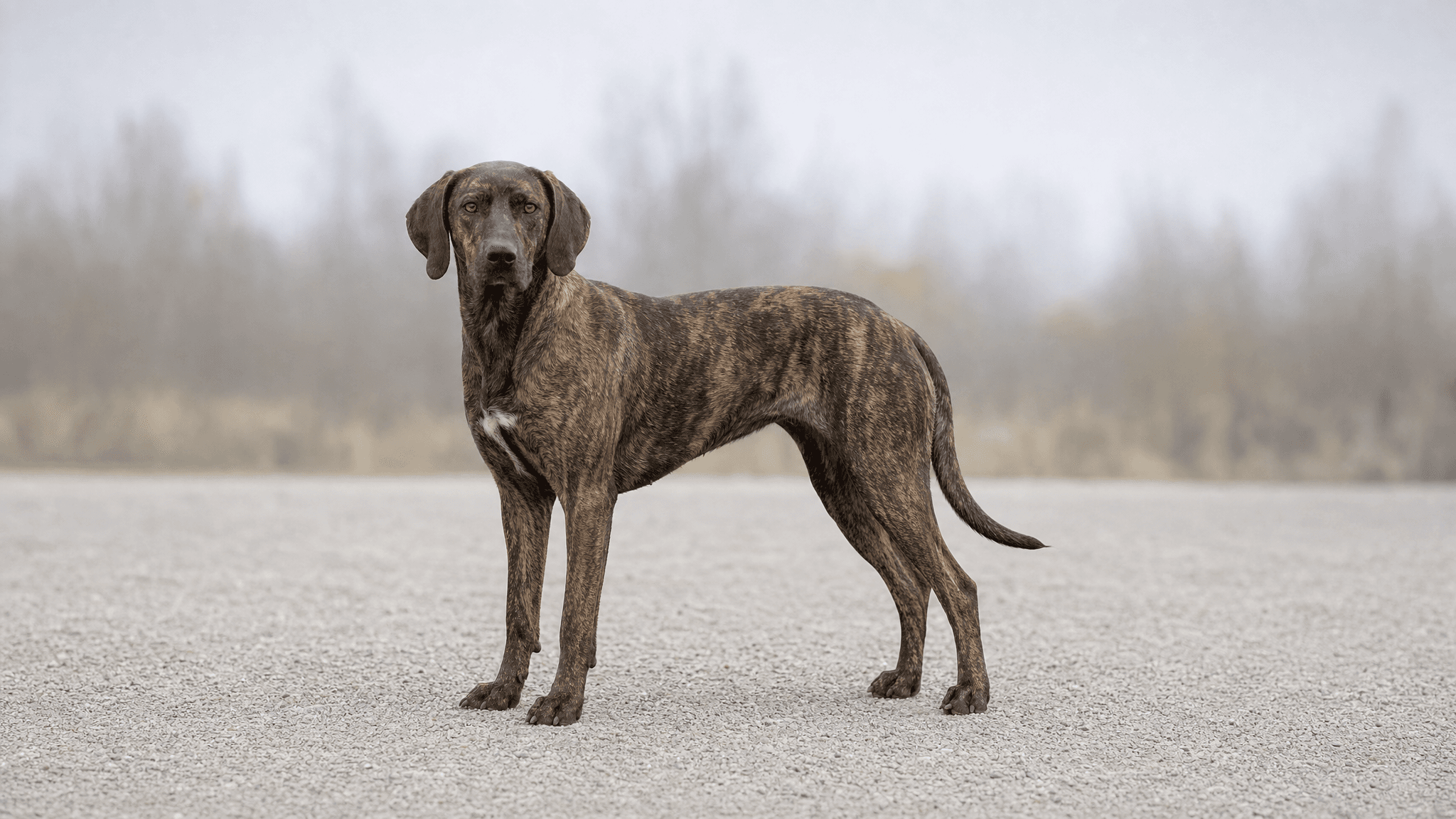
- Any shade of brindle; black with brindle trim may occur
Temperament & Personality
The Plott Hound is bold, intelligent, loyal, alert, and determined. It is a serious hunting hound that can be calm at home but needs regular vigorous exercise.
Activity & Exercise
- Energy Level
- High
- Recommended Daily Exercise
- 60–120 minutes
- Suitable for Apartment
- Not recommended
Grooming & Care
- Grooming Needs
- Low
- Shedding
- Moderate
- Bathing Frequency
- Every 6–8 weeks
Health
- Common Health Issues
- Bloat
- Ear infections
- Hip dysplasia
- Recommended Health Tests
- Cardiac examination
- Ear examination
- Hip evaluation
Compatibility
- With Children
- Good
- With Other Dogs
- Moderate
- With Cats
- Can be difficult
- For First-Time Owners
- Acceptable
Is a Plott Hound right for you?
A Plott Hound may suit you if:
- You are prepared to provide at least 60 to 120 minutes of vigorous daily exercise and engaging mental challenges.
- You enjoy an active, outdoorsy lifestyle and want a determined companion for hiking or scent work.
- You appreciate a bold, intelligent, and loyal companion who can be calm at home after proper activity.
- You are committed to consistent, positive training to channel their determination and prevent boredom.
- You don't mind moderate shedding and are comfortable with low grooming needs, like bathing every 6 to 8 weeks.
- You are willing to manage a strong prey drive and a tendency to follow interesting scents with focus.
Think twice if:
- You expect instant obedience from a dog that will always prioritize you over an interesting scent.
- You have a busy schedule that leaves a dog alone for long periods, as they thrive on companionship.
- You have cats or small, non-canine pets that might be seen as prey by a determined scent hound.
- You are unable to commit to providing vigorous daily exercise for at least an hour or two.
- You live in an apartment or do not have a securely fenced yard to contain an active and curious dog.
- You are not prepared for the strength and exuberance of a medium to large, high-energy hound during adolescence.
Living with a Plott Hound means embracing their bold spirit and boundless energy. They offer unwavering loyalty and intelligent companionship, but their deep-seated hunting instincts and need for activity require a dedicated owner. For the right family, their calm demeanor at home, balanced with outdoor adventures, makes for a truly rewarding partnership that lasts 12 to 14 years.
Training a Plott Hound
Plott Hounds are intelligent, bold, and determined learners who thrive on positive reinforcement and engaging, scent-based activities. Keep training sessions short, fun, and consistent, ideally 5-10 minutes a few times a day, to match their focus span. They are highly motivated by praise, play, and high-value food rewards. Inconsistency or harsh methods can lead to stubbornness or disengagement from this sensitive yet strong-willed breed. Clear, patient guidance, combined with ample physical and mental exercise, is crucial to prevent frustration and ensure a well-adjusted companion.
Begin with:
- Attention and response to name around distractions
- Reliable recall on a long line
- Loose-leash walking manners
- Leave it and drop it commands
- Calm greetings without jumping
- Settling quietly on a designated spot
- Cooperative handling for vet checks and grooming
- Waiting patiently at doorways
Scent and Prey Drive
Plott Hounds are true scent hounds with an incredibly powerful prey drive. Once they catch an interesting scent, their determination kicks in, making recall incredibly difficult in the moment. Start recall training in a quiet, fenced area, gradually introducing distractions. Always use a long line in unfenced or new environments to ensure your Plott's safety and success, rewarding heavily when they return to you. Consistency and making yourself more exciting than the environment are key to building a reliable recall. Our guide on recall can help you master this vital command.
Even with the best training, their instincts are strong. Be mindful of their surroundings and always use a leash or long line when not in a secure area to prevent them from bolting after a scent. This breed needs careful management to keep them safe and prevent them from pursuing wildlife.
Leash Pulling Strength
Given their medium to large size and impressive strength, combined with their instinct to follow intriguing scents, pulling on the leash is a common challenge for Plott Hound owners. A determined Plott can easily pull an unprepared owner off balance. Start loose-leash walking training from day one, using a front-clip harness or head halter for better control and comfort.
Reward them generously for walking politely by your side, and change direction frequently to keep their attention on you rather than the environment. Consistency and positive reinforcement are crucial to teaching your Plott that walking calmly is far more rewarding than pulling towards every exciting smell.
Boredom and Frustration
Plott Hounds have a high energy level and require a significant amount of physical and mental exercise, typically 60-120 minutes of vigorous activity daily. Without adequate outlets for their energy and intelligence, they can quickly become bored, frustrated, and destructive. They are not recommended for apartment living precisely because of these needs.
To keep your Plott happy and well-behaved, incorporate puzzle toys, scent work games, and regular training sessions into their routine, in addition to their walks. A bored Plott Hound might resort to excessive barking, chewing furniture, or digging. Ensuring they are thoroughly exercised and mentally engaged is paramount for a harmonious home.
Plott Hound — Frequently Asked Questions
What is the Plott Hound?
The Plott Hound is the only AKC-recognised coonhound breed not descended from English Foxhounds — it has a unique lineage tracing back to German Hanoverian Schweisshund (bloodhounds) brought to North Carolina by Johannes Georg Plott, a German immigrant who arrived in 1750. His family kept the line pure for generations, and the resulting hound — the Plott — became one of the finest bear, boar, and mountain lion hunting dogs in the American South. It is the state dog of North Carolina and was recognised by the AKC in 2006. It stands out for its distinctive brindle coat, relentless courage, and exceptional cold-nose trailing ability.
Is the Plott Hound a good family dog?
The Plott Hound is loyal, alert, and devoted to its family. It has a strong bond with its people and can be an excellent companion for active families with space and time for its exercise needs. It tends to be wary of strangers — a trait from its guard and hunting role — so early socialisation is important. It gets on well with other dogs due to its pack heritage but can be assertive. Its prey drive means cats and small animals must be carefully managed. The Plott Hound is best suited to experienced dog owners in a rural or suburban setting with a large, securely fenced property.
How much exercise does a Plott Hound need?
The Plott Hound is a high-stamina working hound that needs substantial daily exercise — at least 1.5–2 hours of vigorous activity. It was bred to track large, dangerous game across mountain terrain for extended periods, so its endurance is formidable. Long runs, hikes (particularly in hilly terrain), swimming, and safe off-lead exercise in enclosed areas are ideal. Without adequate exercise, Plott Hounds become restless, noisy, and destructive. They are an excellent choice for very active owners who hike or run regularly. City or apartment living is not appropriate for this breed.
What makes the Plott Hound unique among coonhound breeds?
The Plott Hound stands apart from the other five AKC coonhound breeds in several ways. First, its ancestry: it is the only coonhound descended from German bloodhounds rather than English Foxhounds — giving it a very different genetic background and physical type. Second, its traditional quarry: while most coonhounds specialize in raccoon, the Plott was developed primarily for bear, boar, and large game — prey that requires exceptional courage and physical toughness. Third, its coat: the distinctive brindle pattern (striped combination of colours) is unique among coonhounds. These qualities make it one of the most distinctive and historically significant of all American hound breeds.
What health issues are common in the Plott Hound?
The Plott Hound is generally a robust, healthy breed with good working constitution. Hip dysplasia is possible, particularly given the breed's mountain hunting background. Ear infections are a routine concern due to long ears that trap moisture and debris — weekly ear inspection and regular cleaning are essential. Bloat (gastric dilatation-volvulus) is a risk for deep-chested breeds and should be managed through appropriate feeding practices. Cataracts and progressive retinal atrophy have been observed in some lines. Polyradiculoneuritis — a neurological condition causing acute weakness — has been noted as a concern in coonhound breeds generally. Routine veterinary care supports long-term health.
Is the Plott Hound easy to train?
The Plott Hound is highly intelligent and capable, but its independent, confident nature makes it a challenge for inexperienced dog owners. It was bred to make its own decisions in the field — to pursue and engage dangerous game without waiting for handler direction — and this self-reliance makes training an exercise in mutual respect rather than simple obedience. Positive reinforcement works best; it is sensitive to harsh treatment. Recall training is critical but very challenging, as its nose and hunting drive override commands. An experienced owner who understands scent hound psychology and can be consistent and patient will find the Plott Hound a deeply rewarding training partner.
What is the Plott Hound's coat like?
The Plott Hound has a short, dense, smooth coat that comes in a variety of brindle patterns — combinations of dark stripes on a lighter or darker base coat — along with solid black. The brindle can range from light tan brindle to dark mahogany brindle, and all shades are accepted. The coat is relatively easy to maintain: a weekly brush with a rubber grooming mitt or bristle brush removes loose hair and keeps the coat gleaming. They shed moderately year-round. Bathing as needed (roughly every 4–6 weeks or when particularly muddy from outdoor activity) is sufficient. Ear, nail, and dental care complete the regular maintenance routine.
What is the typical lifespan of a Plott Hound?
The Plott Hound typically lives between 12 and 14 years, which is notably good for a large working hound breed. Its hardy German bloodhound ancestry and history of selection for physical toughness contribute to its robust constitution. The main factors for longevity are maintaining a lean body weight (overweight hounds age poorly), providing ample daily exercise, proactive ear care, appropriate feeding to prevent bloat, and routine veterinary care including eye examinations given the breed's predisposition to certain ocular conditions. A well-exercised, attentively cared-for Plott Hound can be a long-lived, devoted companion.
Community
Talk to real Plott Hound owners
This guide covers the breed on paper. In the app, the Plott Hound community covers it in real life: photos from other owners, questions answered by people who live with the breed, and a directory of dogs you can browse.
- Photos & pollsSee what Plott Hound owners are sharing today.
- Questions & answersAsk anything and hear from people who own one.
- Dog directoryBrowse Plott Hounds from around the world.
You join automatically when you add a Plott Hound to your profile.