Harrier
Summary
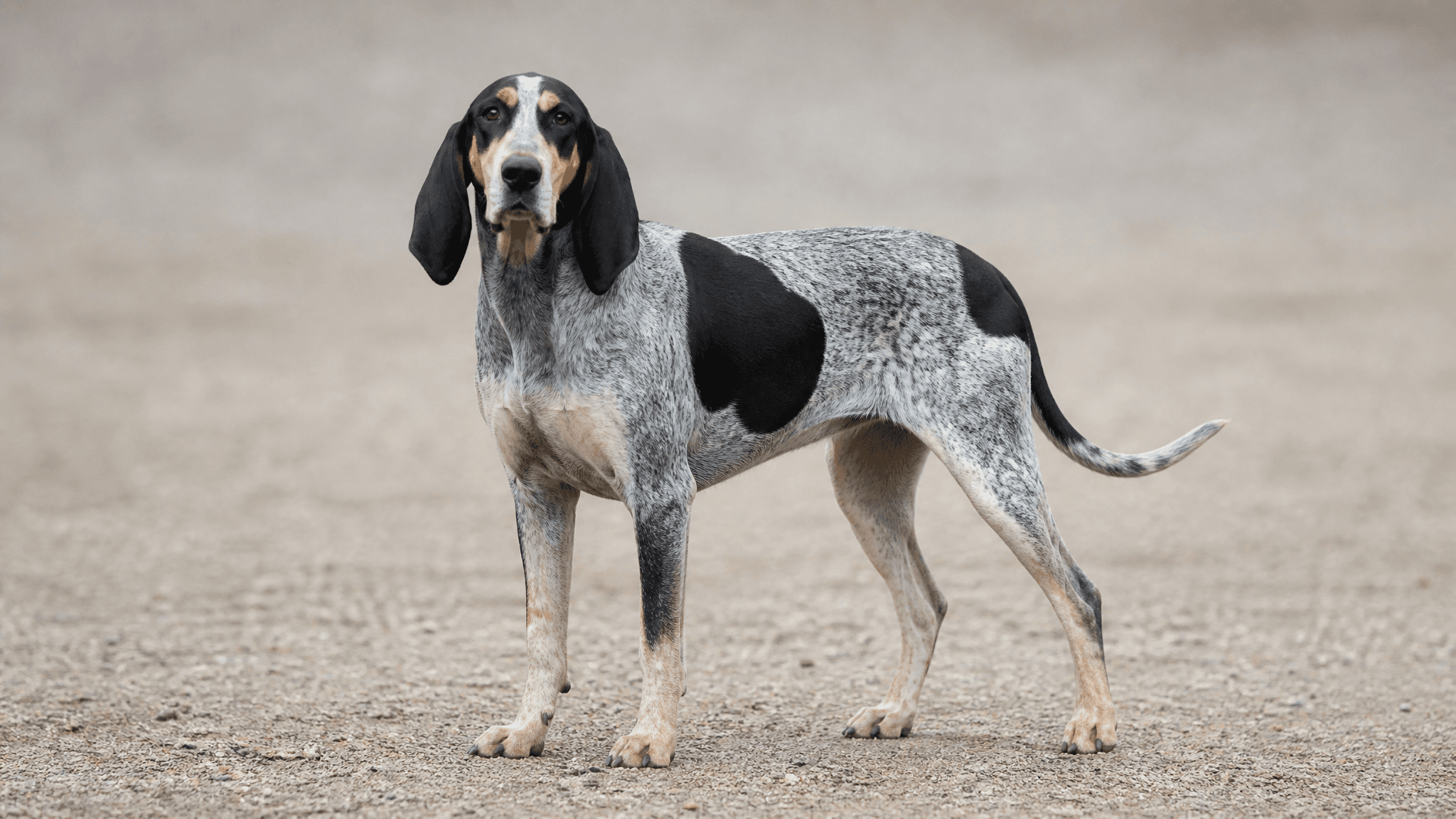
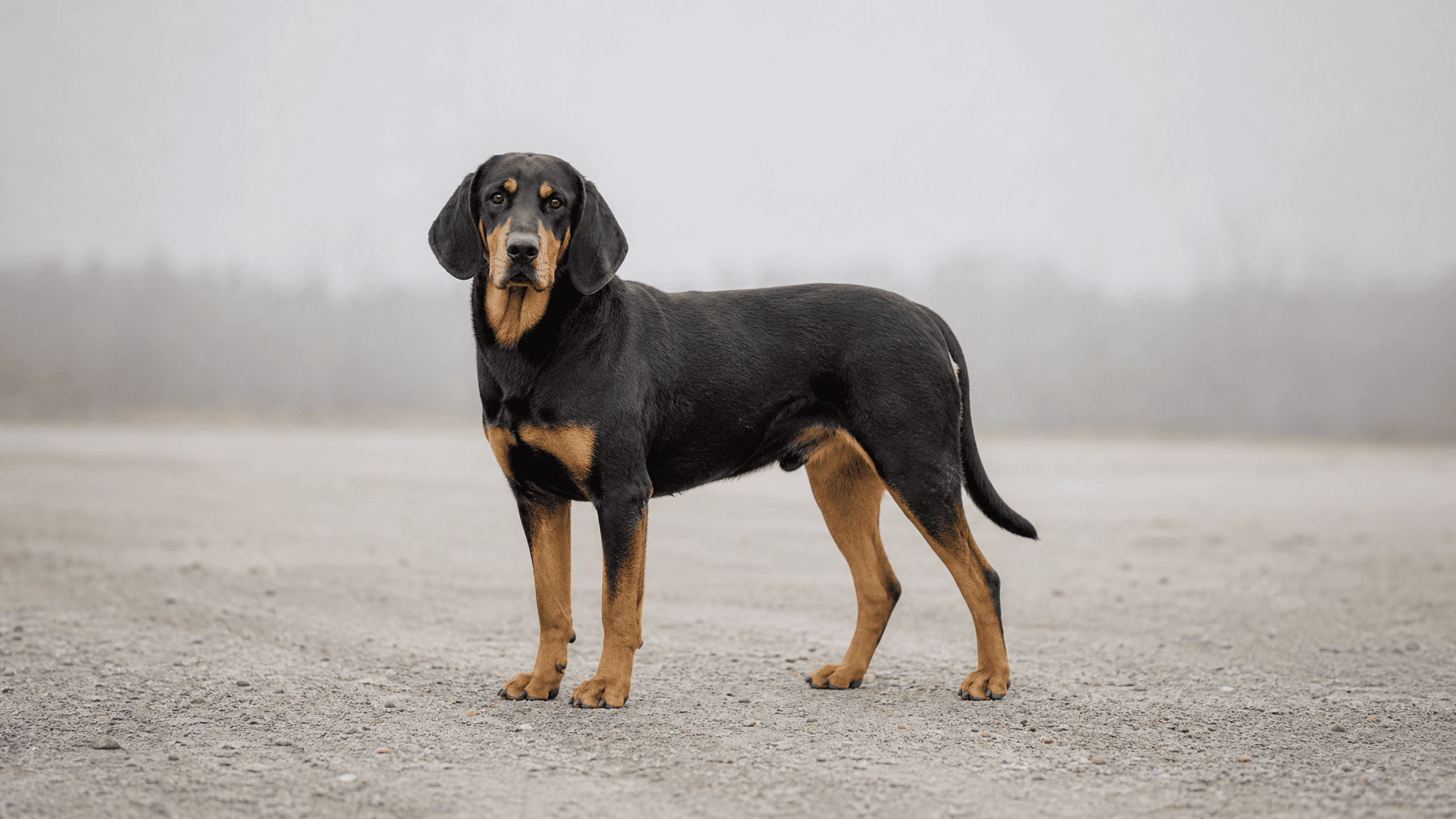
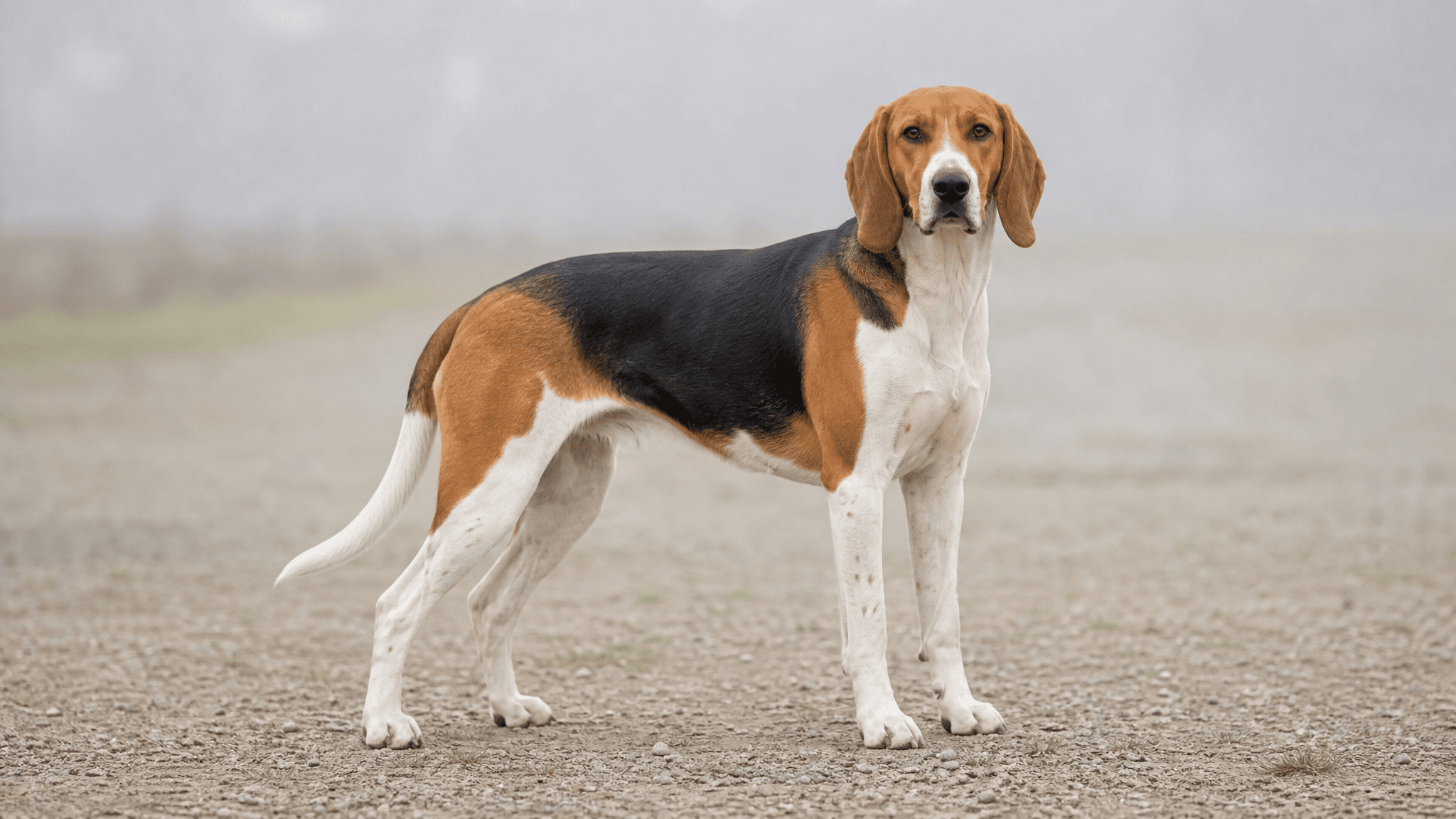
The Harrier is a medium-to-large British scent hound, developed for hare hunting (hare, in English, hence the name) on foot — that is, at a pace that hunters on foot could keep up with. It is an older breed than the Beagle and was widely used in England for centuries. Today it is rare even in its country of origin, being essentially a hunting breed maintained in packs.
Physical Characteristics
- Size
- Medium to large
- Height (male)
- 48–55 cm
- Height (female)
- 46–52 cm
- Weight (male)
- 22–27 kg
- Weight (female)
- 19–25 kg
- Life Expectancy
- 12–14 years
- Coat
- Short, dense, and resistant
- Common Colors
- Tricolor, bicolor; white with red, lemon, or orange markings
Temperament & Personality
The Harrier is a cheerful, active, and easy-going dog. It is calmer than the Beagle and more manageable than the English Foxhound, sitting at a happy middle point between the two breeds in terms of temperament. It is very sociable with people and other dogs, and can be an excellent family dog with adequate exercise.
Activity & Exercise
- Energy Level
- High
- Recommended Daily Exercise
- 60–90 minutes
- Suitable for Apartment
- Not recommended
Grooming & Care
- Grooming Needs
- Low
- Shedding
- Moderate
- Bathing Frequency
- Every 4 weeks
Health
- Common Health Issues
- Epilepsy
- Heart problems (murmurs)
- Hip dysplasia
- Recommended Health Tests
- Cardiac examination
- Orthopedic evaluation
Compatibility
- With Children
- Excellent
- With Other Dogs
- Excellent
- With Cats
- Moderate
- For First-Time Owners
- Acceptable
Is a Harrier right for you?
A Harrier may suit you if:
- You are prepared to provide 60 to 90 minutes of vigorous daily exercise and engaging mental challenges.
- You enjoy an active, outdoor lifestyle that includes long walks, hiking, or participating in scent work.
- You appreciate a cheerful, active, and sociable companion who thrives on family interaction.
- You are committed to consistent, positive reinforcement training to guide their intelligent scent hound instincts.
- You appreciate a low-maintenance coat that requires minimal grooming beyond regular bathing every four weeks.
- You are willing to manage their natural scent hound tendencies, including a strong desire to follow interesting smells.
Think twice if:
- You expect immediate, perfect obedience from a dog driven by scent and independent thought.
- You have a routine that requires leaving a dog alone for long periods, as Harriers truly thrive on companionship.
- You are concerned about introducing a dog to cats, as Harriers have only moderate compatibility with feline friends.
- You are unwilling to commit to at least 60 minutes of daily vigorous exercise for this high-energy breed.
- You live in an apartment or do not have a securely fenced yard to contain an adventurous scent hound.
- You are unprepared for the physical demands of managing a strong, medium-to-large dog during its energetic adolescent phase.
Living with a Harrier is a joyful adventure, offering the companionship of a cheerful, active, and sociable friend. While their independent scent hound nature requires consistent guidance and ample exercise, the reward is a deeply loyal family member. They bring a unique blend of spirited energy and affectionate devotion, making them a wonderful, albeit committed, addition to the right home.
Training a Harrier
Your Harrier is a bright, cheerful, and active companion, eager to please when the training is engaging and consistent. As a scent hound, they are highly motivated by their nose and by positive reinforcement, especially treats and praise. Keep training sessions short, fun, and frequent, ideally lasting 5-10 minutes a few times a day. If training becomes repetitive, harsh, or boring, your Harrier may quickly lose interest or become frustrated, potentially leading to a lack of focus or even disengagement. Remember, a happy Harrier is a learning Harrier!
Begin with:
- Attention to name around distractions
- Recall on a long line
- Loose-leash walking
- Leave it and drop it
- Calm greetings without jumping
- Settling on a mat or bed
- Cooperative handling for grooming, ears, feet and teeth
- Waiting at doors and gates
Prey Drive and Recall
Harriers are scent hounds through and through, bred for centuries to follow a scent trail, often that of a hare. This strong instinct means that a captivating smell can easily override any training, especially recall, when off-leash. It's not defiance; it's instinct!
To build a reliable recall, start in a low-distraction environment and gradually introduce more exciting settings. Always use a long line in unfenced areas until your Harrier's recall is rock-solid. Make coming back to you the most rewarding thing ever with high-value treats and enthusiastic praise. Consistency is key, and remember that even the best-trained Harrier might struggle when a compelling scent takes over. For more detailed guidance, check out our guide on teaching recall.
Strong Pulling on Leash
With their high energy and medium-to-large size (males 22-27 kg), Harriers can be powerful pullers on the leash, especially when a tempting scent catches their attention. Their strength combined with their drive to follow a trail can make walks challenging if not addressed early.
Focus on loose-leash walking from day one. Use a front-clip harness, which can help redirect their pulling motion without causing discomfort. Practice walking in quiet areas first, rewarding frequently for a loose leash, and gradually introduce more stimulating environments. Consistency and patience are vital; every walk is a training opportunity. Our force-free plan offers excellent tips for this.
Boredom and Destructive Habits
Harriers are active dogs with high energy levels, requiring 60-90 minutes of exercise daily. If they don't receive enough physical and mental stimulation, or are left alone for extended periods without engagement, they can become bored and resort to destructive behaviors like chewing furniture, excessive barking, or digging. They are not recommended for apartment living for this reason.
Ensure your Harrier gets ample exercise, including off-leash opportunities in secure areas where they can run and explore scents. Provide plenty of puzzle toys and enrichment activities to keep their minds busy when you can't actively engage with them. A tired Harrier is a good Harrier! If you notice signs of stress when you leave, our article on separation stress might be helpful.
Harrier — Frequently Asked Questions
What is the Harrier?
The Harrier is a medium-sized English scent hound, one of the oldest breeds developed in Britain specifically for hunting hare — which is where the breed's name originates. Resembling a Beagle in coloration but noticeably larger, the Harrier was traditionally kept in packs by English hunts. It has a cheerful, outgoing, and robust character, and while it is still used in hunting in some countries, it also makes a warm, energetic family companion for active households. Outside hunting communities, it remains quite rare.
How much exercise does a Harrier need?
Harriers are energetic working hounds with real stamina and need at least 1.5–2 hours of vigorous exercise daily. A short garden amble will not come close to meeting their needs. They love running, and activities like long countryside hikes, jogging, or cycling alongside you are ideal. As pack animals, they often enjoy the company of other dogs during exercise. Their nose is always active, so a securely fenced area is essential for off-lead exercise — a Harrier on a scent trail will not listen to recall commands.
Are Harriers good family dogs?
Harriers can make excellent family dogs for active households. They are gentle, cheerful, and very good with children — their pack nature means they're sociable and enjoy being part of a busy family. They also tend to get along well with other dogs. However, they need a lot of exercise, and an under-exercised Harrier becomes bored and destructive. They're not well-suited to apartment living or sedentary households. For a family that enjoys outdoor activities and can commit to daily vigorous exercise, the Harrier is a joyful and devoted companion.
Are Harriers easy to train?
Harriers are intelligent and willing to please, but their hound independence and strong prey drive create real training challenges. They learn quickly when motivated by food, but once their nose locks onto an interesting scent, other priorities disappear. Recall off-lead is genuinely difficult and should only be attempted in safe, fully enclosed environments. Positive reinforcement, consistency, and patient practice from an early age are essential. Enrolling in group training classes is beneficial both for obedience work and socialisation.
Do Harriers have a strong prey drive?
Yes — Harriers have a very strong prey drive, which was the core purpose of the breed. They were bred to chase hare relentlessly and to ignore distractions during pursuit. In a family home this means they may not be trustworthy around small animals like rabbits or cats (particularly cats they haven't grown up with), and they should never be trusted off-lead in open countryside. Providing regular scent work and activities that channel their prey drive constructively — like tracking games or agility — helps manage this instinct positively.
What health issues are common in Harriers?
The Harrier is a generally healthy and hardy breed with a long working history. Hip dysplasia is the most commonly documented concern and health screening for breeding animals is recommended. Epilepsy has been reported in some lines. Their pendant ears make them susceptible to ear infections — weekly ear checks and cleaning after swimming are important preventive steps. As with all active breeds, maintaining a healthy weight to protect joints and providing appropriate exercise without over-stressing growing puppies are key practices for long-term health.
What is the typical lifespan of a Harrier?
Harriers typically live between 12 and 15 years, which is an excellent lifespan for a medium-sized active breed. Their robust working constitution and relatively diverse gene pool (due to pack breeding) contribute to this healthy range. Keeping them at a good working weight, ensuring they get sufficient daily exercise, and attending regular veterinary appointments are the main investments in their longevity. Harriers who remain active and engaged throughout their life tend to age well and stay energetic into their senior years.
Are Harriers rare?
Yes, Harriers are one of the rarer breeds even in their native Britain. The Kennel Club's registration figures for Harriers are consistently low — they have appeared on the UK's vulnerable native breeds list. Outside the UK, they are rarer still, though small populations exist in the USA where they are kept for hunt purposes. Those who discover the breed are often surprised by how personable and athletic they are, and dedicated breed enthusiasts work hard to maintain the population. If you're considering one, expect to join a waiting list and do your research on finding a responsible breeder.
Community
Talk to real Harrier owners
This guide covers the breed on paper. In the app, the Harrier community covers it in real life: photos from other owners, questions answered by people who live with the breed, and a directory of dogs you can browse.
- Photos & pollsSee what Harrier owners are sharing today.
- Questions & answersAsk anything and hear from people who own one.
- Dog directoryBrowse Harriers from around the world.
You join automatically when you add a Harrier to your profile.