Picardy Spaniel
Summary
The Epagneul Picard is considered one of the oldest continental spaniels, descending from the old French spaniels crossed with English Setters and Gordon Setters. A favorite of the French nobility before the Revolution, it maintained its popularity among hunters in the marshy areas of Picardy for its coat resistant to wet conditions. In 1921 the breed club was founded, grouping both the Epagneul Picard and the Epagneul Bleu de Picardie. It is rare outside of France.
Physical Characteristics
- Size
- Medium
- Height (male)
- 56–61 cm
- Height (female)
- 54–59 cm
- Weight (male)
- 20–25 kg
- Weight (female)
- 18–22 kg
- Life Expectancy
- 10–14 years
- Coat
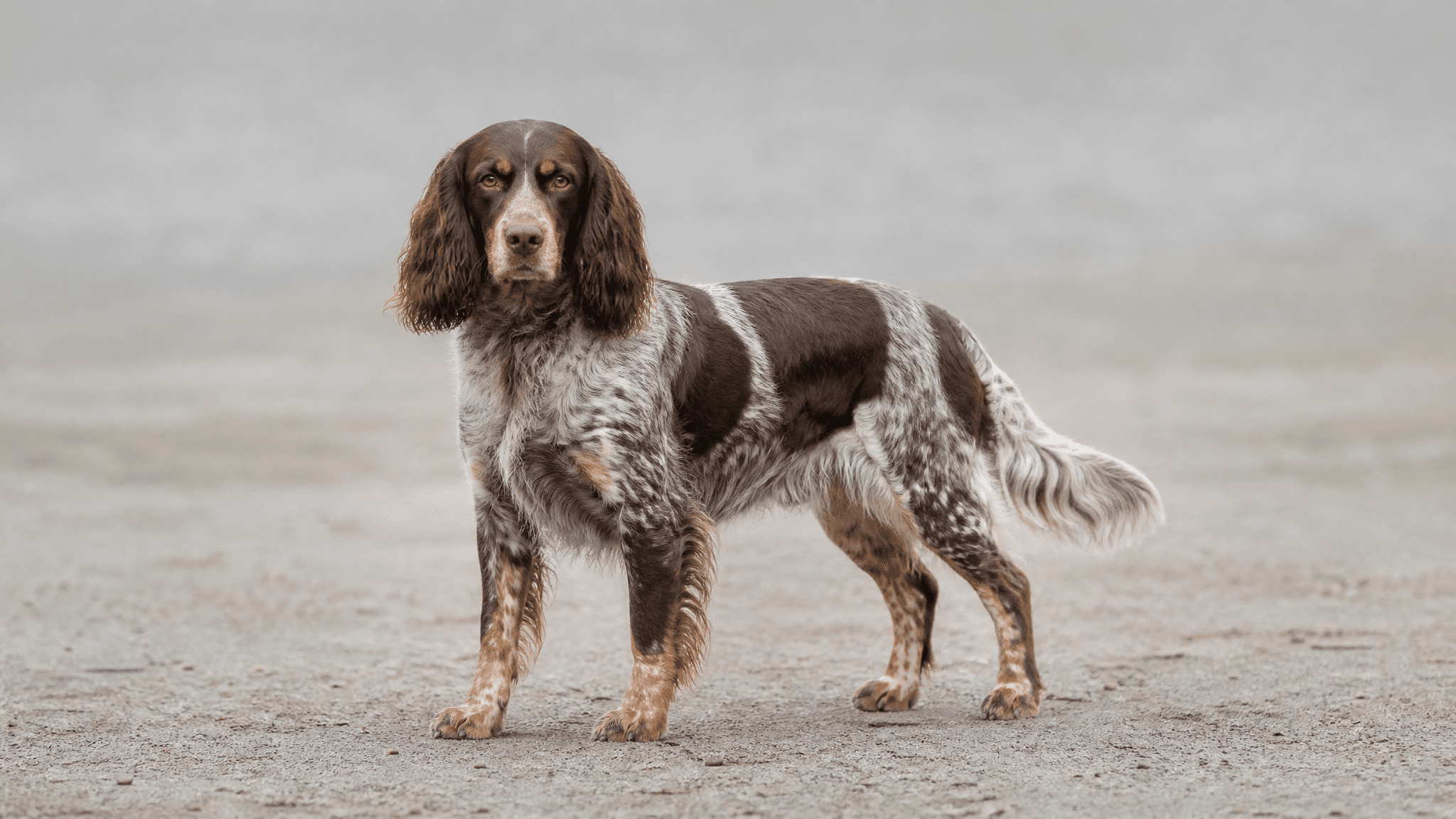
- Dense, not very silky, slightly wavy; feathering on the ears (silky and wavy), legs, and tail
- Common Colors
- Brown roan with brown patches on the body and tail base; usually with tan markings on the head and legs
Temperament & Personality
The Epagneul Picard has a docile, intelligent, and very sociable character. It is described as a dog with a "calm and unhurried" temperament, very adaptable and extremely easy to train. It bonds deeply with its owner and family. In the field, it is an enthusiastic hunter with great endurance in marshy and aquatic terrains. At home, it is a calm and balanced companion, excellent with children.
Activity & Exercise
- Energy Level
- High
- Recommended Daily Exercise
- 60–90 minutes
- Suitable for Apartment
- Not recommended
Grooming & Care
- Grooming Needs
- Moderate
- Shedding
- Moderate
- Bathing Frequency
- Every 4–6 weeks
Health
- Common Health Issues
- No known hereditary problems
- Susceptibility to ear infections (pendulous ears)
- Recommended Health Tests
- Regular ear examination
- Weight control
Compatibility
- With Children
- Excellent
- With Other Dogs
- Excellent
- With Cats
- Good
- For First-Time Owners
- Recommended
Is a Picardy Spaniel right for you?
A Picardy Spaniel may suit you if:
- You are prepared to provide 60 to 90 minutes of engaging daily exercise and mental challenges for a high-energy companion.
- You enjoy outdoor adventures, especially in varied terrains or near water, where your dog can enthusiastically explore.
- You appreciate a docile, intelligent, and very sociable dog who will form a deep, calm bond with your entire family.
- You are looking for a highly adaptable and extremely easy-to-train dog, eager to learn and please.
- You are willing to commit to moderate grooming for a dense, slightly wavy coat, including regular brushing and bathing every 4-6 weeks.
- You understand and appreciate the natural hunting instincts of a pointing dog, even if it's primarily a family companion.
Think twice if:
- You expect instant, unwavering obedience from a dog whose natural instincts might occasionally take precedence outdoors.
- You have a busy schedule that often leaves a dog alone for long periods, as this breed thrives on deep family connection.
- You are unwilling to supervise interactions carefully, especially with very small, non-canine pets, due to their inherent hunting drive.
- You are not prepared for consistent daily exercise of 60-90 minutes or regular moderate coat maintenance.
- You live in an apartment or do not have a securely fenced outdoor space for a medium-sized, active dog.
- You are uncomfortable providing firm, consistent guidance and managing a strong, energetic dog during its boisterous adolescent phase.
Bringing a Picardy Spaniel into your home means embracing a truly devoted and adaptable companion. While their calm demeanor indoors and eagerness to please make them wonderful family members, remember their high energy and strong hunting drive require consistent outlets. This beautiful breed offers deep affection to those prepared to meet their needs for activity and engagement, promising a rewarding partnership for years to come.
Training a Picardy Spaniel
Your Picardy Spaniel, with its intelligent and docile nature, is a joy to train! These adaptable dogs bond deeply with their families and thrive on positive reinforcement, making them eager learners. Keep training sessions short, fun, and consistent, always ending on a high note. They are highly motivated by praise, play, and tasty treats, especially when learning new things. If training becomes repetitive or harsh, a Picardy can become disengaged or confused, potentially impacting that wonderful bond, so always keep it positive and engaging.
Begin with:
- Attention and response to name around distractions
- Recall on a long line
- Loose-leash walking
- Leave it and drop it
- Calm greetings without jumping
- Settling on a mat or bed
- Cooperative handling for grooming, ears, feet and teeth
- Waiting at doors and gates
Prey drive and recall
Your Picardy Spaniel is a pointing dog with a strong hunting heritage, especially in marshy environments. This means they possess a natural and enthusiastic prey drive that can make recall a significant challenge, particularly when off-leash in stimulating outdoor areas. To manage this, always begin recall training in a secure, distraction-free environment, gradually introducing more challenging settings.
Use a long line to ensure safety while practicing, and make coming back to you the most rewarding thing ever with high-value treats and enthusiastic praise. Consistency is key, and you can find more tips in our guide to teaching recall.
Leash pulling
Given their medium size, high energy, and impressive endurance, a Picardy Spaniel can become quite a strong puller on the leash if not taught proper manners from a young age. Their desire to explore and follow scents can be overwhelming. Start loose-leash walking training early, making sure your Picardy gets plenty of their recommended 60-90 minutes of daily exercise before walks to help them burn off some energy.
Reward calm walking beside you frequently, and use a front-clip harness or head halter if needed for better control. For a comprehensive approach, check out our force-free plan to stop leash pulling.
Boredom and restlessness
Picardy Spaniels are highly intelligent and possess a high energy level, requiring 60-90 minutes of daily exercise to stay happy and healthy. If they don't receive adequate physical and mental stimulation, or if they are left alone for extended periods, they can easily become bored and restless. This might manifest as destructive chewing, excessive barking, or general anxiety.
To prevent this, ensure their exercise needs are met with varied activities like long walks, scent games, or retrieving. Provide puzzle toys when you're busy, and consider incorporating short, engaging training sessions throughout the day. If you notice signs of stress when left alone, understanding these signs can help you address the issue proactively.
Picardy Spaniel — Frequently Asked Questions
What is the Epagneul Picard (Picardy Spaniel)?
The Epagneul Picard, often called the Picardy Spaniel, is a truly charming medium-sized gundog originating from France, belonging to the FCI Group 7 Spaniel Type. This breed is considered one of the oldest continental spaniels, descending from ancient French spaniels with infusions of English and Gordon Setter bloodlines. They are renowned for their high energy, resilient coat that's perfect for wet conditions, and a wonderfully docile, intelligent, and very sociable character. At home, they are described as calm and unhurried, making them adaptable and delightful companions.
What was the Epagneul Picard (Picardy Spaniel) originally bred for?
The Epagneul Picard has a rich history as a beloved hunting companion. Before the French Revolution, they were a favorite among the French nobility, prized for their exceptional skills in the field. They maintained their popularity among hunters, particularly in the marshy regions of Picardy, France, where their unique coat proved highly resistant to wet conditions. They were specifically bred to be enthusiastic hunters with remarkable endurance, excelling in marshy and aquatic terrains, making them superb retrievers and pointers in challenging environments.
How much exercise does a Epagneul Picard (Picardy Spaniel) need?
As a high-energy breed with a strong hunting background, the Epagneul Picard thrives on regular activity! To keep your Picardy Spaniel happy and healthy, they typically need a good 60–90 minutes of exercise every single day. This isn't just about physical exertion; they also love mental stimulation. Think long walks, engaging games of fetch, or even activities like scent work or agility. Their endurance in the field means they truly enjoy being active outdoors, so make sure they get plenty of opportunities to stretch their legs and explore!
Is the Epagneul Picard (Picardy Spaniel) a good family dog?
Absolutely! The Epagneul Picard makes a truly wonderful family dog. They are known for their incredibly docile, intelligent, and very sociable character, bonding deeply with their owners and family members. Their temperament is described as calm and balanced, making them excellent companions for children. While their sociability suggests they can do well with other pets, early socialization is always key to ensuring harmonious relationships. They are adaptable and loving, eager to be a cherished part of your household.
Is the Epagneul Picard (Picardy Spaniel) easy to train?
You'll be delighted to know that the Epagneul Picard is considered extremely easy to train! Their intelligent, docile, and adaptable nature makes them very receptive to learning. They bond deeply with their owners, which fosters a strong desire to please, further aiding in their trainability. Whether you're working on basic obedience or more advanced field commands, their calm and unhurried temperament, combined with their sharp minds, means they pick things up quickly and enthusiastically. Positive reinforcement methods work beautifully with this eager-to-please breed.
What health issues are common in the Epagneul Picard (Picardy Spaniel)?
The Epagneul Picard is generally a very robust and healthy breed, which is fantastic news for potential owners! They are not known to have any specific hereditary problems, which speaks to their strong genetic lineage. However, like many breeds with those lovely long, pendulous ears, they can be susceptible to ear infections. Regular checks and cleaning of their ears are important to keep them dry and free from debris, helping to prevent any discomfort. Otherwise, with good care, they tend to lead very healthy lives.
What is the Epagneul Picard (Picardy Spaniel)'s coat like and how much grooming does it need?
The Epagneul Picard boasts a beautiful and practical coat that is naturally resistant to wet conditions, a testament to its heritage as a waterfowler. This dense, protective fur will benefit from regular brushing, perhaps a few times a week, to keep it free of tangles and remove any debris picked up during their outdoor adventures. Special attention should also be given to their lovely pendulous ears, keeping them clean and dry to prevent any issues. With a little consistent care, your Picardy Spaniel will look and feel wonderful!
What is the typical lifespan of a Epagneul Picard (Picardy Spaniel)?
The Epagneul Picard is a wonderfully healthy and resilient breed, and you can look forward to many years of companionship with your furry friend! On average, a Picardy Spaniel typically enjoys a lifespan of 10 to 14 years. Providing them with a balanced diet, regular exercise, routine veterinary care, and plenty of love will help ensure they live a full, happy, and healthy life by your side.
Community
Talk to real Picardy Spaniel owners
This guide covers the breed on paper. In the app, the Picardy Spaniel community covers it in real life: photos from other owners, questions answered by people who live with the breed, and a directory of dogs you can browse.
- Photos & pollsSee what Picardy Spaniel owners are sharing today.
- Questions & answersAsk anything and hear from people who own one.
- Dog directoryBrowse Picardy Spaniels from around the world.
You join automatically when you add a Picardy Spaniel to your profile.