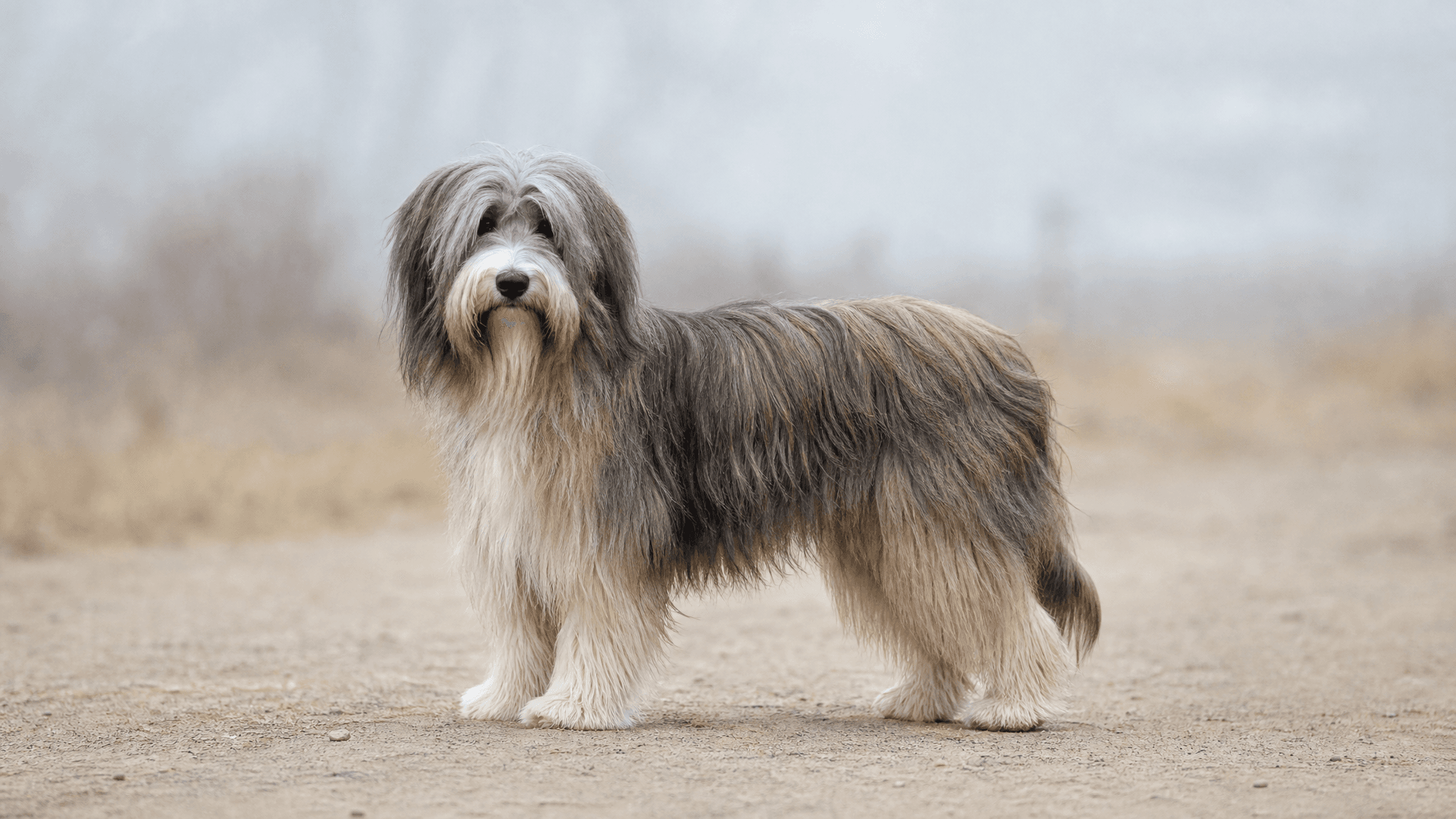
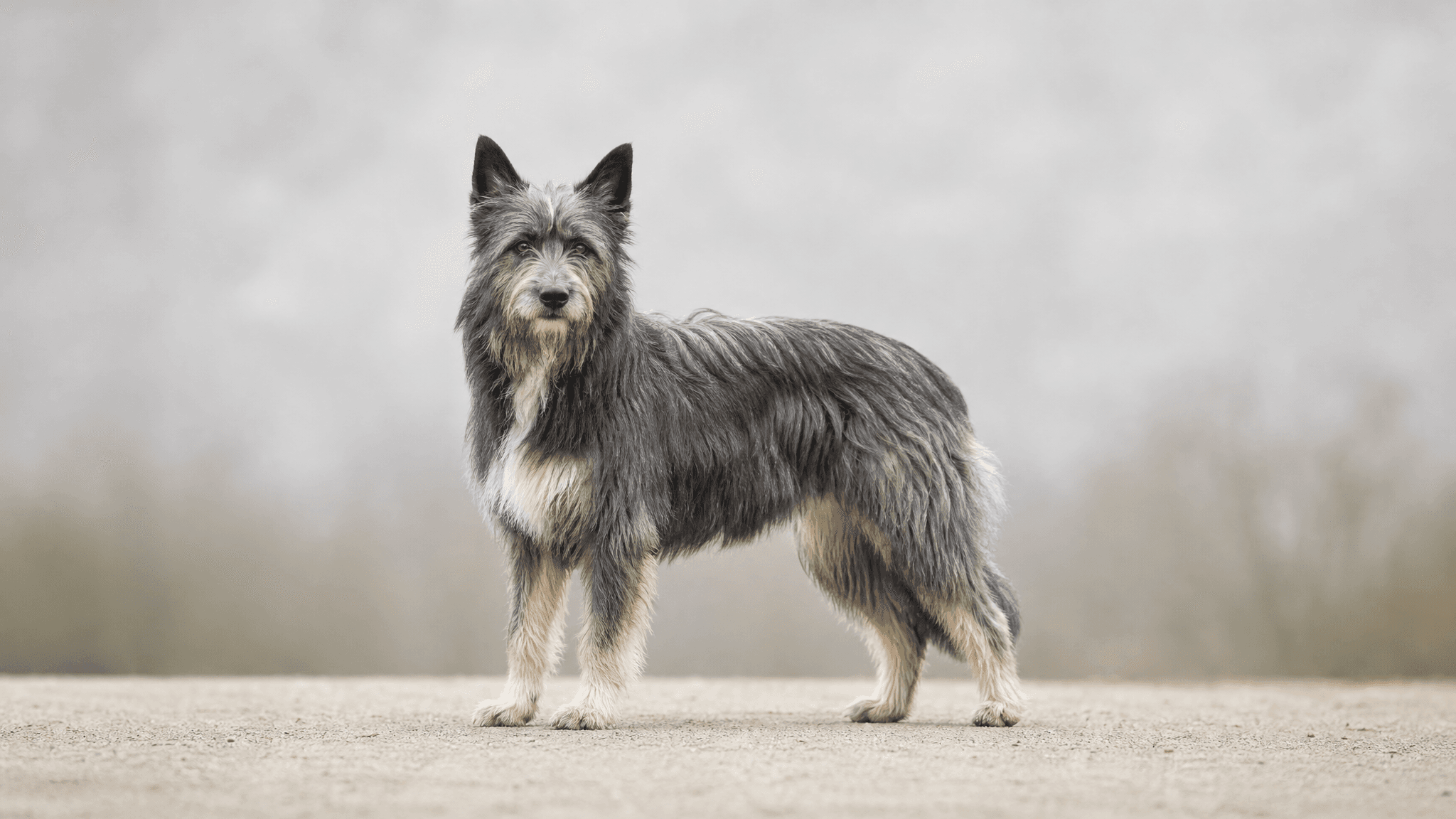
Picardy Sheepdog
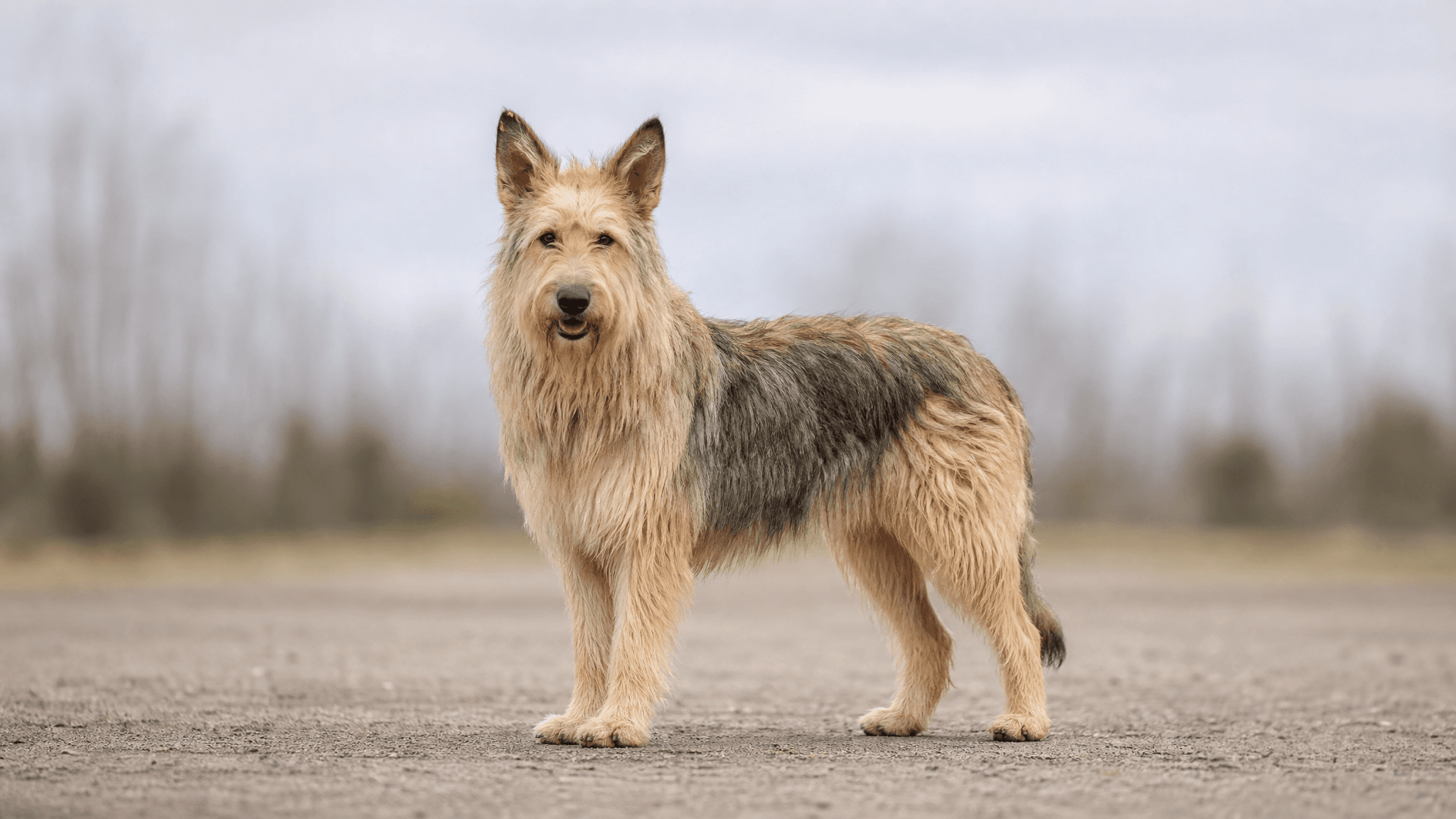
Summary
The Berger Picard is considered the oldest of the French sheepdogs, with depictions in medieval tapestries that may date back to the 9th century. Originating from the Picardy region in northern France, it is a rustic and hardworking breed, of rough appearance but with an unmistakably comic and friendly expression. It nearly disappeared after World War I and World War II, which devastated the Picardy region. It gained popularity in the USA after appearing in the film "Because of Winn-Dixie" in 2005.
Physical Characteristics
- Size
- Medium to large
- Height (male)
- 60–65 cm
- Height (female)
- 55–60 cm
- Weight (male)
- 23–32 kg
- Weight (female)
- 18–25 kg
- Life Expectancy
- 12–13 years
- Coat
- Rough, crisp, dense; with pronounced mustache and eyebrows; almost "shaggy" texture
- Common Colors
- Fawn (in all shades), grey brindle
Temperament & Personality
The Berger Picard is a dog of independent, intelligent and determined personality, but also extremely affectionate with its family. It is known for its peculiar humor and ability to express emotions in a very human way. It can be stubborn and requires a patient owner who uses positive and consistent training methods. It forms very strong bonds with the family but can be selective with strangers.
Activity & Exercise
- Energy Level
- High
- Recommended Daily Exercise
- 90 minutes
- Suitable for Apartment
- Not recommended
Grooming & Care
- Grooming Needs
- Low to moderate
- Shedding
- Moderate
- Bathing Frequency
- Every 6–8 weeks
Health
- Common Health Issues
- Hip dysplasia
- Hypothyroidism
- Progressive retinal atrophy (PRA)
- Recommended Health Tests
- Eye examination
- Orthopedic evaluation
- Thyroid analysis
Compatibility
- With Children
- Good
- With Other Dogs
- Good
- With Cats
- Moderate
- For First-Time Owners
- Not recommended
Is a Picardy Sheepdog right for you?
A Picardy Sheepdog may suit you if:
- You are eager to provide at least 90 minutes of daily vigorous exercise and engaging mental challenges.
- You enjoy an active, outdoor lifestyle and appreciate a dog with a strong, independent spirit.
- You appreciate a dog with a unique, expressive personality and a deep, affectionate bond with its chosen family.
- You are prepared for consistent, positive reinforcement training with a patient and understanding approach.
- You don't mind a rough, shaggy coat that requires moderate grooming to maintain its rustic charm.
- You are comfortable managing a dog that forms strong family bonds but can be reserved with new people.
Think twice if:
- You expect instant, unwavering obedience from your canine companion, as this breed has an independent streak.
- You have a busy schedule that often leaves your dog alone for long periods, as they thrive on companionship.
- You are looking for a dog that will instantly befriend every cat in your household without careful introductions.
- You are unable to commit to daily vigorous activity or consistent, though moderate, coat maintenance.
- You live in an apartment and cannot provide ample outdoor space for a medium to large, high-energy dog.
- You are a first-time dog owner seeking a very easy-to-manage puppy or adolescent dog.
Living with a Picardy Sheepdog is a uniquely rewarding experience, blending deep affection with an independent spirit. They offer boundless loyalty and humor, but their intelligence and determination require an equally committed and patient owner. Embrace their rustic charm and energetic nature, and you'll discover a devoted family member who truly expresses their heart.
Training a Picardy Sheepdog
Your Picardy Sheepdog is a brilliant, independent thinker with a heart full of affection for their family. They thrive on positive reinforcement, praise, and engaging, varied training sessions that appeal to their intelligent and sometimes humorous nature. Keep sessions short, fun, and consistent to prevent boredom and stubbornness. If training becomes repetitive or harsh, a Picardy will quickly disengage, using their determination to simply ignore you, making progress difficult and potentially damaging your bond. Patience and understanding are key to unlocking their full potential.
Begin with:
- Attention and response to name around distractions
- Recall on a long line
- Loose-leash walking
- Leave it and drop it
- Calm greetings without jumping
- Settling on a mat or bed
- Cooperative handling for grooming, ears, feet and teeth
- Waiting at doors and gates
Recall and Prey Drive
As a traditional sheepdog, your Picardy has an innate instinct to observe and often 'herd' moving objects, which can sometimes translate into a strong desire to chase. This independent drive means that without solid recall training, they might follow their instincts over your commands, especially if a squirrel or rabbit catches their eye. Start recall training early in a secure area and gradually introduce distractions. Always use positive reinforcement to make coming back to you the most rewarding choice.
Practice with a long line in varied environments to build reliability before trusting them off-leash in unfenced areas. Remember, their safety depends on a rock-solid recall, so make it a fun game they always want to win. For more in-depth guidance, check out our guide on teaching recall.
Leash Pulling
Your Picardy is a medium to large dog with significant strength, and their independent nature means they won't hesitate to lead the way if not taught otherwise. Pulling on the leash can quickly become a frustrating habit, making walks less enjoyable for both of you. Begin loose-leash training from puppyhood, using positive reinforcement to reward walking calmly by your side. Consistency is crucial – never allow pulling, even for a moment.
Use a comfortable, well-fitting harness that discourages pulling and practice short, frequent sessions in low-distraction environments before moving to busier areas. If your Picardy starts to pull, stop walking immediately and only resume when the leash is slack. This teaches them that pulling gets them nowhere. For further tips, explore our expert advice on stopping leash pulling.
Boredom & Destructive Habits
With a high energy level and a recommendation for 90 minutes of daily exercise, a Picardy Sheepdog needs plenty of physical and mental stimulation. If their needs aren't met, their intelligent and determined mind can turn to less desirable activities to entertain themselves, such as excessive barking, digging, or destructive chewing. They form very strong bonds with their family, so prolonged periods of being left alone without adequate preparation can also lead to anxiety and related behaviors.
Ensure your Picardy receives consistent daily exercise, including walks, playtime, and engaging training sessions. Incorporate puzzle toys, scent work, and interactive games to challenge their minds. Consider dog sports like agility or herding to tap into their natural instincts. A tired and mentally stimulated Picardy is a happy Picardy, less likely to develop problematic behaviors.
Picardy Sheepdog — Frequently Asked Questions
What is the Berger Picard?
The Berger Picard (Picardy Sheepdog) is one of France's oldest herding breeds, originating in the Picardy region of northern France. It is believed to have been brought to France by Celtic tribes around 400 BC, making it one of the most ancient herding breeds in Europe. It is a medium to large, rustic, rough-coated herding dog with a distinctive shaggy, harsh outer coat, upright ears, and an alert, lively expression. It nearly became extinct after the two World Wars devastated the Picardy region. It gained international recognition when it appeared in the 2005 film 'Because of Winn-Dixie' and its US remake, leading to growing interest in the breed outside France.
What is the Berger Picard's temperament like?
The Berger Picard has a lively, energetic, alert, and assertive temperament. It is intelligent, sensitive, and deeply loyal to its family, but tends to be reserved — even aloof — with strangers. It is not a breed that warms up to everyone, and this selectivity is a hallmark of its character. It is confident, independent, and sometimes headstrong. It has a good sense of humour and a playful side. Early and extensive socialisation is essential to prevent excessive wariness or reactivity. It tends to be good with children it has been raised with but should be supervised with younger children due to its herding instincts. It is typically fine with other dogs when properly socialised. It bonds deeply with its family.
How much exercise does a Berger Picard need?
The Berger Picard is a high-energy working herding breed that needs at least 1.5–2 hours of vigorous exercise per day. It was developed for demanding all-day herding work and has real stamina. Long runs, hiking, cycling alongside, agility, herding trials, and advanced obedience are all ideal activities. Mental stimulation is equally important — the Berger Picard is highly intelligent and needs problem-solving challenges and training to prevent boredom and its associated destructive behaviours. It is not suitable for apartment living or for owners who cannot dedicate significant time each day to its exercise and mental needs. In the right active environment, it is athletic, tireless, and joyful.
Is the Berger Picard easy to train?
The Berger Picard is highly intelligent and capable, but its independent, sometimes stubborn streak means training requires an experienced, patient, and creative handler. It learns very quickly but can become bored with repetitive drills and will begin finding its own amusement. Short, varied, game-based training sessions that make it think are most effective. Positive reinforcement works best — it is sensitive and responds poorly to harsh or heavy-handed training. Early socialisation and puppy training classes are strongly recommended. It thrives in advanced dog sports including agility, herding, obedience, and tracking. An experienced trainer who can be consistent, creative, and calm will find it an exceptionally talented and rewarding working partner.
What is the Berger Picard's coat like?
The Berger Picard has a distinctive rough, tousled, waterproof outer coat that is one of its most immediately recognisable features. The coat is medium-length (5–6 cm), harsh in texture, and slightly wavy — it should look naturally unkempt, never soft or groomed into perfection. Colours are fawn (varying from very light to reddish-brown) and brindle, often with a grey underlay. The eyebrows are bushy and the moustache and beard are characteristic and well-developed, giving the breed its characteristic 'scruffy' but noble expression. Surprisingly, the coat requires minimal maintenance — occasional brushing every 2–3 weeks, bathing 3–4 times a year, and trimming of ear hair. The coat does not mat easily and should not be clipped or shaped. It sheds moderately year-round.
Is the Berger Picard good with other dogs and animals?
The Berger Picard is generally sociable with other dogs when properly socialised from puppyhood. It is neither particularly dominant nor submissive, and typically integrates well into multi-dog households. Its herding instincts mean it may attempt to control and herd other animals, which can be a source of friction. It has a moderate prey drive, so careful management with cats and small animals is recommended, particularly with animals introduced to the household after the dog is mature. Early, consistent socialisation with a variety of animals and environments significantly improves its social range and adaptability. An adult Berger Picard that has been well socialised is typically a calm and reliable member of a multi-pet household.
What health issues are common in the Berger Picard?
The Berger Picard is generally a healthy breed, particularly given its small population and the careful breeding practices maintained in France. Hip dysplasia is possible and should be screened in breeding dogs. Progressive retinal atrophy (PRA) — causing gradual vision loss — has been documented in the breed and responsible breeders test for it. Eye conditions should be monitored throughout the dog's life. Hypothyroidism may occur in some individuals. Given the breed's rare status and small gene pool, maintaining genetic diversity is an ongoing priority. Regular veterinary check-ups including eye and hip examinations, appropriate daily exercise, and a balanced diet support long-term health. There are no severe epidemic health conditions known in the breed at this time.
What is the typical lifespan of a Berger Picard?
The Berger Picard typically lives between 12 and 13 years — respectable longevity for a medium to large working herding breed. Its generally hardy constitution contributes to overall health resilience. The main longevity factors are maintaining a lean body weight, providing vigorous daily exercise and meaningful mental engagement, scheduling eye examinations throughout its life (given PRA predisposition), monitoring hip health, and maintaining routine veterinary care. Beautifully rustic and resilient by nature, the Berger Picard tends to age with spirit, maintaining its alert personality and active drive well into its senior years. The breed's growing international following has increased the commitment of breeders worldwide to maintaining health-tested, long-lived breeding lines.
Community
Talk to real Picardy Sheepdog owners
This guide covers the breed on paper. In the app, the Picardy Sheepdog community covers it in real life: photos from other owners, questions answered by people who live with the breed, and a directory of dogs you can browse.
- Photos & pollsSee what Picardy Sheepdog owners are sharing today.
- Questions & answersAsk anything and hear from people who own one.
- Dog directoryBrowse Picardy Sheepdogs from around the world.
You join automatically when you add a Picardy Sheepdog to your profile.