Pharaoh Hound
Summary
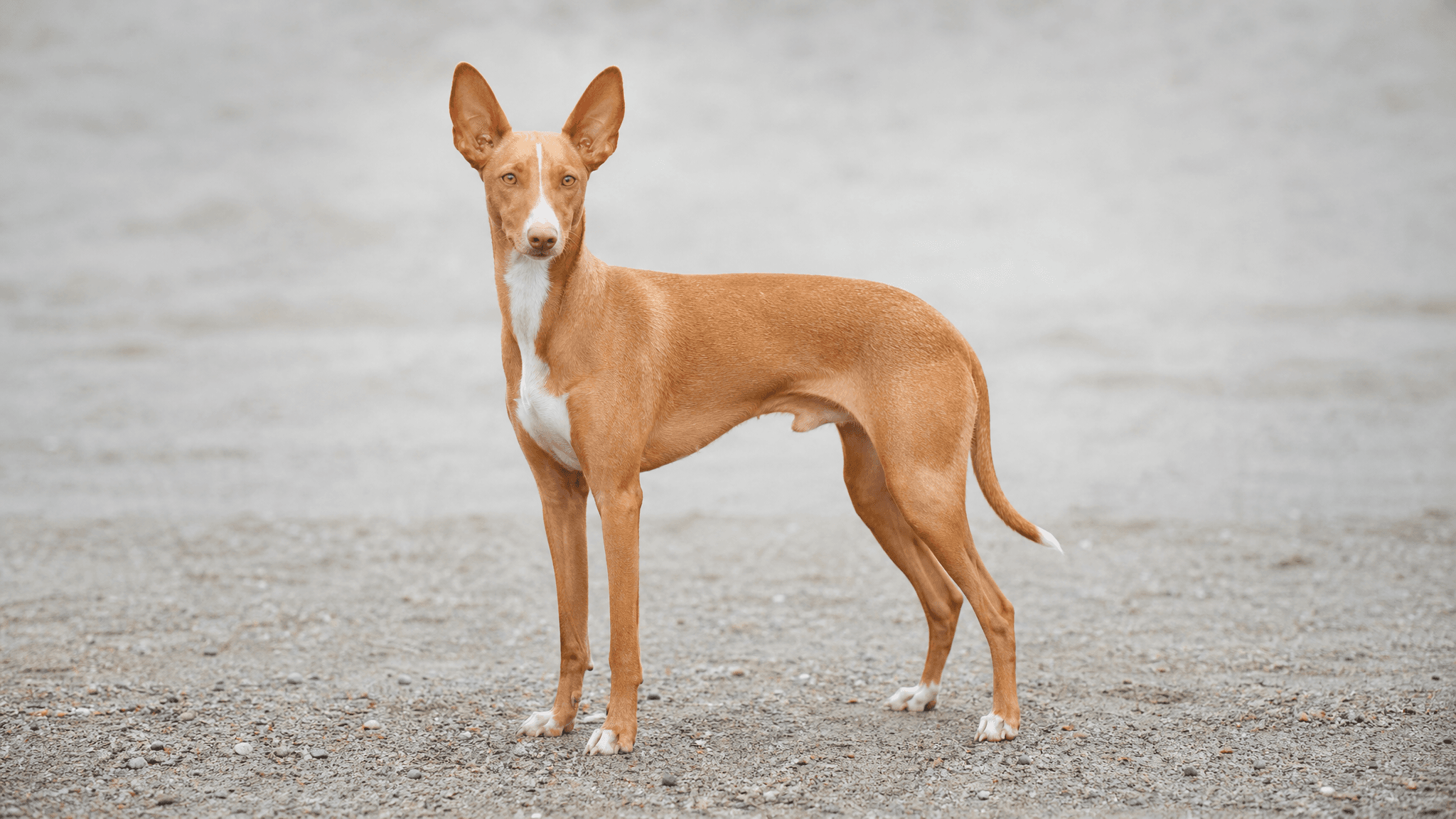
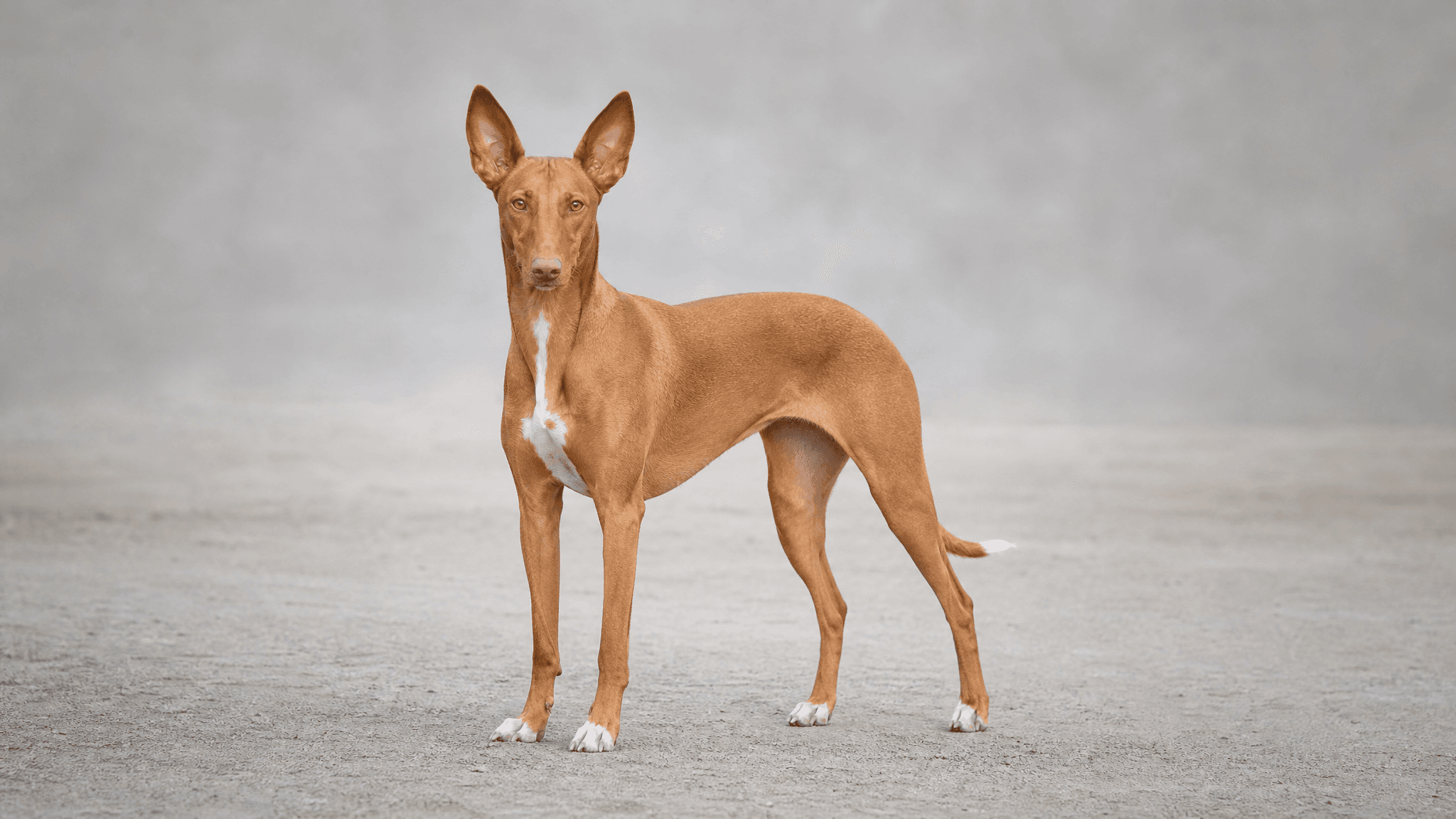
The Pharaoh Hound is the national breed of Malta, where it is known as Kelb tal-Fenek ("rabbit dog" in Maltese). For decades, it was believed to descend directly from the dogs of ancient Egypt — a theory now refuted by DNA analyses that show the breed is of European origin and relatively recent. Despite the evocative name, the breed as it exists today was developed in Malta. It is famous for "blushing" when excited — the nose and ears turn visibly pink.
Physical Characteristics
- Size
- Medium
- Height (male)
- 56–63.5 cm
- Height (female)
- 53–61 cm
- Weight (male)
- 20–25 kg
- Weight (female)
- 18–22 kg
- Life Expectancy
- 12–14 years
- Coat
- Short and glossy; fine to slightly harsh; no feathering or standing coat
- Common Colors
- Golden-tan to rich tan; white tail tip desirable; white star on chest; white paws tolerated; no other colors
Temperament & Personality
The Pharaoh Hound is an alert, intelligent, friendly, and very affectionate dog. It is active and loves to play, but can also be very calm in a domestic setting. It is sensitive to cold and should not be kept outdoors in temperate climates. It has a strong hunting instinct and should always be kept on a leash in open spaces.
Activity & Exercise
- Energy Level
- High
- Recommended Daily Exercise
- 90 minutes
- Suitable for Apartment
- Yes with exercise
Grooming & Care
- Grooming Needs
- Minimal
- Shedding
- Minimal
- Bathing Frequency
- Every 4–6 weeks
Health
- Common Health Issues
- Food hypersensitivity
- Hip dysplasia
- Sensitivity to anesthetics and pesticides
- Recommended Health Tests
- Attention to adverse drug reactions
- Hip evaluation
Compatibility
- With Children
- Excellent
- With Other Dogs
- Excellent
- With Cats
- Can be difficult
- For First-Time Owners
- Acceptable
Is a Pharaoh Hound right for you?
A Pharaoh Hound may suit you if:
- You are prepared to provide at least 90 minutes of vigorous exercise and engaging play daily.
- You enjoy an active lifestyle that includes plenty of outdoor adventures, always on leash in open spaces.
- You appreciate a sensitive, intelligent, and affectionate companion who thrives on close family bonds.
- You are committed to consistent, positive reinforcement training to channel their intelligence and instincts.
- You appreciate a low-maintenance coat that requires minimal grooming and sheds very little.
- You are charmed by their unique "blushing" when excited and can manage their strong prey drive responsibly.
Think twice if:
- You expect unwavering obedience off-leash in open areas, as their strong prey drive can be a challenge.
- You frequently leave your dog alone for long periods, as they thrive on companionship and warmth indoors.
- You have cats and are unwilling to manage potential difficulties in integrating them with a sighthound's instincts.
- You are unable to commit to 90 minutes of daily exercise, as a bored Pharaoh Hound can become restless.
- You have an unfenced yard or believe they can be trusted off-leash in unsecured areas.
- You are unprepared for managing a playful, energetic medium-sized dog during their excitable adolescent phase.
Living with a Pharaoh Hound is a deeply rewarding experience for those who understand their unique blend of affectionate companionship and spirited independence. While they are loving family members who adore being with you, their ancient hunting instincts and high energy demand consistent engagement and secure environments. They offer years of joy (12-14 years!) to active homes prepared to embrace their charming quirks and meet their needs.
Training a Pharaoh Hound
Pharaoh Hounds are wonderfully intelligent and affectionate dogs, eager to please their beloved humans. They thrive on positive reinforcement, responding best to short, fun, and engaging training sessions that keep their bright minds stimulated. Consistency is key, but avoid repetitive drills that can quickly lead to boredom. Harsh corrections or a lack of clear guidance will only confuse and disengage this sensitive breed, potentially making them shut down or develop unwanted behaviors. Keep it light, rewarding, and always end on a positive note!
Begin with:
- Attention and response to name around distractions
- Recall on a long line
- Loose-leash walking
- Leave it and drop it
- Calm greetings without jumping
- Settling on a mat or bed
- Cooperative handling for grooming, ears, feet and teeth
- Waiting at doors and gates
Strong Prey Drive
Pharaoh Hounds have an incredibly strong hunting instinct, earning them the Maltese name "rabbit dog." This means that off-leash recall can be exceptionally challenging, as their instinct to chase will override almost anything else. Always keep your Pharaoh Hound on a leash in open spaces, as our curated facts recommend. Focus on building a rock-solid recall in distraction-free environments first, gradually introducing mild distractions.
Use high-value treats and make coming back to you the most rewarding thing ever. Consider a long line for safe practice in secure areas. Our guide on recall can help you master this vital skill.
Leash Manners
Given their high energy and active nature, Pharaoh Hounds can be enthusiastic walkers, which often translates to pulling on the leash. Their medium size and strength mean this can quickly become an uncomfortable experience for both of you. Start loose-leash training early and be consistent.
Reward every moment they walk beside you with a slack leash. If they pull, stop immediately and only resume walking when the leash is loose again. This teaches them that pulling gets them nowhere. This training plan offers excellent strategies for success.
Boredom and Restlessness
Pharaoh Hounds require a significant amount of exercise, with a recommended 90 minutes per day. If they don't get enough physical activity or mental stimulation, their intelligence and energy can manifest as destructive chewing, excessive barking, or general restlessness. This breed is suitable for apartments but only with sufficient exercise.
Ensure they have plenty of opportunities to run and play, ideally in a secure, fenced area. Puzzle toys, scent work, and training games can also help keep their minds engaged and prevent boredom-related issues. Regular mental challenges are just as important as physical activity for their overall well-being. Consider our Training feature to help structure their routine.
Pharaoh Hound — Frequently Asked Questions
What is the Pharaoh Hound?
The Pharaoh Hound is a truly captivating breed, medium in size and brimming with energy! Originating from Malta, where it's affectionately known as Kelb tal-Fenek, meaning "rabbit dog," this breed is part of the FCI's Primitive Type group. While its name evokes ancient Egypt, DNA analysis shows it's a relatively recent European development, not a direct descendant of pharaonic dogs. They are renowned for their alert intelligence, friendly demeanor, and deep affection for their families. A unique characteristic is their charming "blush" – their nose and ears can turn visibly pink when they get excited!
What was the Pharaoh Hound originally bred for?
The Pharaoh Hound, or Kelb tal-Fenek, was originally developed in Malta with a very specific purpose in mind: hunting! Their Maltese name, "rabbit dog," gives a clear clue to their historical role. These agile and intelligent hounds were bred to be exceptional hunters, particularly of rabbits, using their keen senses and impressive speed. This strong hunting instinct is still very much a part of their nature today, making them incredibly alert and focused when they spot potential quarry. It's a testament to their heritage as dedicated working dogs.
How much exercise does a Pharaoh Hound need?
Pharaoh Hounds are wonderfully energetic dogs, so they definitely need a good amount of exercise to stay happy and healthy! With their high energy level, we recommend around 90 minutes of activity every day. This could include brisk walks, playful romps in a securely fenced yard, or engaging in dog sports. Remember, they possess a strong hunting instinct, so it's crucial to always keep your Pharaoh Hound on a leash when you're in open spaces to prevent them from chasing after interesting scents or small animals. They love to play and thrive on activity!
Is the Pharaoh Hound a good family dog?
Absolutely! The Pharaoh Hound can be a wonderful addition to many families. They are known for being friendly, very affectionate, and intelligent, often forming strong bonds with their human companions. They love to play and can be quite active, but they also have a lovely calm side when indoors, enjoying quiet time with their loved ones. While generally good with children due to their playful and affectionate nature, their strong hunting instinct means careful introductions and supervision are wise, especially with smaller, non-canine pets. Early socialization is always key!
Is the Pharaoh Hound easy to train?
Pharaoh Hounds are intelligent and alert dogs, which generally makes them quite capable learners! While they are smart, they can also have an independent streak, characteristic of many sighthound breeds. This means consistent, positive reinforcement training methods work best, focusing on making learning fun and rewarding. They respond beautifully to kindness and patience. Early socialization and puppy classes are highly recommended to help them grow into well-adjusted adults. Their desire to please, combined with their intelligence, makes them very trainable companions for those who understand their unique temperament.
What health issues are common in the Pharaoh Hound?
Like all breeds, Pharaoh Hounds can be prone to certain health considerations, and being aware of these helps ensure they receive the best care. Documented concerns for the breed include food hypersensitivity, which means some may have allergies or sensitivities to certain ingredients in their diet. They can also be susceptible to hip dysplasia, a condition affecting the hip joints. Additionally, Pharaoh Hounds are known to have a sensitivity to anesthetics and pesticides, so it's vital to discuss this with your veterinarian before any medical procedures or pest control treatments. Regular vet check-ups are always a good idea!
What is the Pharaoh Hound's coat like and how much grooming does it need?
The Pharaoh Hound sports a short, fine coat that is wonderfully low-maintenance, making grooming a breeze! This sleek coat doesn't require extensive care, typically needing just a quick brush once a week to remove loose hairs and keep it looking shiny. While their grooming needs are minimal, it's important to remember that Pharaoh Hounds are sensitive to cold. Their short coat offers little protection, so they should never be kept outdoors in temperate climates and will appreciate a cozy sweater or coat when temperatures drop for walks or outdoor adventures. They truly are wash-and-wear companions!
What is the typical lifespan of a Pharaoh Hound?
Pharaoh Hounds are generally robust and healthy dogs, and with proper care, they can be cherished companions for many years! The typical lifespan for a Pharaoh Hound is between 12 and 14 years. Providing them with a balanced diet, regular exercise, routine veterinary check-ups, and plenty of love will contribute significantly to their longevity and quality of life. They truly offer a long and loving companionship to their families, bringing joy and their unique charm for over a decade.
Community
Talk to real Pharaoh Hound owners
This guide covers the breed on paper. In the app, the Pharaoh Hound community covers it in real life: photos from other owners, questions answered by people who live with the breed, and a directory of dogs you can browse.
- Photos & pollsSee what Pharaoh Hound owners are sharing today.
- Questions & answersAsk anything and hear from people who own one.
- Dog directoryBrowse Pharaoh Hounds from around the world.
You join automatically when you add a Pharaoh Hound to your profile.