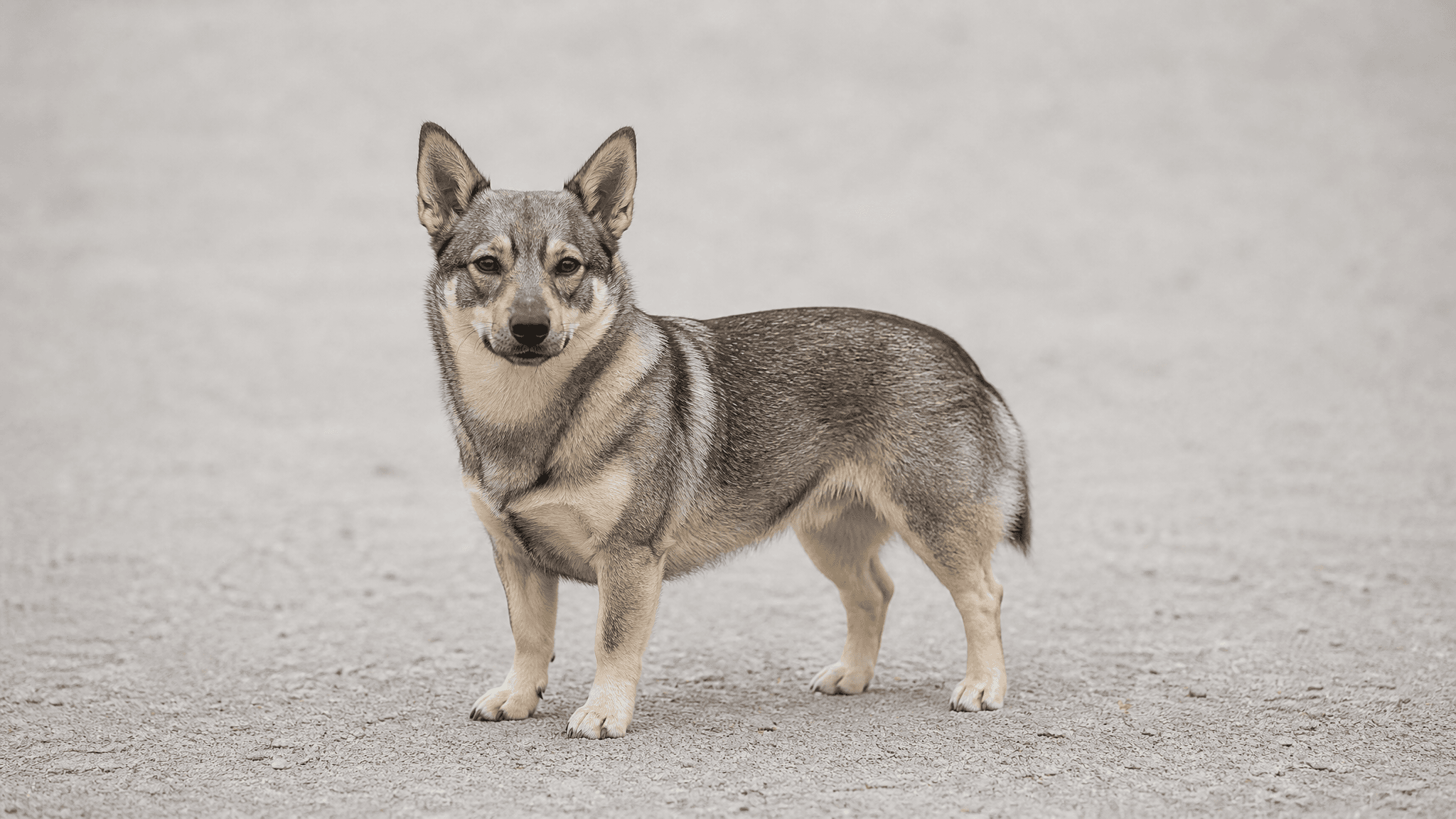
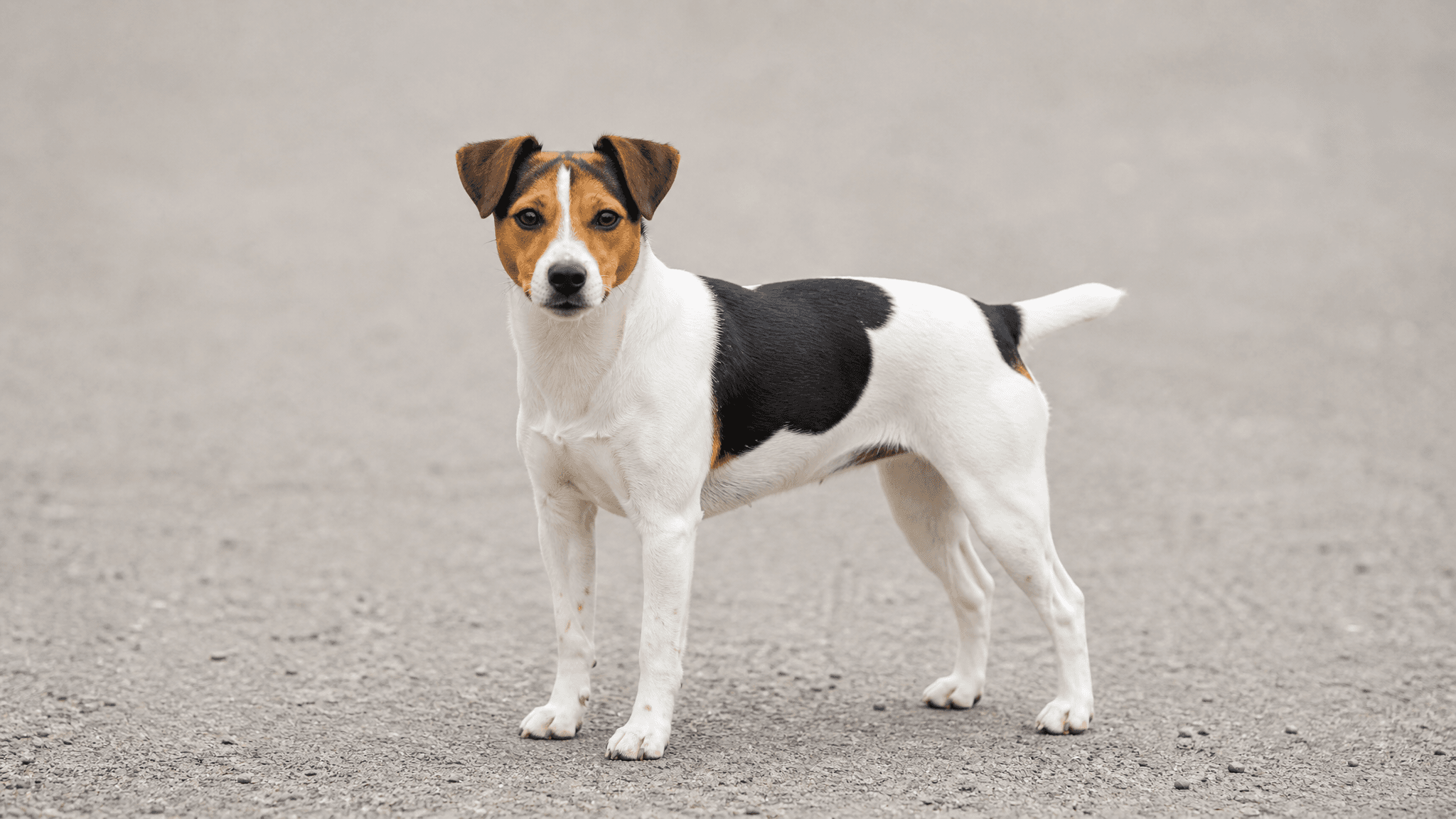
Norrbottenspitz
Summary
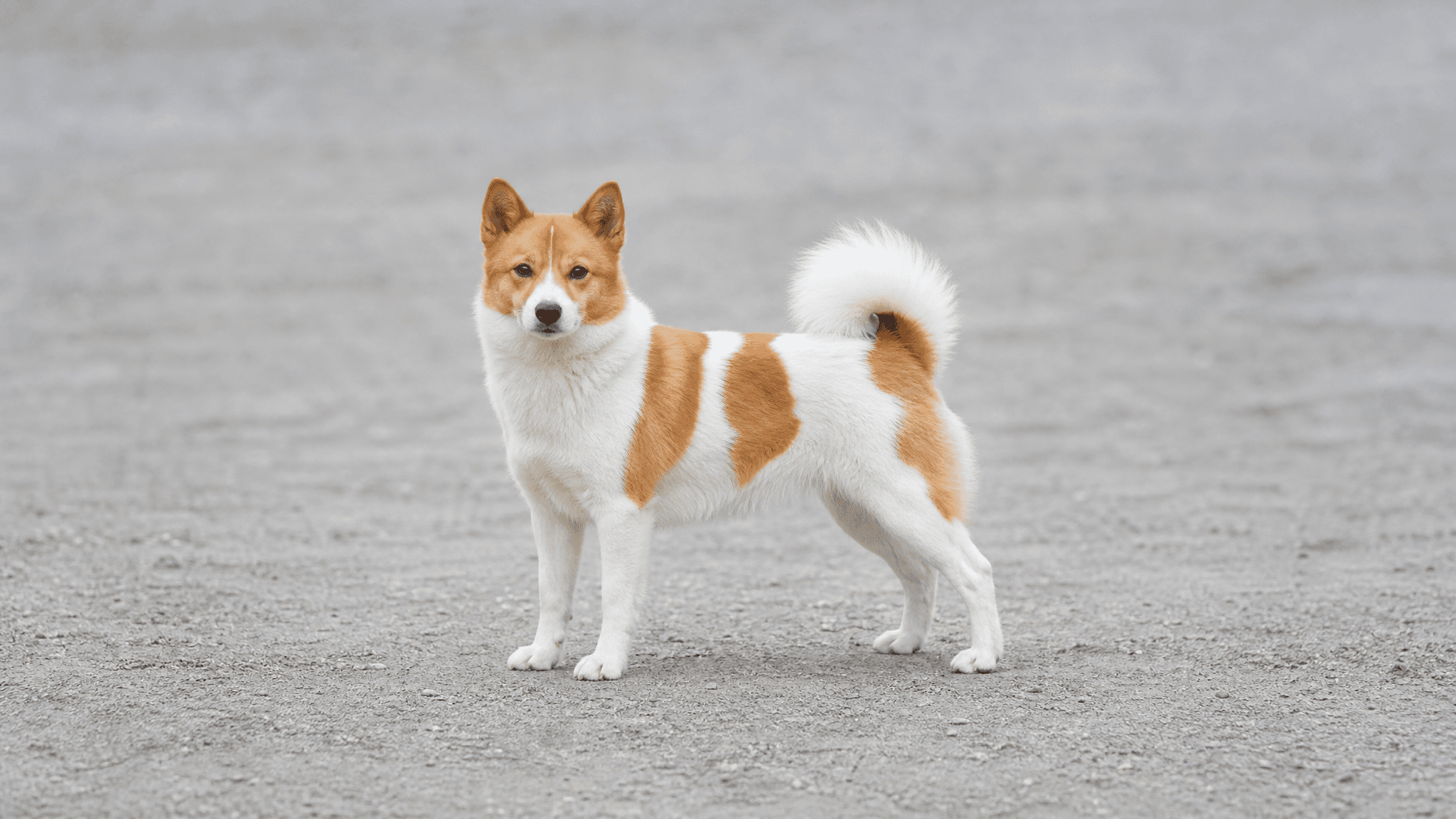
The Norrbottenspitz is a small Swedish hunting dog developed in northern Sweden (Norrbotten) primarily for hunting large forest birds, such as the capercaillie and the black grouse, but also capable of working with other types of game. It was considered extinct for some time in the 20th century, but Swedish preservation programs managed to reconstitute the breed. It is an agile and hardy Spitz, optimized for forest terrain.
Physical Characteristics
- Size
- Small
- Height (male)
- 45 cm
- Height (female)
- 42 cm
- Weight (male)
- 8–15 kg
- Weight (female)
- 7–12 kg
- Life Expectancy
- 14–17 years
- Coat
- Double; short, hard, and straight outer coat; fine and dense undercoat
- Common Colors
- White with well-defined patches in shades of red, yellow, or fawn (fire color)
Temperament & Personality
The Norrbottenspitz is a confident, lively, and good-natured dog, with a keen hunting instinct but a welcoming temperament at home. It is intelligent, easy to train for its functions, and affectionate with the family. It has the vocalization tendency characteristic of Nordic hunting dogs and should be trained to manage its barking.
Activity & Exercise
- Energy Level
- High
- Recommended Daily Exercise
- 60 minutes
- Suitable for Apartment
- Not recommended
Grooming & Care
- Grooming Needs
- Low
- Shedding
- Moderate
- Bathing Frequency
- Every 6–8 weeks
Health
- Common Health Issues
- Generally very healthy and long-lived breed
- Hip dysplasia possible
- Recommended Health Tests
- Hip evaluation
Compatibility
- With Children
- Good
- With Other Dogs
- Good
- With Cats
- Moderate
- For First-Time Owners
- Acceptable
Is a Norrbottenspitz right for you?
A Norrbottenspitz may suit you if:
- You are eager to provide at least an hour of vigorous activity and engaging mental challenges daily.
- You enjoy outdoor adventures like hiking or scent work, embracing their natural hunting drive.
- You appreciate a confident, lively companion who is deeply affectionate and good-natured at home.
- You are prepared to consistently train, especially to manage their natural vocalizations and keen intelligence.
- You prefer a dog with a low-maintenance double coat that only requires moderate shedding management.
- You are willing to manage a strong prey drive and train for appropriate barking, typical of Nordic hunting dogs.
Think twice if:
- You expect unwavering obedience from a dog, as their independent spirit is strong.
- You have a busy schedule that leaves a dog alone for long periods, as they thrive on companionship.
- You have small, non-canine pets that might trigger their strong prey drive.
- You are unable to commit to at least an hour of daily exercise or regular brushing for their moderate shedding.
- You live in an apartment or cannot provide a securely fenced yard for their energetic explorations.
- You are unprepared to consistently manage a confident, agile dog during their energetic adolescent phase.
The Norrbottenspitz is a delightful blend of affectionate family companion and independent, intelligent hunter. While their good nature and relatively low grooming needs are appealing, their high energy and vocal tendencies require a dedicated owner prepared for consistent training and outdoor adventures. They offer immense joy to those who understand and embrace their unique Spitz spirit.
Training a Norrbottenspitz
Your Norrbottenspitz is a bright, intelligent companion with a keen hunting instinct, making training a rewarding experience when approached correctly. They thrive on engaging, positive reinforcement sessions that are kept short and fun, often motivated by high-value treats or a favorite toy. Consistency is key, but so is variety to keep their intelligent minds stimulated. If training becomes repetitive or harsh, a Norrbottenspitz may quickly become bored, disengaged, or even develop a stubborn streak, potentially leading to increased vocalization or independent behaviors due to their high energy and natural drives.
Begin with:
- Attention and response to name around distractions
- Recall on a long line
- Loose-leash walking
- Leave it and drop it
- Calm greetings without jumping
- Settling on a mat or bed
- Cooperative handling for grooming, ears, feet and teeth
- Waiting at doors and gates
Recall and prey drive
The Norrbottenspitz possesses a very strong prey drive, a natural instinct for a hunting dog. This can make recall challenging, especially when they catch sight or scent of something interesting. To overcome this, start recall training in a quiet, distraction-free environment, gradually introducing more distractions. Always use high-value rewards like tasty treats or a favorite squeaky toy to make coming back to you the most rewarding option.
Practice recall frequently on a long line in varied, safe locations to build reliability before trusting them off-leash in unfenced areas. Consider enrolling in a training program to reinforce these vital skills.
Pulling on leash
Despite their small size, Norrbottenspitz dogs are energetic and can pull surprisingly hard on the leash, especially when their keen senses are engaged. This isn't just uncomfortable for you; it can be frustrating for your dog too. Start loose-leash training early, rewarding every step your dog takes with a slack leash.
Consistency is crucial, and ensure your Norrbottenspitz gets their recommended 60 minutes of daily exercise to help manage their high energy. A front-clip harness can be a helpful tool for teaching loose-leash walking, providing gentle redirection without discomfort.
Barking and boredom
As Nordic hunting dogs, Norrbottenspitz have a natural tendency to vocalize, and this can escalate into excessive barking if they are under-exercised, under-stimulated, or left alone for too long. Their high energy level means they need both physical and mental engagement to prevent boredom.
Ensure your Norrbottenspitz receives plenty of daily exercise and incorporates mentally stimulating activities like puzzle toys, scent work, or obedience games. Training them to be quiet on command and providing a comfortable, safe space like a crate can also help manage barking and prevent destructive behaviors when you're not around. For more guidance on managing vocalization, our Behaviour AI feature can offer personalized insights.
Norrbottenspitz — Frequently Asked Questions
What is the Norrbottenspets (Norrbottenspitz)?
The Norrbottenspets, also known as the Norrbottenspitz, is a charming and agile small dog breed originating from northern Sweden, specifically the Norrbotten region. They belong to FCI Group 5, which encompasses Nordic Hunting Dogs. This hardy Spitz breed is characterized by its confident, lively, and good-natured temperament, coupled with a keen hunting instinct. Though they were once considered extinct in the 20th century, dedicated Swedish preservation programs successfully brought this wonderful breed back. Optimized for navigating forest terrain, they are truly a resilient and unique companion.
What was the Norrbottenspets (Norrbottenspitz) originally bred for?
The Norrbottenspets was originally developed in the rugged landscapes of northern Sweden with a very specific purpose in mind: hunting. These intelligent and agile dogs were primarily bred to hunt large forest birds, such as the capercaillie and the black grouse, excelling in flushing game and alerting hunters. Their keen senses and vocalizations made them invaluable partners in the dense forests. While their specialty was forest birds, they were also capable of working with other types of game, showcasing their versatility as skilled hunting companions. Their history is one of resilience, having been reconstituted after nearly disappearing.
How much exercise does a Norrbottenspets (Norrbottenspitz) need?
The Norrbottenspets is a small dog with a surprisingly high energy level, so they definitely need a good amount of exercise to stay happy and healthy! We recommend at least 60 minutes of physical activity every day. This isn't just about walks; they thrive on varied activities like brisk jogs, challenging hikes, or engaging in dog sports that stimulate both their body and mind. Given their hunting background, activities that involve scent work or "finding" games are particularly enjoyable for them. Consistent exercise helps manage their energy and keeps them well-behaved at home.
Is the Norrbottenspets (Norrbottenspitz) a good family dog?
Absolutely! The Norrbottenspets can make a wonderful addition to the right family. They are known for their welcoming temperament at home and are very affectionate with their family members, often forming strong bonds. With children, their good-natured and lively personalities can make them fun playmates, especially when properly socialized and supervised. However, it's important to remember their keen hunting instinct; while they can coexist with other pets, particularly if raised together, careful introductions and supervision are always wise, especially with smaller, prey-like animals. Early socialization is key for a harmonious multi-pet household.
Is the Norrbottenspets (Norrbottenspitz) easy to train?
Yes, the Norrbottenspets is generally considered intelligent and quite trainable, especially when it comes to learning tasks related to their original functions. Their confident and lively temperament means they respond well to positive reinforcement and engaging training sessions. They are eager to please their family and enjoy having a "job" to do. However, like many Nordic hunting dogs, they do have a tendency to be vocal, so early training to manage their barking is essential for a peaceful home environment. Consistent, patient training from a young age will help them become well-mannered and responsive companions.
What health issues are common in the Norrbottenspets (Norrbottenspitz)?
One of the wonderful aspects of the Norrbottenspets is that they are generally a very healthy and long-lived breed! They are known for their hardiness and resilience. While they are robust, like many active breeds, there is a possibility of hip dysplasia occurring. Responsible breeders screen their dogs for this condition to help maintain the breed's excellent health. Regular veterinary check-ups, a balanced diet, and appropriate exercise are key to supporting their overall well-being and ensuring your Norrbottenspets enjoys a long, vibrant life with you. They truly are a testament to natural vigor!
What is the Norrbottenspets (Norrbottenspitz)'s coat like and how much grooming does it need?
The Norrbottenspets boasts a protective coat typical of a hardy Spitz breed, perfectly optimized for the varied forest terrain of its Swedish homeland. While the provided facts don't detail specific grooming needs, dogs with such protective coats generally require moderate grooming to keep them healthy and free of mats. Regular brushing, perhaps a few times a week, will help remove loose hair, distribute natural oils, and keep their double coat in good condition. During seasonal shedding periods, you might find they need a bit more attention with the brush to manage the increased hair fall. It’s all part of caring for their natural beauty!
What is the typical lifespan of a Norrbottenspets (Norrbottenspitz)?
You'll be delighted to know that the Norrbottenspets is renowned for being a very long-lived breed! These hardy and healthy companions typically enjoy a lifespan of 14 to 17 years. This impressive longevity is a testament to their robust genetics and overall good health. Providing them with excellent nutrition, regular veterinary care, plenty of exercise, and a loving home environment will help ensure your Norrbottenspets thrives for many wonderful years. It's truly a joy to have such a vibrant and enduring friend by your side for such a significant portion of your life.
Community
Talk to real Norrbottenspitz owners
This guide covers the breed on paper. In the app, the Norrbottenspitz community covers it in real life: photos from other owners, questions answered by people who live with the breed, and a directory of dogs you can browse.
- Photos & pollsSee what Norrbottenspitz owners are sharing today.
- Questions & answersAsk anything and hear from people who own one.
- Dog directoryBrowse Norrbottenspitzs from around the world.
You join automatically when you add a Norrbottenspitz to your profile.