Danish-Swedish Farmdog
Summary
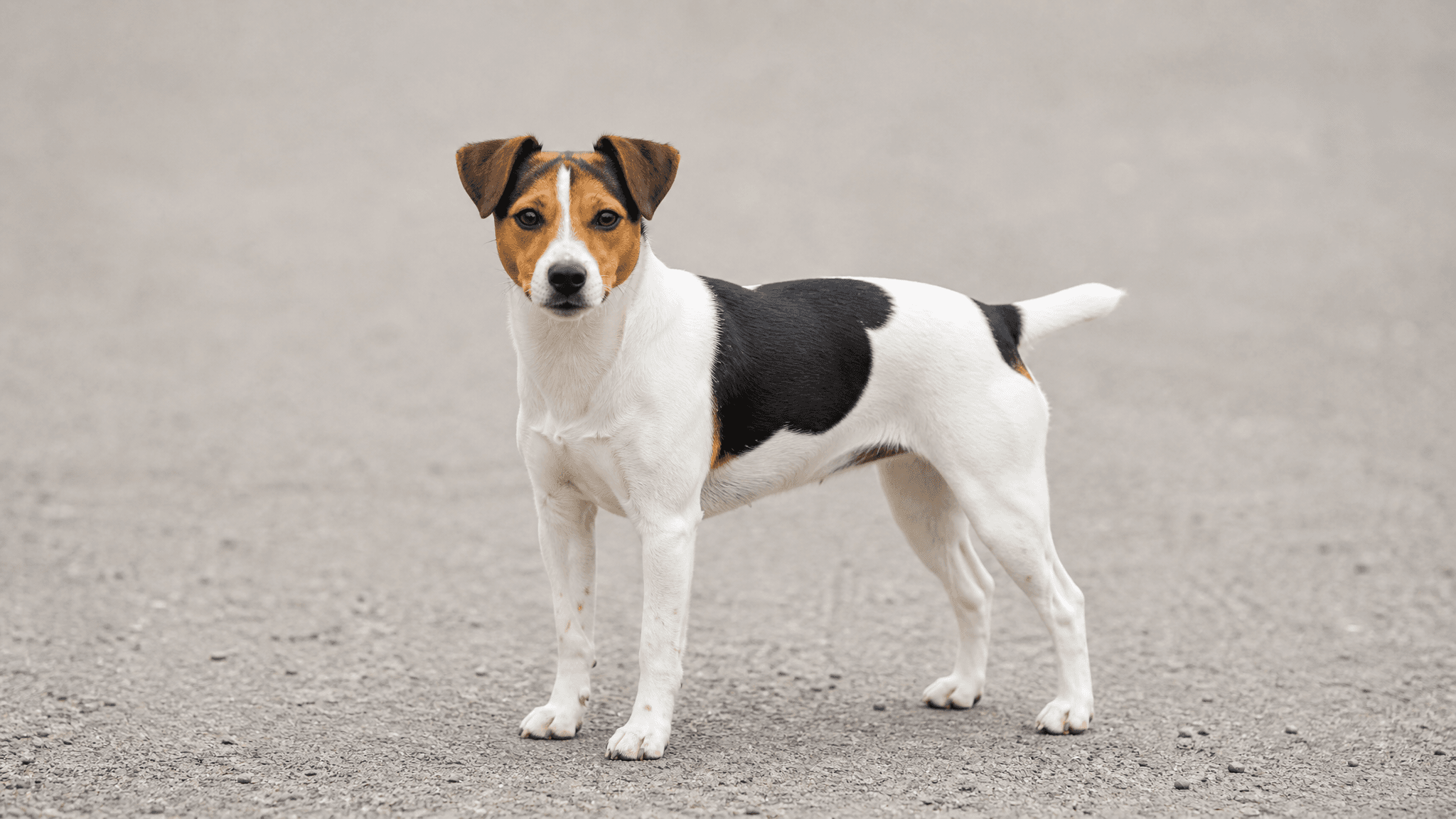
The Danish-Swedish Farmdog is a small and very ancient breed from the rural areas of Scandinavia, where it was used to hunt rats, help with farm tasks, and serve as a companion. Its versatility led it to be used in travelling circuses, where its intelligence and agility performed wonders. Although rare outside Northern Europe, it is an extraordinary breed for active families.
Physical Characteristics
- Size
- Small
- Height (male)
- 32–37 cm
- Height (female)
- 30–35 cm
- Weight (male)
- 7–12 kg
- Weight (female)
- 7–12 kg
- Life Expectancy
- 11–13 years
- Coat
- Short, smooth, and hard
- Common Colors
- Predominantly white with brown, black patches, or a combination of both
Temperament & Personality
The Danish-Swedish Farmdog is one of the most balanced and friendly breeds in Group 2. It is very sociable, both with people and other animals, and loves playing with children. It matures late — some individuals maintain puppy-like behaviour until 3–4 years of age — and has a high energy level that needs to be managed with regular activity. It is intelligent, easy to train, and rarely aggressive.
Activity & Exercise
- Energy Level
- High
- Recommended Daily Exercise
- 60–90 minutes
- Suitable for Apartment
- Yes with exercise
Grooming & Care
- Grooming Needs
- Low
- Shedding
- Moderate
- Bathing Frequency
- Every 4–6 weeks
Health
- Common Health Issues
- Generally very healthy (working breed)
- Occasional eye problems
- Patellar luxation
- Recommended Health Tests
- Orthopedic and eye evaluation
Compatibility
- With Children
- Excellent
- With Other Dogs
- Excellent
- With Cats
- Good
- For First-Time Owners
- Recommended
Is a Danish-Swedish Farmdog right for you?
A Danish-Swedish Farmdog may suit you if:
- You are prepared to provide 60 to 90 minutes of daily exercise and engaging mental challenges.
- You enjoy an active lifestyle, perhaps even dabbling in dog sports or agility with your intelligent companion.
- You appreciate a highly sociable, friendly, and balanced companion who thrives on interaction.
- You are ready to engage in consistent, positive training with an intelligent and biddable learner.
- You prefer a low-maintenance grooming routine, only needing occasional brushing and bathing every 4 to 6 weeks.
- You are prepared to manage their natural instinct for chasing small critters with positive redirection.
Think twice if:
- You expect immediate, perfect obedience from a dog that matures slowly and retains puppy-like energy for years.
- You have a demanding schedule that would leave your dog alone for long stretches without companionship or activity.
- You have very small caged pets like hamsters or gerbils that could trigger their natural prey drive.
- You are unable or unwilling to commit to at least 60 to 90 minutes of vigorous daily activity.
- You have an unsecure yard or expect your agile, curious dog to be content without proper containment.
- You are unprepared for the energetic, sometimes boisterous, puppy-like antics that can last for several years.
The Danish-Swedish Farmdog is a truly special companion, offering boundless joy and intelligence. While their playful, puppy-like nature and high energy demand consistent engagement and activity, their sociable and affectionate spirit makes every effort worthwhile. For active families prepared to embrace their charming quirks and provide dedicated training, a Farmdog offers 11 to 13 years of devoted friendship.
Training a Danish-Swedish Farmdog
Your Danish-Swedish Farmdog is a joy to train, thanks to their keen intelligence and eagerness to please! These sociable pups thrive on positive reinforcement, making short, fun, and engaging sessions highly effective. They are motivated by praise, play, and tasty treats, which keeps their focus sharp. However, remember that this breed matures late, often retaining puppy-like behaviors until 3-4 years of age. If training becomes inconsistent or overly repetitive, or if you resort to harsh methods, your Farmdog may become bored, disengaged, or even confused, making progress much slower.
Begin with:
- Attention and response to name around distractions
- Recall on a long line at first
- Loose-leash walking
- Leave it and drop it
- Calm greetings without jumping
- Settling on a mat or bed
- Cooperative handling for grooming, ears, feet and teeth
- Waiting at doors and gates
Prey Drive and Recall
With a history of hunting rats on Scandinavian farms, your Danish-Swedish Farmdog possesses a natural and strong prey drive. While this makes them wonderfully alert, it can also mean a squirrel or a scurrying leaf becomes an irresistible distraction, potentially leading to a forgotten recall. It's vital to build a rock-solid 'come' command in varied environments, starting in low-distraction areas and gradually increasing the challenge. Always use a long line in unfenced areas until their recall is absolutely reliable, and reward them generously for checking in with you, even without a prompt. For more in-depth advice, check out this guide.
Bouncy Greetings and Leash Manners
Danish-Swedish Farmdogs are incredibly sociable and love people and other animals, which can translate into enthusiastic, sometimes bouncy, greetings. Despite their small size (7-12 kg), a highly energetic Farmdog can still pull surprisingly hard on the leash when excited. Start teaching polite leash manners early, rewarding calm walking beside you. Practice 'four on the floor' for greetings, where all paws must remain on the ground before they receive attention. Consistency is key, and you'll find that their intelligence makes them quick learners. Our guide on how to stop a puppy pulling on the leash offers a great starting point.
Managing High Energy
Your Danish-Swedish Farmdog has a high energy level and needs 60-90 minutes of daily exercise to stay happy and well-behaved. Without sufficient physical activity and mental stimulation, this intelligent breed can easily become bored, leading to undesirable behaviours like excessive barking, digging, or destructive chewing. Ensure their daily routine includes engaging walks, playtime, and puzzle toys. They also excel in dog sports like agility or obedience, which provide an excellent outlet for their minds and bodies. Remember, a tired Farmdog is a good Farmdog! For help building consistent routines, explore our training feature.
Danish-Swedish Farmdog — Frequently Asked Questions
What is the Dansk-Svensk Gårdshund (Danish-Swedish Farmdog)?
The Dansk-Svensk Gårdshund, or Danish-Swedish Farmdog, is a charming and versatile small breed hailing from the rural areas of Denmark and Sweden. As an ancient breed, it's part of FCI Group 2 (Pinscher type dogs), known for its balanced and friendly nature. These intelligent and agile dogs were originally bred for a variety of tasks on the farm, from hunting rats to assisting with daily chores, and even serving as beloved companions. Their adaptability and cleverness were so remarkable that they even found roles in traveling circuses! They are truly extraordinary, active companions.
What was the Dansk-Svensk Gårdshund (Danish-Swedish Farmdog) originally bred for?
The Danish-Swedish Farmdog has a rich history rooted in the Scandinavian countryside, where it was truly a jack-of-all-trades! These clever canines were originally bred to be invaluable farmhands. Their primary duties included keeping barns free of rodents, making them excellent rat hunters. Beyond pest control, they assisted with various farm tasks and, perhaps most importantly, served as loyal and affectionate companions to their human families. Their intelligence and agility were so impressive that they even captivated audiences in traveling circuses, showcasing their incredible versatility and quick wit.
How much exercise does a Dansk-Svensk Gårdshund (Danish-Swedish Farmdog) need?
Oh, these little dynamos have a high energy level and absolutely thrive on activity! To keep your Danish-Swedish Farmdog happy and well-behaved, you should plan for a good 60 to 90 minutes of exercise every single day. This isn't just about physical activity; it's also about mental stimulation. Remember, they mature quite late, often maintaining their playful, puppy-like behavior until they're 3 or 4 years old, so consistent, engaging activity is key to managing that youthful exuberance. Daily walks, playtime, and even dog sports will help them burn off energy and stay content.
Is the Dansk-Svensk Gårdshund (Danish-Swedish Farmdog) a good family dog?
Absolutely, the Danish-Swedish Farmdog makes a wonderful addition to active families! They are truly one of the most balanced and friendly breeds, known for being incredibly sociable with both people and other animals. These dogs adore playing with children, making them fantastic companions for little ones who understand how to interact respectfully with a dog. Their rarely aggressive nature and amiable temperament mean they generally get along well with other pets too, provided proper introductions are made. They bring so much joy and playful energy to a family home!
Is the Dansk-Svensk Gårdshund (Danish-Swedish Farmdog) easy to train?
Yes, you'll be delighted to know that the Danish-Swedish Farmdog is considered very easy to train! They are highly intelligent and possess a wonderful, balanced temperament that makes them eager to please. While they do have a high energy level and can be puppy-like until 3-4 years of age, their cleverness means they pick up new commands and tricks quickly. Positive reinforcement methods work best with these sociable and rarely aggressive dogs. Their natural agility and desire to learn make them excellent candidates for various dog sports and activities, keeping their minds sharp and engaged.
What health issues are common in the Dansk-Svensk Gårdshund (Danish-Swedish Farmdog)?
The Danish-Swedish Farmdog is generally a very healthy and robust breed, which is often a hallmark of working dogs! However, like all breeds, they can occasionally be prone to certain health concerns. The most commonly documented issues include occasional eye problems, so regular veterinary check-ups that include eye examinations are a good idea. Another condition to be aware of is patellar luxation, which involves the kneecap slipping out of place. Responsible breeders screen for these conditions, and a healthy diet and appropriate exercise can help maintain your Farmdog's overall well-being.
What is the Dansk-Svensk Gårdshund (Danish-Swedish Farmdog)'s coat like and how much grooming does it need?
The Danish-Swedish Farmdog typically sports a short, smooth, and dense coat that is wonderfully low-maintenance, perfect for their active lifestyle! This practical coat doesn't require extensive grooming, making them a great choice for families who prefer less fuss. A quick brush once or twice a week is usually sufficient to remove loose hairs and keep their coat looking shiny and healthy. They are generally clean dogs, and occasional baths as needed will keep them smelling fresh. Their easy-care coat is just another fantastic trait of this charming breed!
What is the typical lifespan of a Dansk-Svensk Gårdshund (Danish-Swedish Farmdog)?
You'll be happy to know that the Danish-Swedish Farmdog typically enjoys a long and healthy life! These wonderful companions generally live for about 11 to 13 years. With proper care, a balanced diet, regular exercise, and routine veterinary check-ups, your Farmdog can be a cherished member of your family for many happy years. Their robust nature and generally good health contribute to their impressive longevity, allowing you to enjoy their playful spirit and loving companionship for over a decade.
Community
Talk to real Danish-Swedish Farmdog owners
This guide covers the breed on paper. In the app, the Danish-Swedish Farmdog community covers it in real life: photos from other owners, questions answered by people who live with the breed, and a directory of dogs you can browse.
- Photos & pollsSee what Danish-Swedish Farmdog owners are sharing today.
- Questions & answersAsk anything and hear from people who own one.
- Dog directoryBrowse Danish-Swedish Farmdogs from around the world.
You join automatically when you add a Danish-Swedish Farmdog to your profile.