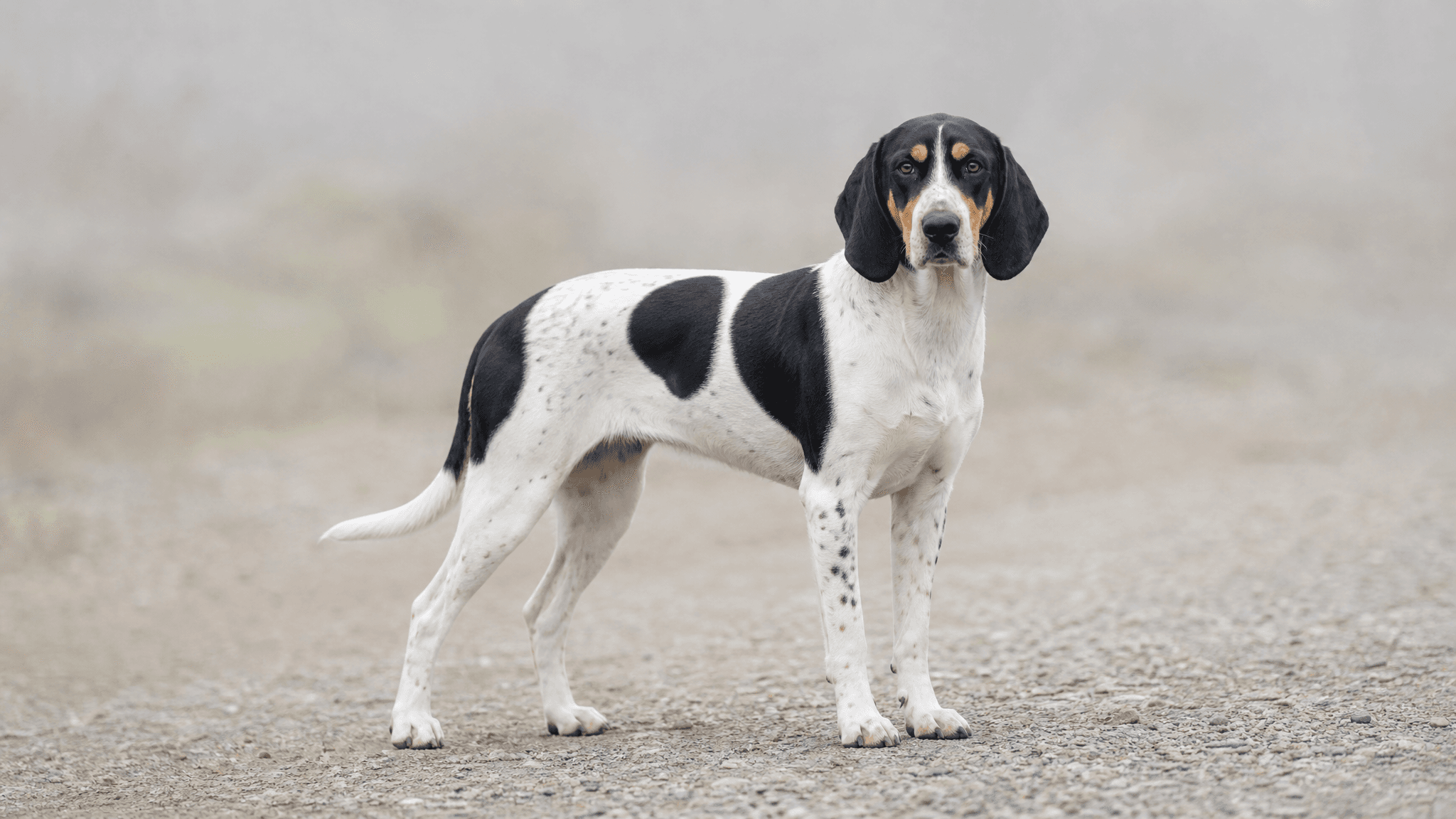
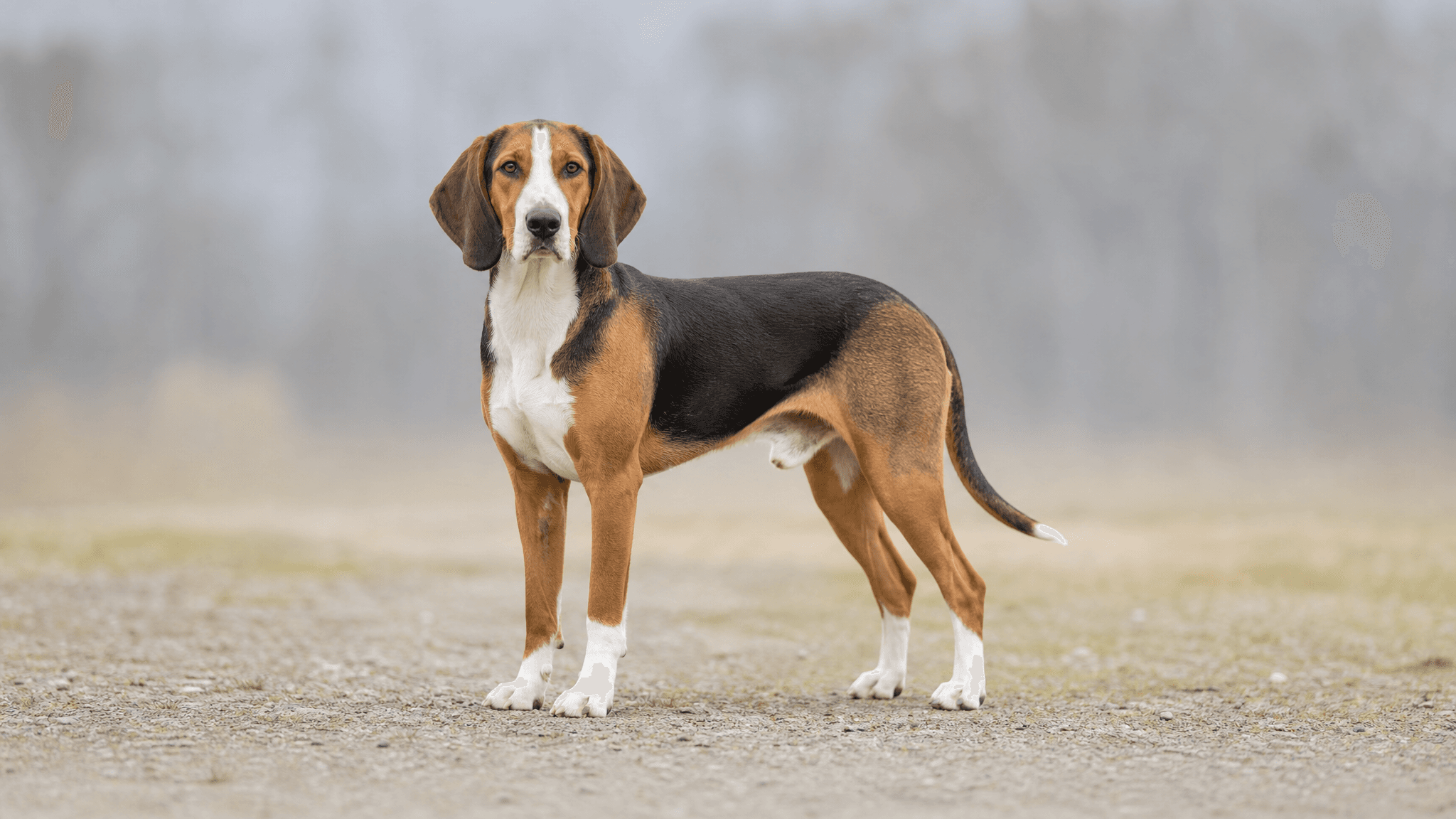
Norman Artesien Basset
Summary
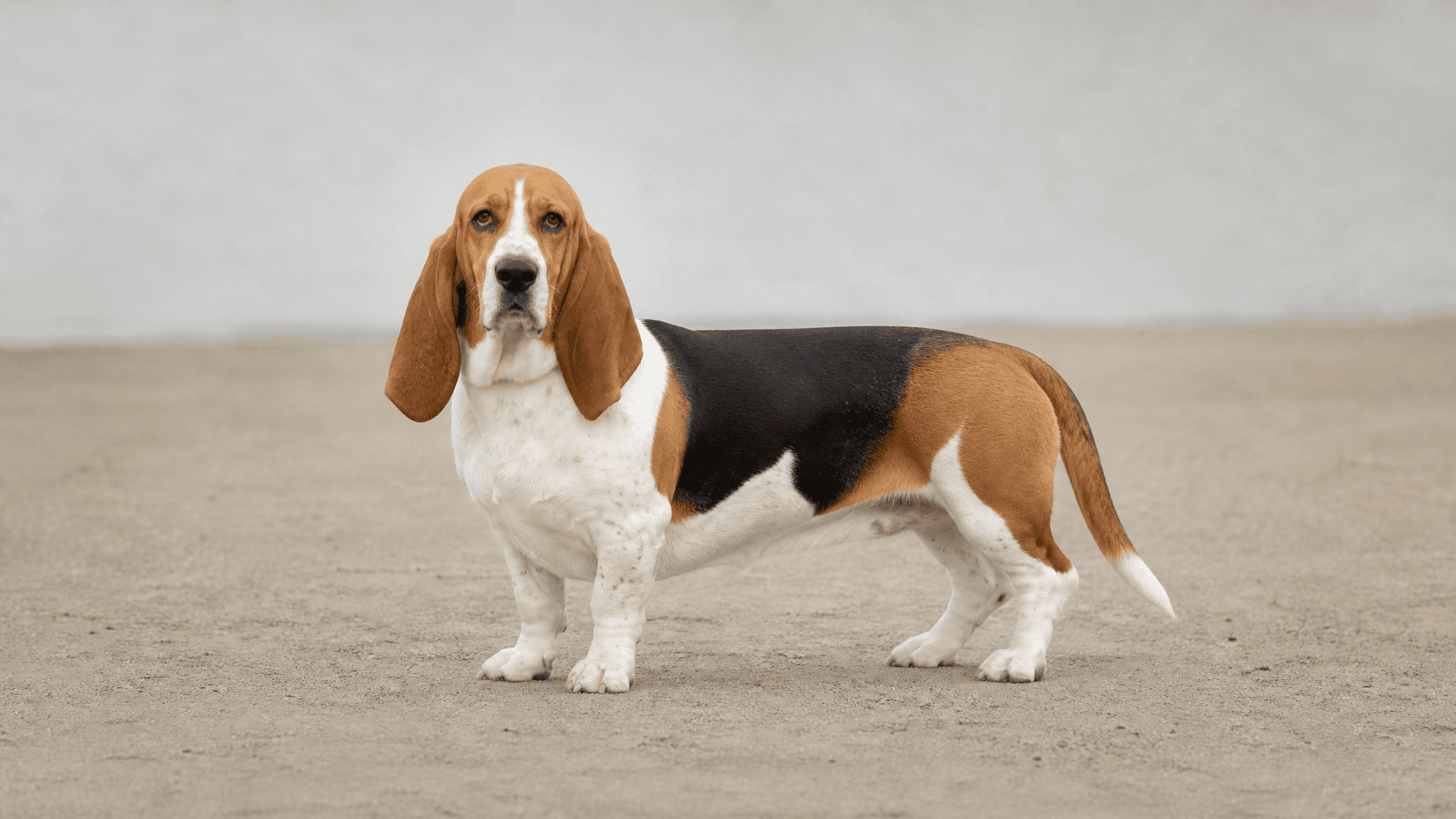
The Basset Artésien Normand is the direct ancestor of the British Basset Hound, originating from the Artois and Normandy regions in northern France. It is a short-legged basset but of lighter and more elegant build than its British descendant. It was very popular for hare hunting in 19th century France, and remains a respected working breed, although rare outside France.
Physical Characteristics
- Size
- Small to medium
- Height (male)
- 25–36 cm
- Height (female)
- 23–35 cm
- Weight (male)
- 14–18 kg
- Weight (female)
- 13–16 kg
- Life Expectancy
- 13–15 years
- Coat
- Short, smooth, and resistant
- Common Colors
- Bicolor (orange and white, lemon and white) or tricolor (black, orange, and white)
Temperament & Personality
The Basset Artésien Normand is a cheerful, curious, and well-balanced dog. It is affectionate with the family and good with children. It has the typical stubbornness of bassets but is generally easier to train than the Basset Hound due to its more agile build.
Activity & Exercise
- Energy Level
- Moderate to high
- Recommended Daily Exercise
- 45–60 minutes
- Suitable for Apartment
- Yes with exercise
Grooming & Care
- Grooming Needs
- Low
- Shedding
- Moderate
- Bathing Frequency
- Every 4 weeks
Health
- Common Health Issues
- Hip dysplasia
- Obesity (pronounced tendency)
- Otitis
- Spinal problems
- Recommended Health Tests
- Orthopedic evaluation
Compatibility
- With Children
- Excellent
- With Other Dogs
- Excellent
- With Cats
- Good
- For First-Time Owners
- Acceptable
Is a Norman Artesien Basset right for you?
A Norman Artesien Basset may suit you if:
- You are prepared to provide 45-60 minutes of daily exercise and engaging scent work to satisfy their moderate to high energy.
- You enjoy an active lifestyle that includes exploring outdoors, allowing them to follow their curious nose.
- You appreciate a cheerful, curious, and affectionate companion who brings a balanced and loving presence to your home.
- You are patient and consistent with training, understanding that their hound stubbornness requires a gentle but firm hand.
- You are comfortable with moderate shedding and providing basic, low-maintenance grooming like weekly brushing and baths every four weeks.
- You are willing to manage their strong scent drive and occasional independent streak with positive reinforcement.
Think twice if:
- You expect instant obedience or a dog that will always prioritize your commands over an interesting scent trail.
- You have a routine that leaves a dog alone for long periods, as these affectionate hounds thrive on companionship.
- You are unwilling to manage a strong prey drive, especially when encountering small animals outdoors.
- You are not prepared to commit to daily walks of 45-60 minutes, which they need to stay happy and healthy.
- You live in an unsecured area or cannot provide a securely fenced yard, as their keen nose can lead them astray.
- You are unprepared for the adolescent phase, where their independent spirit and energy might require consistent guidance.
Bringing a Norman Artesien Basset into your life means embracing a delightful mix of affectionate family companion and determined scent hound. While they are cheerful and loving, their curious nature and independent streak require a patient, engaged owner. They thrive with consistent guidance and daily activity, rewarding you with unwavering loyalty and endless charm, making every day an adventure.
Training a Norman Artesien Basset
Your Norman Artesien Basset is a cheerful and curious learner, eager to engage when the training is fun and rewarding. As a scent hound, their nose is a powerful motivator, so incorporate scent games and high-value treats. Keep sessions short, positive, and consistent to maintain their focus. While generally easier to train than some other bassets due to their agile build, their inherent stubbornness can surface with repetitive or dull tasks. If training becomes a chore, or if you're inconsistent, they may become disengaged or simply follow their nose elsewhere, making progress slow.
Begin with:
- Attention and response to name around distractions
- Recall on a long line
- Loose-leash walking
- Leave it and drop it
- Calm greetings without jumping
- Settling on a mat or bed
- Cooperative handling for grooming, ears, feet and teeth
- Waiting at doors and gates
Scent Drive Distractions
As a true Scent Hound, your Norman Artesien Basset's incredible nose is their superpower, but it can also be their biggest distraction during training, especially recall. When a fascinating scent hits, their world shrinks to that smell, and everything else, including you, might fade into the background. To overcome this, start recall training in low-distraction environments and gradually introduce more.
Always use a long line in unfenced areas to keep them safe while practicing, and make coming back to you the most rewarding thing ever with enthusiastic praise and high-value treats. You can find more tips in our guide on teaching recall.
Leash Pulling
Despite their small to medium size, Norman Artesien Bassets are sturdy and can be quite determined, especially when their nose leads the way. This can translate into significant pulling on the leash, making walks less enjoyable for both of you. Focus on positive reinforcement for loose-leash walking from day one. Reward every moment they walk beside you with a slack leash.
A comfortable, well-fitting harness can help prevent strain on their neck and give you better control without discomfort. For a detailed plan, check out this guide to stopping leash pulling.
Boredom Behaviors
With a moderate to high energy level and a curious mind, your Basset needs consistent mental and physical stimulation. If they don't get their recommended 45-60 minutes of daily exercise, or if they're left alone without engaging activities, their cheerful nature can turn into destructive habits. You might see them chewing on inappropriate items, digging in the yard, or even barking excessively.
Provide plenty of puzzle toys, engage in scent games, and ensure their daily walks are enriching, allowing them to sniff and explore safely. Our training feature can help you build a consistent routine to keep them happy and engaged.
Norman Artesien Basset — Frequently Asked Questions
What is the Basset Artésien Normand?
The Basset Artésien Normand is a French scent hound developed in Normandy in the 19th century. Shorter and lighter than the more famous Basset Hound, it was bred specifically to track hares and rabbits through dense undergrowth at a pace its human hunting companions could follow on foot. Today it combines a superb nose with a friendly, laid-back temperament that makes it a comfortable companion dog as well as an able working hound.
How much exercise does a Basset Artésien Normand need?
Despite their short legs, Basset Artésien Normands have real stamina and need more exercise than they appear to require. Two good walks a day of 30–45 minutes each is a reasonable baseline. They thrive on the opportunity to sniff freely — a slow amble across a park or field with nose to the ground satisfies them far more than a brisk jog. Off-lead exercise should only happen in a securely fenced area because their nose will pull them away without warning.
Are Basset Artésien Normands easy to train?
They are intelligent but follow their nose rather than your instructions when something interesting is in the air — a classic hound trait. Patience and positive reinforcement with high-value food rewards work best. Keep sessions short (10–15 minutes) and always end on success. Recall is notoriously difficult once they are on a scent, so a reliable recall must be built from puppyhood with consistent, rewarding practice. They are not the best choice for those who expect instant obedience.
Do Basset Artésien Normands get along with children and other pets?
Yes — they are gentle, patient, and generally very good with children. Their pack-hound origins mean they are comfortable living with other dogs and usually adapt well to cats, especially when raised alongside them. As with any breed, supervision around very young children is sensible simply due to their size and the risk of accidental knock-overs. They rarely show aggression and are far more likely to bay than to bite.
Why do Basset Artésien Normands bay so much?
Baying is hardwired into them — it's how pack hounds historically communicated with each other and with their huntsmen to signal a found scent. It is not learned behaviour you can fully train away; it's an instinct as natural to them as fetching is to a Retriever. Managing it means providing sufficient physical and nose-work stimulation so they're not bored and restless. Apartment living is generally not suitable unless you have very tolerant neighbours, as their deep, resonant voice carries far.
What health issues are common in Basset Artésien Normands?
Their long, droopy ears trap moisture and can be prone to ear infections, so regular gentle cleaning is essential. Their elongated spine is a concern — intervertebral disc disease (IVDD) is a real risk, so jumping on and off furniture should be discouraged and ramps or steps provided where possible. They can also be prone to obesity, which worsens the pressure on their spine. Annual vet check-ups that include spine and ear assessments are recommended.
What is the typical lifespan of a Basset Artésien Normand?
The Basset Artésien Normand typically lives between 13 and 15 years, which is excellent for a scent hound of their size. Their longevity is favoured by maintaining a healthy weight (avoiding the obesity their food-love predisposes them to), keeping their ears clean and infection-free, and protecting their spine from excessive strain. A well-cared-for individual that avoids serious disc problems can be a lively and affectionate presence well into their teens.
How much grooming does a Basset Artésien Normand need?
Their short, dense coat is low-maintenance — a weekly brush to remove loose hairs and distribute skin oils is sufficient most of the year, with more frequent brushing during seasonal shedding. The areas requiring the most attention are the ears (check and clean weekly to prevent infections), the skin folds around their face if present, and their nails which need trimming monthly. Bathing only needs to happen every 4–6 weeks or when they've rolled in something unpleasant, as their coat is naturally fairly clean.
Community
Talk to real Norman Artesien Basset owners
This guide covers the breed on paper. In the app, the Norman Artesien Basset community covers it in real life: photos from other owners, questions answered by people who live with the breed, and a directory of dogs you can browse.
- Photos & pollsSee what Norman Artesien Basset owners are sharing today.
- Questions & answersAsk anything and hear from people who own one.
- Dog directoryBrowse Norman Artesien Bassets from around the world.
You join automatically when you add a Norman Artesien Basset to your profile.