Artois Hound
Summary
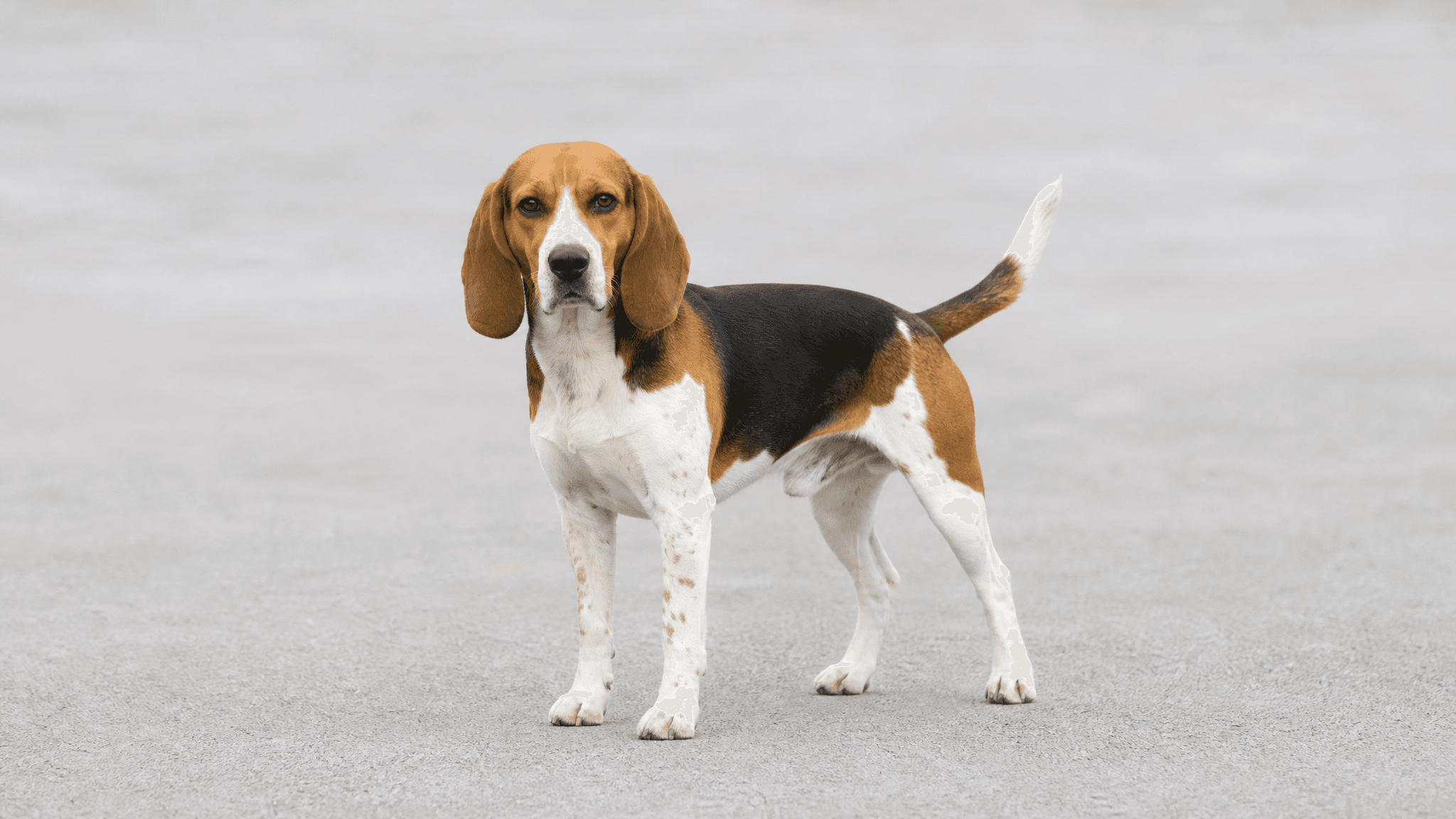
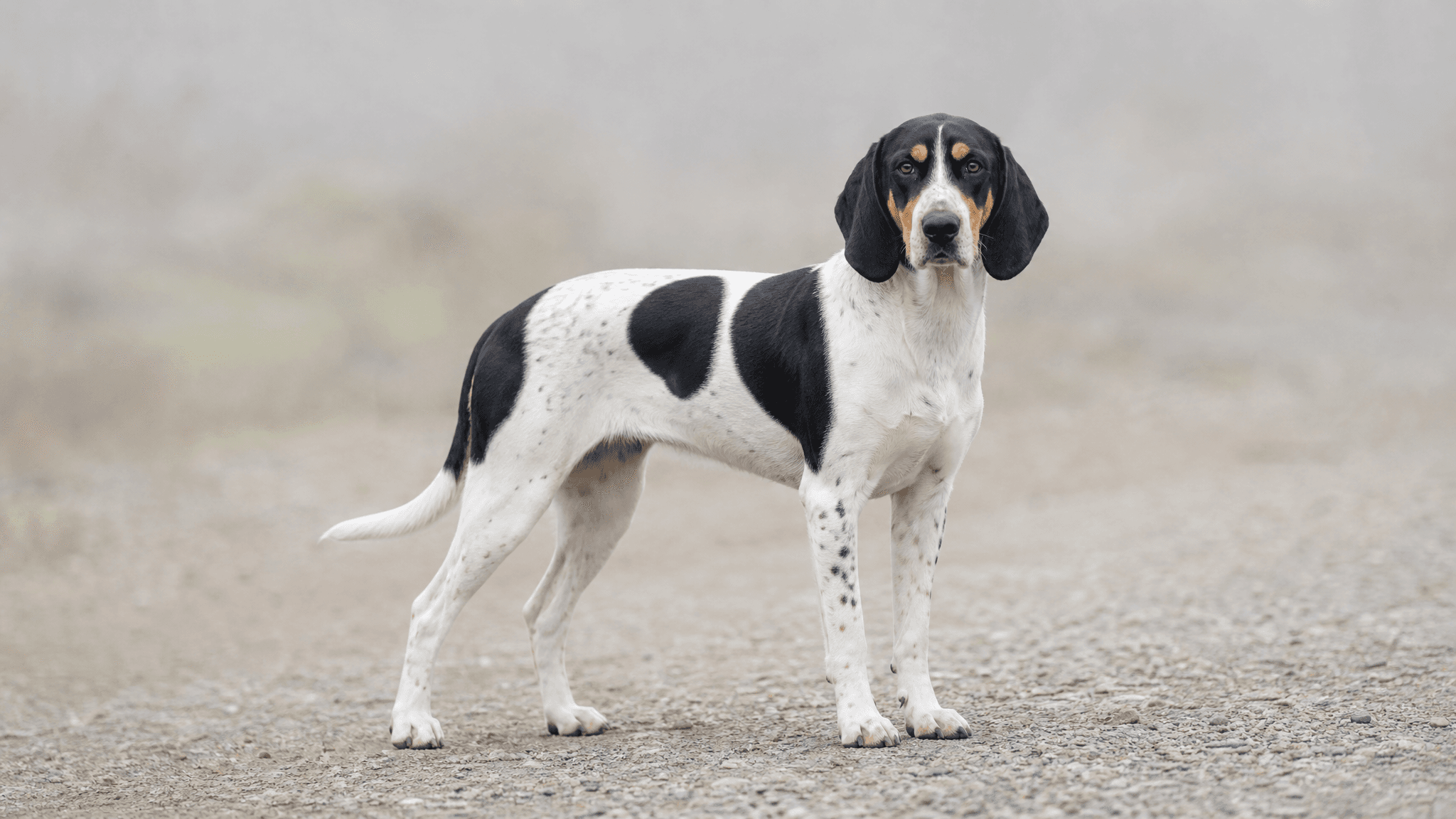
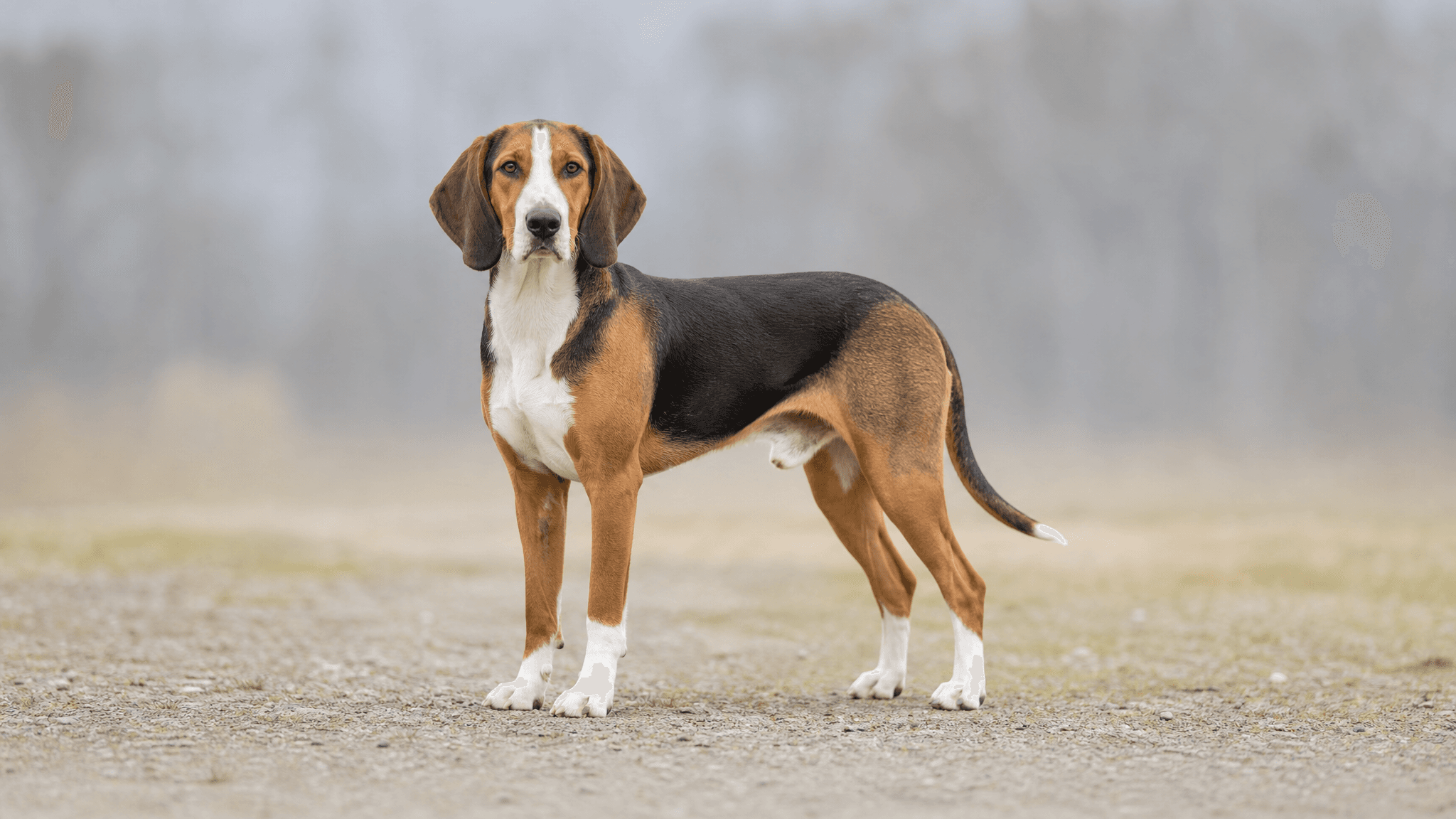
The Artois Hound (Chien d'Artois) is a French medium-sized scent hound with a history dating back to the 14th century in the Artois region of northern France. It is one of the oldest French scent hounds and was much prized by French royalty. Nearly extinct after World War II, it was reconstituted with great difficulty and remains a rare breed.
Physical Characteristics
- Size
- Medium
- Height (male)
- 52–58 cm
- Height (female)
- 50–56 cm
- Weight (male)
- 28–30 kg
- Weight (female)
- 25–28 kg
- Life Expectancy
- 12–13 years
- Coat
- Short, dense, and glossy
- Common Colors
- Tricolor — dark mantle, tan, and white
Temperament & Personality
The Chien d'Artois is a courageous, persistent dog with an excellent nose. It is a dedicated hunting animal but can be an affectionate and loyal companion. It tends to be shy with strangers but is sociable with the family and other dogs.
Activity & Exercise
- Energy Level
- High
- Recommended Daily Exercise
- 60–90 minutes
- Suitable for Apartment
- Not recommended
Grooming & Care
- Grooming Needs
- Low
- Shedding
- Moderate
- Bathing Frequency
- Every 4 weeks
Health
- Common Health Issues
- Hip dysplasia
- Otitis
- Recommended Health Tests
- Orthopedic evaluation
Compatibility
- With Children
- Good
- With Other Dogs
- Excellent
- With Cats
- Moderate
- For First-Time Owners
- Not recommended
Is an Artois Hound right for you?
An Artois Hound may suit you if:
- You are prepared to provide 60 to 90 minutes of daily exercise and engaging scent work to satisfy their high energy.
- You enjoy an active lifestyle that includes outdoor adventures where their excellent nose can be put to good use.
- You appreciate a courageous and persistent companion who is affectionate and loyal to their family.
- You are an experienced dog owner ready to commit to consistent training for a dedicated scent hound.
- You are comfortable with moderate shedding and minimal grooming, needing only occasional bathing every four weeks.
- You are willing to manage their strong scent drive, understanding their natural instinct to follow interesting smells.
Think twice if:
- You expect immediate, unwavering obedience from a breed known for its independent scent hound nature.
- Your daily routine involves leaving a dog alone for long periods, as these sociable hounds thrive on companionship.
- You are unwilling to carefully introduce and supervise an Artois Hound around cats, given their moderate compatibility.
- You are unable to commit to at least 60 minutes of vigorous exercise daily for a high-energy dog.
- You live in an apartment and cannot provide ample outdoor space, as this breed is not recommended for apartment living.
- You are a first-time dog owner seeking an easily managed breed, as they require experienced handling.
The Artois Hound offers a unique blend of dedicated hunting instinct and affectionate loyalty. While they are wonderful family companions who thrive on activity and scent work, their independent spirit and high energy demand an experienced owner. Be prepared to embrace their charming persistence and provide the stimulating life they deserve for a truly rewarding partnership.
Training an Artois Hound
Training your Artois Hound is a rewarding journey that taps into their intelligent, persistent nature. These scent hounds are incredibly motivated by their nose, so incorporating scent work and high-value treats into short, engaging sessions will keep them focused and eager to learn. Positive reinforcement is key; they thrive on praise and rewards for good choices. If training becomes dull or inconsistent, or if methods are harsh, their strong will and dedication to following a scent can lead them to tune you out completely. Keep it fun, consistent, and always end on a high note to build a strong, trusting bond with your loyal companion.
Begin with:
- Attention and name response with distractions
- Recall on a long line
- Loose-leash walking manners
- Leave it and drop it
- Calm greetings without jumping
- Settling on a mat or bed
- Cooperative handling for grooming
- Waiting at doors and gates
Scent Drive and Recall
Your Artois Hound's incredible nose and persistent hunting instinct mean that any interesting scent can become an irresistible distraction. This can make recall particularly challenging, especially in open areas. Begin recall training in a quiet, fenced space, using a long line to ensure safety and success. Make coming back to you the most rewarding thing ever, with enthusiastic praise and high-value treats.
Gradually introduce distractions as your hound's recall strengthens, always keeping them on a long line until their response is rock-solid. Consistency is vital, and remember that their drive to follow a scent is powerful. For more detailed steps, check out our guide on teaching reliable recall.
Leash Pulling Power
With their medium size, muscular build, and high energy, Artois Hounds can exert surprising strength on the leash, especially when a captivating scent diverts their attention. Early and consistent loose-leash training is crucial. Start in a quiet area, rewarding every moment your hound walks with a slack leash. If they pull, stop walking immediately or change direction, only resuming when the leash is loose again.
A front-clip harness can be a helpful tool to manage pulling, as it redirects their momentum towards you rather than allowing them to pull forward with full force. Remember, patience and consistency are your best friends here. For more tips, explore our advice on loose-leash walking.
Boredom Behaviors
An Artois Hound with unspent energy or insufficient mental stimulation can quickly develop undesirable habits. Given their high energy level and need for 60-90 minutes of daily exercise, if they are under-exercised or left alone for too long, they may resort to destructive chewing, excessive barking, or restless pacing. They are not recommended for apartment living precisely because they need space and activity.
To prevent these issues, ensure a consistent routine of physical activity, including long walks and opportunities to explore scents. Incorporate mental enrichment through puzzle toys, scent work games, and training sessions. A well-exercised and mentally stimulated Artois Hound is a happy, calm companion. Our training feature can help you build a consistent routine.
Artois Hound — Frequently Asked Questions
What is the Artois Hound?
The Artois Hound (Chien d'Artois) is an ancient French scent hound that traces its roots to the medieval hunting hounds of the Artois region in northern France. It is one of the oldest French breed types and was nearly completely lost during the devastation of the World Wars, before dedicated breeders in France painstakingly revived it in the 20th century. It is a medium-sized, sturdy, pack hound with a tricolour coat (white, black, and tan), bred for hunting hare over the open agricultural terrain of northern France. It is recognised by the FCI and is known for its excellent nose, melodious voice, and tenacious, determined hunting style.
What is the Artois Hound's temperament like?
The Artois Hound has a gentle, affectionate, and docile temperament — characteristic of the French pack hounds bred to work cooperatively in large groups. At home it is calm, friendly, and devoted to its family. It is patient with children and generally sociable with other dogs, given its pack heritage. On the hunt it becomes a different animal — passionate, persistent, and entirely focused on the trail. It adapts to domestic life well when its exercise needs are met, and it genuinely enjoys human companionship. It is not a breed that tolerates long hours of isolation and needs regular interaction and stimulation to thrive.
How much exercise does an Artois Hound need?
The Artois Hound is an active hunting breed that needs at least 1.5 hours of vigorous exercise per day. It was developed for sustained pack hunting across open terrain and has real stamina. Long walks, off-lead running in securely fenced areas, and hiking are ideal activities. Its scenting instinct means it should always be exercised in enclosed areas — once on a trail it will follow it single-mindedly regardless of commands. Without adequate daily exercise, the Artois Hound becomes restless and may develop nuisance behaviours including excessive barking. It is best suited to an active family in a rural or semi-rural setting with access to open land.
Is the Artois Hound good with other dogs?
The Artois Hound is exceptionally good with other dogs — it is a pack breed through and through, developed to hunt harmoniously alongside many dogs simultaneously. It is rarely aggressive with other dogs and genuinely thrives in the company of canine companions. Multi-dog households are ideal for this breed, and having another dog at home significantly improves its wellbeing. Its cooperative, sociable nature with dogs is one of its defining characteristics. Its prey drive may extend to cats and small animals, so early careful introduction is recommended. With dogs, however, the Artois Hound is reliably friendly, cooperative, and gentle.
Is the Artois Hound easy to train?
The Artois Hound is intelligent and amenable but retains the classic pack hound independence — it follows its nose with single-minded determination when hunting and can be deaf to commands in the field. In a domestic context, it responds well to positive reinforcement training with food rewards and praise. It is sensitive and does not respond well to harsh corrections. Basic obedience and household manners are achievable with consistency and patience. Recall in open spaces remains the most challenging skill due to its scenting drive. Early socialisation and reward-based training from puppyhood lay the best foundations. An owner familiar with scent hound psychology will get the most from this breed.
What health issues are common in the Artois Hound?
The Artois Hound is generally a healthy breed with a robust working constitution. Hip dysplasia may occur at moderate rates as in other medium to large hound breeds and should be monitored. Ear infections are a recurring concern — its pendulous ears trap moisture and debris, creating conditions ideal for bacterial and yeast infections; weekly ear inspection and cleaning are essential preventive habits. Bloat (gastric dilatation-volvulus) is a moderate risk for deep-chested breeds. As a rare breed that nearly went extinct, maintaining genetic diversity is an ongoing concern that responsible breeders actively address. Regular veterinary check-ups and appropriate preventive ear and dental care support long-term health.
What is the Artois Hound's coat like?
The Artois Hound has a short, dense, flat-lying coat with a tricolour pattern — white base with large black patches (mantle) and tan (fawn) markings on the face, legs, and underneath the tail. The coat is easy to maintain: weekly brushing with a rubber grooming mitt or bristle brush removes dead hair and keeps the coat gleaming. It sheds moderately year-round. Bathing every 4–6 weeks or when particularly muddy is sufficient. Ear care is the most important grooming consideration: the ears should be checked and gently cleaned weekly to prevent infection build-up in the ear canal. Regular nail trimming and dental care complete the routine.
What is the typical lifespan of an Artois Hound?
The Artois Hound typically lives between 12 and 14 years — good longevity for a medium-sized working hound breed. Its hardy working constitution contributes to overall resilience. The key longevity factors are maintaining a healthy body weight, providing vigorous daily exercise, proactive weekly ear care to prevent chronic infections, appropriate feeding practices to minimise bloat risk, and routine veterinary check-ups. As a rare breed with a limited population, participating in available health registries and choosing health-screened breeding dogs are important long-term contributions to the breed's wellbeing. A well-cared-for, actively exercised Artois Hound typically ages gracefully and maintains its characteristic gentle, devoted personality throughout its senior years.
Community
Talk to real Artois Hound owners
This guide covers the breed on paper. In the app, the Artois Hound community covers it in real life: photos from other owners, questions answered by people who live with the breed, and a directory of dogs you can browse.
- Photos & pollsSee what Artois Hound owners are sharing today.
- Questions & answersAsk anything and hear from people who own one.
- Dog directoryBrowse Artois Hounds from around the world.
You join automatically when you add a Artois Hound to your profile.