Beagle Harrier
Summary
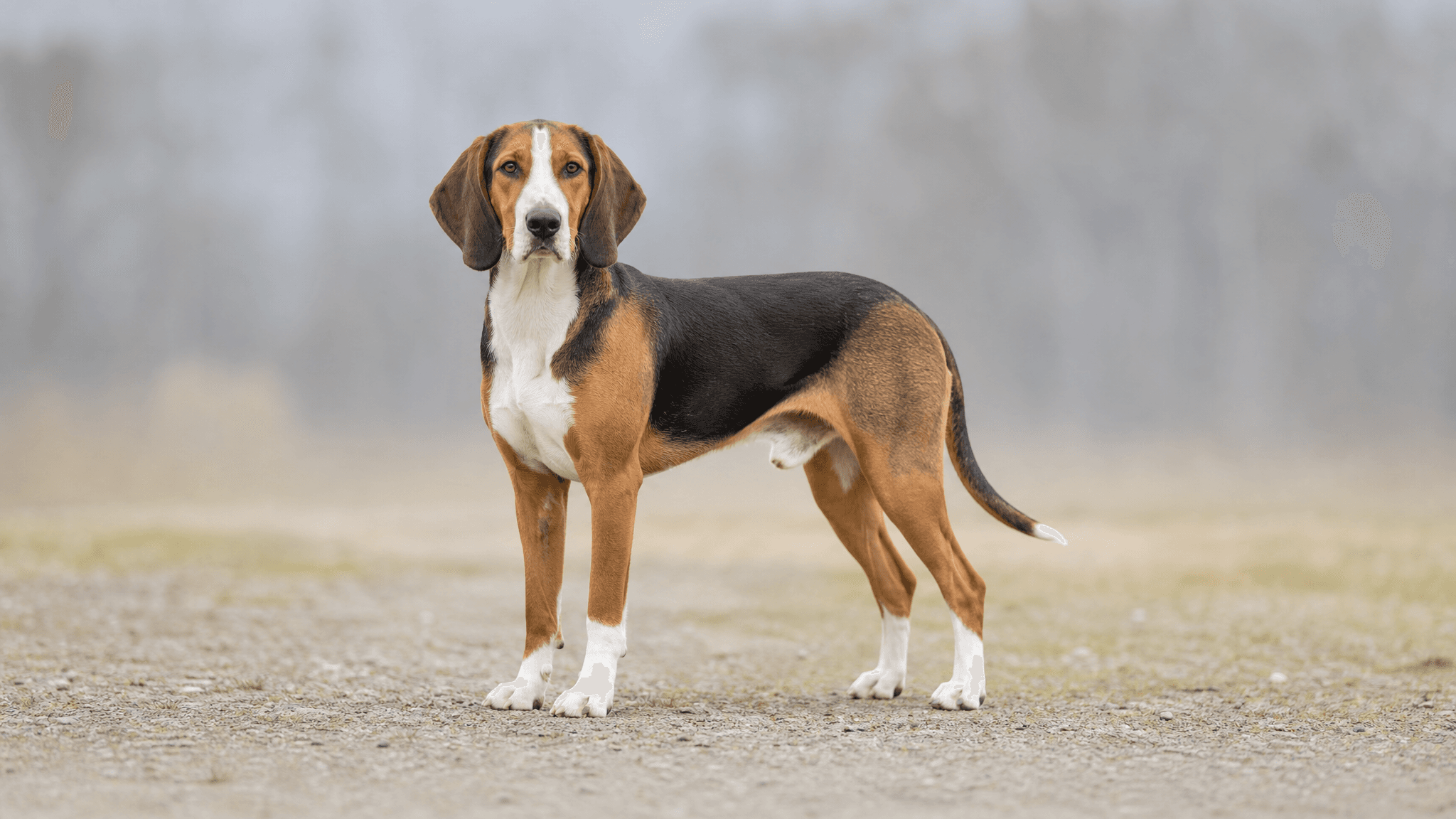
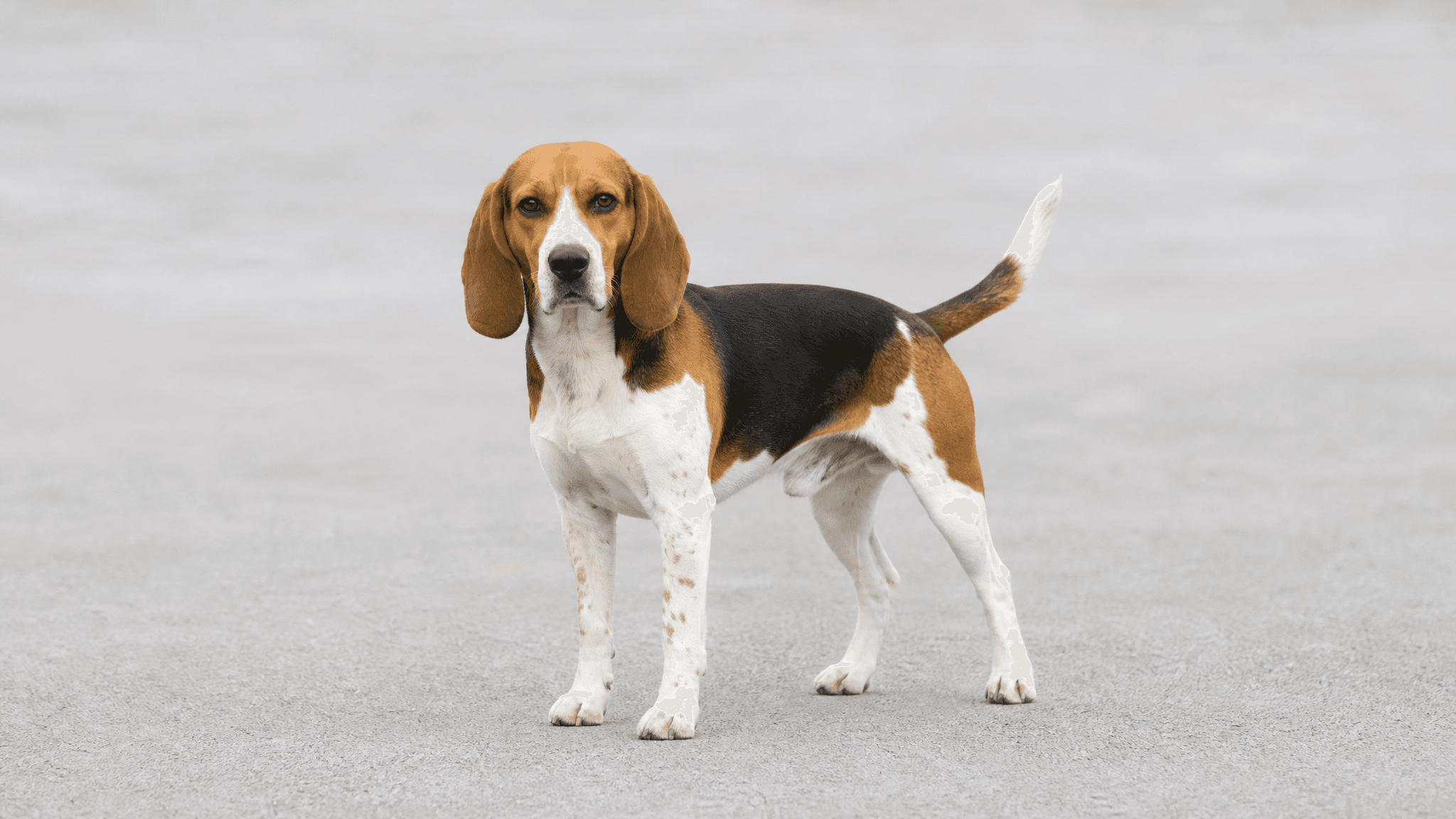
The Beagle Harrier is a French breed created in the 19th century by Baron Gérard as a deliberate cross between the Beagle and the Harrier, to obtain a dog with superior speed to the Beagle but more manageable than the Harrier. It is a medium-sized, elegant, and athletic scent hound, still used today for hare and roe deer hunting in France.
Physical Characteristics
- Size
- Medium
- Height (male)
- 45–50 cm
- Height (female)
- 43–48 cm
- Weight (male)
- 19–21 kg
- Weight (female)
- 17–19 kg
- Life Expectancy
- 12–13 years
- Coat
- Short and dense
- Common Colors
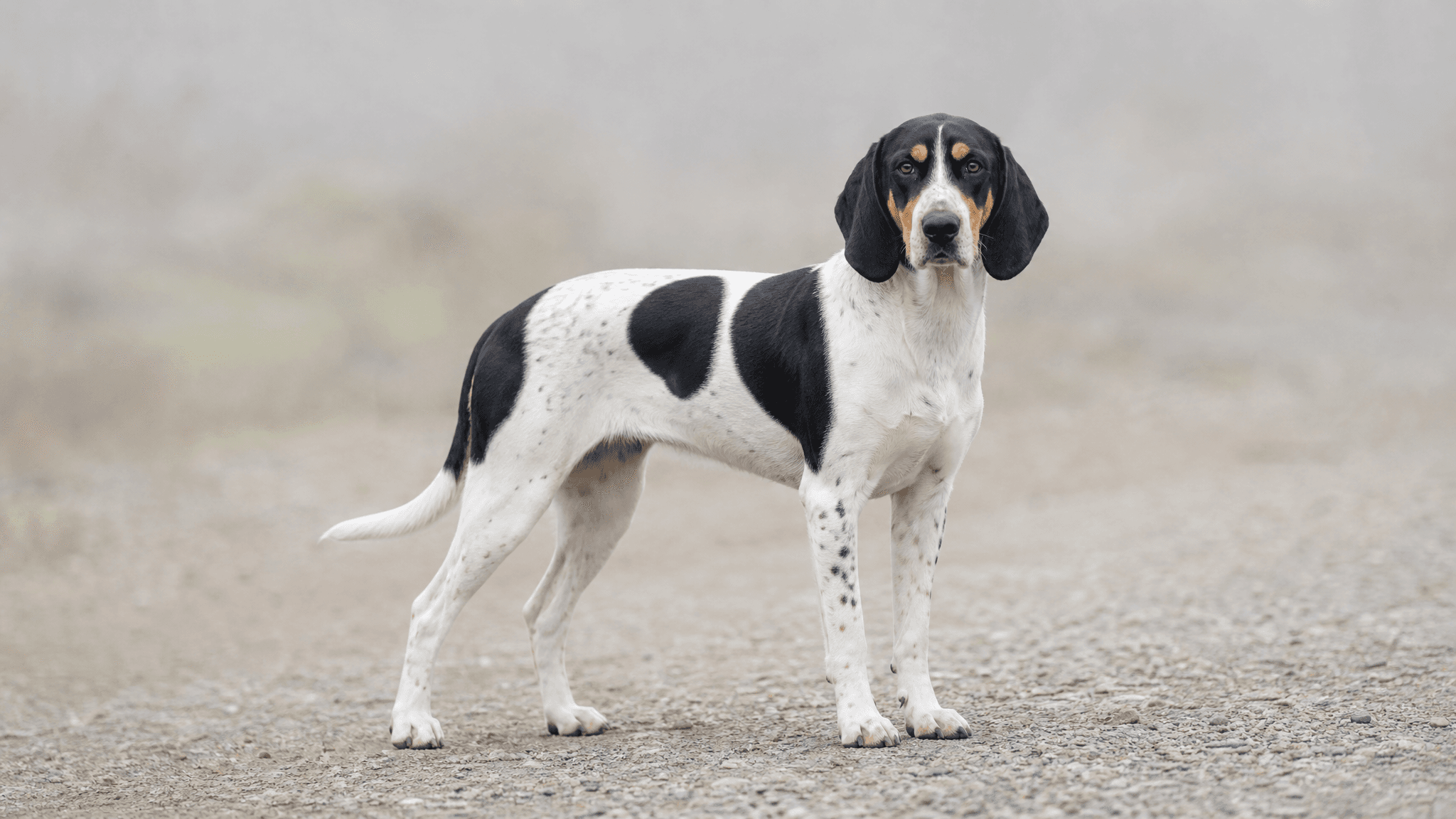
- Tricolor, bicolor; any classic hound combination
Temperament & Personality
The Beagle Harrier combines the friendliness and sociability of the Beagle with the energy and determination of the Harrier. It is a balanced, good-tempered dog that can function as a companion animal as long as it receives sufficient exercise. It is less vocal than the purebred Beagle but equally stubborn when following trails.
Activity & Exercise
- Energy Level
- High
- Recommended Daily Exercise
- 60–90 minutes
- Suitable for Apartment
- Not recommended
Grooming & Care
- Grooming Needs
- Low
- Shedding
- Moderate
- Bathing Frequency
- Every 4 weeks
Health
- Common Health Issues
- Hip dysplasia
- Obesity (pronounced tendency)
- Otitis
- Recommended Health Tests
- Orthopedic evaluation
Compatibility
- With Children
- Excellent
- With Other Dogs
- Excellent
- With Cats
- Good
- For First-Time Owners
- Acceptable
Is a Beagle Harrier right for you?
A Beagle Harrier may suit you if:
- You can provide 60 to 90 minutes of vigorous daily exercise, including scent-driven activities, to satisfy their high energy.
- You enjoy an active, outdoor lifestyle and are eager to explore new trails with a determined and athletic companion.
- You appreciate a friendly, sociable, and determined dog that brings a lively and balanced energy to your home.
- You are prepared for consistent, positive reinforcement training, especially to manage their strong scent drive and occasional stubbornness.
- You are comfortable with moderate shedding and minimal grooming, requiring only occasional brushing and bathing every four weeks.
- You are ready to manage a dog with a strong prey drive and a tendency to follow interesting scents with single-minded focus.
Think twice if:
- You expect immediate and perfect obedience, as their strong scent drive can make them quite independent thinkers.
- You need a dog that can be left alone for long periods, as they thrive on companionship and activity.
- You are unwilling to supervise interactions, especially with smaller pets, given their natural hunting instincts.
- You are unable to commit to daily vigorous exercise, as their high energy needs will lead to boredom and destructive behaviors.
- You live in an apartment or lack a securely fenced yard, as they need space and can be escape artists.
- You are not prepared to manage a strong, energetic medium-sized dog during their boisterous adolescent phase.
The Beagle Harrier is a wonderful, balanced companion for the right home, blending a Beagle's charm with a Harrier's drive. While their friendly nature and moderate grooming are appealing, their high energy and strong scenting instincts demand a dedicated owner. Living with them means embracing their adventurous spirit while consistently guiding their independent hound nature. It's a rewarding journey for those prepared for an active, engaging life.
Training a Beagle Harrier
Beagle Harriers are bright, eager learners motivated by positive reinforcement, especially treats and praise. Their Scent Hound heritage means their noses are powerful tools, so incorporating scent games can make training incredibly engaging. Keep sessions short, fun, and varied to match their high energy and prevent boredom. Long, repetitive, or harsh training methods will quickly lead to a stubborn, disengaged dog, as their determination, while great for tracking, can turn into resistance if they feel frustrated or misunderstood. Consistency and patience are key to building a strong bond and effective communication with your friendly companion.
Begin with:
- Attention and response to name around distractions
- Recall on a long line
- Loose-leash walking
- Leave it and drop it
- Calm greetings without jumping
- Settling on a mat or bed
- Cooperative handling for grooming, ears, feet and teeth
- Waiting at doors and gates
Recall and prey drive
Beagle Harriers are Scent Hounds, meaning their powerful noses and innate prey drive for hare and roe deer are incredibly strong. Once they catch a scent, their determination to follow it can override everything else, making recall a significant challenge.
Start recall training in a secure, distraction-free area, gradually introducing distractions. Always use a long line in unfenced areas to keep them safe while you build a bomb-proof recall. Make coming back to you the most rewarding thing ever with high-value treats and enthusiastic praise. This guide can help.
Leash pulling
Given their medium size (up to 21 kg for males) and high energy, a Beagle Harrier can be a strong puller on the leash, especially when excited or on a fresh scent. This can make walks less enjoyable and even dangerous if they pull you off balance.
Focus on teaching loose-leash walking from day one. Use a front-clip harness or head halter for better control, and practice frequently in low-distraction environments before moving to busier areas. Reward them generously for walking calmly by your side. Remember, consistency is vital.
Destructive boredom
A Beagle Harrier needs 60-90 minutes of daily exercise to channel their high energy. Without sufficient physical activity and mental stimulation, especially if left alone for long periods, they can become bored, stressed, and resort to destructive behaviours like chewing furniture, excessive barking, or digging.
Beyond walks, incorporate scent work, puzzle toys, and interactive games to engage their intelligent Scent Hound minds. Consider doggy daycare or a trusted dog walker if you're away for extended periods. Providing appropriate chew toys can also redirect their natural chewing instincts. Recognizing signs of stress can help you address their needs proactively.
Beagle Harrier — Frequently Asked Questions
What is the Beagle Harrier?
The Beagle Harrier is a French scent hound developed in the 19th century — as its name suggests — by crossing the Beagle with the Harrier to produce a hound that sits between the two breeds in size, scenting ability, and stamina. It was developed by Baron Gérard to create an ideal pack hound for hunting hare over varied terrain. It is medium-sized — larger than a Beagle but smaller than a Harrier — with a tricolour coat (white, black, and tan) and a solid, well-muscled build. It is recognised by the FCI and remains primarily a working French pack hound, rare outside France. It shares the gentle, affectionate temperament of the Beagle with the stamina and drive of the Harrier.
What is the Beagle Harrier's temperament like?
The Beagle Harrier inherits the best temperamental qualities of both parent breeds — the affectionate, sociable, gentle character of the Beagle combined with the determination and endurance of the Harrier. It is friendly, good-natured, and typically excellent with children and other dogs. It is rarely aggressive or nervous. At home it is a warm and loving companion that bonds closely with its family. On the trail it transforms — becoming single-minded, tenacious, and driven. It is a vocal breed like all hounds and will bay and howl, particularly when bored or excited. It thrives on social interaction and does not do well when isolated for long periods.
How much exercise does a Beagle Harrier need?
The Beagle Harrier is an active hound breed that needs at least 1–1.5 hours of vigorous exercise per day. Combining the stamina of the Harrier with the scent drive of the Beagle, it has real endurance and a strong desire to explore and follow trails. Long walks, hiking, and safe off-lead running in enclosed areas are ideal. Like all scent hounds, it should never be exercised off-lead in open areas — its nose will take over and it will follow a scent regardless of commands. Without adequate exercise, it can become restless, vocal, and develop destructive habits. Scent games and nose work provide excellent additional mental stimulation alongside physical exercise.
Is the Beagle Harrier a good family dog?
The Beagle Harrier makes an excellent family dog in the right environment — it is gentle, affectionate, sociable, and good-natured with children of all ages. It is one of the more family-friendly of the French hound breeds. It gets along very well with other dogs due to its pack-hunting heritage and genuinely thrives in multi-dog households. Its prey drive means that cats and small animals need careful management. It needs an active family with access to outdoor space and time for adequate daily exercise. Its vocal nature (baying and howling) can be a consideration in urban or densely neighboured settings. For active families with the time and space to meet its needs, it is a devoted and joyful companion.
What health issues are common in the Beagle Harrier?
The Beagle Harrier is generally a healthy, hardy breed with few documented severe breed-specific health issues, benefiting from the robust constitutions of both parent breeds. Hip dysplasia is possible and should be monitored as the dog ages. Ear infections are a recurring concern due to the breed's pendulous ears — weekly inspection and cleaning are important preventive steps. Obesity is a common risk for this food-motivated breed — strict weight management throughout its life is essential. Eye conditions including glaucoma and progressive retinal atrophy (inherited from Beagle lines) should be screened. Hypothyroidism may develop in some individuals. Regular veterinary check-ups, appropriate weight management, and ear care maintain long-term health.
Is the Beagle Harrier easy to train?
The Beagle Harrier is intelligent and willing but retains the characteristic scent hound independence — it thinks for itself and its nose overrides commands when a scent trail captures its attention. In domestic settings it responds well to positive reinforcement training; it is food-motivated, which helps considerably in training. Recall is the most challenging skill and must be built from puppyhood with persistent, consistent training. Leash manners require consistent effort. Basic obedience is very achievable with patience, consistency, and positive reinforcement. Its gentle nature means it responds poorly to harsh corrections. An experienced handler who understands hound psychology and makes training rewarding and fun will find it a willing, capable training partner.
What is the Beagle Harrier's coat like?
The Beagle Harrier has a short, dense, flat-lying coat that is similar in texture to that of both parent breeds — firm, close, and weather-resistant enough for outdoor work. The classic colouring is tricolour (white, black, and tan), with variations including bicolour combinations. The coat is easy to maintain: weekly brushing with a rubber grooming mitt or firm bristle brush removes dead hair and keeps the coat looking healthy and gleaming. The breed sheds moderately year-round. Bathing every 4–6 weeks or when muddy from outdoor adventures is sufficient. Like both parent breeds, the Beagle Harrier's pendulous ears require weekly inspection and cleaning to prevent moisture build-up and bacterial infections. Nail trimming and dental care complete the grooming routine.
What is the typical lifespan of a Beagle Harrier?
The Beagle Harrier typically lives between 12 and 13 years — a standard lifespan for a medium-sized working hound breed. Its hybrid vigour, combining the genetics of two well-established breeds, contributes to general health robustness. The main longevity factors are maintaining a healthy body weight (this breed is prone to obesity, which significantly reduces lifespan), regular daily exercise, proactive ear care, weight-appropriate diet, monitoring for eye conditions as the dog ages, and routine veterinary check-ups. A well-maintained, active Beagle Harrier that is not allowed to become overweight will typically age gracefully and maintain its characteristic gentle, sociable, and joyful personality throughout its senior years.
Community
Talk to real Beagle Harrier owners
This guide covers the breed on paper. In the app, the Beagle Harrier community covers it in real life: photos from other owners, questions answered by people who live with the breed, and a directory of dogs you can browse.
- Photos & pollsSee what Beagle Harrier owners are sharing today.
- Questions & answersAsk anything and hear from people who own one.
- Dog directoryBrowse Beagle Harriers from around the world.
You join automatically when you add a Beagle Harrier to your profile.