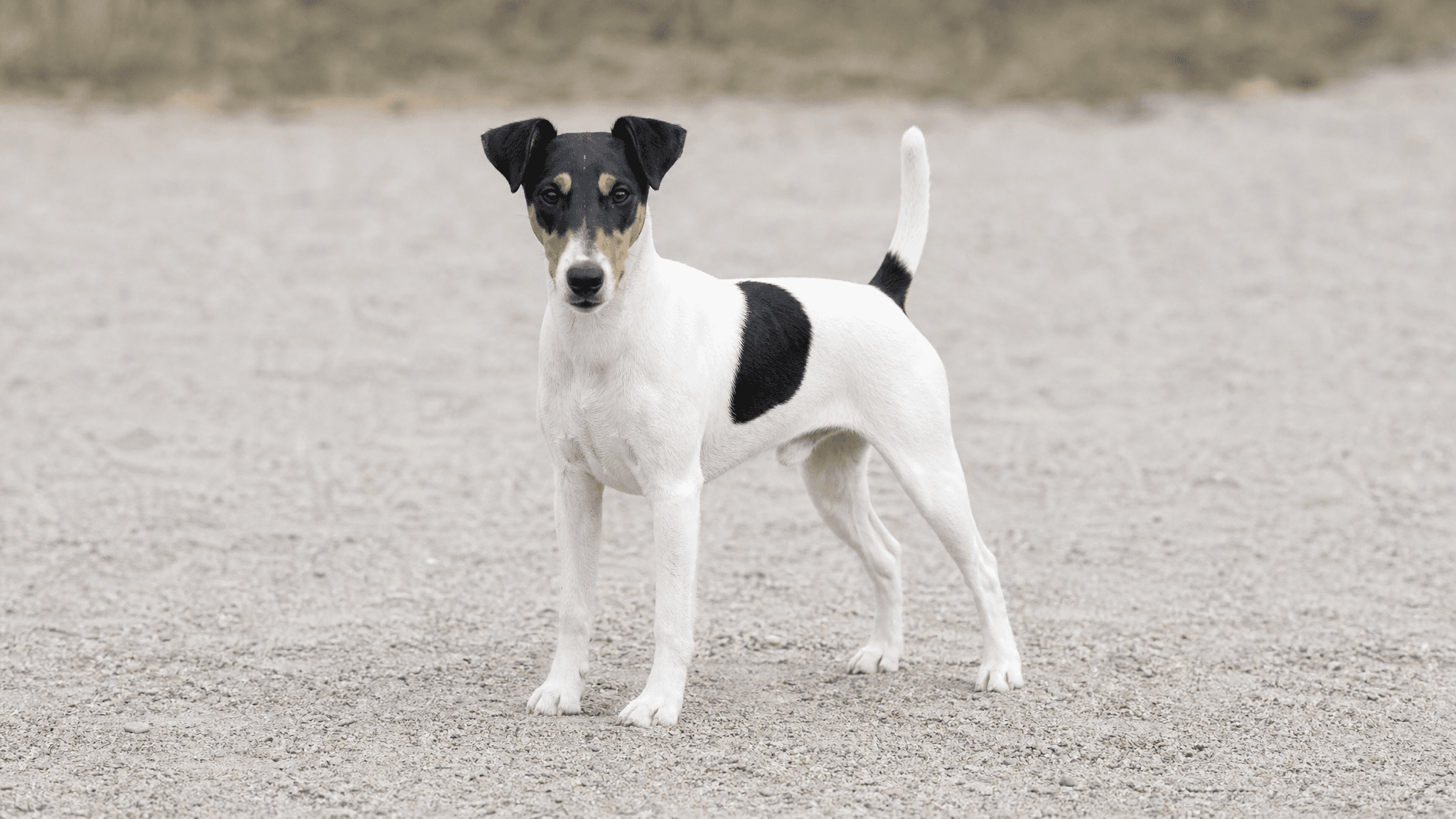
Manchester Terrier

Summary
The Manchester Terrier is the most elegant and slender of all terriers, developed in Manchester (hence the name) during the 19th century from rat-hunting terriers crossed with Whippets. This origin gives it a distinctive bearing — the agility and speed of a sighthound in a terrier's body. It was widely used in rat-killing betting (rat pits) that were popular in Victorian England.
Physical Characteristics
- Size
- Medium
- Height (male)
- 38–41 cm
- Height (female)
- 36–38 cm
- Weight (male)
- 5.4–10 kg
- Weight (female)
- 5–9 kg
- Life Expectancy
- 15–17 years
- Coat
- short, smooth, shiny, dense, and hard to the touch
- Common Colors
- black-and-tan (jet black and mahogany, well-defined markings)
Temperament & Personality
The Manchester is a smart, observant, and very loyal dog to its owner. It has a surprising energy level for its size and needs daily exercise and stimulation. It can be reserved with strangers (Whippet heritage) but is very affectionate with the family. It tends to bark, especially if under-stimulated.
Activity & Exercise
- Energy Level
- High
- Recommended Daily Exercise
- 30–60 minutes
- Suitable for Apartment
- Yes with exercise
Grooming & Care
- Grooming Needs
- Low
- Shedding
- Moderate
- Bathing Frequency
- Every 4–6 weeks
Health
- Common Health Issues
- Hypothyroidism
- Juvenile cardiomyopathy
- Patellar luxation
- Progressive retinal atrophy (PRA)
- Von Willebrand's disease
- Recommended Health Tests
- Cardiac examination
- Eye examination
- Von Willebrand genetic test
Compatibility
- With Children
- Good
- With Other Dogs
- Moderate
- With Cats
- Can be difficult
- For First-Time Owners
- Acceptable
Is a Manchester Terrier right for you?
A Manchester Terrier may suit you if:
- You are ready to provide at least 30 to 60 minutes of engaging exercise daily to satisfy their high energy.
- You enjoy active pursuits like dog sports, long walks, or puzzle games that challenge their keen mind.
- You appreciate a loyal, observant companion who is deeply affectionate with their family members.
- You are prepared to commit to consistent, positive training to channel their intelligence and independence.
- You prefer a low-maintenance grooming routine, with their short coat needing only occasional bathing and brushing.
- You are willing to manage their natural tendency to be reserved with strangers and to bark if not adequately stimulated.
Think twice if:
- You expect immediate, unquestioning obedience from a dog, as their terrier independence shines through.
- You have a demanding schedule that would leave your dog alone for long stretches, leading to potential boredom and barking.
- You have cats or small, non-canine pets, as their strong prey drive can make harmonious living challenging.
- You are unable or unwilling to consistently provide their required daily exercise and mental engagement.
- You live in an insecure environment or are not prepared for robust containment, given their agile and curious nature.
- You are not prepared to guide a clever, energetic dog through their adolescent phases with consistent boundaries.
The Manchester Terrier is a truly unique blend of elegance and terrier tenacity. They offer immense loyalty and affection to their family, coupled with a lively spirit and sharp mind. While their energy and intelligence require consistent engagement, the reward is a devoted, agile companion who will keep you on your toes and fill your life with joy for many years.
Training a Manchester Terrier
Manchester Terriers are bright, observant dogs who thrive on engaging, positive reinforcement training. Their intelligence and loyalty mean they learn quickly when sessions are kept short, fun, and varied, preventing boredom. Consistency is key, as these smart cookies will quickly pick up on any handler hesitation. Without clear guidance and mental stimulation, their high energy can lead to frustration and unwanted behaviours, making patience and positive methods essential for a happy, well-behaved companion.
Begin with:
- Attention and response to name around distractions
- Recall on a long line
- Loose-leash walking
- Leave it and drop it
- Calm greetings without jumping
- Settling on a mat or bed
- Cooperative handling for grooming, ears, feet and teeth
- Waiting at doors and gates
Prey Drive and Recall
Manchester Terriers, with their rat-hunting heritage and Whippet speed, possess a strong prey drive. This instinct can make recall challenging, especially outdoors. Start recall training in a secure, distraction-free area, gradually introducing distractions. Use high-value treats and enthusiastic praise to make coming back to you the most rewarding option. A long line is invaluable for safe practice, allowing your dog freedom to explore while you maintain control. Our guide on recall can offer more tips.
Always be aware of their surroundings when off-leash, as a squirrel or rabbit can trigger an immediate chase response. Consistent, positive reinforcement builds a strong bond and a reliable recall, but always prioritize safety in areas with wildlife or traffic.
Leash Pulling
Despite their medium size (5.4–10 kg for males, 5–9 kg for females), Manchester Terriers have a surprising energy level and can pull strongly on the leash, especially when excited or encountering new scents. Early and consistent loose-leash training is crucial. Use a comfortable, well-fitting harness that discourages pulling, and reward your dog frequently for walking calmly by your side. If pulling becomes an issue, stop walking until the leash slackens, then continue. This article provides a force-free plan.
Their observant nature means they'll notice everything, so practice walking in various environments, starting with quiet areas and gradually moving to busier ones. Keep walks engaging and varied to prevent boredom and encourage focus on you.
Under-stimulation and Barking
Manchester Terriers are smart and have high energy, needing 30–60 minutes of daily exercise and plenty of mental stimulation. If under-exercised or left alone for long periods, they can become bored and resort to excessive barking or destructive behaviours. Provide puzzle toys, regular training sessions, and varied walks to keep their minds and bodies active. Consider interactive toys or a dog walker if you're out for extended periods.
Their tendency to bark, especially if under-stimulated, means a consistent routine of physical and mental engagement is vital. Teach them an 'quiet' command early on, and ensure they have appropriate outlets for their energy and intelligence. A well-exercised and mentally stimulated Manchester Terrier is a quiet and content companion.
Manchester Terrier — Frequently Asked Questions
What is the Manchester Terrier?
The Manchester Terrier is a truly distinctive breed originating from the United Kingdom, specifically Manchester, in the 19th century. This medium-sized dog belongs to FCI Group 3, which includes Large and Medium-Sized Terriers. What makes them so special is their unique heritage, developed from rat-hunting terriers crossed with Whippets. This blend gives them the elegant, slender build of a sighthound combined with the spirited agility and speed of a terrier. They are known for their high energy and striking appearance, making them stand out among other terrier breeds.
What was the Manchester Terrier originally bred for?
The Manchester Terrier was originally bred with a very specific and important purpose in Victorian England! Developed in Manchester during the 19th century, these clever dogs were created by crossing rat-hunting terriers with Whippets. This combination produced an agile and efficient hunter perfectly suited for controlling vermin. They became particularly famous for their role in rat-killing betting, a popular pastime in rat pits during that era. Their speed, intelligence, and terrier tenacity made them highly effective at their job, showcasing their remarkable capabilities as skilled working dogs.
How much exercise does a Manchester Terrier need?
Despite their medium size, Manchester Terriers are bundles of energy and definitely need their daily dose of activity to stay happy and healthy! They have a high energy level, so we recommend providing them with a good 30 to 60 minutes of exercise every single day. This isn't just about physical activity; they also thrive on mental stimulation. Regular walks, playtime, and engaging activities will help channel their spirited nature positively and prevent boredom, ensuring your Manchester Terrier remains a well-behaved and joyful companion.
Is the Manchester Terrier a good family dog?
Absolutely! Manchester Terriers are wonderfully loyal and affectionate companions, especially with their immediate family members. They form strong bonds and are known for being very devoted to their owners, bringing much joy and love into a home. While they are incredibly loving with their family, they can be a bit reserved or cautious around strangers, which is a trait inherited from their Whippet ancestry. With proper socialization, they can learn to be more comfortable, but their loyalty to their inner circle truly shines, making them a cherished part of the family.
Is the Manchester Terrier easy to train?
Yes, Manchester Terriers are generally considered quite trainable, thanks to their impressive intelligence and observant nature! They are smart dogs who are eager to please their owners, especially when training is approached with consistency and positive reinforcement. Their loyalty makes them responsive, but their high energy means training sessions should be engaging and fun to keep their attention. Early socialization and consistent training from a young age are key to harnessing their clever minds and ensuring they grow into well-adjusted, well-mannered companions. They truly thrive on mental stimulation!
What health issues are common in the Manchester Terrier?
Like all breeds, Manchester Terriers can be predisposed to certain health conditions, and being aware of these can help you provide the best care. Some documented health concerns for the breed include Hypothyroidism, which affects their metabolism, and Juvenile cardiomyopathy, a heart condition. They can also be susceptible to Patellar luxation, a knee issue, and Progressive retinal atrophy (PRA), which affects vision. Additionally, Von Willebrand's disease, a blood clotting disorder, is another condition to be mindful of. Regular veterinary check-ups are crucial for early detection and management.
What is the Manchester Terrier's coat like and how much grooming does it need?
The Manchester Terrier boasts a sleek, short, and glossy coat that beautifully highlights their elegant and slender physique. This type of coat is wonderfully low-maintenance, making grooming a breeze for busy owners! They don't require extensive daily brushing; a quick brush once or twice a week with a soft brush or grooming mitt is usually sufficient to remove loose hairs and keep their coat looking shiny and healthy. Occasional baths are also adequate to keep them clean. Their minimal grooming needs are definitely a perk for this spirited and stylish breed.
What is the typical lifespan of a Manchester Terrier?
Manchester Terriers are known for being a remarkably robust and long-lived breed, bringing many years of joy and companionship to their families! With proper care, a healthy diet, regular exercise, and routine veterinary check-ups, you can typically expect your beloved Manchester Terrier to live a wonderful life spanning between 15 and 17 years. This impressive lifespan means you'll have many precious years to create lasting memories with your loyal and energetic friend, making them a truly long-term commitment and a cherished member of your household.
Community
Talk to real Manchester Terrier owners
This guide covers the breed on paper. In the app, the Manchester Terrier community covers it in real life: photos from other owners, questions answered by people who live with the breed, and a directory of dogs you can browse.
- Photos & pollsSee what Manchester Terrier owners are sharing today.
- Questions & answersAsk anything and hear from people who own one.
- Dog directoryBrowse Manchester Terriers from around the world.
You join automatically when you add a Manchester Terrier to your profile.