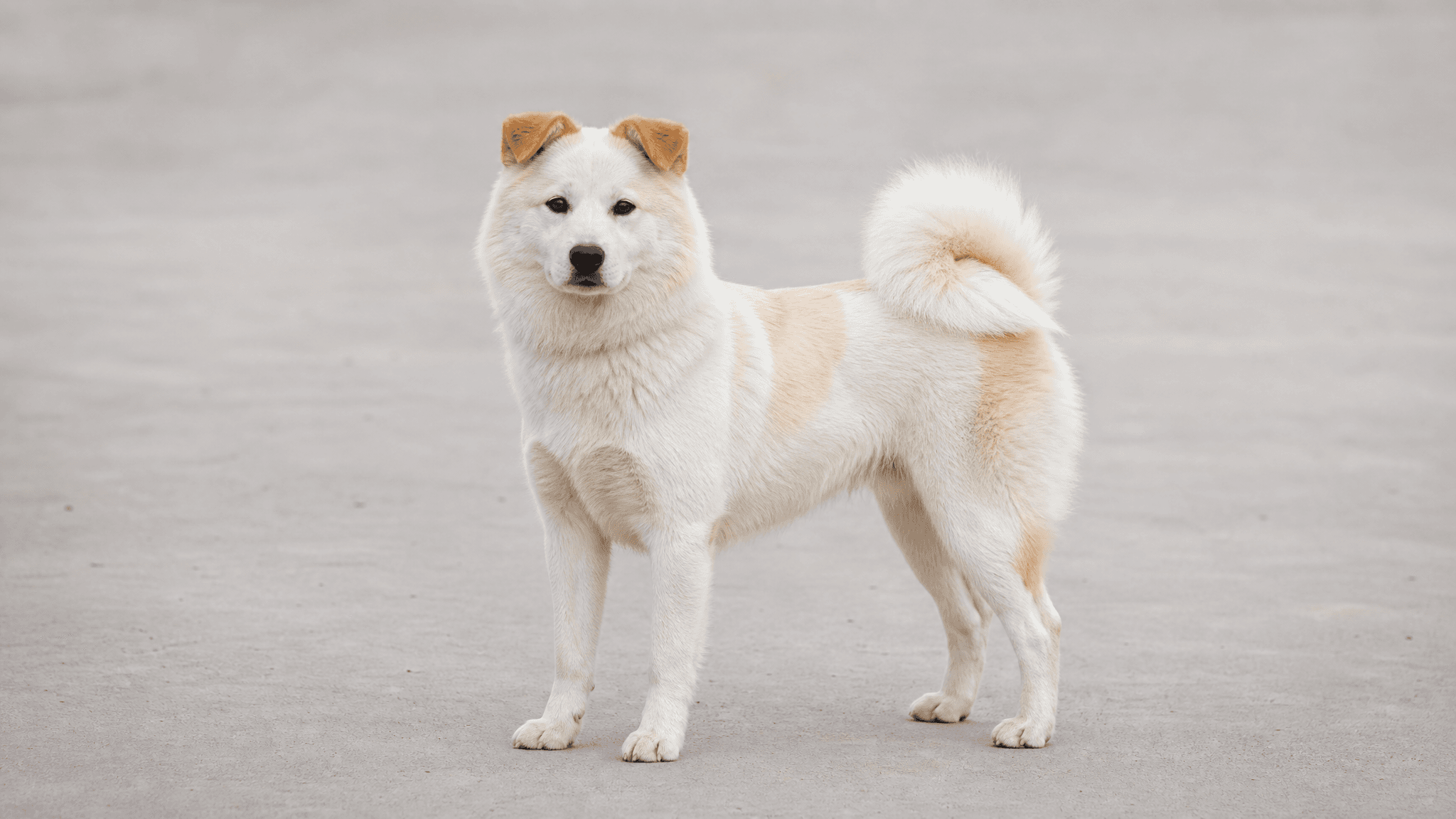
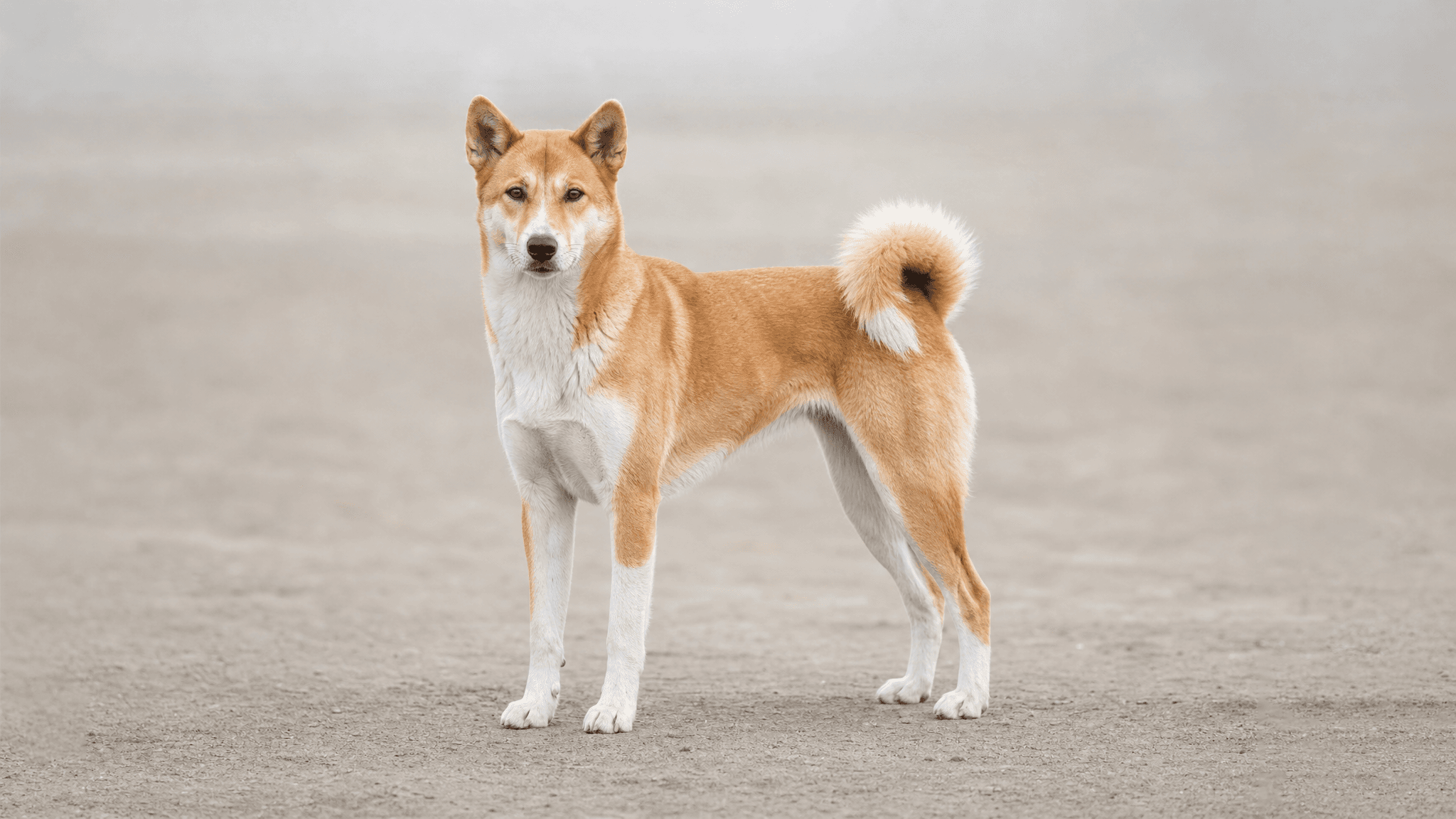
Korea Jindo Dog
Summary
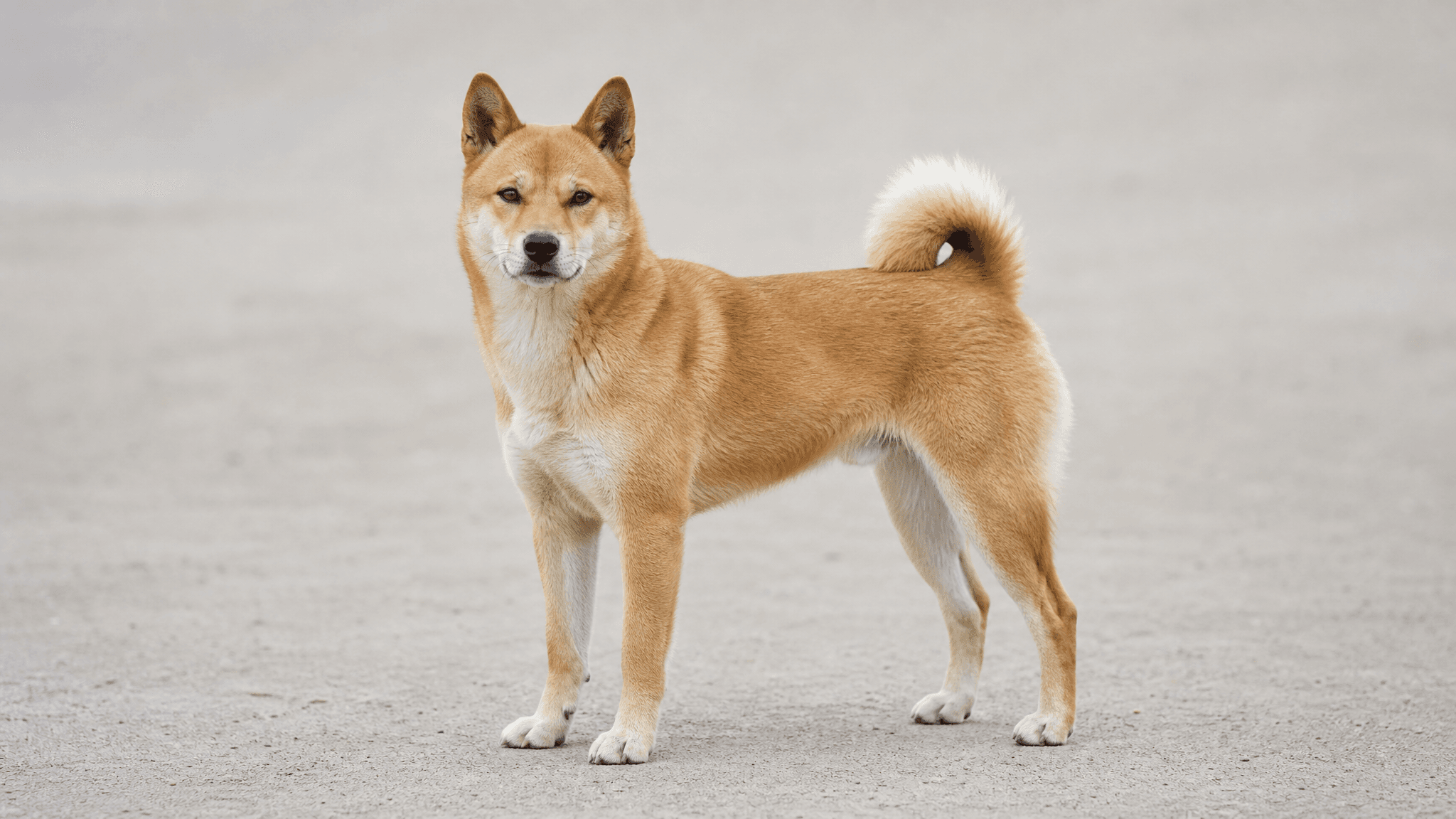
The Korea Jindo Dog is a breed originating from Jindo Island in South Korea, where it remained isolated and pure for centuries. It is a versatile hunting and guard dog, protected by law in South Korea as Natural Treasure No. 53. It is famous for its exceptional fidelity and remarkable sense of direction. Its loyalty is legendary — there are documented reports of dogs of this breed that traveled hundreds of kilometers to return to their original owner after being sold.
Physical Characteristics
- Size
- Medium
- Height (male)
- 50–55 cm
- Height (female)
- 45–50 cm
- Weight (male)
- 18–23 kg
- Weight (female)
- 15–19 kg
- Life Expectancy
- 14–15 years
- Coat
- Double; hard outer coat standing slightly off from the body; soft, dense, and light undercoat
- Common Colors
- Reddish-fawn, white, black, black and tan, wolf-grey, brindle
Temperament & Personality
The Korea Jindo Dog is courageous, alert, careful, and extremely loyal to its owner. It does not easily yield to external temptations and has a strong sense of hierarchy. It is typically reserved with strangers and not friendly with other animals, especially of the same sex. It is very clean by instinct, comparable to a cat in self-hygiene.
Activity & Exercise
- Energy Level
- High
- Recommended Daily Exercise
- 90 minutes
- Suitable for Apartment
- Not recommended
Grooming & Care
- Grooming Needs
- Low to moderate
- Shedding
- Moderate to heavy
- Bathing Frequency
- Every 6–8 weeks
Health
- Common Health Issues
- Generally very healthy breed
- Hip dysplasia
- Recommended Health Tests
- Hip evaluation
Compatibility
- With Children
- Moderate
- With Other Dogs
- Can be difficult
- With Cats
- Not recommended
- For First-Time Owners
- Not recommended
Is a Korea Jindo Dog right for you?
A Korea Jindo Dog may suit you if:
- You can commit to providing at least 90 minutes of vigorous exercise daily for a high-energy companion.
- You enjoy an active outdoor lifestyle that includes long hikes, exploring, or engaging in scent work.
- You appreciate a fiercely loyal and independent companion who forms a deep, exclusive bond with you.
- You are prepared to invest in consistent, positive reinforcement training from an early age to build trust.
- You are comfortable with moderate, regular brushing to manage shedding from their dense double coat.
- You are willing to manage a naturally reserved dog who may not readily welcome strangers or other pets.
Think twice if:
- You expect immediate and unquestioning obedience from a dog, as Jindos are known for their independence.
- You have a demanding schedule that requires your dog to spend long hours alone regularly.
- You have young children or other small pets like cats, as Jindos may not be compatible.
- You are unwilling to commit to 90 minutes of daily exercise or regular brushing for a high-energy shedder.
- You live in an apartment or lack a securely fenced yard, as Jindos need space and secure containment.
- You are not prepared for the consistent guidance and socialization required during their independent adolescence.
Living with a Korea Jindo Dog is a unique journey. Their legendary loyalty and deep devotion are incredibly rewarding, but they come with a fiercely independent spirit and a need for experienced guidance. They thrive with owners who respect their primitive instincts and are prepared to meet their specific needs, offering a bond unlike any other.
Training a Korea Jindo Dog
Training a Korea Jindo Dog is a rewarding journey that requires patience, consistency, and a deep understanding of their unique temperament. These intelligent and independent dogs learn best through positive reinforcement, where clear rewards like high-value treats or enthusiastic praise motivate them. Keep training sessions short, engaging, and fun, as their attention can wane with repetition. Due to their strong sense of hierarchy and independent nature, inconsistent handling or harsh corrections will quickly lead to a Jindo becoming distrustful, stubborn, or simply choosing to ignore commands. They need a confident, fair leader they respect to thrive in training.
Begin with:
- Attention and name response with distractions
- Recall on a long line
- Loose-leash walking
- Leave it and drop it
- Calm greetings without jumping
- Settling on a mat or bed
- Cooperative handling for grooming
- Waiting at doors and gates
Recall and prey drive
Jindo Dogs possess a strong prey drive and a natural inclination to hunt, which can make recall challenging, especially outdoors. Their independence means they won't always choose to return if something more interesting, like a squirrel or a scent, catches their attention. Start recall training in a quiet, enclosed area with high-value treats, gradually introducing distractions. Always use a long line in unfenced areas to ensure safety and prevent them from practicing undesirable behaviors.
To build a reliable recall, make coming back to you the most rewarding option. Practice frequently and in various environments, always rewarding generously. Remember, a Jindo's loyalty is legendary, but their instincts are powerful. For more detailed guidance, check out our guide on teaching recall.
Pulling on leash
With their high energy level and medium size, Jindo Dogs can be powerful pullers on the leash if not trained consistently from a young age. Their independent nature means they often want to lead the way, making walks less enjoyable for both of you. Focus on teaching loose-leash walking using positive reinforcement, rewarding your Jindo for keeping a slack leash. Consistency is key, as even one instance of pulling and getting to where they want can reinforce the behavior.
Utilize a front-clip harness or a head halter if needed, as these tools can provide better control without causing discomfort. Practice short, frequent walks in less distracting environments initially, gradually increasing the challenge. For comprehensive strategies, take a look at our tips for stopping leash pulling.
Boredom and destructive habits
A Jindo Dog's high energy level and intelligence mean they require significant physical and mental stimulation. If under-exercised or left alone for extended periods without engagement, they can become bored and develop undesirable behaviors. This might manifest as excessive barking, destructive chewing, or attempts to escape, especially given their remarkable sense of direction and strong drive to explore. They are not recommended for apartment living precisely because of these needs.
Ensure your Jindo receives at least 90 minutes of vigorous exercise daily, coupled with mental challenges like puzzle toys, scent work, or advanced obedience training. A secure yard is essential, as their independence and loyalty to their original home can lead them to try and return if they feel neglected. Understanding their stress signals can also help; read how to tell if your dog is stressed when you leave.
Korea Jindo Dog — Frequently Asked Questions
What is the Korea Jindo Dog?
The Korea Jindo Dog is a truly special medium-sized breed originating from the beautiful Jindo Island in South Korea. For centuries, they remained isolated there, preserving their pure lineage. They belong to FCI Group 5, known as Asian Spitz and Related Breeds. These dogs are celebrated for their incredible loyalty, courage, and alertness. They are also remarkably clean by instinct, often compared to cats in their self-hygiene. With their keen senses and strong will, they embody a unique blend of ancient heritage and devoted companionship, truly a treasure from their homeland.
What was the Korea Jindo Dog originally bred for?
The Korea Jindo Dog has a rich history rooted in its native Jindo Island, where it developed into a versatile and highly capable working dog. They were originally bred as exceptional hunting and guard dogs, tasks for which their courage, alertness, and keen senses made them perfectly suited. Their isolation on the island helped maintain the purity of the breed for centuries. Today, their historical significance and unique qualities are recognized and protected by law in South Korea, where they are designated as Natural Treasure No. 53, a testament to their enduring legacy and importance.
How much exercise does a Korea Jindo Dog need?
Korea Jindo Dogs are known for their high energy levels and thrive on plenty of activity! To keep them happy, healthy, and well-behaved, they need a significant amount of exercise each day. We recommend at least 90 minutes of dedicated physical activity daily. This isn't just a casual stroll; they truly benefit from vigorous walks, runs, hiking, or engaging playtime in a secure area. Consistent exercise helps channel their natural drive and intelligence, preventing boredom and ensuring they remain the balanced, loyal companions they are meant to be.
Is the Korea Jindo Dog a good family dog?
Jindos are incredibly loyal and devoted to their primary owner, forming deep bonds. However, they are typically reserved with strangers and possess a strong sense of hierarchy, which means early and consistent socialization is crucial. While they can be wonderful companions, their natural instincts mean they are not always friendly with other animals, especially those of the same sex, and supervision is key. With children, they can be good if raised with them and taught appropriate interactions, but their independent nature and strong prey drive require careful management and understanding from the family.
Is the Korea Jindo Dog easy to train?
Training a Korea Jindo Dog can be a rewarding experience, but it requires consistency, patience, and a deep understanding of their unique temperament. They are intelligent and courageous, but also possess a strong will and don't easily yield to external temptations. Their legendary loyalty means they are eager to please their trusted owner, but their independent nature and strong sense of hierarchy can make them challenging. Positive reinforcement methods work best, building on their bond with you. Early socialization and consistent training from a young age are vital to shaping a well-mannered and responsive companion.
What health issues are common in the Korea Jindo Dog?
The Korea Jindo Dog is generally considered a very healthy and robust breed, which is wonderful news for potential owners! They are known for their longevity and resilience. However, like many active breeds, they can occasionally be prone to certain health conditions. One documented concern in the breed is hip dysplasia, a condition affecting the hip joints. Responsible breeders will screen for this. Regular veterinary check-ups, a balanced diet, and appropriate exercise are key to helping your Jindo live a long, vibrant life, ensuring they stay as healthy as possible.
What is the Korea Jindo Dog's coat like and how much grooming does it need?
Korea Jindo Dogs are remarkably clean by instinct, often compared to cats in their self-hygiene! This wonderful trait means they naturally keep themselves quite tidy, reducing the need for extensive bathing. While they are diligent self-groomers, they do benefit from regular brushing, especially during seasonal shedding periods, to help manage loose fur and keep their coat healthy and lustrous. A good brushing a few times a week will typically suffice to maintain their beautiful appearance and minimize shedding around your home, making them a relatively low-maintenance breed in terms of grooming.
What is the typical lifespan of a Korea Jindo Dog?
Korea Jindo Dogs are known for their robust health and impressive longevity, often gracing their families with many years of devoted companionship. You can typically expect a Korea Jindo Dog to live a healthy and happy life for about 14 to 15 years. Providing them with a nutritious diet, consistent exercise, regular veterinary care, and plenty of love will help ensure they reach their full lifespan, bringing joy and loyalty to your home for a long time.
Community
Talk to real Korea Jindo Dog owners
This guide covers the breed on paper. In the app, the Korea Jindo Dog community covers it in real life: photos from other owners, questions answered by people who live with the breed, and a directory of dogs you can browse.
- Photos & pollsSee what Korea Jindo Dog owners are sharing today.
- Questions & answersAsk anything and hear from people who own one.
- Dog directoryBrowse Korea Jindo Dogs from around the world.
You join automatically when you add a Korea Jindo Dog to your profile.