Kangal Shepherd Dog
Summary
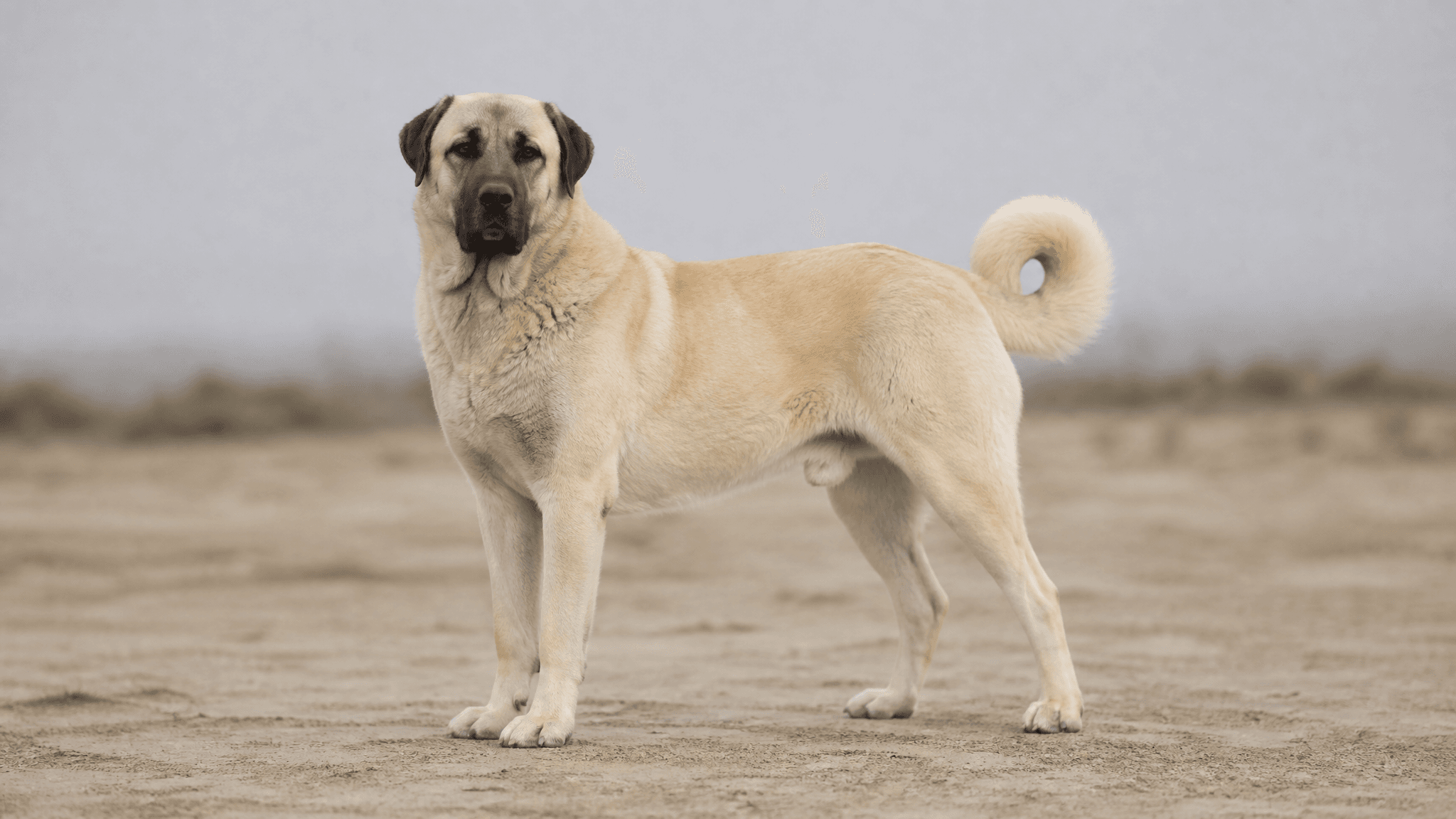
The Kangal is Turkey's national flock guardian, originating from the Sivas region in central-eastern Anatolia. It is considered the fastest and most agile dog among the large flock guardians, capable of impressive speeds that allow it to intercept predators before they reach the flock. The Kangal has one of the highest bite forces recorded among canine breeds.
Physical Characteristics
- Size
- Large
- Height (male)
- 72–78 cm
- Height (female)
- 65–73 cm
- Weight (male)
- 48–60 kg
- Weight (female)
- 40–50 kg
- Life Expectancy
- 12–15 years
- Coat
- 3–7 cm, dense and coarse; thick undercoat
- Common Colors
- Uniform fawn (from beige to golden-brown) with black mask on the muzzle and ears
Temperament & Personality
The Kangal is a protective guardian but not aggressive by nature — the breed standard specifies "not aggressive but good guardian". It is calm and patient with its family and, unlike many flock guardians, has a reputation for being relatively friendly with strangers in a non-threatening context. It still needs socialisation and plenty of space.
Activity & Exercise
- Energy Level
- High
- Recommended Daily Exercise
- 90–120 minutes
- Suitable for Apartment
- Not recommended
Grooming & Care
- Grooming Needs
- Moderate
- Shedding
- Heavy
- Bathing Frequency
- Every 6–8 weeks
Health
- Common Health Issues
- Entropion
- Hip dysplasia
- Lipomas (benign fatty tumours)
- Recommended Health Tests
- Eye examination
- Hip radiography
Compatibility
- With Children
- Good
- With Other Dogs
- Moderate
- With Cats
- Moderate
- For First-Time Owners
- Not recommended
Is a Kangal Shepherd Dog right for you?
A Kangal Shepherd Dog may suit you if:
- You can provide at least 90 to 120 minutes of vigorous exercise daily to satisfy their high energy.
- You enjoy an active, outdoor lifestyle where your dog can use their natural guarding instincts and impressive agility.
- You appreciate a calm, patient, and protective companion who is a natural guardian of their family.
- You are prepared for consistent, experienced training and early, ongoing socialization to shape their strong will.
- You are willing to commit to moderate grooming, including regular brushing to manage their heavy shedding and thick undercoat.
- You are ready to manage a powerful guardian with a strong protective instinct and a need for ample personal space.
Think twice if:
- You expect unwavering obedience from a breed known for its independent and protective nature.
- You have a routine that requires your dog to be left alone for extended periods in a small or confined space.
- You are looking for a dog that will effortlessly integrate into a multi-pet household without careful introductions and management.
- You are unable to commit to at least 90 minutes of daily exercise or regular grooming for their dense, shedding coat.
- You live in an apartment or do not have a securely fenced, spacious outdoor area for them to patrol.
- You are a first-time dog owner or are not prepared for the physical demands of handling a large, powerful, and independently-minded adolescent dog.
Living with a Kangal Shepherd Dog is a unique journey. They are magnificent, calm guardians with a deep loyalty to their family, yet they retain an independent spirit. While not aggressive, their protective instincts and sheer power demand experienced, consistent guidance. For the right owner, the commitment to their needs for space, exercise, and training is profoundly rewarding.
Training a Kangal Shepherd Dog
Kangal Shepherd Dogs are intelligent and deeply loyal, learning best through consistent, positive reinforcement that respects their independent guardian nature. They thrive on clear, fair communication and short, engaging training sessions that build trust and partnership. Motivation comes from praise, high-value treats, and the satisfaction of a job well done alongside their trusted human. Harsh methods or inconsistency will quickly lead to a withdrawn or resistant dog, as these sensitive giants need a patient and understanding guide, not a drill sergeant.
Begin with:
- Attention to name around distractions
- Recall on a long line
- Loose-leash walking
- Leave it and drop it
- Calm greetings without jumping
- Settling on a mat or bed
- Cooperative handling for grooming
- Waiting at doors and gates
Prey Drive and Recall
Kangal Shepherd Dogs are incredibly fast and agile, bred to intercept predators. This means their natural prey drive is very strong, making recall a significant challenge, especially when they spot something moving or perceive a threat to their 'flock' (you!).
Start recall training in a secure, distraction-free area, gradually introducing distractions as your dog masters the skill. Always use a long line in unfenced spaces until their recall is rock-solid, making coming to you the most rewarding thing ever! For more help, check out our guide on teaching recall.
Leash Pulling Power
With males weighing up to 60 kg and females up to 50 kg, a Kangal's sheer size and strength can make loose-leash walking a real test. They have high energy and a natural desire to patrol, which can lead to significant pulling if not addressed early and consistently.
Begin leash training early with a comfortable, well-fitting harness. Practice short, frequent sessions, rewarding every step taken without tension on the leash. Consistency is key to teaching them that walking politely gets them to their destination faster and more comfortably. Our guide to stopping leash pulling can offer more tips.
Boredom and Destructive Behavior
Kangal Shepherd Dogs are high-energy dogs, needing 90-120 minutes of exercise daily and plenty of mental stimulation. If under-exercised, under-stimulated, or left alone for too long, they can become bored and resort to destructive behaviors, excessive barking, or even anxiety. They are not suited for apartment living and truly need space to thrive.
Ensure they receive their full daily exercise, incorporating varied walks and opportunities for mental engagement through puzzle toys, training games, or scent work. A consistent routine and a secure, spacious environment are vital for their well-being. Consider using our training feature to help build a consistent routine and keep them engaged.
Kangal Shepherd Dog — Frequently Asked Questions
What is the Kangal Çoban Köpegi (Kangal Shepherd Dog)?
The Kangal Çoban Köpegi, or Kangal Shepherd Dog, is a magnificent and ancient breed hailing from Turkey, specifically the Sivas region in central-eastern Anatolia. Recognized as Turkey's national flock guardian, this impressive dog belongs to FCI Group 2 (Mountain type) and is renowned for its large size and formidable presence. What truly sets the Kangal apart is its incredible athleticism; it's considered the fastest and most agile among large flock guardians, capable of intercepting predators with remarkable speed. They also possess one of the highest bite forces recorded among canine breeds, making them incredibly effective protectors. Truly a noble and powerful companion!
What was the Kangal Çoban Köpegi (Kangal Shepherd Dog) originally bred for?
The Kangal Çoban Köpegi was originally bred for a truly vital role: to be an unwavering guardian of livestock. Originating from the rugged Sivas region in central-eastern Anatolia, Turkey, these dogs were developed over centuries to protect flocks of sheep and goats from formidable predators like wolves, bears, and jackals. Their primary purpose was to deter and, if necessary, intercept these threats before they could even reach the flock. This historical role has instilled in them a deep-seated instinct for protection, combined with remarkable independence and courage. They are truly living legends of the Anatolian plains!
How much exercise does a Kangal Çoban Köpegi (Kangal Shepherd Dog) need?
Despite their calm demeanor indoors, Kangal Shepherd Dogs have a high energy level and require a significant amount of exercise to stay happy and healthy. We recommend providing them with 90 to 120 minutes of dedicated physical activity each day. This isn't just a casual stroll; they thrive on vigorous exercise like long, brisk walks, hiking, or having plenty of space to run freely in a securely fenced area. Remember, a well-exercised Kangal is a happy Kangal, and meeting their exercise needs is crucial for both their physical well-being and to prevent boredom-related behaviors. They love having a job to do, even if it's just patrolling their yard!
Is the Kangal Çoban Köpegi (Kangal Shepherd Dog) a good family dog?
The Kangal Shepherd Dog can indeed be a wonderful family companion, provided they receive proper socialization and have ample space. They are inherently protective guardians but are not aggressive by nature, with the breed standard specifically stating "not aggressive but good guardian." Kangals are known to be calm and patient with their own families, including children, often displaying a gentle giant demeanor. When it comes to other pets, early introduction and careful supervision are key, especially with smaller animals, due to their strong guardian instincts. They even have a reputation for being relatively friendly with strangers in non-threatening contexts, which is quite unique for a flock guardian!
Is the Kangal Çoban Köpegi (Kangal Shepherd Dog) easy to train?
Training a Kangal Shepherd Dog requires patience, consistency, and a deep understanding of their independent nature. While highly intelligent, their centuries-old role as independent flock guardians means they were bred to make their own decisions in the field, rather than follow every command instantly. This can sometimes make them seem stubborn. Positive reinforcement methods work best, building trust and respect. Early and continuous socialization is absolutely vital to ensure they grow into well-adjusted adults, comfortable with various people and situations. With the right approach, you'll find a loyal and devoted companion, but remember, they are thinkers, not just followers!
What health issues are common in the Kangal Çoban Köpegi (Kangal Shepherd Dog)?
Like all breeds, Kangal Shepherd Dogs can be predisposed to certain health conditions, and being aware of these can help you provide the best care. Documented health concerns for the breed include Entropion, a condition where the eyelid rolls inward, potentially irritating the eye. Hip dysplasia, a common orthopedic issue in large breeds, can also occur, affecting the hip joint. Additionally, some Kangals may develop Lipomas, which are benign fatty tumors. Regular veterinary check-ups, a balanced diet, and appropriate exercise are crucial for monitoring their health and addressing any concerns promptly. A proactive approach ensures your Kangal lives a long, healthy life!
What is the Kangal Çoban Köpegi (Kangal Shepherd Dog)'s coat like and how much grooming does it need?
The Kangal Shepherd Dog possesses a dense, short to medium-length double coat, perfectly suited for protecting them from harsh weather conditions in their native Turkey. This robust coat is designed for durability and insulation. While they aren't a high-maintenance grooming breed, they do require regular care. Expect moderate shedding throughout the year, with heavier shedding during seasonal changes. Weekly brushing with a slicker brush or de-shedding tool will help remove loose hair, prevent matting, and keep their coat healthy and clean. Occasional baths are also beneficial, especially after outdoor adventures. Consistent grooming will keep your Kangal looking and feeling their best!
What is the typical lifespan of a Kangal Çoban Köpegi (Kangal Shepherd Dog)?
It's wonderful to consider the long-term commitment when welcoming a Kangal Shepherd Dog into your life! These magnificent dogs typically enjoy a robust and healthy lifespan. You can generally expect a Kangal to be a cherished member of your family for 12 to 15 years. Providing them with excellent nutrition, regular veterinary care, consistent exercise, and plenty of love and mental stimulation will contribute significantly to them reaching the upper end of this range. They truly become deeply bonded family members, and knowing their potential lifespan helps you prepare for many wonderful years together!
Community
Talk to real Kangal Shepherd Dog owners
This guide covers the breed on paper. In the app, the Kangal Shepherd Dog community covers it in real life: photos from other owners, questions answered by people who live with the breed, and a directory of dogs you can browse.
- Photos & pollsSee what Kangal Shepherd Dog owners are sharing today.
- Questions & answersAsk anything and hear from people who own one.
- Dog directoryBrowse Kangal Shepherd Dogs from around the world.
You join automatically when you add a Kangal Shepherd Dog to your profile.