Kai
Summary
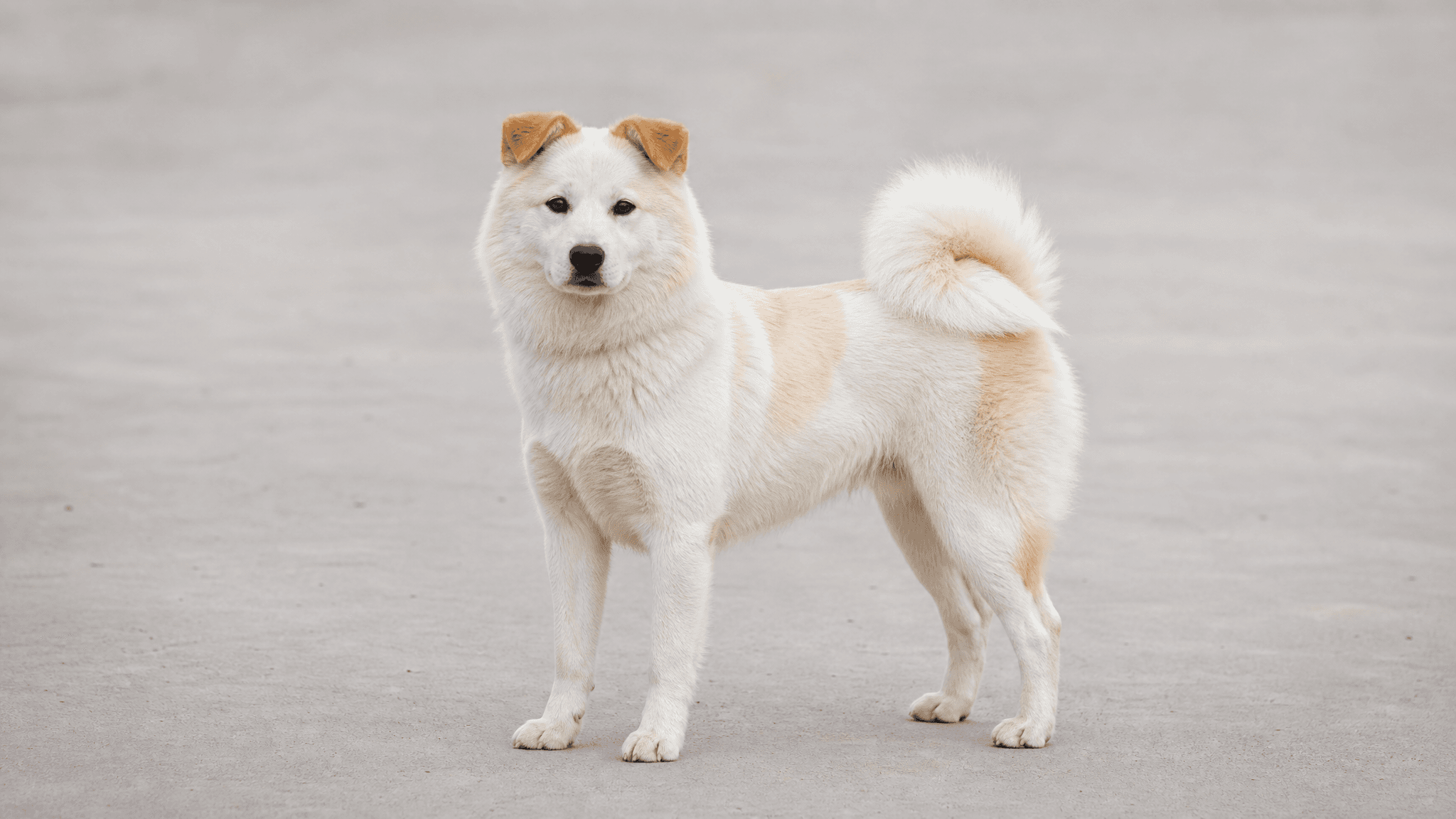
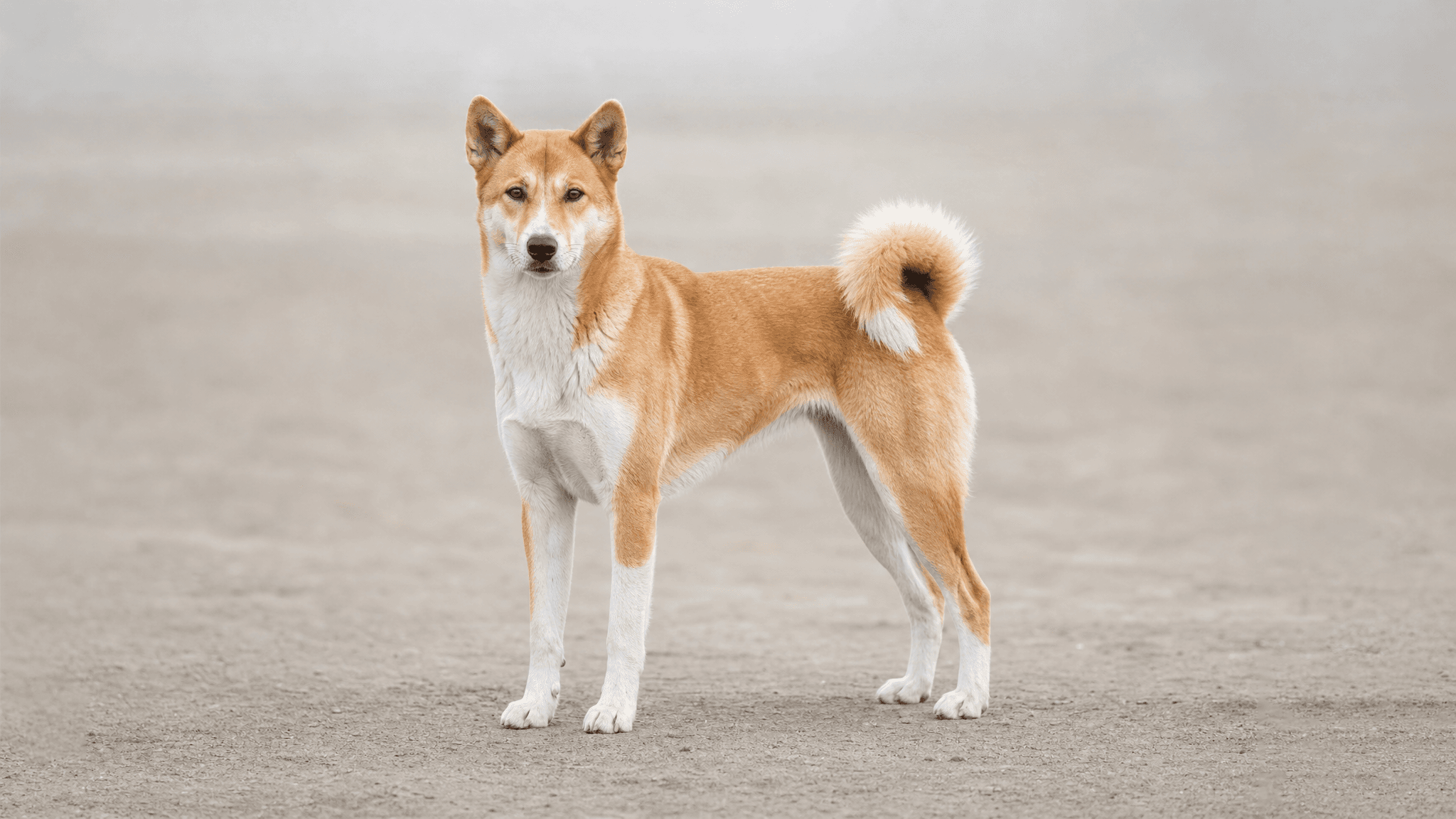
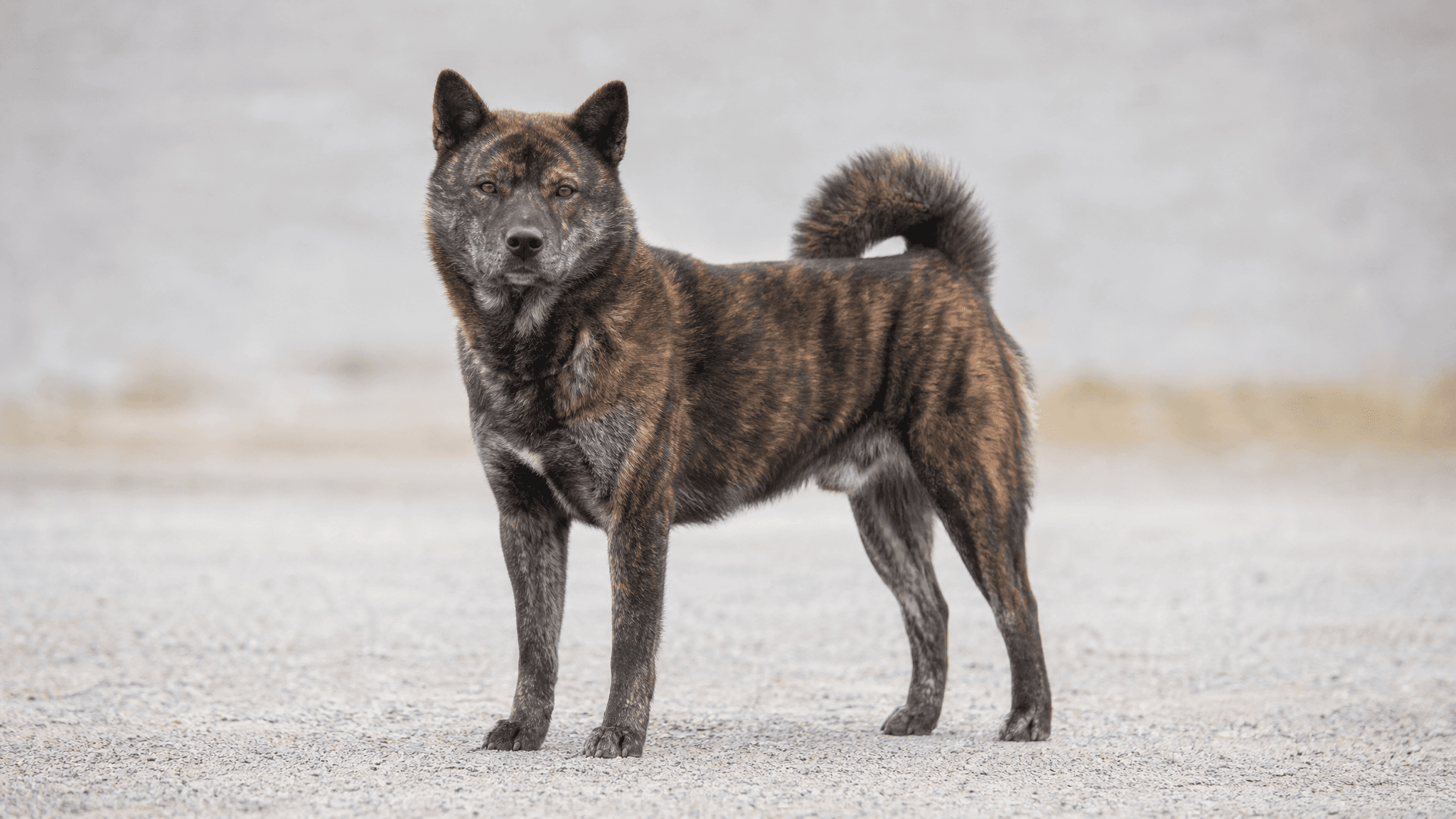
The Kai Ken is a medium-sized Japanese hunting dog, originating from the Yamanashi prefecture in the central mountains of Japan. It is the only Japanese breed whose standard requires a tricolor brindle coat, varying from light brindle to dark brindle. It was bred to hunt deer and wild boar in steep mountains. It is considered the most primitive and purest of the native Japanese dogs.
Physical Characteristics
- Size
- Medium
- Height (male)
- 47–53 cm
- Height (female)
- 42–48 cm
- Weight (male)
- 14–18 kg
- Weight (female)
- 12–16 kg
- Life Expectancy
- 12–15 years
- Coat
- Double; hard and straight outer coat; dense undercoat
- Common Colors
- Black brindle (kuro-tora), medium brindle (chu-tora), reddish brindle (aka-tora); urajiro always present
Temperament & Personality
The Kai Ken is a dog of sharp intelligence, very faithful to its owner and with a strong hunting instinct. With the family, it is deeply devoted and may develop exclusive bonds with a single person. It is reserved with strangers but rarely aggressive. Its hunting abilities include swimming and climbing trees to reach prey.
Activity & Exercise
- Energy Level
- High
- Recommended Daily Exercise
- 90 minutes
- Suitable for Apartment
- Not recommended
Grooming & Care
- Grooming Needs
- Low to moderate
- Shedding
- Moderate
- Bathing Frequency
- Every 6–8 weeks
Health
- Common Health Issues
- Generally very healthy breed due to rigorous natural selection
- Hip dysplasia
- Recommended Health Tests
- Hip evaluation
Compatibility
- With Children
- Good
- With Other Dogs
- Moderate
- With Cats
- Can be difficult
- For First-Time Owners
- Not recommended
Is a Kai right for you?
A Kai may suit you if:
- You are excited about providing at least 90 minutes of vigorous activity daily to satisfy a keen hunting instinct.
- You enjoy exploring varied terrain, perhaps even hiking or swimming, with a highly athletic and agile companion.
- You appreciate a deeply devoted companion who forms a strong, exclusive bond and is reserved with new faces.
- You are prepared to invest in consistent, engaging training to channel their sharp intelligence and natural drive.
- You don't mind moderate shedding and are comfortable with a low to moderate grooming routine every few weeks.
- You are willing to manage a strong prey drive, understanding their natural inclination to chase and climb.
Think twice if:
- You expect unwavering obedience from a dog, as the Kai Ken's independent nature can be challenging.
- You plan to leave your dog alone for long periods, as this devoted breed thrives on companionship.
- You have cats or small pocket pets, as their strong hunting instinct makes them unsuitable companions.
- You are unable to commit to at least 90 minutes of daily exercise for an energetic and active breed.
- You live in an apartment or cannot provide a securely fenced outdoor space for their adventurous spirit.
- You are a first-time dog owner, as their primitive nature requires experienced and patient guidance.
Living with a Kai Ken is a unique journey, offering profound loyalty and a spirited companion. While they are deeply devoted family members, their primitive instincts and high energy demand consistent engagement and understanding. Be prepared for an independent thinker with a strong will, yet one who offers an unmatched bond to the right dedicated owner.
Training a Kai
Kai Ken are exceptionally intelligent and deeply devoted dogs, often forming an exclusive bond with one family member. This strong loyalty, combined with their sharp minds, makes them highly receptive to positive reinforcement training. Keep sessions short, engaging, and fun, using high-value treats and praise to motivate them. Their intelligence means they learn quickly, but also that they can become bored or frustrated with repetitive or harsh methods. Inconsistency or a lack of clear leadership can lead to them making their own decisions, which, given their strong hunting instincts, might not always align with your wishes!
Begin with:
- Attention and response to name
- Recall on a long line
- Loose-leash walking
- Leave it and drop it
- Calm greetings without jumping
- Settling on a mat or bed
- Cooperative handling for grooming
- Waiting at doors and gates
Prey Drive and Recall
Kai Ken possess a very strong hunting instinct, bred to pursue deer and wild boar, and they can even climb trees to reach prey. This intense drive means that an off-leash recall can be incredibly challenging, especially when distractions like squirrels or birds are present. Start recall training in a secure, distraction-free environment, gradually introducing more challenging settings while always keeping your Kai on a long line for safety. High-value rewards are essential to make coming back to you more appealing than chasing after wildlife.
Work on making yourself the most exciting thing around, even more interesting than a fleeting rabbit! Consistent, positive recall practice is vital for their safety and your peace of mind. Remember, their natural instinct is powerful, so patience and understanding are key. You can find more tips on how to teach a dog to come when called to help strengthen this crucial skill.
Leash Manners
Given their medium size, high energy, and strength, Kai Ken can be quite strong pullers on the leash, especially when their hunting instincts are piqued by interesting scents or sights. It's crucial to teach loose-leash walking from an early age to prevent this habit from becoming ingrained. Use a comfortable, well-fitting harness that discourages pulling, and practice in quiet areas before moving to more stimulating environments.
Focus on rewarding your Kai for walking politely by your side, stopping whenever the leash tightens, and only moving forward when there's slack. Consistency is key, as even one instance of allowing pulling can reinforce the behavior. For a comprehensive guide, check out our plan to stop leash pulling.
Boredom and Destructive Habits
Kai Ken are high-energy dogs that require a significant amount of physical and mental stimulation. With a recommended 90 minutes of exercise daily, and their sharp intelligence, they can quickly become bored, under-stimulated, or anxious if left alone for too long without adequate engagement. This can manifest as destructive chewing, excessive barking, or even attempts to escape, especially since they are not recommended for apartment living.
To prevent these issues, ensure your Kai receives consistent daily exercise, including varied walks, playtime, and mental enrichment activities like puzzle toys or scent work. Consider incorporating training sessions into their day to keep their intelligent minds active. Providing appropriate chew toys and a structured routine can help them cope when you're away, but remember they thrive on companionship and activity. If you notice signs of stress when you leave, this article can offer insights.
Kai — Frequently Asked Questions
What is the Kai?
The Kai Ken, often simply called the Kai, is a truly remarkable medium-sized Japanese hunting dog, originating from the rugged Yamanashi prefecture in the central mountains of Japan. They belong to FCI Group 5, which includes Asian Spitz and Related Breeds, highlighting their ancient and pure lineage. What truly sets them apart is their stunning tricolor brindle coat, a unique characteristic that varies from light to dark brindle and is actually required by their breed standard. They are considered one of the most primitive and purest of the native Japanese dog breeds, embodying a rich history and distinctive appearance.
What was the Kai originally bred for?
The Kai Ken's history is deeply rooted in their original purpose as exceptional hunters. These agile and intelligent dogs were specifically bred to hunt deer and wild boar in the challenging, steep mountainous terrain of Japan. Their strong hunting instinct is a defining trait, making them incredibly focused and determined in the field. What's even more fascinating is their impressive versatility; they are known for their ability to not only track prey but also to swim and even climb trees to reach their quarry. This rich heritage speaks volumes about their incredible athleticism and sharp senses.
How much exercise does a Kai need?
Kai Ken are dogs with a wonderfully high energy level, which means they thrive on plenty of activity! To keep your Kai happy, healthy, and well-behaved, it's recommended that they receive at least 90 minutes of exercise every single day. This isn't just about a quick walk around the block; they truly benefit from engaging activities like long hikes, vigorous play sessions, or even dog sports that challenge both their bodies and minds. Providing them with ample opportunities to burn off that energy will ensure they are content and a joy to live with.
Is the Kai a good family dog?
The Kai Ken can be a truly wonderful addition to the right family! They are known for being deeply devoted and incredibly faithful to their owners, often forming very strong, exclusive bonds with a single person within the household. While they are reserved with strangers and rarely aggressive, early and consistent socialization is absolutely key to helping them feel comfortable and confident around new people, children, and other pets. With proper introductions and ongoing positive experiences, their loyalty and affectionate nature shine through, making them cherished companions for their family.
Is the Kai easy to train?
Training a Kai Ken can be a very rewarding experience, as they possess a sharp intelligence and a deep faithfulness to their owner. Their keen minds mean they can learn quickly, but their strong hunting instinct also means they can be easily distracted by interesting scents or movements. Consistency, positive reinforcement, and engaging training methods that challenge their intellect are essential. Building a strong bond based on trust and respect will help channel their intelligence and devotion, making them eager partners in training and ensuring they become well-mannered companions.
What health issues are common in the Kai?
One of the wonderful aspects of the Kai Ken is that they are generally considered a very healthy breed! This is largely attributed to the rigorous natural selection they underwent in their native Japan, which helped to maintain a robust gene pool. While they are known for their overall hardiness, like many breeds, they can occasionally be prone to certain health concerns. The most documented issue to be aware of is hip dysplasia. Responsible breeders will screen for this condition, and maintaining a healthy weight and providing appropriate exercise can help support your Kai's joint health throughout their life.
What is the Kai's coat like and how much grooming does it need?
The Kai Ken boasts a truly distinctive and beautiful tricolor brindle coat, which is one of their most defining features and can range from light to dark brindle patterns. This unique coat is typically a double coat, common in many Spitz-type breeds, designed to protect them in various climates. While not excessively high-maintenance, regular grooming is beneficial. Brushing your Kai a couple of times a week will help to remove loose hair, prevent matting, and keep their coat healthy and shiny. During seasonal shedding periods, you might find a bit more frequent brushing helps manage the shedding.
What is the typical lifespan of a Kai?
Bringing a Kai Ken into your life means looking forward to many wonderful years of companionship! These robust and generally healthy dogs typically enjoy a lifespan of 12 to 15 years. With proper care, a nutritious diet, regular veterinary check-ups, and plenty of love and exercise, your Kai Ken has an excellent chance of living a long, happy, and fulfilling life by your side. They truly become cherished members of the family, and their longevity is just another reason why they make such devoted and enduring companions.
Community
Talk to real Kai owners
This guide covers the breed on paper. In the app, the Kai community covers it in real life: photos from other owners, questions answered by people who live with the breed, and a directory of dogs you can browse.
- Photos & pollsSee what Kai owners are sharing today.
- Questions & answersAsk anything and hear from people who own one.
- Dog directoryBrowse Kais from around the world.
You join automatically when you add a Kai to your profile.