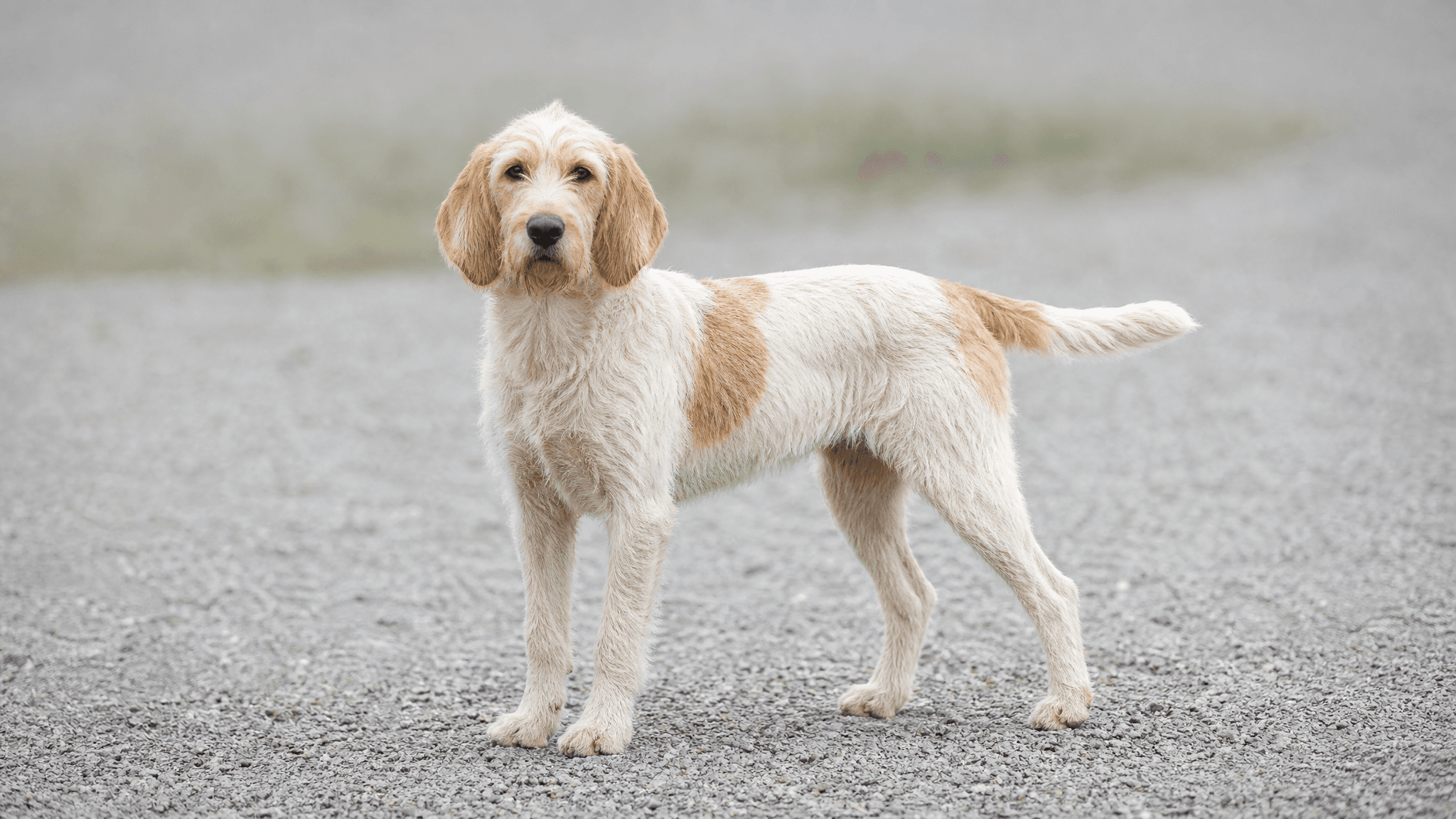
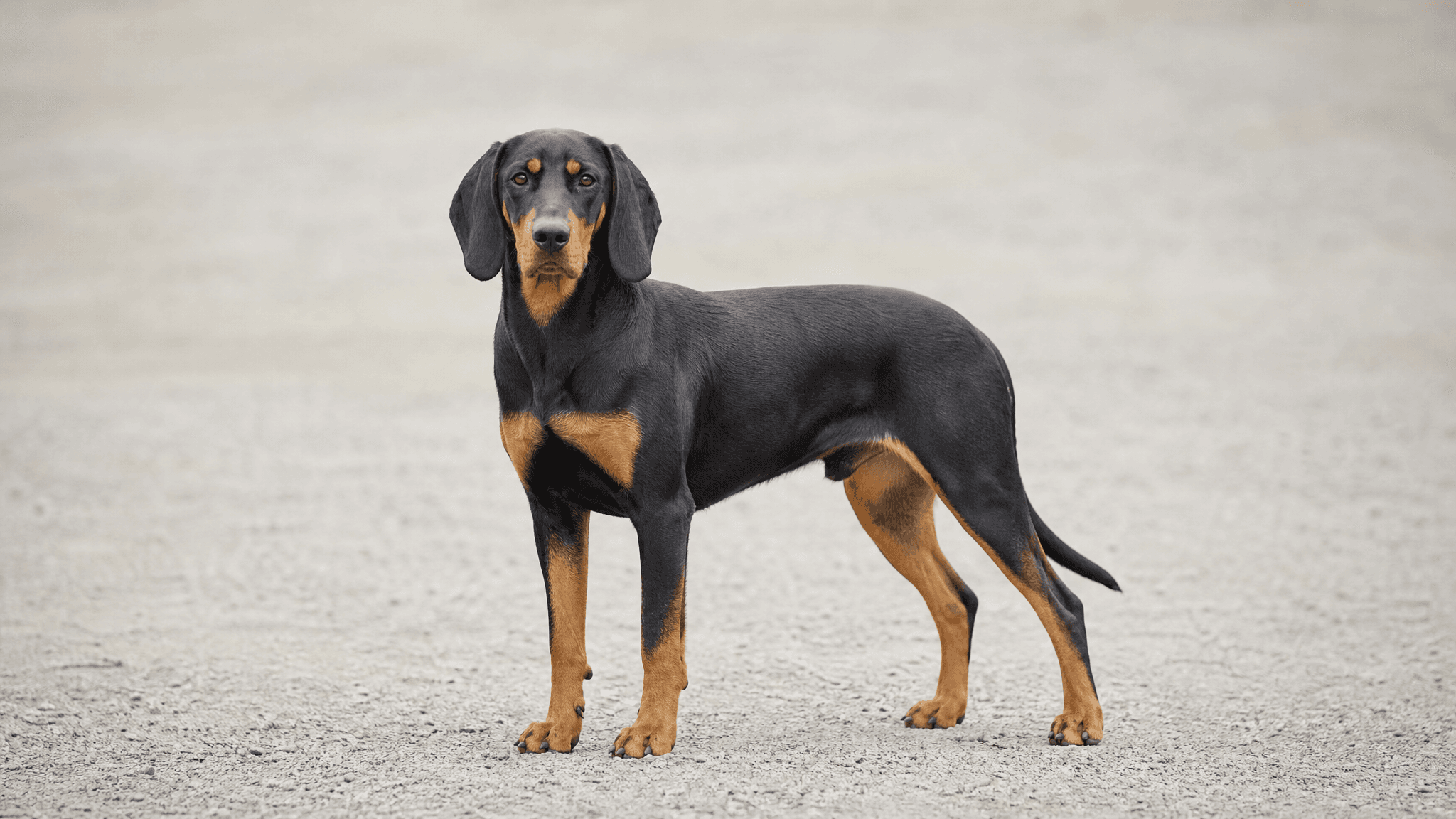
Istrian Short-Haired Hound
Summary
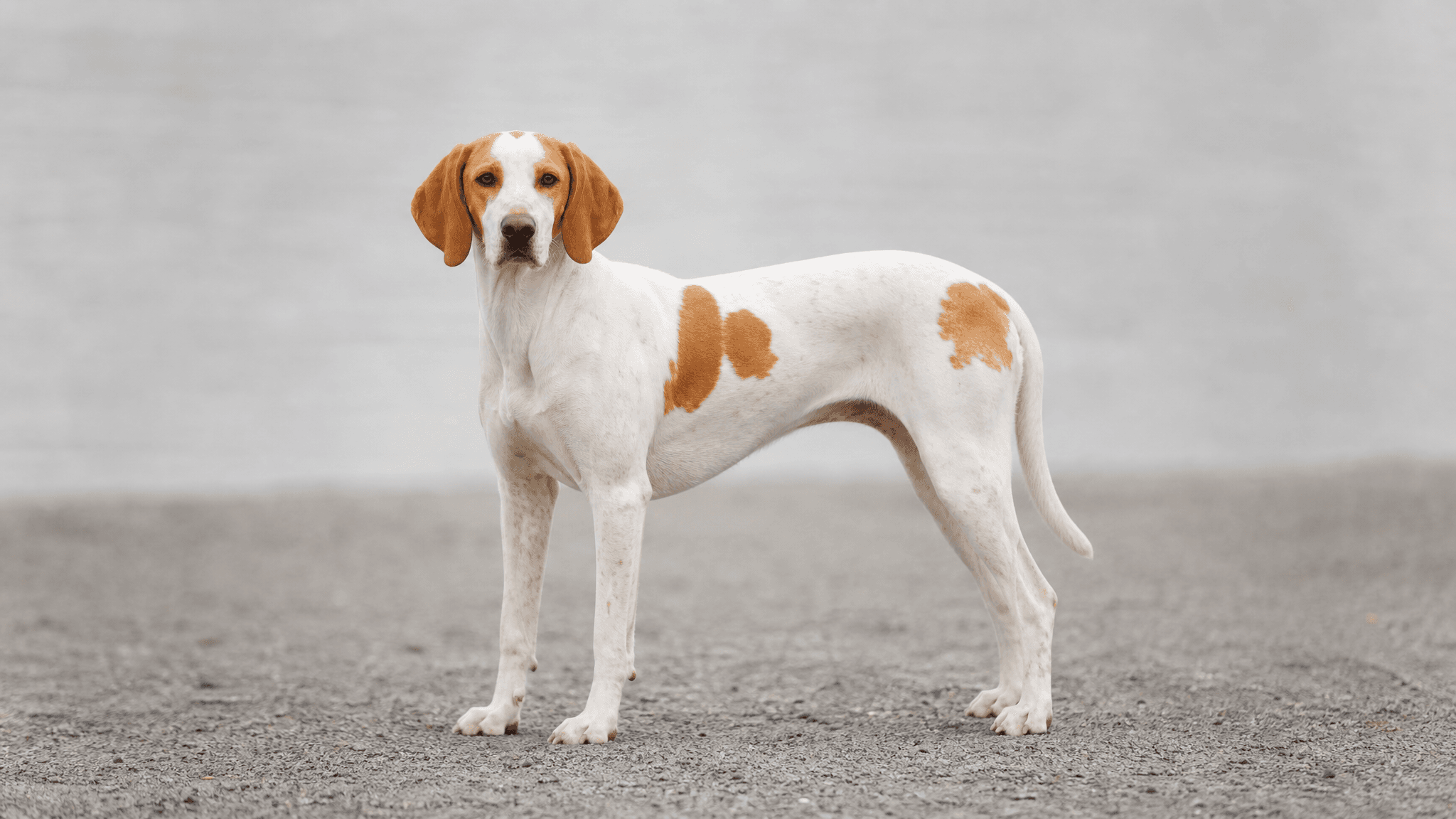
The Istrian Short-Haired Hound is one of the oldest scent hound breeds from the Balkans, with documentation dating back to the 14th century. Originating from the Istrian peninsula (today shared between Croatia and Slovenia), it is a characteristic white and orange dog, developed for hunting hare, fox, and roe deer on the karst (limestone terrain) of Istria.
Physical Characteristics
- Size
- Medium
- Height (male)
- 44–56 cm
- Height (female)
- 42–54 cm
- Weight (male)
- 16–24 kg
- Weight (female)
- 14–20 kg
- Life Expectancy
- 12–14 years
- Coat
- Short, fine, and glossy
- Common Colors
- Pure white with yellowish-orange patches; orange pigmentation in hairless areas
Temperament & Personality
The Istrian Hound is a cheerful, very energetic dog with an excellent nose. It is appreciated for its melodious bay. It can be affectionate in a family environment but its hunting energy is very high.
Activity & Exercise
- Energy Level
- High
- Recommended Daily Exercise
- 90 minutes
- Suitable for Apartment
- Not recommended
Grooming & Care
- Grooming Needs
- Low
- Shedding
- Low to moderate
- Bathing Frequency
- Every 4 weeks
Health
- Common Health Issues
- Hip dysplasia
- Otitis
- Recommended Health Tests
- Orthopedic evaluation
Compatibility
- With Children
- Good
- With Other Dogs
- Excellent
- With Cats
- Moderate
- For First-Time Owners
- Not recommended
Is an Istrian Short-Haired Hound right for you?
An Istrian Short-Haired Hound may suit you if:
- You can provide at least 90 minutes of vigorous daily exercise and engaging scent work to satisfy their high energy and excellent nose.
- You enjoy outdoor adventures like hiking, tracking, or participating in dog sports that utilize their natural hunting instincts.
- You appreciate a cheerful, affectionate companion with a distinctive bay and a strong, independent hunting spirit.
- You are prepared to commit to consistent, positive reinforcement training to channel their intelligence and strong prey drive.
- You are comfortable with minimal grooming, as their short, fine coat requires only occasional brushing and bathing every four weeks.
- You are willing to manage their strong scent drive and characteristic baying, understanding these are natural parts of their hound heritage.
Think twice if:
- You expect immediate and unwavering obedience, as their independent, scent-driven nature can make them less biddable than some other breeds.
- You have a routine that requires leaving a dog alone for long hours daily, as they thrive on companionship and activity.
- You are unwilling to carefully introduce and supervise them with cats due to their moderate suitability and strong prey drive.
- You are unable to provide at least 90 minutes of vigorous daily exercise, which is essential for their physical and mental well-being.
- You live in an apartment or do not have a securely fenced yard, as they need space to explore and are prone to following scents.
- You are unprepared for the challenges of managing a strong, energetic hound, particularly during their boisterous adolescent phase.
The Istrian Short-Haired Hound offers a unique blend of affectionate companionship and spirited independence. While they are devoted family members who thrive on interaction, their deep-seated hunting instincts and high energy mean they need dedicated owners who understand and embrace their hound nature. Providing consistent training, ample exercise, and mental stimulation will ensure a happy, well-adjusted companion for their 12-14 year lifespan.
Training an Istrian Short-Haired Hound
Your Istrian Short-Haired Hound is a bright, cheerful, and highly energetic companion, but their strong hunting instincts mean they learn best with consistent, positive reinforcement. They are incredibly motivated by their excellent nose, so incorporating scent work or high-value, smelly treats into short, engaging training sessions will yield the best results. Keep sessions fun and varied to maintain their interest, as repetition can quickly lead to boredom. If training becomes too harsh or repetitive, or if their natural drives aren't understood, they can become independent and less responsive, making progress challenging.
Begin with:
- Attention and name response
- Recall on a long line
- Loose-leash walking
- Leave it and drop it
- Calm greetings without jumping
- Settling on a mat
- Cooperative handling for grooming
- Waiting at doors and gates
Scent Drive and Recall
The Istrian Short-Haired Hound's incredible nose and high prey drive, honed for hunting hare, fox, and roe deer, means that once they're on a scent, they can become completely deaf to your calls. This isn't stubbornness, but instinct! To manage this, start recall training in a quiet, distraction-free environment, gradually introducing more challenging settings. Always use a long line in unfenced areas until their recall is rock-solid. Practice frequently and make coming back to you the most rewarding thing ever with high-value treats and enthusiastic praise. For more help, check out our guide on teaching recall.
Leash Pulling
Given their energetic nature and medium build, an Istrian Short-Haired Hound can become a strong puller on the leash, especially when an exciting scent catches their attention. It's crucial to start loose-leash training early and be consistent. Reward every step they take with a slack leash, using high-value treats and praise. Avoid letting them pull you; instead, stop walking immediately when the leash tightens and only resume when they loosen it. A front-clip harness can be a helpful tool to discourage pulling without causing discomfort. Our guide on leash pulling offers more in-depth strategies.
Boredom and Baying
An Istrian Short-Haired Hound with insufficient exercise or mental stimulation can quickly develop undesirable behaviours. With their high energy level and a recommended 90 minutes of daily exercise, they need more than just a quick walk around the block. Without proper outlets, they may resort to destructive chewing, digging, or using their characteristic 'melodious bay' excessively, which can be challenging in residential areas. Ensure their daily routine includes vigorous physical activity, such as long hikes or running, combined with mental enrichment like puzzle toys or scent games. A bored Istrian Hound is a mischievous Istrian Hound, so keep them engaged and active!
Istrian Short-Haired Hound — Frequently Asked Questions
What is the Istarski Kratkodlaki Gonic (Istrian Short-Haired Hound)?
The Istarski Kratkodlaki Gonic, or Istrian Short-Haired Hound, is a truly special medium-sized scent hound with a rich history! Hailing from the picturesque Istrian peninsula in Croatia, this breed is one of the oldest from the Balkans, with documentation dating back to the 14th century. Recognized by the FCI in Group 6 (Medium-sized Hounds), they are easily identified by their characteristic white and orange short coat. These cheerful and very energetic dogs are renowned for their excellent nose and a wonderfully melodious bay, making them a distinctive and cherished part of their heritage.
What was the Istarski Kratkodlaki Gonic (Istrian Short-Haired Hound) originally bred for?
With a history stretching back centuries, the Istrian Short-Haired Hound was meticulously developed for a very specific purpose: hunting! Originating from the rugged karst (limestone terrain) of the Istrian peninsula, these dogs were bred to be exceptional scent hounds. Their primary role was to track and hunt small game such as hare, fox, and even roe deer. Their incredible nose, stamina, and melodious bay were invaluable to hunters navigating the challenging landscape, making them highly prized companions in the field.
How much exercise does a Istarski Kratkodlaki Gonic (Istrian Short-Haired Hound) need?
Oh, these hounds are bundles of joy and energy! Given their high energy level and history as dedicated hunting dogs, the Istrian Short-Haired Hound needs a significant amount of daily exercise to stay happy and healthy. We strongly recommend at least 90 minutes of vigorous activity every single day. This isn't just a casual stroll; think long, brisk walks, energetic runs, engaging playtime, or even scent work to keep their brilliant minds and bodies stimulated. Regular, robust exercise is key to preventing boredom and ensuring they thrive in your home.
Is the Istarski Kratkodlaki Gonic (Istrian Short-Haired Hound) a good family dog?
The Istrian Short-Haired Hound can indeed be an affectionate and loving companion within a family setting, bringing a cheerful presence to your home. However, it's really important to remember their very high hunting energy and strong prey drive. While they can do well with children, especially when raised together and supervised, their instincts mean careful introductions and ongoing supervision are crucial with other pets, particularly smaller ones. Early socialization and consistent training are key to helping them adapt and become a wonderful, well-adjusted family member.
Is the Istarski Kratkodlaki Gonic (Istrian Short-Haired Hound) easy to train?
Training an Istrian Short-Haired Hound can be a rewarding experience, but it does require consistency and patience! These dogs are very energetic and possess an excellent nose, which means they can sometimes be easily distracted by interesting scents. While intelligent, hounds can also be quite independent thinkers due to their hunting heritage. Positive reinforcement methods, such as treats and praise, work best. Early socialization and consistent training from a young age will help channel their cheerful energy and strong instincts into a well-behaved and responsive companion.
What health issues are common in the Istarski Kratkodlaki Gonic (Istrian Short-Haired Hound)?
Like all breeds, the Istrian Short-Haired Hound can be prone to certain health conditions, though they are generally a robust breed. It's always wise for potential owners to be aware of documented concerns such as hip dysplasia, a condition affecting the hip joints, and otitis, which refers to inflammation or infection of the ear. Regular veterinary check-ups, a balanced diet, and appropriate exercise are vital for maintaining their overall well-being and catching any potential issues early, helping your beloved hound live a long and happy life.
What is the Istarski Kratkodlaki Gonic (Istrian Short-Haired Hound)'s coat like and how much grooming does it need?
The Istrian Short-Haired Hound, as its name suggests, boasts a beautiful, short, and smooth coat. It's typically a striking white with distinctive orange markings, giving them a very classic hound look. Thankfully, their short coat means grooming is relatively low-maintenance! A weekly brush with a rubber curry brush or a soft bristle brush is usually sufficient to remove loose hair, distribute natural oils, and keep their coat looking shiny and healthy. Occasional baths, as needed, will keep them clean and smelling fresh.
What is the typical lifespan of a Istarski Kratkodlaki Gonic (Istrian Short-Haired Hound)?
It's wonderful to think about the many happy years you can share with an Istrian Short-Haired Hound! These charming and energetic dogs typically enjoy a healthy lifespan of 12 to 14 years. Providing them with excellent nutrition, plenty of exercise, regular veterinary care, and a loving home environment are all key factors that contribute to them living a full and vibrant life by your side. They truly become cherished members of the family for many years.
Community
Talk to real Istrian Short-Haired Hound owners
This guide covers the breed on paper. In the app, the Istrian Short-Haired Hound community covers it in real life: photos from other owners, questions answered by people who live with the breed, and a directory of dogs you can browse.
- Photos & pollsSee what Istrian Short-Haired Hound owners are sharing today.
- Questions & answersAsk anything and hear from people who own one.
- Dog directoryBrowse Istrian Short-Haired Hounds from around the world.
You join automatically when you add a Istrian Short-Haired Hound to your profile.