Hygen Hound
Summary
The Hygenhund is a Norwegian medium-sized scent hound created in the early 19th century by Hans Fredrik Hygen, a Norwegian civil servant who began his breeding program around 1830, combining local Norwegian scent hounds with breeds imported from Europe. The Hygen Hound is an endurance hunter, capable of traversing arctic terrain for long hours without fatigue.
Physical Characteristics
- Size
- Medium
- Height (male)
- 47–55 cm
- Height (female)
- 45–53 cm
- Weight (male)
- 20–25 kg
- Weight (female)
- 18–22 kg
- Life Expectancy
- 12–14 years
- Coat
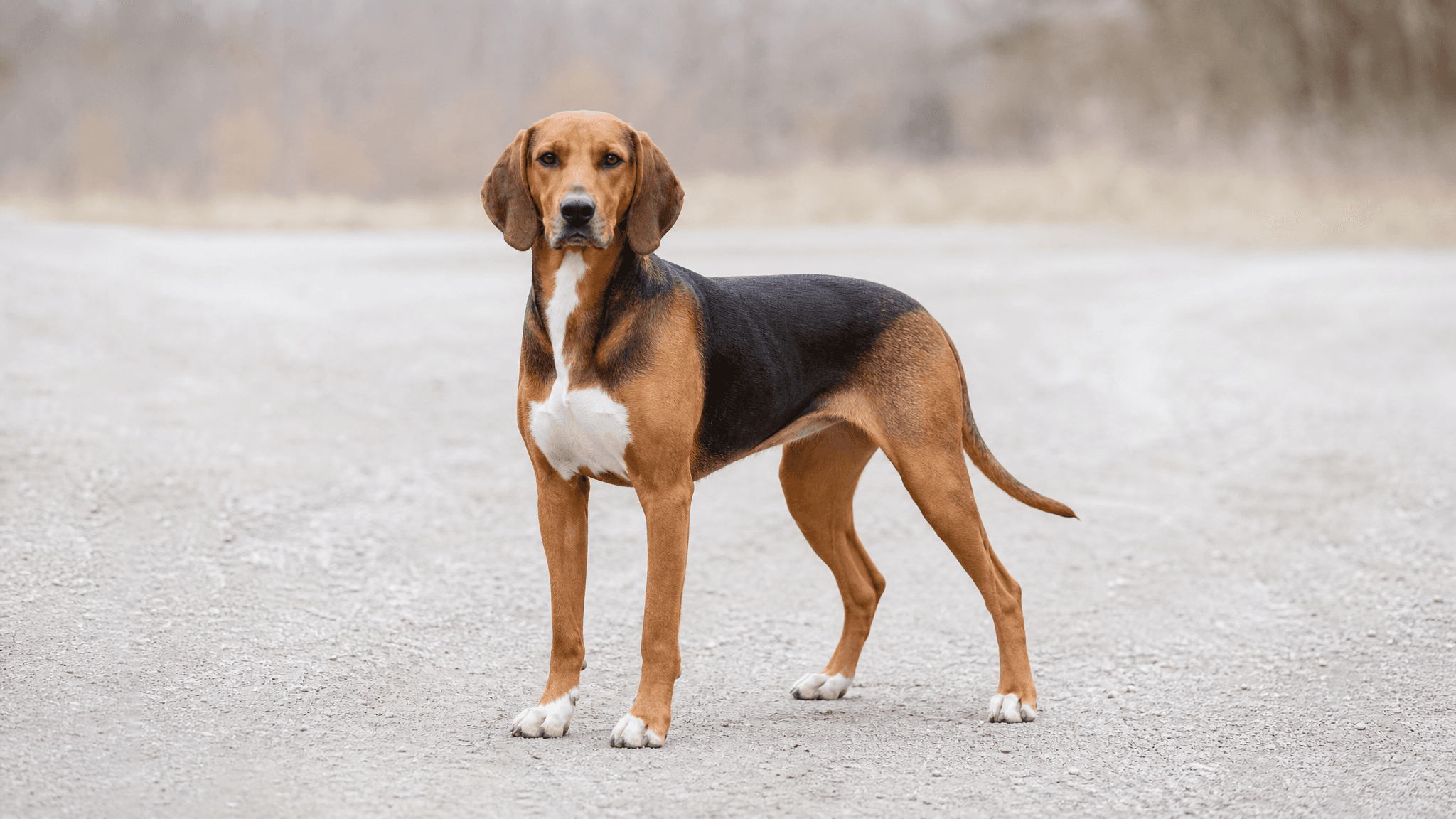
- Short, dense, and glossy
- Common Colors
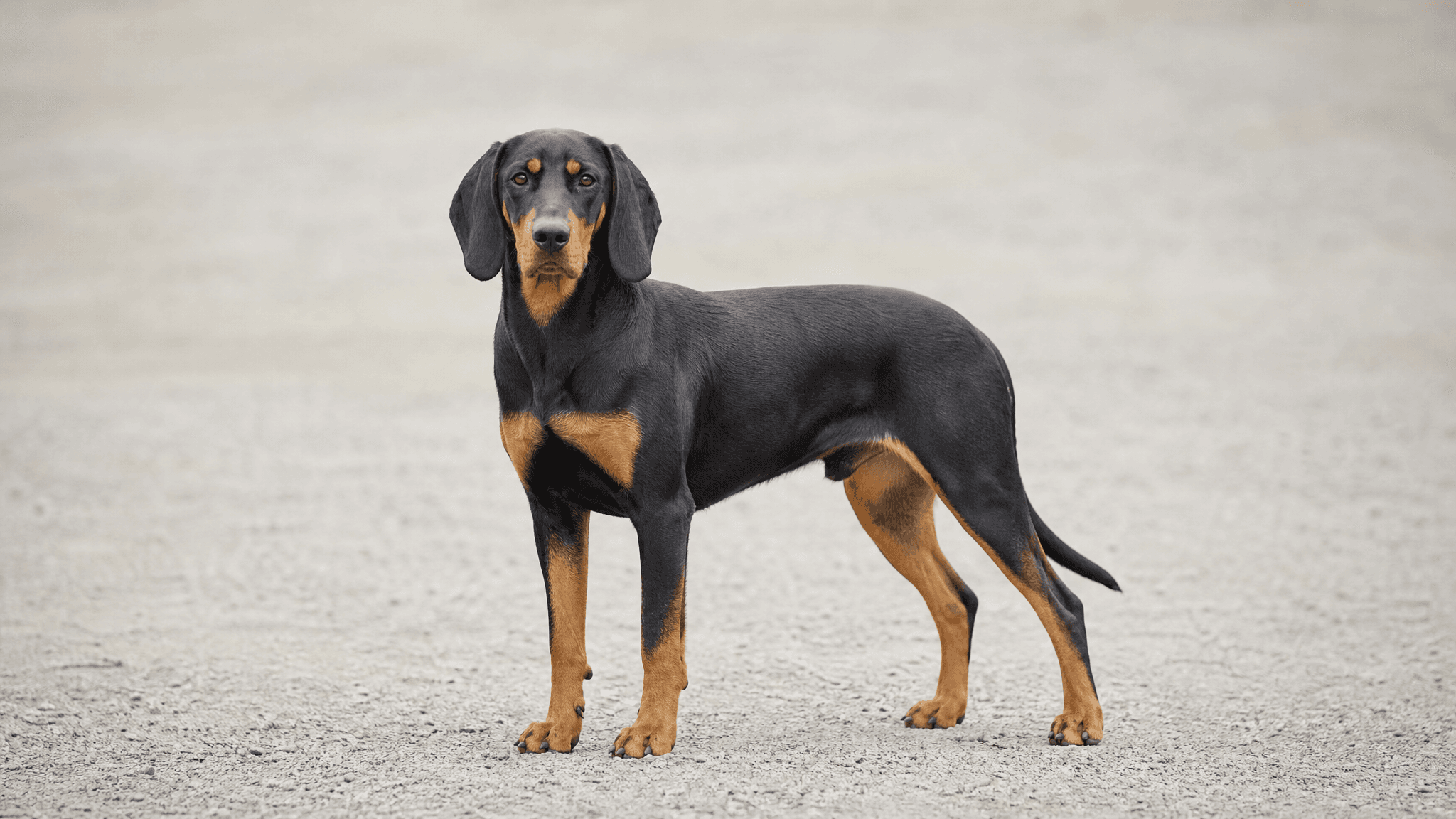
- Yellow, red, brown with or without black shading; with or without white markings; never merle (unlike the Dunker)
Temperament & Personality
The Hygen Hound is energetic, free-spirited, and hardy. It has great endurance and can work in arctic conditions for hours. Outside of hunting, it can be affectionate and balanced.
Activity & Exercise
- Energy Level
- Very high
- Recommended Daily Exercise
- 90–120 minutes
- Suitable for Apartment
- Not recommended
Grooming & Care
- Grooming Needs
- Low
- Shedding
- Moderate
- Bathing Frequency
- Every 4 weeks
Health
- Common Health Issues
- Hip dysplasia
- Otitis
- Small population increases inbreeding risk
- Recommended Health Tests
- Genetic profiling
- Orthopedic evaluation
Compatibility
- With Children
- Good
- With Other Dogs
- Excellent
- With Cats
- Moderate
- For First-Time Owners
- Not recommended
Is a Hygen Hound right for you?
A Hygen Hound may suit you if:
- You are eager to provide 90 to 120 minutes of vigorous daily exercise to satisfy their very high energy.
- You enjoy an active, outdoorsy lifestyle that can include long adventures in varied terrain, even in colder weather.
- You appreciate a free-spirited and hardy companion who is also capable of being affectionate and balanced at home.
- You are prepared to invest consistent, positive training to channel their intelligence and independent scent hound nature.
- You are comfortable with moderate shedding and providing basic, low-maintenance grooming for their short, dense coat.
- You are willing to manage a strong scent drive and provide safe outlets for their natural hunting instincts.
Think twice if:
- You expect unwavering obedience and a dog that always puts your commands above an intriguing scent.
- You have a busy schedule that leaves a dog alone for long stretches, as Hygen Hounds thrive on companionship and activity.
- You have small, free-roaming household pets, especially cats, and are not prepared for careful introductions and supervision.
- You are unable to commit to daily vigorous exercise for up to two hours, regardless of weather.
- You live in an apartment or lack a securely fenced outdoor space for a medium-sized, energetic dog.
- You are not prepared for the strength and exuberance of a medium-sized, high-energy dog, especially during their adolescent phase.
The Hygen Hound offers a truly rewarding partnership for those who embrace their energetic, free-spirited nature. While their strong scent drive and need for extensive daily exercise demand a committed owner, their affectionate and balanced temperament makes them a joyful companion. Living with a Hygen means celebrating their endurance and independence, finding a rhythm that honors both their heritage and your home.
Training a Hygen Hound
Hygen Hounds are intelligent, free-spirited scent hounds, motivated by engaging activities that tap into their natural drives, especially scent work and positive reinforcement with high-value treats. Training sessions should be short, frequent, and fun, keeping their energetic nature in mind. Consistency is key, but variety helps maintain their interest. If training becomes repetitive or handler expectations are unclear, this hardy breed may become disengaged or stubborn, relying on its independent nature rather than cooperating. Patience and understanding of their instincts are crucial for a successful bond and effective learning.
Begin with:
- Attention and response to name around distractions
- Recall on a long line
- Loose-leash walking
- Leave it and drop it
- Calm greetings without jumping
- Settling on a mat or bed
- Cooperative handling for grooming, ears, feet and teeth
- Waiting at doors and gates
Scent drive and recall
Your Hygen Hound's heritage as an endurance scent hunter means their nose is incredibly powerful, often overriding other commands. When a compelling scent grabs their attention, their free-spirited nature kicks in, making recall a significant challenge. It's not defiance; it's instinct.
To manage this, always use a long line in unfenced areas until their recall is rock-solid, and practice in increasingly distracting environments. Make coming back to you the most rewarding thing ever, using enthusiastic praise and irresistible treats. Consider using our guide to build a super-strong recall.
Leash pulling
Given their medium size and immense endurance, a Hygen Hound can be a powerful puller on the leash, especially when their scent drive is engaged. Their hardy nature means they can keep pulling for a long time, making walks less enjoyable for both of you.
Start loose-leash training early and consistently. Use a front-clip harness to help redirect their momentum without discomfort. Practice stopping every time they pull, only moving forward when the leash is slack. Remember, a well-exercised Hygen Hound is more likely to walk nicely, so ensure they get their recommended 90-120 minutes of daily activity. Our training tips can help.
Destructive boredom
A Hygen Hound with their very high energy level and great endurance needs substantial physical and mental stimulation. If they don't get their recommended 90-120 minutes of daily exercise, or if they are left alone for extended periods without enrichment, their free-spirited nature can turn to destructive behaviours. This isn't naughtiness, but a natural outlet for pent-up energy and boredom.
Ensure you meet their exercise needs with varied activities like long walks, runs, or scent games. Provide plenty of puzzle toys and chew items to keep their minds busy when you can't actively engage them. For insights into separation-related stress, check out this article.
Hygen Hound — Frequently Asked Questions
What is the Hygenhund (Hygen Hound)?
The Hygenhund, or Hygen Hound, is a Norwegian scenthound developed in the 19th century by Norwegian breeder Hygen, after whom the breed is named. Bred to hunt hare in Norway's demanding terrain and extreme cold, it was developed specifically for stamina, resilience, and a reliable nose in harsh conditions. Medium-sized, athletic, and determined, the Hygenhund is one of Norway's national dog breeds and is rare outside Scandinavia. It is a loyal, even-tempered hound that can double as a warm family companion with the right level of exercise.
How much exercise does a Hygenhund need?
The Hygenhund was developed for endurance hunting in challenging terrain and needs substantial daily exercise — a minimum of 1.5–2 hours of varied, energetic activity. They love running and are happiest when they have space to explore with their nose. Long hikes, jogging, and tracking activities are ideal. Like most hounds, they have a powerful nose that can override their recall once they lock onto a scent, so off-lead exercise should only happen in securely fenced areas. A Hygenhund that doesn't get sufficient exercise will become vocal and destructive.
Are Hygenhunds good family dogs?
The Hygenhund has a friendly, even temperament and can make a good family dog in the right household. It tends to be affectionate with the people it knows and is generally good with children. As a pack-oriented breed, it usually gets along well with other dogs. However, its high energy levels and working instincts mean it requires an active family with time and space for substantial daily exercise. Its strong nose also means it should be reliably contained in fenced areas. It is not a dog for sedentary or apartment-dwelling families.
Are Hygenhunds easy to train?
Hygenhunds are intelligent working dogs, but like most hounds, their independence and powerful olfactory instincts can make training challenging in distracting environments. They respond well to positive reinforcement, especially when food rewards are involved. Building a reliable recall requires consistent, patient work from early puppyhood. They benefit from activities that engage their nose — tracking, scent work, and hunting-style games channel their instincts productively. Early socialisation and ongoing exposure to different environments helps them become well-rounded and manageable companions.
What is the Hygenhund's coat like?
The Hygenhund has a short, dense, and weather-resistant double coat that comes in a range of colours — most commonly yellow-red, brown, or black with tan markings, often with white patches. The coat was designed for harsh Nordic winters and is naturally protective against cold and wet. Grooming needs are minimal — a weekly brush with a bristle brush or rubber hound glove removes loose hair and keeps the coat in good condition. Seasonal shedding occurs twice a year and daily brushing during those periods helps manage loose hair. Bathing is only needed occasionally.
Are Hygenhunds rare?
Yes — outside Norway, the Hygenhund is extremely rare, and even within Norway it is not a common sight. It is considered a Norwegian national breed and conservation efforts are ongoing to prevent the population from declining further. International registrations are very limited. For those passionate about rare working hounds, the Hygenhund offers a unique combination of stamina, loyalty, and character. If you're interested in one, connecting directly with Norwegian breed clubs is the best starting point, and importing a dog from Norway is typically necessary for owners outside Scandinavia.
What health issues are common in Hygenhunds?
The Hygenhund is generally considered a healthy breed — generations of selection for working endurance in demanding conditions have produced a robust constitution. Hip dysplasia can occur, as in most medium to large breeds, and health screening of breeding pairs is recommended. Their active lifestyle means joint and muscle health should be monitored, particularly as they age. The breed's small population size does create some concern about genetic diversity, which is why breed clubs encourage careful, well-documented breeding programmes. Regular vet check-ups and maintaining a healthy weight are the key practices for a long life.
What is the typical lifespan of a Hygenhund?
The Hygenhund typically lives between 12 and 15 years, which is a solid lifespan for an active medium-sized breed. Their working constitution and hardy nature contribute to this. The main pillars for a long, healthy life are regular vigorous exercise (which keeps the cardiovascular system and muscles strong), maintaining a lean and healthy body weight, preventive veterinary care, and attention to ear health (their floppy ears can trap moisture). Dogs who remain active and engaged with their owners throughout their life tend to age gracefully within this range.
Community
Talk to real Hygen Hound owners
This guide covers the breed on paper. In the app, the Hygen Hound community covers it in real life: photos from other owners, questions answered by people who live with the breed, and a directory of dogs you can browse.
- Photos & pollsSee what Hygen Hound owners are sharing today.
- Questions & answersAsk anything and hear from people who own one.
- Dog directoryBrowse Hygen Hounds from around the world.
You join automatically when you add a Hygen Hound to your profile.