Hungarian Wire-Haired Pointer
Summary
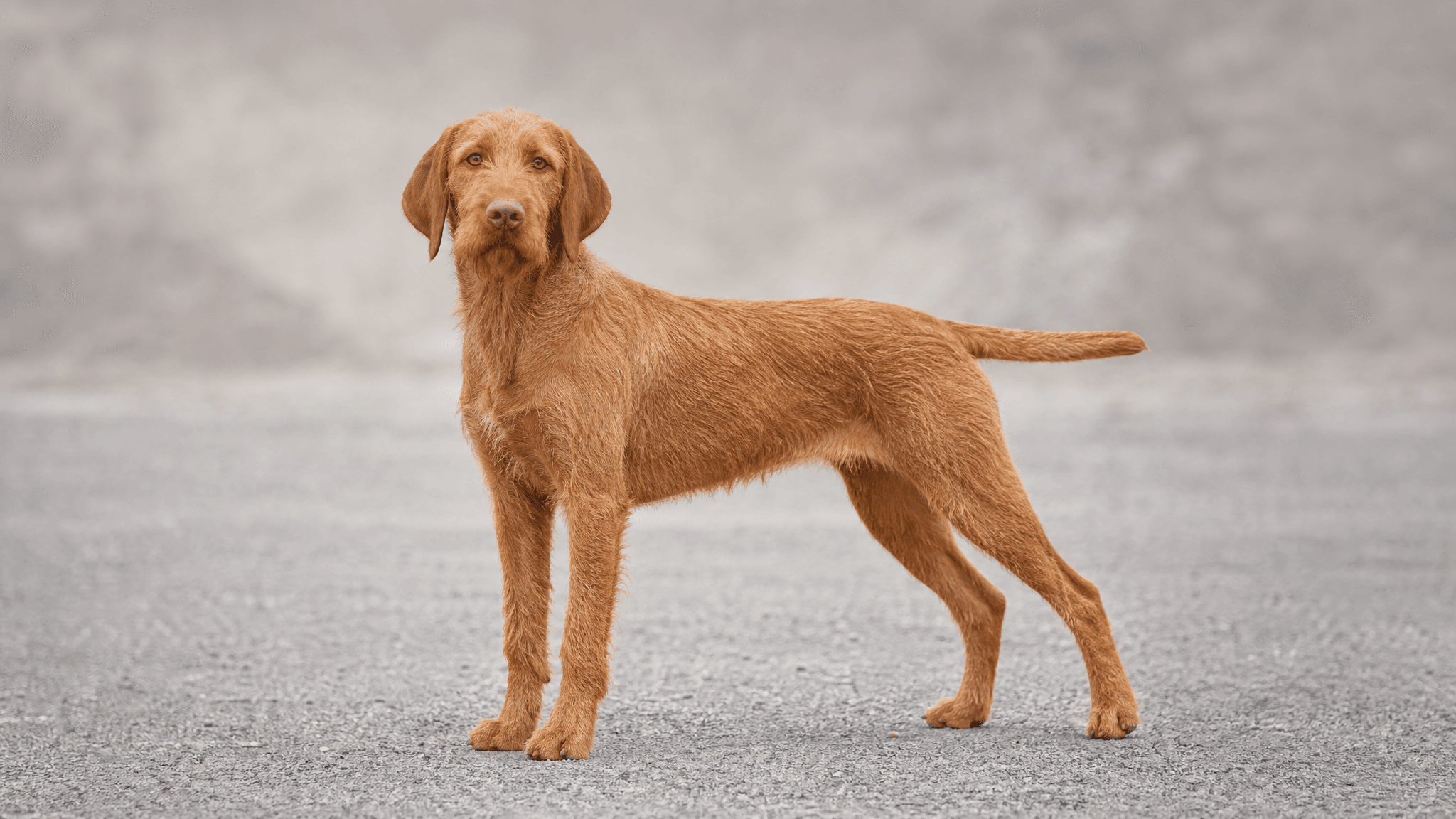
The Wire-Haired Vizsla is a relatively modern breed, created in Hungary in the 1930s by breeders who wanted a more robust Vizsla, capable of working in harsh winters and more difficult terrain. The cross was made between the Smooth-Haired Vizsla and the German Wire-Haired Pointer. The result shares the characteristic golden-rust color of the Vizsla and the protective rough coat of the German Wire-Haired Pointer, combining the qualities of both parent breeds.
Physical Characteristics
- Size
- Medium
- Height (male)
- 57–64 cm
- Height (female)
- 55–61 cm
- Weight (male)
- 25–30 kg
- Weight (female)
- 20–25 kg
- Life Expectancy
- 12–14 years
- Coat
- Rough, hard, and dense (~3–4 cm); dense undercoat; pronounced eyebrows and beard; uniform golden-rust color
- Common Colors
- Golden-rust (identical to the Smooth-Haired Vizsla); minimal white marks on the chest and paws are accepted
Temperament & Personality
The Wire-Haired Vizsla shares the affectionate and sensitive temperament of the Smooth-Haired Vizsla but is generally described as slightly more "solid" and emotionally resilient. It is a dog of very high energy and great devotion to the owner — a true "velcro dog" like its relative. It does not tolerate solitude or kennel environments well. It requires a lot of exercise and daily mental stimulation to stay balanced.
Activity & Exercise
- Energy Level
- Very high
- Recommended Daily Exercise
- 90–120 minutes
- Suitable for Apartment
- Not recommended
Grooming & Care
- Grooming Needs
- Moderate
- Shedding
- Moderate
- Bathing Frequency
- Every 4–6 weeks
Health
- Common Health Issues
- Entropion/ectropion
- Hip dysplasia
- Hyperuricosuria (bladder stones)
- Progressive muscular dystrophy
- Skin allergies
- Recommended Health Tests
- Eye examination
- Genetic test for hyperuricosuria
- Orthopedic evaluation
Compatibility
- With Children
- Excellent
- With Other Dogs
- Good
- With Cats
- Moderate
- For First-Time Owners
- Not recommended
Is a Hungarian Wire-Haired Pointer right for you?
A Hungarian Wire-Haired Pointer may suit you if:
- You are prepared to provide 90 to 120 minutes of vigorous daily exercise and engaging mental challenges.
- You enjoy outdoor adventures like hiking, hunting, or dog sports that harness their natural drive.
- You cherish a devoted companion who thrives on being an integral part of your daily life.
- You are committed to consistent, positive reinforcement training to channel their intelligence and energy.
- You are willing to commit to moderate grooming, including regular brushing and occasional stripping for their protective coat.
- You are ready to embrace a constant canine shadow who thrives on companionship and close family bonds.
Think twice if:
- You expect an always-obedient dog who will instantly comply without consistent effort and patience.
- You have a lifestyle that frequently requires leaving a dog alone for long stretches during the day.
- You are unwilling to carefully manage introductions and interactions with smaller household pets, especially cats.
- You are unable to provide daily vigorous exercise for 90 to 120 minutes, regardless of the weather.
- You live in an apartment or do not have a securely fenced outdoor space for safe exploration and play.
- You are not prepared for the energetic and sometimes boisterous nature of a medium-sized dog during its adolescent phase.
The Hungarian Wire-Haired Pointer offers unparalleled devotion and a zest for life that can be incredibly rewarding. While their robust nature makes them resilient companions for active families, their deep need for companionship means they thrive only when truly integrated into your daily world. They are not just pets; they are committed partners, requiring an equally committed human.
Training a Hungarian Wire-Haired Pointer
Hungarian Wire-Haired Pointers are incredibly devoted and intelligent, thriving on positive reinforcement and engaging with their beloved owner. Their very high energy and desire to please mean training sessions should be short, fun, and frequent, using high-value rewards to capture their attention. This sensitive breed learns best when they feel connected and understood, responding poorly to harsh methods. If training is inconsistent, boring, or lacks mental and physical outlets, they can become withdrawn or frustrated, potentially leading to unwanted behaviours as they seek stimulation.
Begin with:
- Responding to name around distractions
- Recall on a long line
- Loose-leash walking
- Leave it and drop it
- Calm greetings without jumping
- Settling on a mat or bed
- Cooperative handling for grooming
- Waiting at doors and gates
Prey Drive and Recall
As a pointing dog, the Hungarian Wire-Haired Pointer possesses a strong natural prey drive, making recall a significant challenge, especially when they spot something interesting. Their instincts to hunt and point are deeply ingrained, so you'll need to work consistently to make coming back to you the most rewarding thing ever. Start recall training in a secure, low-distraction environment, gradually increasing difficulty as your dog masters it.
Always use a long line for safety in open areas until their recall is absolutely rock-solid, and consider a reliable whistle command to cut through distractions. Consistency and high-value rewards are key to overcoming this powerful instinct. For more detailed guidance, check out our guide on teaching recall.
Leash Pulling
Given their medium size (males can weigh up to 30 kg) and very high energy, a Hungarian Wire-Haired Pointer can be a powerful puller on the leash. This isn't just uncomfortable; it can be dangerous for both of you. Focus on teaching loose-leash walking from day one with positive reinforcement, rewarding your dog for walking politely by your side.
Use a front-clip harness or head halter if needed, but always pair it with consistent training. Remember, this breed needs a significant amount of exercise, typically 90–120 minutes daily, so ensure they're adequately tired before walks to help manage their enthusiasm. You can find a helpful force-free plan in this article.
Separation Anxiety
Hungarian Wire-Haired Pointers are extremely devoted to their owners and are true "velcro dogs." They do not tolerate solitude or kennel environments well. If under-exercised, under-stimulated, or left alone for too long, they can easily develop separation anxiety or destructive behaviours as a coping mechanism.
Ensure your dog receives their full 90–120 minutes of daily exercise and plenty of mental enrichment through puzzle toys or training games. Gradually introduce alone time, starting with very short periods, and provide a safe, comfortable space. If you work long hours, consider a dog walker or daycare. Learning to recognise the signs of stress when you leave can be incredibly helpful.
Hungarian Wire-Haired Pointer — Frequently Asked Questions
What is the Drótzörü Magyar Vizsla (Hungarian Wire-Haired Pointer)?
The Drótzörü Magyar Vizsla, often known as the Hungarian Wire-Haired Pointer, is a truly special medium-sized sporting dog hailing from Hungary. This robust and versatile breed belongs to FCI Group 7 (Braque type) and was developed in the 1930s. It was created by crossing the beloved Smooth-Haired Vizsla with the German Wire-Haired Pointer, resulting in a dog that combines the characteristic golden-rust color with a protective, rough coat. They are renowned for their affectionate, sensitive, and highly energetic nature, making them incredibly devoted companions and true 'velcro dogs' to their families.
What was the Drótzörü Magyar Vizsla (Hungarian Wire-Haired Pointer) originally bred for?
The Drótzörü Magyar Vizsla was intentionally bred in Hungary during the 1930s with a very specific purpose in mind: to create a more robust and resilient version of the Smooth-Haired Vizsla. Breeders sought a dog capable of excelling in more challenging environments, particularly in harsh winter conditions and difficult terrain. By crossing the Smooth-Haired Vizsla with the German Wire-Haired Pointer, they successfully developed a breed that retained the Vizsla's exceptional hunting abilities and affectionate temperament, while gaining a protective wire coat and a slightly more 'solid' and emotionally resilient disposition, perfect for demanding field work.
How much exercise does a Drótzörü Magyar Vizsla (Hungarian Wire-Haired Pointer) need?
These wonderful dogs have a very high energy level and truly thrive on activity! A Drótzörü Magyar Vizsla needs a substantial amount of exercise daily to stay happy and healthy. We recommend providing them with 90 to 120 minutes of vigorous physical activity every single day. This isn't just about walks; they need opportunities to run, play, and engage in mentally stimulating activities. Without adequate exercise, their boundless energy can lead to boredom and potentially destructive behaviors, so keeping them active and engaged is key to a harmonious home.
Is the Drótzörü Magyar Vizsla (Hungarian Wire-Haired Pointer) a good family dog?
Absolutely! The Drótzörü Magyar Vizsla is known for its incredibly affectionate and devoted nature, making them wonderful family companions. They are true 'velcro dogs' who thrive on being an integral part of the family and do not tolerate solitude or kennel environments well. Their sensitive and loving temperament generally makes them good with children and can get along well with other pets, especially if socialized from a young age. However, their very high energy means they need a family that can provide consistent exercise and include them in daily activities.
Is the Drótzörü Magyar Vizsla (Hungarian Wire-Haired Pointer) easy to train?
With their great devotion to their owners and intelligent minds, Drótzörü Magyar Vizslas are generally considered highly trainable! They are eager to please and respond very well to positive reinforcement methods. Their sensitive temperament means they do best with gentle, consistent training rather than harsh corrections. Because of their very high energy and need for mental stimulation, incorporating training into their daily routine is crucial. Early socialization and consistent training will help channel their intelligence and enthusiasm into becoming well-behaved and cherished family members.
What health issues are common in the Drótzörü Magyar Vizsla (Hungarian Wire-Haired Pointer)?
Like all breeds, the Drótzörü Magyar Vizsla can be predisposed to certain health conditions, and responsible breeding aims to minimize these risks. Some documented health concerns for the breed include eye conditions such as Entropion and Ectropion, which affect the eyelids. They can also be susceptible to Hip Dysplasia, a common orthopedic issue. Other concerns include Hyperuricosuria, which can lead to bladder stones, Progressive Muscular Dystrophy, and various Skin Allergies. Regular veterinary check-ups and a healthy lifestyle are essential for helping your Wire-Haired Vizsla live a long, happy life.
What is the Drótzörü Magyar Vizsla (Hungarian Wire-Haired Pointer)'s coat like and how much grooming does it need?
The Drótzörü Magyar Vizsla boasts a distinctive protective rough coat, which is a hallmark of the breed, combined with their beautiful golden-rust color. This wire coat is designed for durability and protection in various terrains and weather, helping them in their working roles. While it's not overly demanding, it does require regular attention to keep it healthy and tidy. Weekly brushing will help remove loose hair, prevent matting, and keep their skin in top condition. Occasional hand-stripping might be recommended by breeders or groomers to maintain the coat's texture and protective qualities, ensuring your Vizsla always looks their best.
What is the typical lifespan of a Drótzörü Magyar Vizsla (Hungarian Wire-Haired Pointer)?
With proper care, a nutritious diet, regular exercise, and routine veterinary attention, the Drótzörü Magyar Vizsla is generally a healthy and robust breed. You can typically expect your beloved Wire-Haired Vizsla companion to share between 12 and 14 years of wonderful adventures with you. Providing them with a loving home environment, plenty of mental and physical stimulation, and proactive health management will contribute significantly to them living a full and vibrant life by your side.
Community
Talk to real Hungarian Wire-Haired Pointer owners
This guide covers the breed on paper. In the app, the Hungarian Wire-Haired Pointer community covers it in real life: photos from other owners, questions answered by people who live with the breed, and a directory of dogs you can browse.
- Photos & pollsSee what Hungarian Wire-Haired Pointer owners are sharing today.
- Questions & answersAsk anything and hear from people who own one.
- Dog directoryBrowse Hungarian Wire-Haired Pointers from around the world.
You join automatically when you add a Hungarian Wire-Haired Pointer to your profile.