Hungarian Greyhound
Summary
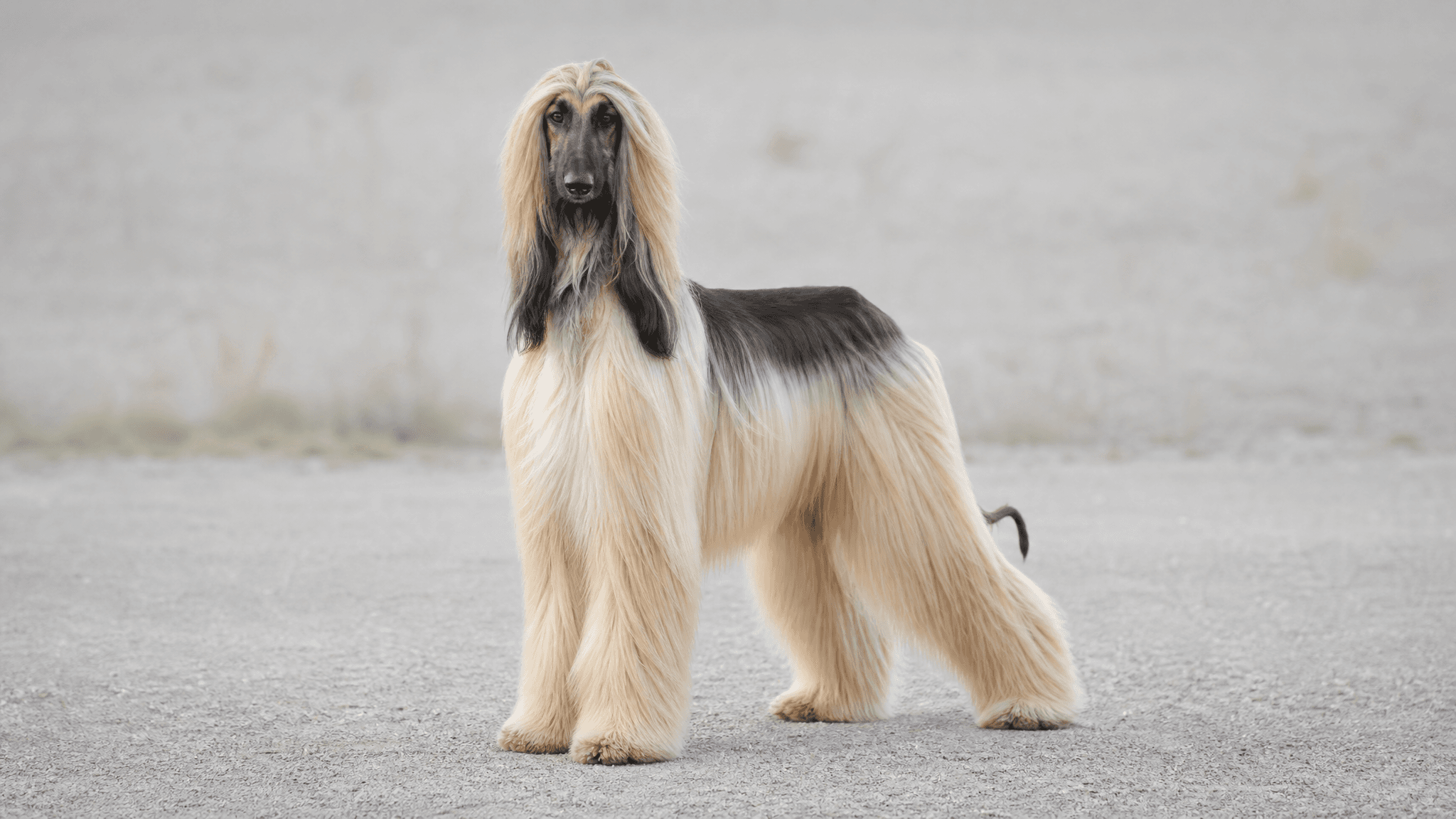
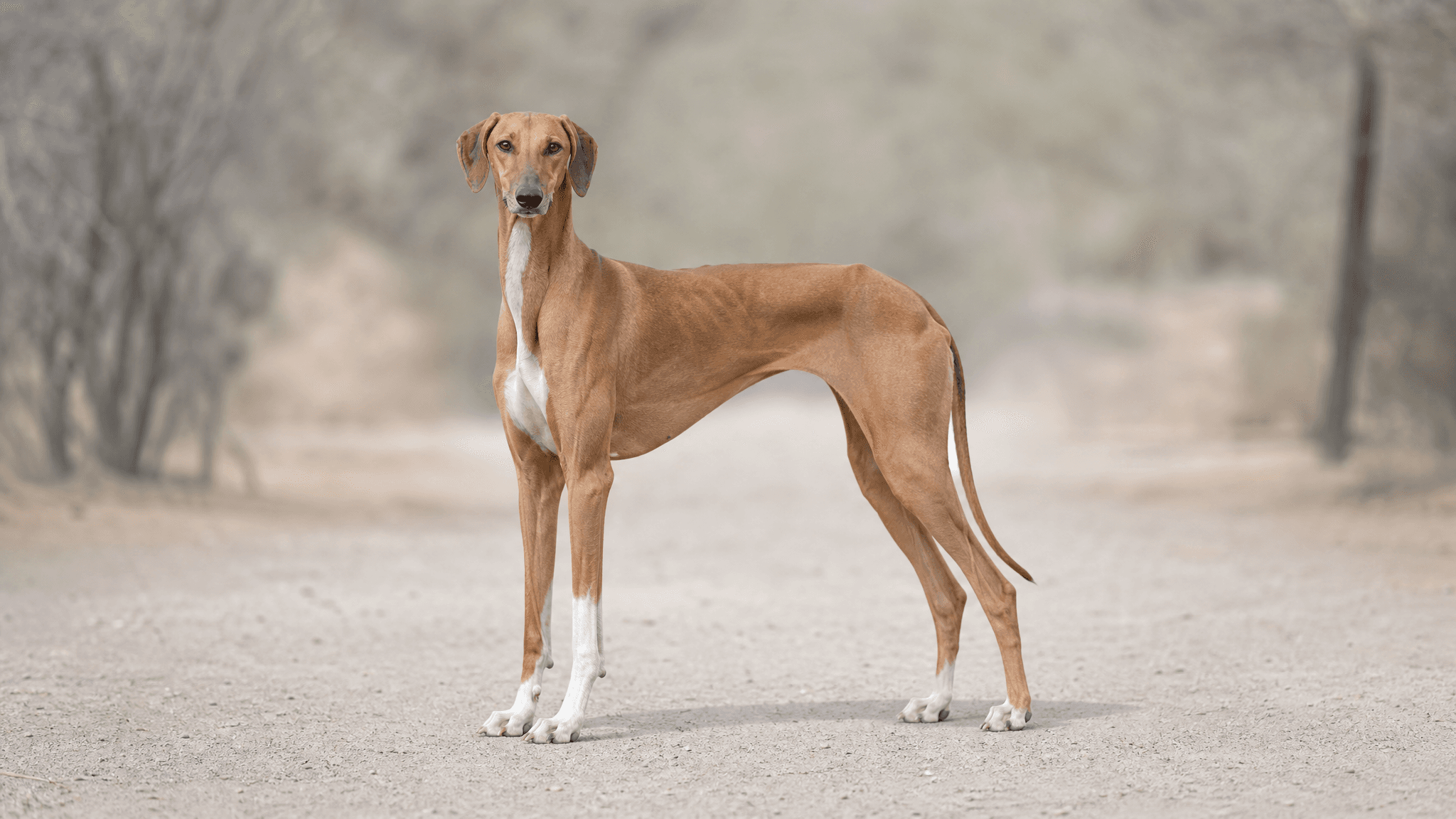
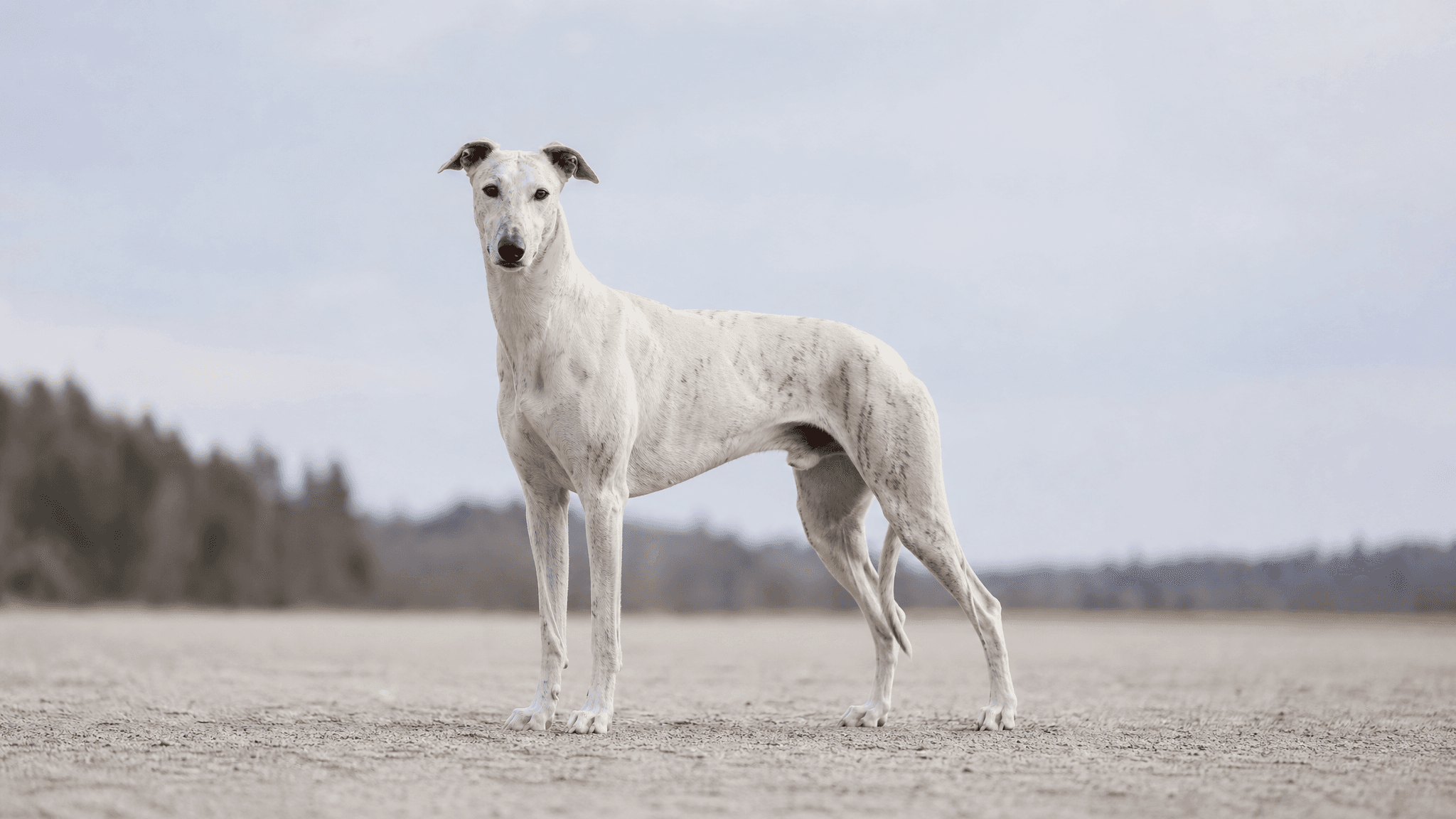
The Hungarian Greyhound — _Magyar Agár_ in its original language — is a sighthound of exceptional resistance and endurance, distinct from the Greyhound by its more robust frame, thicker skin, and greater cold resistance. Developed on the Hungarian plains (_puszta_) to run alongside its owners' horses during long hunts, it has greater stamina and better performance at medium and long distances than the Greyhound. It is also recognized as an excellent guard dog, an unusual characteristic among sighthounds.
Physical Characteristics
- Size
- Large
- Height (male)
- 65–70 cm
- Height (female)
- 62–67 cm
- Weight (male)
- 22–31 kg
- Weight (female)
- 20–28 kg
- Life Expectancy
- 12–14 years
- Coat
- Short, dense, thick, and smooth; thicker undercoat in cold climates — adaptation to Central European winter
- Common Colors
- All colors except black and tan, blue and white, brown, wolf grey, tricolor — these are disqualifying in the FCI standard
Temperament & Personality
The Magyar Agár is described in the UKC standard as "reserved by nature, but not timid; sensible, intelligent, and faithful." Unlike other sighthounds, it has a pronounced guarding instinct, being vigilant and a good alert dog. With the family it is loyal, affectionate, and active; with strangers it is naturally reserved but not aggressive. It requires early socialization to avoid excessive timidity. It is energetic and needs regular exercise to maintain emotional balance.
Activity & Exercise
- Energy Level
- High
- Recommended Daily Exercise
- 60–90 minutes
- Suitable for Apartment
- Not recommended
Grooming & Care
- Grooming Needs
- Low to moderate
- Shedding
- Moderate
- Bathing Frequency
- Every 8–12 weeks
Health
- Common Health Issues
- And progressive retinal atrophy (PRA) in some bloodlines
- Documented cases of epilepsy
- Generally very healthy (working breed)
- Like all sighthounds
- Sensitive to anesthesia
- Thyroid disease
- Recommended Health Tests
- Eye examination
- Hip evaluation
- The North American Magyar Agár Association recommends mandatory health tests for all breeding stock
- Thyroid analysis
Compatibility
- With Children
- Good
- With Other Dogs
- Good
- With Cats
- Can be difficult
- For First-Time Owners
- Acceptable
Is a Hungarian Greyhound right for you?
A Hungarian Greyhound may suit you if:
- You are prepared to provide 60 to 90 minutes of vigorous exercise daily, embracing their need for long runs and mental engagement.
- You enjoy an active, outdoor lifestyle that includes activities like jogging, hiking, or even lure coursing.
- You appreciate a loyal, intelligent companion who is affectionate with family yet reserved with strangers and vigilant of surroundings.
- You are prepared to invest in consistent, positive training and early socialization to nurture their sensible and intelligent nature.
- You are comfortable with moderate shedding and a low-to-moderate grooming routine, including occasional bathing every 8 to 12 weeks.
- You understand and are prepared to manage their strong sighthound prey drive and natural guarding instincts with patience.
Think twice if:
- You expect unwavering obedience and instant recall from a breed known for its independent sighthound spirit.
- You have a busy schedule that would leave a large, high-energy dog alone for long stretches in a small living space.
- You have cats or other small, fast-moving pets, as their strong prey drive can make cohabitation challenging.
- You are unable to commit to 60 to 90 minutes of daily vigorous exercise or tolerate moderate shedding.
- You live in an apartment or do not have a securely fenced yard to safely contain a large, athletic sighthound.
- You are unwilling to provide consistent guidance and gentle handling to build confidence, especially during adolescence.
The Hungarian Greyhound offers a unique blend of sighthound grace and an unexpected guarding instinct. While they thrive on activity and family loyalty, their independent spirit and need for space mean they aren't for every home. Embracing their distinct qualities promises a deeply rewarding companionship for the right, committed owner.
Training a Hungarian Greyhound
Your Hungarian Greyhound is a sensible and intelligent companion, eager to please but also reserved. They thrive on positive reinforcement, responding best to clear, consistent cues and rewarding experiences. Keep training sessions short, fun, and engaging to prevent boredom, as their sighthound nature means they can lose interest in repetitive drills. Inconsistency or harsh methods can lead to a timid or withdrawn response, making them less likely to engage and potentially hindering their natural faithfulness. Building a strong bond through trust and positive experiences is key to unlocking their full potential.
Begin with:
- Responding to name around distractions
- Recall on a long line
- Loose-leash walking
- Leave it and drop it
- Calm greetings without jumping
- Settling on a mat or bed
- Cooperative handling for grooming, ears, feet and teeth
- Waiting at doors and gates
Prey Drive and Recall
As a sighthound bred for the hunt, your Magyar Agár possesses a strong prey drive. This means that even the most well-trained recall can be forgotten when they spot something interesting to chase, like a squirrel or a distant bird. It's crucial to always prioritize their safety by keeping them on a leash or in securely fenced areas.
To build a reliable recall, start in a low-distraction environment and gradually introduce more exciting surroundings. Use high-value treats and enthusiastic praise every single time they come when called. Practice regularly and consider enrolling in a class to strengthen this vital skill. For more in-depth guidance, check out our guide on teaching a dog to come when called.
Managing Leash Pulling
Hungarian Greyhounds are large, strong dogs with a high energy level, making leash pulling a common challenge. Their endurance, developed for long hunts, means they can pull for extended periods without tiring. This isn't just uncomfortable for you; it can also be detrimental to their neck and throat.
Focus on teaching loose-leash walking from day one using positive reinforcement. Reward them for walking calmly by your side, and stop walking the moment they pull, only resuming when the leash is slack. A front-clip harness can be very helpful in managing their strength and redirecting their attention without causing discomfort. You can find more tips in our article on stopping leash pulling.
Under-Stimulation Issues
With a high energy level and a recommendation for 60-90 minutes of exercise daily, a Hungarian Greyhound who isn't adequately exercised or mentally stimulated can develop undesirable behaviors. This might manifest as destructive chewing, excessive barking (especially given their guarding instinct), or general restlessness. They are not recommended for apartment living precisely because of their need for space and activity.
Ensure your Magyar Agár gets plenty of physical activity, but also incorporate mental challenges through puzzle toys, scent work, or obedience training sessions. A consistent training routine, easily managed with our Training feature, can provide the mental engagement they crave and help them settle calmly when indoors. Remember, a tired dog is often a well-behaved dog!
Hungarian Greyhound — Frequently Asked Questions
What is the Magyar Agar (Hungarian Greyhound)?
The Magyar Agar, also known as the Hungarian Greyhound, is a truly special sighthound originating from the vast plains of Hungary. This magnificent breed belongs to FCI Group 10, which encompasses Short-Haired Sighthounds. What sets them apart is their remarkably robust frame, thicker skin, and exceptional resistance to cold, making them more resilient than many other sighthounds. They are renowned for their incredible endurance and stamina, particularly over medium to long distances, and uniquely among sighthounds, they possess a pronounced guarding instinct, making them vigilant and excellent alert dogs for their families.
What was the Magyar Agar (Hungarian Greyhound) originally bred for?
The Magyar Agar's history is deeply rooted in the Hungarian plains, or 'puszta,' where they were developed for a very specific and demanding purpose. These incredible dogs were originally bred to run alongside their owners' horses during long and arduous hunts. Their exceptional resistance and endurance meant they could keep pace over extended distances, outperforming many other sighthounds in stamina. Beyond their hunting prowess, they also served as excellent guard dogs, a characteristic quite unusual for a sighthound, providing an extra layer of protection for their homes and families.
How much exercise does a Magyar Agar (Hungarian Greyhound) need?
As a large breed with a high energy level, the Magyar Agar thrives on regular and substantial exercise to stay happy and healthy. We recommend providing your Hungarian Greyhound with 60 to 90 minutes of vigorous activity each day. This isn't just about physical exertion; it's also about mental stimulation! They love to run and stretch their legs in a secure, fenced area, but also enjoy long walks, jogs, or even lure coursing. Consistent exercise helps manage their energy, keeps them fit, and prevents boredom, ensuring they are calm and content companions at home.
Is the Magyar Agar (Hungarian Greyhound) a good family dog?
Absolutely! The Magyar Agar can be a wonderful family dog, known for being loyal, affectionate, and active with their loved ones. They are described as sensible, intelligent, and faithful companions. While they are naturally reserved with strangers, they are not aggressive, and their pronounced guarding instinct makes them vigilant alert dogs. With children, their gentle nature shines, but as with any large breed, supervision is always wise. Early socialization is key to helping them feel comfortable around new people and other pets, ensuring they grow into well-adjusted and confident members of your household.
Is the Magyar Agar (Hungarian Greyhound) easy to train?
The Magyar Agar is an intelligent and sensible breed, which certainly aids in their trainability! They are faithful and eager to please their family, making them responsive to positive reinforcement methods. However, like many sighthounds, they can possess an independent streak, so patience and consistency are your best friends during training. Early socialization is incredibly important to help them overcome their natural reservation towards strangers and new situations, preventing excessive timidness. With a gentle hand and engaging training sessions, your Magyar Agar will learn quickly and become a well-behaved companion.
What health issues are common in the Magyar Agar (Hungarian Greyhound)?
The Magyar Agar is generally a very healthy working breed, known for its robustness. However, like all breeds, there are a few health considerations to be aware of. They are, like all sighthounds, sensitive to anesthesia, so it's crucial to inform your vet about their breed before any procedures. Documented health concerns in some bloodlines include progressive retinal atrophy (PRA), which affects vision, and there have been documented cases of epilepsy. Additionally, thyroid disease can occur. Regular veterinary check-ups and a healthy lifestyle are key to keeping your Magyar Agar in top condition.
What is the Magyar Agar (Hungarian Greyhound)'s coat like and how much grooming does it need?
The Magyar Agar boasts a practical and low-maintenance coat that perfectly suits their active lifestyle. As a short-haired sighthound, their coat is dense and relatively short, designed to offer protection without requiring extensive upkeep. They also have thicker skin and greater cold resistance compared to some other sighthounds, which is a testament to their robust nature. Grooming is wonderfully straightforward: a quick brush once a week is usually sufficient to remove loose hairs and keep their coat looking sleek and healthy. They are truly a wash-and-wear kind of dog!
What is the typical lifespan of a Magyar Agar (Hungarian Greyhound)?
The Magyar Agar is a remarkably healthy and resilient breed, thanks to its working dog heritage. With proper care, nutrition, and regular veterinary check-ups, you can expect your beloved Hungarian Greyhound to be a cherished companion for many years. The typical lifespan for a Magyar Agar is a wonderful 12 to 14 years. Their robust constitution and generally good health contribute to their longevity, allowing you to enjoy a long and fulfilling life together with your faithful and active sighthound.
Community
Talk to real Hungarian Greyhound owners
This guide covers the breed on paper. In the app, the Hungarian Greyhound community covers it in real life: photos from other owners, questions answered by people who live with the breed, and a directory of dogs you can browse.
- Photos & pollsSee what Hungarian Greyhound owners are sharing today.
- Questions & answersAsk anything and hear from people who own one.
- Dog directoryBrowse Hungarian Greyhounds from around the world.
You join automatically when you add a Hungarian Greyhound to your profile.