Hokkaido
Summary
The Hokkaido, known in Japan as Ainu-ken or Hokkaido-ken, is one of the six native Japanese dogs, originating from the island of Hokkaido, where it was bred by the Ainu people to hunt bears, deer, and other large animals. It is known for its exceptional courage, resistance to extreme cold, and natural orientation. It has been a Natural Monument of Japan since 1937.
Physical Characteristics
- Size
- Medium
- Height (male)
- 48–52 cm
- Height (female)
- 45–49 cm
- Weight (male)
- 20–30 kg
- Weight (female)
- 18–25 kg
- Life Expectancy
- 11–13 years
- Coat
- Double; hard and straight outer coat; dense and soft undercoat
- Common Colors
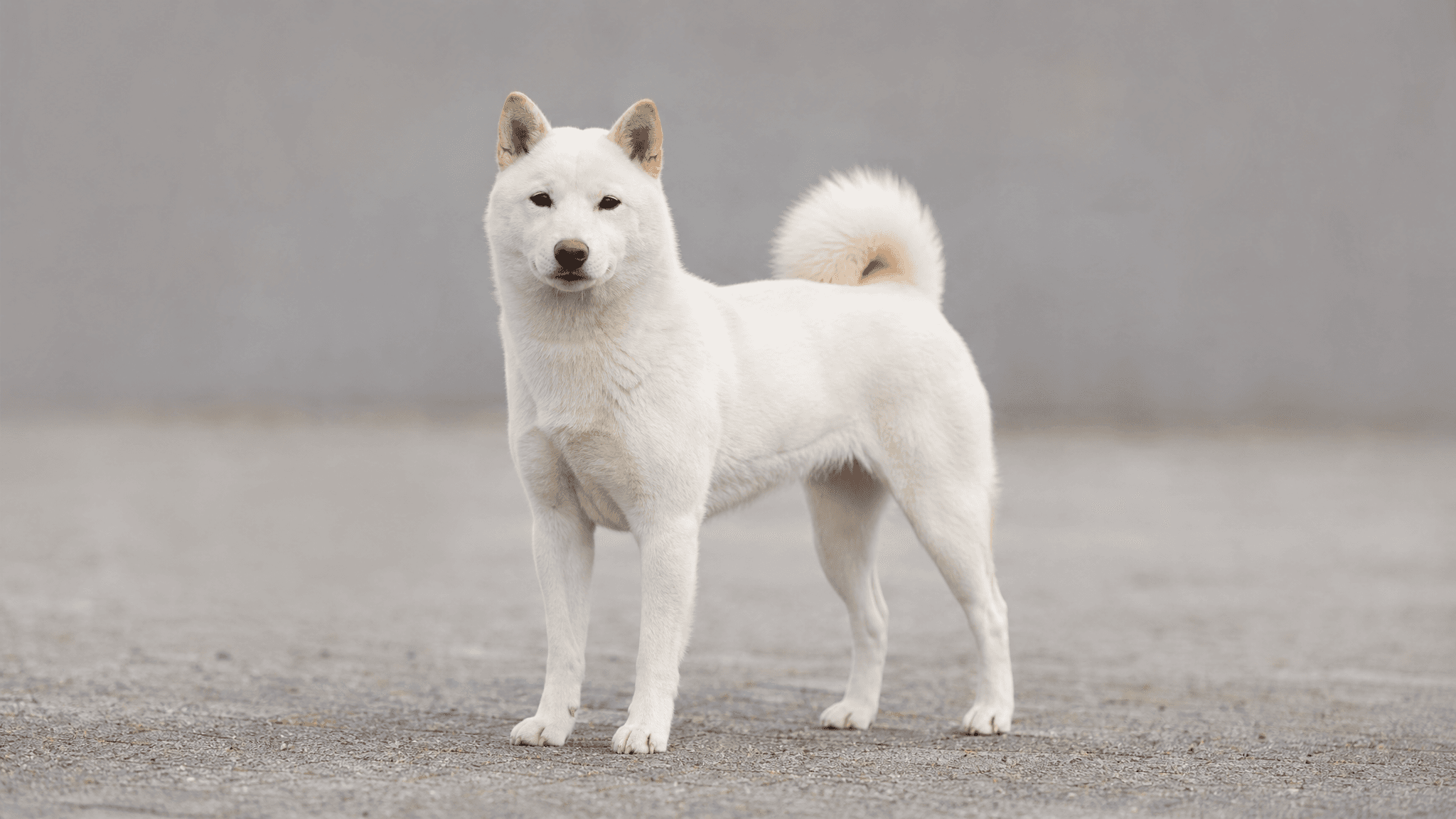
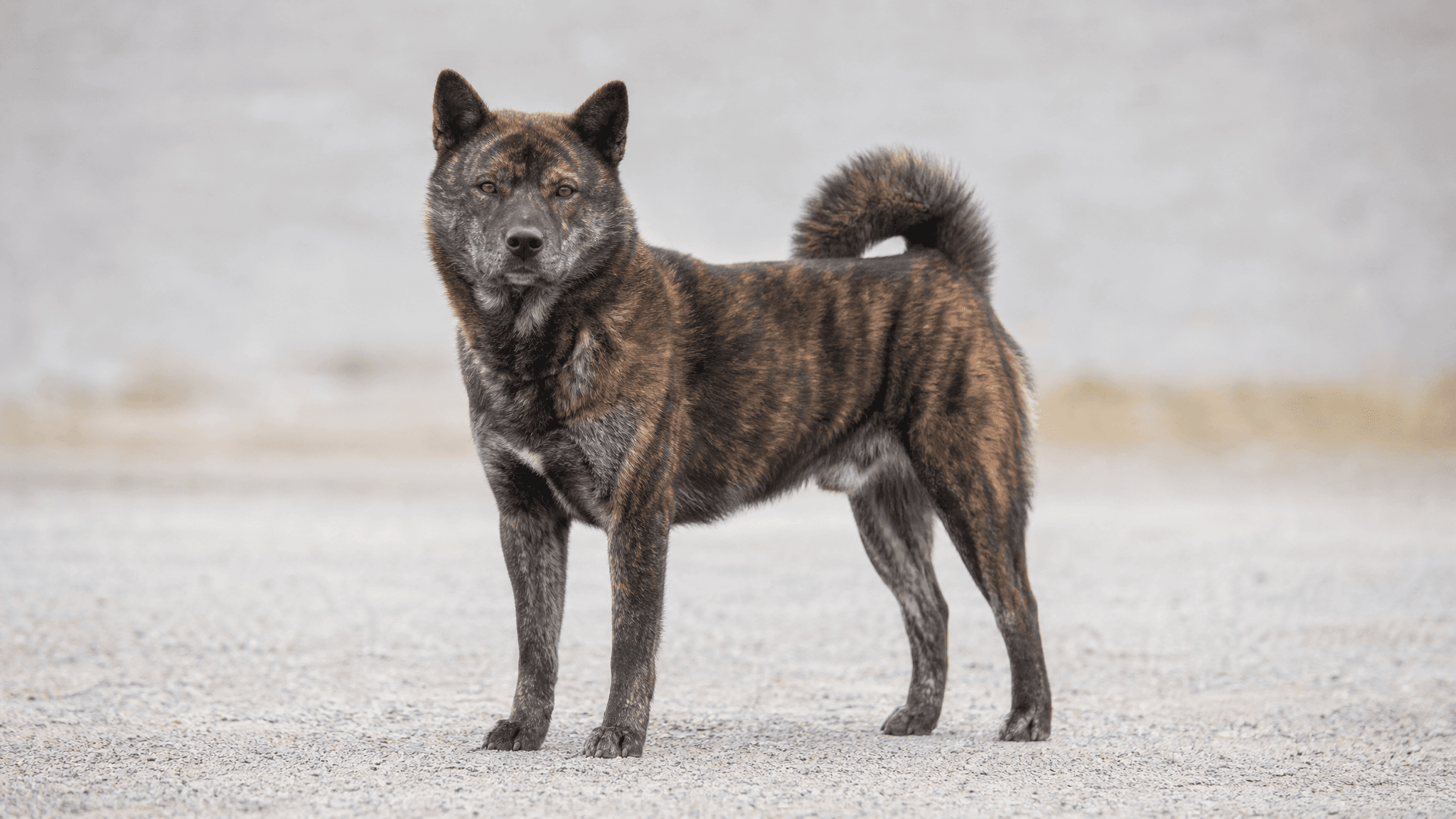
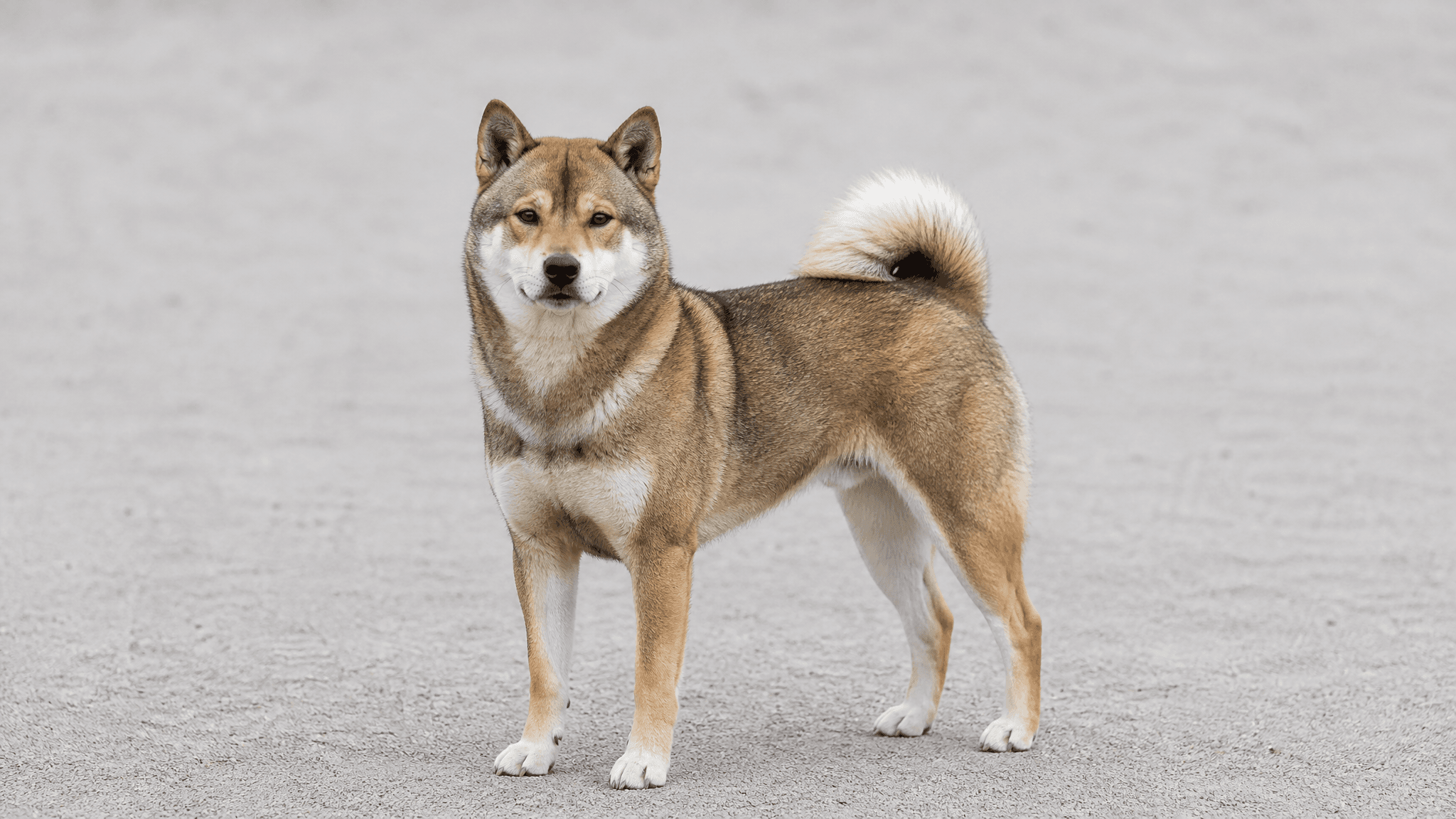
- Sesame, brindle, black, red, white; urajiro always present
Temperament & Personality
The Hokkaido is a courageous, loyal, very alert, and determined dog. It has a complex temperament: it is deeply loyal to its owner but can be reserved or suspicious of strangers. Its hunting instinct is very strong and aggression with other dogs (especially males) is common. It is vocal and expressive, communicating with its owner through a variety of unique sounds.
Activity & Exercise
- Energy Level
- High
- Recommended Daily Exercise
- 90–120 minutes
- Suitable for Apartment
- Not recommended
Grooming & Care
- Grooming Needs
- Moderate
- Shedding
- Heavy
- Bathing Frequency
- Every 6–8 weeks
Health
- Common Health Issues
- Collie eye anomaly (CEA)
- Hip dysplasia
- Patellar luxation
- Separation anxiety
- Recommended Health Tests
- Eye examination
- Hip evaluation
Compatibility
- With Children
- Good
- With Other Dogs
- Can be difficult
- With Cats
- Can be difficult
- For First-Time Owners
- Not recommended
Is a Hokkaido right for you?
A Hokkaido may suit you if:
- You are prepared to provide 90-120 minutes of vigorous daily exercise and engaging mental challenges for a high-energy dog.
- You enjoy outdoor adventures and activities that tap into a dog's natural orientation and courageous spirit.
- You appreciate a deeply loyal companion who is alert and determined, even if reserved or suspicious of strangers.
- You are committed to consistent, positive training methods to guide a complex and intelligent temperament.
- You are ready for moderate grooming needs and heavy shedding, including regular brushing of a dense double coat.
- You can embrace a vocal dog that communicates with unique sounds and manage a strong natural hunting instinct.
Think twice if:
- You expect a dog that is highly biddable and always eager to please, as Hokkaidos are known for their independent spirit.
- You have a busy household where your dog will frequently be left alone for long periods, which can lead to boredom and vocalizations.
- You live with cats or other small pets, as the Hokkaido's strong hunting instinct and potential for dog aggression can be challenging.
- You are unwilling to commit to at least 90 minutes of daily exercise or regular grooming for a heavily shedding double coat.
- You reside in an apartment or have a yard without secure, high fencing, which is not suitable for this medium-sized, active breed.
- You are a first-time dog owner who may struggle with the demands of handling a courageous, determined, and sometimes independent adolescent.
Living with a Hokkaido is a unique journey, blending profound loyalty with an independent spirit. While they offer immense companionship to those who understand their needs, their ancient instincts and complex temperament require a dedicated, experienced hand. This isn't just a pet; it's a partnership built on respect, consistent guidance, and a shared love for adventure.
Training a Hokkaido
Your Hokkaido is a bright, loyal companion, but also a determined and independent thinker with a strong will. They learn best through consistent, positive reinforcement, responding wonderfully to praise, treats, and play. Keep training sessions short, engaging, and fun to maintain their focus, as their alert nature means they can be easily distracted. If training is inconsistent or harsh, this intelligent breed can become stubborn, reserved, or even reactive, making progress much harder. Patience and understanding of their unique temperament are key to building a strong, trusting bond.
Begin with:
- Attention and response to name around distractions
- Recall on a long line
- Loose-leash walking
- Leave it and drop it
- Calm greetings without jumping
- Settling on a mat or bed
- Cooperative handling for grooming, ears, feet and teeth
- Waiting at doors and gates
Strong Prey Drive
The Hokkaido's heritage as a hunter of large game means their prey drive is incredibly strong. This instinct can make walks challenging and recall unreliable if not thoroughly trained. Always keep your Hokkaido on a leash or in a securely fenced area when outdoors, especially in places with wildlife. Focus on building a rock-solid recall, starting in low-distraction environments and gradually increasing the challenge. Our guide on recall can help you master this vital skill.
Work on impulse control exercises like 'leave it' around tempting moving objects. Remember, even the most well-trained Hokkaido can be overwhelmed by a strong scent or sight, so prevention is always better than cure. Consider enrichment activities that safely engage their hunting instincts, like scent work or puzzle toys, to satisfy this natural drive.
Leash Reactivity
Given their medium size, strength, and tendency towards aggression with other dogs (especially males), leash reactivity can be a significant challenge. Early, positive, and controlled socialization is crucial, but even then, some Hokkaidos may struggle. Focus on teaching your dog to walk calmly by your side, rewarding them for ignoring other dogs or people. If your Hokkaido starts to pull or react, gently redirect their attention to you with a treat or toy.
Practice loose-leash walking in quiet areas before moving to busier ones. If reactivity is a persistent issue, consider consulting a professional trainer or behaviourist. Our Behaviour AI feature can also provide insights and tailored advice to help you understand and manage this behaviour.
Boredom & Vocalization
With their high energy level and recommended 90-120 minutes of daily exercise, an under-exercised or under-stimulated Hokkaido can quickly become bored and destructive. They are also known to be vocal and expressive, which can escalate into excessive barking or howling if they are left alone too long or lack sufficient mental engagement. Ensure they get plenty of physical activity, including varied walks and playtime.
Beyond physical exercise, provide plenty of mental stimulation through puzzle toys, training sessions, and interactive games. Avoid leaving your Hokkaido isolated for long periods; they thrive on companionship and being part of the family. A bored Hokkaido is often a mischievous Hokkaido, so keep them engaged and happy!
Hokkaido — Frequently Asked Questions
What is the Hokkaido?
The Hokkaido, also affectionately known as the Ainu-ken or Hokkaido-ken in its native Japan, is a truly remarkable medium-sized dog breed. Hailing from the rugged island of Hokkaido, it's one of the six cherished native Japanese dogs and has been recognized as a Natural Monument of Japan since 1937. Belonging to FCI Group 5, which includes Asian Spitz and Related Breeds, this courageous companion is celebrated for its exceptional bravery, incredible resistance to extreme cold, and an innate sense of direction. They are truly a testament to their ancient heritage and unique origins!
What was the Hokkaido originally bred for?
The Hokkaido's history is deeply intertwined with the Ainu people, the indigenous inhabitants of Hokkaido island, who originally bred these magnificent dogs. Their primary purpose was to be fearless and highly skilled hunting partners, specifically for tracking and cornering large game. Imagine a dog brave enough to face bears, deer, and other substantial animals in the harsh northern Japanese wilderness! This demanding role shaped the Hokkaido into the courageous, determined, and naturally oriented breed we admire today, a true testament to their ancestral calling.
How much exercise does a Hokkaido need?
Hokkaido dogs are bundles of energy, so they definitely need a good amount of activity to stay happy and healthy! With their high energy levels, we recommend providing them with about 90 to 120 minutes of exercise every single day. This isn't just a casual stroll; they thrive on vigorous activities like long hikes, running, or engaging in dog sports. Regular, stimulating exercise is crucial for their physical well-being and helps to keep their intelligent minds sharp, preventing boredom and ensuring they are well-adjusted companions.
Is the Hokkaido a good family dog?
The Hokkaido can be a wonderful family dog for the right household, especially one with experience! They form incredibly deep, loyal bonds with their owners, showing immense devotion. However, their complex temperament means they can be reserved or even suspicious of strangers, so early and consistent socialization is key. Their strong hunting instinct and tendency for aggression with other dogs, particularly males, means careful introductions and supervision are a must if you have other pets. With proper guidance and understanding, they can be a loving, protective, and vocal member of your family, communicating with unique sounds!
Is the Hokkaido easy to train?
Training a Hokkaido requires patience, consistency, and a clear understanding of their unique temperament. While they are intelligent, loyal, and very alert, their determined nature and strong hunting instincts mean they aren't always the easiest to train for beginners. They respond best to positive reinforcement and firm, fair leadership. Early socialization is crucial to help them navigate new people and situations, given their natural wariness of strangers. With consistent effort and a loving approach, you can certainly shape your Hokkaido into a well-behaved and incredibly devoted companion.
What health issues are common in the Hokkaido?
Like all breeds, Hokkaidos can be prone to certain health conditions, and being aware of these can help you provide the best care. Some of the documented health concerns for the breed include Collie eye anomaly (CEA), which affects vision, and orthopedic issues such as Hip dysplasia and Patellar luxation, which can impact their joints and mobility. Additionally, due to their strong bond with their owners, separation anxiety can sometimes be an issue if they are left alone for extended periods. Regular vet check-ups are essential for early detection and management of any potential health challenges.
What is the Hokkaido's coat like and how much grooming does it need?
The Hokkaido boasts a magnificent double coat, perfectly suited for its ancestral home's extreme cold. This dense, protective coat consists of a soft, thick undercoat and a straight, harsh outer coat that helps repel water and snow. While beautiful, this coat does require regular attention to keep it in top condition. Expect moderate shedding, especially seasonally, so weekly brushing is recommended to remove loose hair and prevent matting. During heavy shedding periods, you might find yourself brushing daily to manage the fur and keep your Hokkaido comfortable and looking their best.
What is the typical lifespan of a Hokkaido?
Hokkaido dogs are generally robust and healthy, and with proper care, they can be wonderful companions for many years. The typical lifespan for a Hokkaido is usually between 11 and 13 years. Providing them with a high-quality diet, plenty of exercise, regular veterinary check-ups, and a loving, stimulating environment are all key factors in helping your Hokkaido live a long, happy, and fulfilling life by your side. They truly become cherished members of the family for over a decade!
Community
Talk to real Hokkaido owners
This guide covers the breed on paper. In the app, the Hokkaido community covers it in real life: photos from other owners, questions answered by people who live with the breed, and a directory of dogs you can browse.
- Photos & pollsSee what Hokkaido owners are sharing today.
- Questions & answersAsk anything and hear from people who own one.
- Dog directoryBrowse Hokkaidos from around the world.
You join automatically when you add a Hokkaido to your profile.