Kishu
Summary
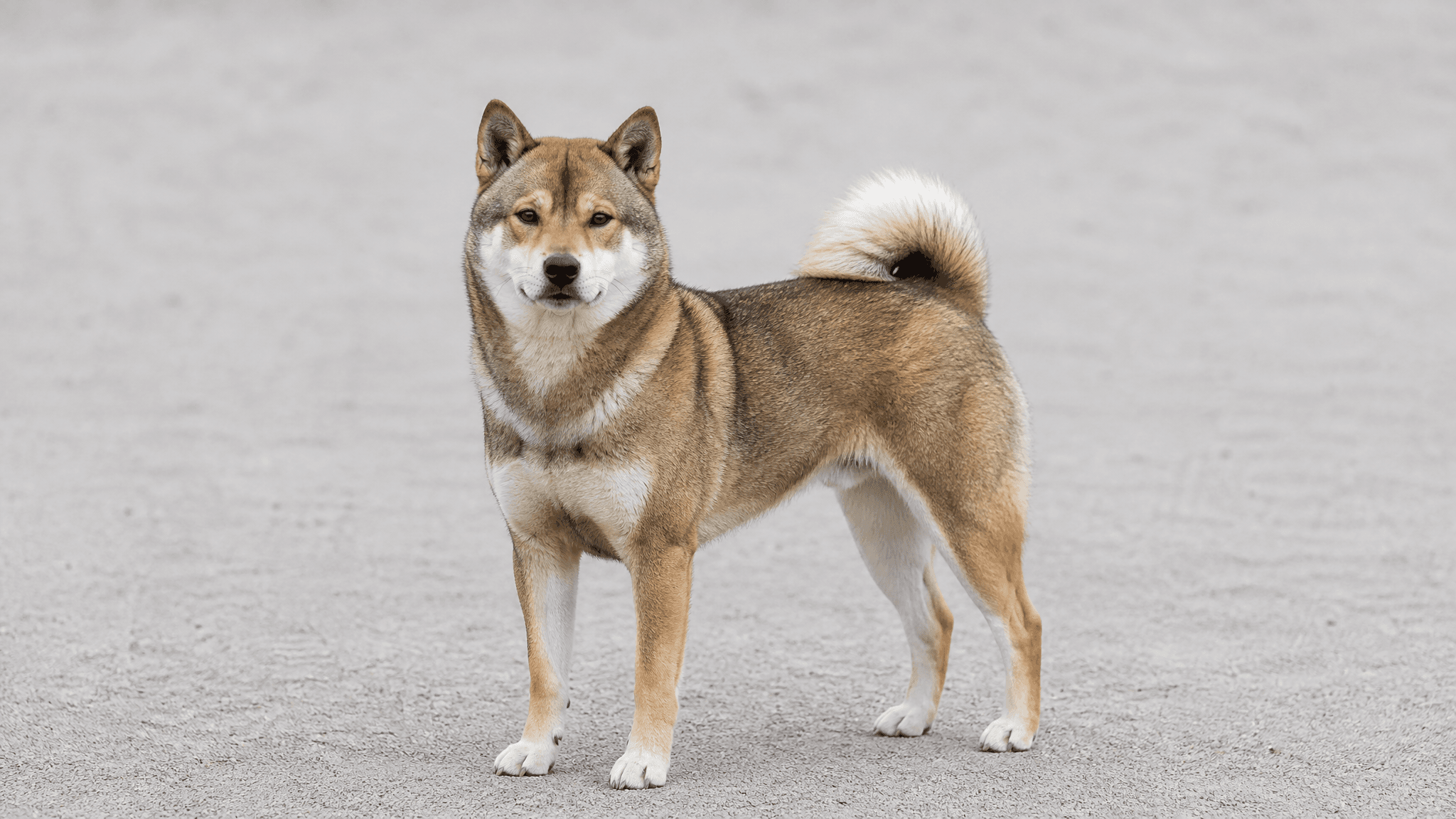
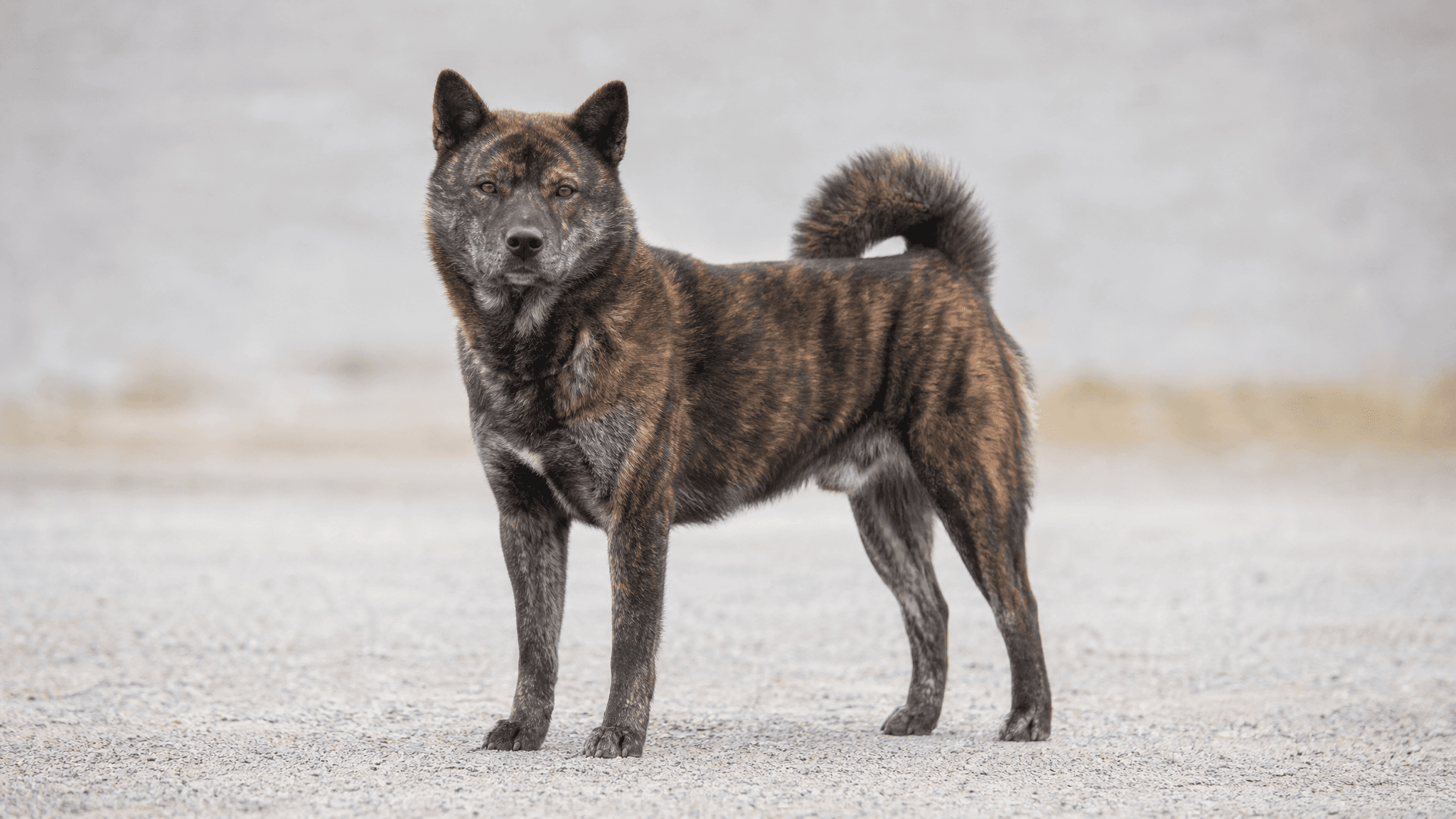
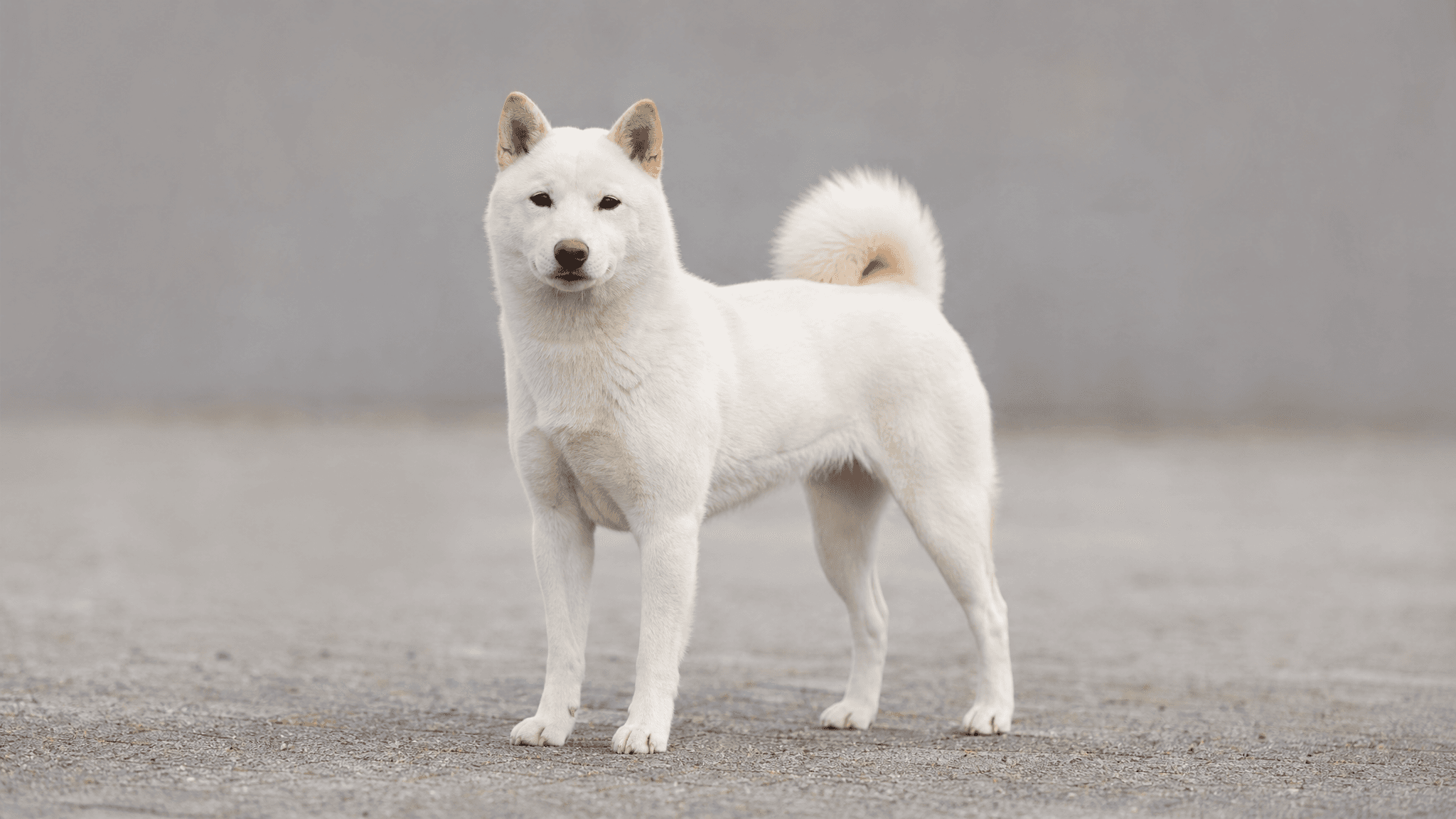
The Kishu Ken is a medium-sized Japanese hunting dog, originating from the Kishu region (present-day Wakayama and Mie prefectures) in central Japan. It once existed in various colors, but today is almost exclusively white, after an intentional selection for white color that occurred during the 20th century. It has been a Natural Monument of Japan since 1934 and is used to hunt wild boar and deer.
Physical Characteristics
- Size
- Medium
- Height (male)
- 49–55 cm
- Height (female)
- 43–49 cm
- Weight (male)
- 20–25 kg
- Weight (female)
- 15–20 kg
- Life Expectancy
- 11–13 years
- Coat
- Double; hard and straight outer coat; soft and dense undercoat
- Common Colors
- White (predominant); sesame, red, and brindle also accepted
Temperament & Personality
The Kishu Ken is described as noble, dignified, loyal, and very alert. It is a dedicated hunter but a loving companion with the family. Its loyalty to its owner can approach exclusivity. It is reserved with strangers and can be dominant with other dogs. Its intelligence and independence make training a challenge.
Activity & Exercise
- Energy Level
- High
- Recommended Daily Exercise
- 90 minutes
- Suitable for Apartment
- Not recommended
Grooming & Care
- Grooming Needs
- Low to moderate
- Shedding
- Moderate
- Bathing Frequency
- Every 6–8 weeks
Health
- Common Health Issues
- Generally healthy breed
- Hip dysplasia
- Hypothyroidism
- Recommended Health Tests
- Hip evaluation
Compatibility
- With Children
- Good
- With Other Dogs
- Moderate
- With Cats
- Can be difficult
- For First-Time Owners
- Not recommended
Is a Kishu right for you?
A Kishu may suit you if:
- You can commit to providing at least 90 minutes of vigorous daily exercise and engaging mental challenges.
- You enjoy an active, outdoor lifestyle, perhaps even involving activities like hiking or scent work.
- You appreciate a loyal, dignified companion who forms a deep, almost exclusive, bond with their family.
- You are prepared for the rewarding challenge of training an intelligent, independent, and sometimes strong-willed breed.
- You are comfortable with moderate shedding and providing regular brushing to maintain their beautiful double coat.
- You are ready to manage a keen hunting instinct and their natural reserve towards new people and dogs.
Think twice if:
- You expect a dog that is always eager to please and highly biddable, as Kishu Kens are quite independent thinkers.
- You have a demanding schedule that requires your dog to be left alone for long periods each day.
- You have cats or other small pets and are not prepared for a significant management commitment.
- You are unwilling to dedicate substantial time daily to exercise or regular brushing for their coat.
- You live in an apartment or do not have a securely fenced yard for their outdoor exploration.
- You are a first-time dog owner seeking an easily managed breed through their spirited adolescent phase.
Living with a Kishu Ken is a unique journey, blending deep loyalty with spirited independence. While they offer unwavering devotion to their family, their intelligence and strong will mean consistent training and ample activity are not just recommended, but essential. They thrive when their human companions understand and respect their noble, primitive nature, making the effort truly rewarding.
Training a Kishu
Training a Kishu Ken is a rewarding journey, but it requires understanding their unique intelligence and independent spirit. These noble and alert dogs are deeply loyal to their families, making positive reinforcement based on strong bonds incredibly effective. Keep sessions short, engaging, and consistent, always ending on a high note. If training lacks clarity, consistency, or positive motivation, a Kishu's independent nature can lead to them making their own choices, which might not align with yours, potentially resulting in a stubborn or unresponsive companion.
Begin with:
- Attention and name response around distractions
- Recall on a long line
- Loose-leash walking
- Leave it and drop it
- Calm greetings without jumping
- Settling on a mat or bed
- Cooperative handling for grooming, ears, feet and teeth
- Waiting at doors and gates
Prey Drive and Recall
Kishu Kens are dedicated hunters of wild boar and deer, meaning their prey drive is exceptionally strong. This instinct can make recall challenging, especially in stimulating environments. To manage this, always use a long line in unfenced areas until your recall is rock-solid, and practice in increasingly distracting locations. Make coming to you the most rewarding thing ever with high-value treats and enthusiastic praise, making yourself more exciting than any squirrel. Our guide on recall can help build a reliable response.
It's crucial to understand that even the best-trained Kishu might struggle to resist a strong prey instinct. Consistent training and management, such as keeping them leashed in areas with wildlife, are key to their safety and your peace of mind.
Leash Manners
Given their medium size (males 20-25 kg, females 15-20 kg) and high energy, a Kishu Ken who pulls on the leash can be quite a handful. Their reserved nature with strangers and dominance with other dogs can also contribute to reactivity on walks. Start loose-leash training early with positive reinforcement, rewarding every step taken without tension on the lead. Consider a front-clip harness for better control and ensure they receive their recommended 90 minutes of daily exercise to help them burn off energy before walks.
Consistency is vital. Every walk is a training opportunity. If your Kishu pulls, stop walking until the leash loosens, then reward and continue. This article offers a force-free plan for stopping leash pulling.
Energy and Boredom
A Kishu Ken's high energy level and intelligence mean they require significant physical activity and mental stimulation. If under-exercised or left alone for extended periods without enrichment, these independent dogs can become bored and destructive, or develop excessive barking habits. Ensure they get their full 90 minutes of daily exercise, incorporating varied activities like scent work, puzzle toys, and training sessions.
Engaging their minds is just as crucial as exercising their bodies to prevent unwanted behaviors. Our training feature can help you build a consistent routine to keep your Kishu happy and engaged, ensuring their needs are met and preventing boredom-related issues.
Kishu — Frequently Asked Questions
What is the Kishu?
The Kishu, or Kishu Ken, is a truly noble and dignified medium-sized hunting dog hailing from the mountainous Kishu region of Japan, now known as Wakayama and Mie prefectures. Recognized by the FCI in Group 5 (Asian Spitz and Related Breeds), this ancient breed is celebrated for its striking, almost exclusively white coat, a result of intentional selection over the 20th century. Beyond their captivating appearance, Kishu are known for their alert nature and deep loyalty, making them a cherished part of Japan's natural heritage, designated as a Natural Monument since 1934.
What was the Kishu originally bred for?
Historically, the Kishu was developed in Japan for a very specific and demanding purpose: hunting large game. These dedicated and courageous dogs were primarily used to track and corner wild boar and deer in the rugged, mountainous terrain of their native region. Their keen senses, agility, and unwavering focus made them exceptional hunters, working tirelessly alongside their human companions. This strong hunting instinct and remarkable drive are still very much a part of the Kishu's character today, showcasing their rich heritage as a formidable and respected working breed.
How much exercise does a Kishu need?
Being a breed with a high energy level, your Kishu will thrive on plenty of activity! To keep them happy, healthy, and well-behaved, they truly need a substantial amount of exercise each day. We recommend at least 90 minutes of vigorous physical activity daily. This isn't just a casual stroll; think brisk walks, running, hiking, or engaging playtime in a securely fenced area. Mental stimulation through training and puzzle toys is also vital to complement their physical exertion, ensuring their intelligent minds are just as tired as their bodies.
Is the Kishu a good family dog?
With their family, Kishu Kens can be wonderfully loving and devoted companions, forming incredibly strong bonds that can even approach exclusivity with their primary owner. They are generally good with children, especially if raised with them and properly socialized from a young age, teaching both dog and child respect. However, their reserved nature with strangers and potential for dominance with other dogs means early and consistent socialization is absolutely crucial. Introducing them calmly and positively to various people, places, and other well-behaved animals will help them grow into well-adjusted family members.
Is the Kishu easy to train?
The Kishu is a highly intelligent and alert breed, but their independent spirit can make training a rewarding challenge! While they are loyal and eager to please their beloved owners, their inherent independence means they might not always follow commands instantly. Consistency, patience, and positive reinforcement methods are key to success. Harsh training methods are counterproductive and should be avoided. Focus on building a strong, trusting relationship, and make training sessions engaging and fun. With the right approach, your clever Kishu can learn a great deal and become a wonderfully well-mannered companion.
What health issues are common in the Kishu?
The good news is that the Kishu is generally considered a healthy and robust breed! However, like all breeds, they can be prone to certain genetic conditions. The most commonly documented health concerns for the Kishu include hip dysplasia, a condition affecting the hip joints, and hypothyroidism, which is an underactive thyroid. Responsible breeders will screen their breeding stock for these conditions to minimize their occurrence. Regular veterinary check-ups, a balanced diet, and appropriate exercise are always the best ways to help ensure your Kishu lives a long, healthy, and happy life.
What is the Kishu's coat like and how much grooming does it need?
The Kishu boasts a beautiful, dense double coat that provides excellent protection from the elements, perfectly suited for their original hunting environment. While they once came in various colors, today you'll almost exclusively see them in a stunning pure white, which is truly a hallmark of the breed. Their coat is relatively low maintenance compared to some other double-coated breeds. Regular brushing, perhaps two to three times a week, is usually sufficient to remove loose hair, prevent matting, and keep their coat looking its best, especially during seasonal shedding periods.
What is the typical lifespan of a Kishu?
You can look forward to many wonderful years with your beloved Kishu! The typical lifespan for this healthy and hardy breed is generally between 11 and 13 years. Providing your Kishu with excellent nutrition, consistent veterinary care, plenty of exercise, and a loving, stimulating environment will contribute significantly to them reaching the upper end of this range and enjoying a long, fulfilling life by your side. They truly become cherished family members, and their longevity is a testament to their robust nature.
Community
Talk to real Kishu owners
This guide covers the breed on paper. In the app, the Kishu community covers it in real life: photos from other owners, questions answered by people who live with the breed, and a directory of dogs you can browse.
- Photos & pollsSee what Kishu owners are sharing today.
- Questions & answersAsk anything and hear from people who own one.
- Dog directoryBrowse Kishus from around the world.
You join automatically when you add a Kishu to your profile.