German Shepherd Dog
Summary
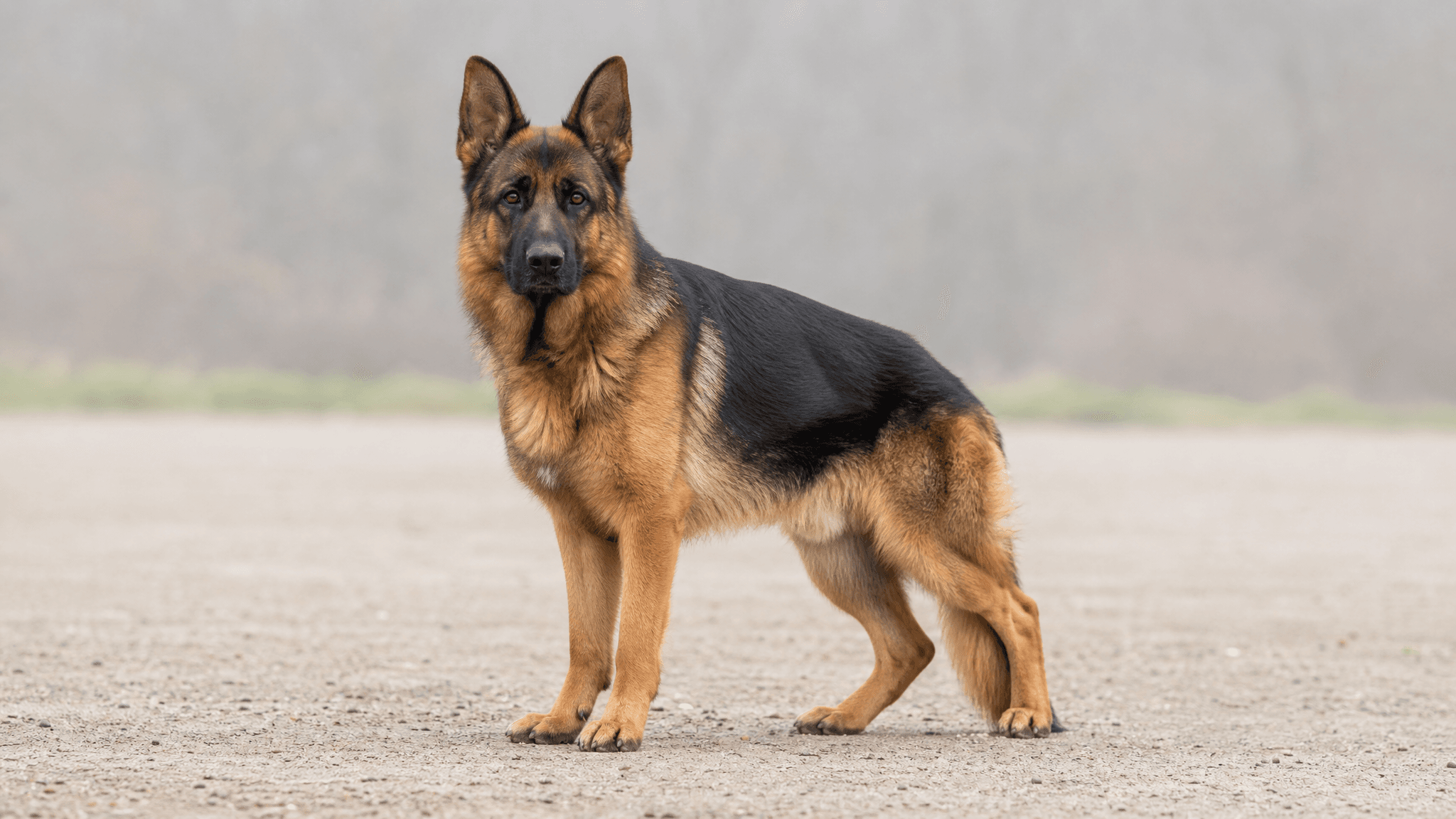
The German Shepherd is, without a doubt, one of the most famous, most utilized and most versatile breeds in the world. Systematically bred in the late 19th century by Captain Max von Stephanitz, who wanted to develop the perfect German working dog, it quickly transcended its original role as a herder to become the quintessential service dog: police, military, search and rescue, guide for the blind, drug and explosives detection, and family companion. Its combination of intelligence, strength, courage and trainability is practically unmatched.
Physical Characteristics
- Size
- Large
- Height (male)
- 60–65 cm
- Height (female)
- 55–60 cm
- Weight (male)
- 30–40 kg
- Weight (female)
- 22–32 kg
- Life Expectancy
- 9–13 years
- Coat
- Double, with dense, straight or slightly wavy outer coat; a long-haired variety also exists
- Common Colors
- Black and tan (saddle), solid black, grey and tan, black and cream; rarely white (not accepted in the FCI standard)
Temperament & Personality
The German Shepherd is a dog of balanced personality: confident without being arrogant, courageous without being aggressive, loyal without being servile. It is extremely intelligent and learns at an impressive speed. It forms deep bonds with its family, being especially protective. It can be reserved with strangers, which is considered part of its correct character. It requires abundant physical and mental exercise to remain balanced and happy.
Activity & Exercise
- Energy Level
- High
- Suitable for Apartment
- Not recommended
Grooming & Care
- Grooming Needs
- Moderate
- Shedding
- Heavy
- Bathing Frequency
- Every 4–6 weeks
Health
- Common Health Issues
- Cancer (mast cell tumors, hemangiosarcoma, lymphoma)
- Degenerative myelopathy
- Dilated cardiomyopathy (DCM)
- Gastric dilatation-volvulus (GDV — less frequent than in larger breeds)
- Hip and elbow dysplasia
- Recommended Health Tests
- Cardiac examination
- Genetic test for degenerative myelopathy
- PennHIP evaluation
Compatibility
- With Children
- Excellent
- With Other Dogs
- Good
- With Cats
- Moderate
- For First-Time Owners
- Acceptable
Is a German Shepherd Dog right for you?
A German Shepherd Dog may suit you if:
- You are prepared to provide daily vigorous exercise and engaging mental challenges for a highly intelligent dog.
- You enjoy an active lifestyle and want a devoted companion for activities like hiking, training, or dog sports.
- You appreciate a confident, courageous, and deeply loyal companion who forms strong bonds with their family.
- You are committed to consistent, positive training from puppyhood to harness their impressive intelligence.
- You are prepared for moderate grooming and regular brushing to manage their heavy shedding double coat.
- You understand and are willing to manage their natural protective instincts and reserved nature with new people.
Think twice if:
- You are looking for a dog that is always passively biddable and never challenges your authority.
- You have a routine where your dog will be left alone for long hours each day.
- You have cats or other small pets and are unwilling to commit to careful, supervised introductions and ongoing management.
- You are unwilling to provide daily vigorous exercise or manage significant year-round shedding.
- You live in a small apartment or do not have a securely fenced outdoor space for a large, active dog.
- You are not prepared to handle a strong, large dog during their boisterous adolescent phase.
German Shepherds offer unparalleled loyalty, intelligence, and a deep bond, making them truly magnificent companions. However, this profound connection comes with significant responsibilities. Their high energy, protective nature, and need for consistent engagement mean they thrive with dedicated owners who understand their unique blend of strength and sensitivity. They are not just pets; they are partners who demand and return immense commitment.
Training a German Shepherd Dog
German Shepherds are remarkably intelligent and eager to please, making them highly trainable companions. They thrive on clear direction, positive reinforcement, and a strong bond with their handler, learning at an impressive speed. Keep training sessions short, fun, and consistent, focusing on praise and rewards to maintain their motivation. Inconsistency, harsh corrections, or a lack of mental engagement can quickly lead to confusion, frustration, and unwanted behaviors in this sensitive yet confident breed. A German Shepherd needs to understand what's expected to excel.
Begin with:
- Attention and response to name around distractions
- Recall on a long line
- Loose-leash walking
- Leave it and drop it
- Calm greetings without jumping
- Settling on a mat or bed
- Cooperative handling for grooming, ears, feet and teeth
- Waiting at doors and gates
Recall and prey drive
German Shepherds possess a strong natural prey drive, a remnant of their herding and working heritage. This can make recall challenging, especially when they spot something interesting like a squirrel or a distant jogger. Start recall training in a quiet, enclosed area, using high-value treats and enthusiastic praise. Gradually introduce distractions as your dog masters the command. Always use a long line in unfenced areas until their reliable recall is rock-solid, ensuring their safety and your peace of mind. Consistency is key to building a reliable recall.
Remember that their intelligence means they learn quickly, so positive reinforcement and clear expectations will go a long way in overcoming this instinct. Make coming back to you the most rewarding choice they can make.
Leash pulling and reactivity
Given their large size and strength, a German Shepherd pulling on the leash can be a significant challenge, making walks unpleasant and even dangerous. Begin loose-leash training early with positive reinforcement, rewarding every step taken without tension on the leash. Their protective nature and reserved temperament with strangers can also lead to reactivity on walks. Focus on teaching them to calmly observe their surroundings, using distance and positive interrupters to manage their reactions.
Consistency is crucial; every walk is a training opportunity. Reward calm behavior and eye contact, and consider working with a professional trainer if reactivity becomes overwhelming. Building their confidence in various environments will help them feel more secure.
Boredom and destruction
German Shepherds have a high energy level and are extremely intelligent. Without sufficient physical exercise and mental stimulation, they can quickly become bored, leading to destructive behaviors like chewing furniture, excessive barking, or digging. Ensure your German Shepherd receives abundant daily exercise, including vigorous play and structured training sessions. Incorporate puzzle toys, scent work, and new commands into their routine to keep their minds engaged. A bored German Shepherd is rarely a well-behaved one.
Remember, mental exercise can be just as tiring as physical activity. Regular training sessions, even short ones, help satisfy their need to work and think. Vary their activities to keep things interesting and prevent them from finding their own, often undesirable, entertainment.
German Shepherd Dog — Frequently Asked Questions
What is the German Shepherd Dog, what is its origin, and what are its defining characteristics?
The German Shepherd Dog is a truly remarkable breed, systematically developed in the late 19th century by Captain Max von Stephanitz in Germany with the goal of creating the perfect working dog. Belonging to FCI Group 1 (Sheepdogs), they are renowned globally for their incredible versatility. These large dogs possess a balanced and confident personality, displaying immense courage and unwavering loyalty to their families. They are also known for being reserved with strangers, which is a hallmark of their correct character. Their combination of intelligence and strength makes them one of the most famous and utilized breeds in the world.
What was the German Shepherd Dog originally bred for?
Originally, the German Shepherd Dog was meticulously bred to be the quintessential German working dog, primarily serving as a herder. However, their exceptional intelligence, strength, and trainability quickly saw them transcend this initial role. They rapidly became the ultimate service dog, excelling in a vast array of demanding jobs. From police and military work to search and rescue operations, guiding the blind, and detecting drugs and explosives, their adaptability is unparalleled. They also make wonderful family companions, showcasing their incredible versatility and deep bond with humans across many different roles.
How much exercise does a German Shepherd Dog need?
German Shepherd Dogs have a high energy level and require abundant physical activity to stay happy and healthy. To meet their needs, your German Shepherd will thrive on a minimum of 90 minutes to 2 hours (120 minutes) of dedicated exercise every single day. This isn't just a casual stroll; they need vigorous activities like brisk walks, running, hiking, or engaging in dog sports. Mental stimulation is equally important, so incorporating training sessions and puzzle toys into their routine will help satisfy their intelligent minds and prevent boredom. Consistent exercise is key for this active breed!
Is the German Shepherd Dog a good family dog?
Absolutely! The German Shepherd Dog forms deep, protective bonds with its family, making them wonderful companions in the right home. They are known for their loyalty and can be especially protective of children within their family unit. However, due to their naturally reserved nature with strangers, early socialization is crucial to ensure they are well-adjusted around new people and other pets. With proper introductions and consistent training, they can integrate beautifully into a multi-pet household. Their devotion to their loved ones is truly heartwarming, making them a cherished member of the family.
Is the German Shepherd Dog easy to train?
Yes, the German Shepherd Dog is famously easy to train, largely thanks to their exceptional intelligence and eagerness to learn at an impressive speed! They possess a balanced and confident temperament, which, combined with their loyalty, makes them highly responsive to consistent, positive reinforcement training. Their desire to please their owners is strong, and they thrive on having a job to do, whether it's advanced obedience, agility, or simply being a well-behaved family member. Early and ongoing training is vital to harness their sharp minds and ensure they grow into well-adjusted, confident companions.
What health issues are common in the German Shepherd Dog?
Like all purebred dogs, German Shepherds can be predisposed to certain genetic health conditions. While specific issues can vary, responsible breeding practices aim to minimize the incidence of hereditary diseases. It's always a good idea to research the health clearances of a puppy's parents if you're considering bringing a German Shepherd into your home. Regular veterinary check-ups, a balanced diet, and appropriate exercise are crucial for maintaining their overall well-being throughout their lives. Staying informed and working closely with your vet will help ensure your beloved companion stays as healthy as possible.
What is the German Shepherd Dog's coat like and how much grooming does it need?
German Shepherd Dogs typically boast a beautiful, dense double coat that provides excellent protection against various weather conditions. This coat consists of a thick, soft undercoat and a coarser, straight outer coat. While their grooming needs aren't overly complex, they do require regular attention to keep their coat healthy and to manage shedding. Weekly brushing, sometimes more frequently during seasonal shedding periods, is generally recommended. This helps remove loose hair, prevent mats, and distribute natural oils, keeping their coat shiny and reducing the amount of fur around your home. It's a great bonding activity too!
What is the typical lifespan of a German Shepherd Dog?
Bringing a German Shepherd Dog into your life means many wonderful years of companionship! The typical lifespan for this magnificent breed ranges from 9 to 13 years. Of course, individual lifespans can vary based on genetics, diet, exercise, and overall healthcare. Providing your German Shepherd with a high-quality diet, plenty of regular exercise, consistent veterinary care, and a loving environment are all key factors that contribute to a long, healthy, and happy life. Cherish every moment with your loyal and devoted German Shepherd companion!
Community
Talk to real German Shepherd Dog owners
This guide covers the breed on paper. In the app, the German Shepherd Dog community covers it in real life: photos from other owners, questions answered by people who live with the breed, and a directory of dogs you can browse.
- Photos & pollsSee what German Shepherd Dog owners are sharing today.
- Questions & answersAsk anything and hear from people who own one.
- Dog directoryBrowse German Shepherd Dogs from around the world.
You join automatically when you add a German Shepherd Dog to your profile.