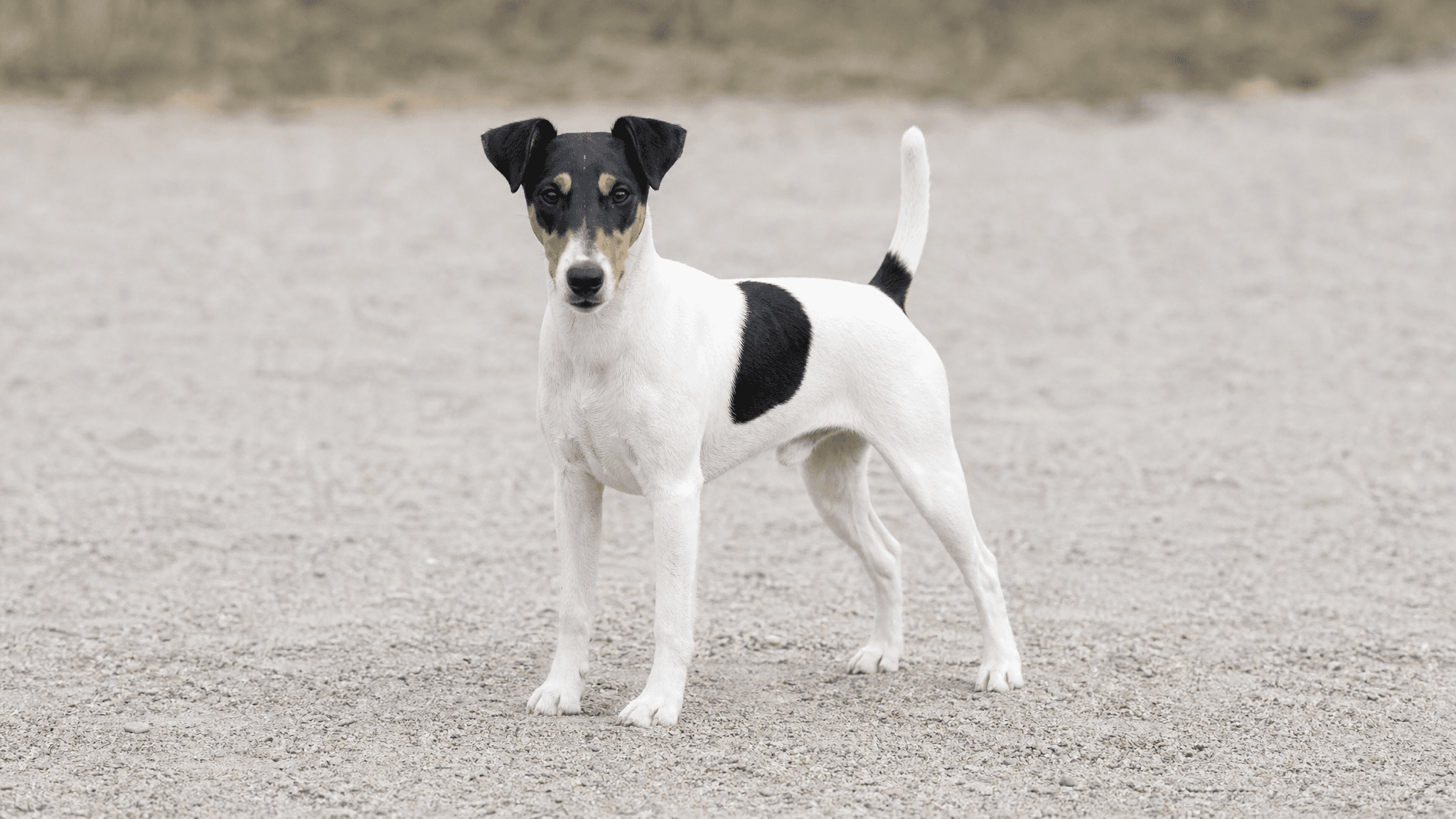
Fox Terrier (Wire)

Summary
The Wire Fox Terrier is the more popular sibling of the two Fox Terriers. Despite sharing the same hunting origin and general form, it was probably developed independently from rough-coated terriers of the British Midlands. Its "broken" (broken and hard) coat became its trademark, and for decades it was one of the most awarded show dogs in the world.
Physical Characteristics
- Size
- Medium
- Height (male)
- 39 cm
- Height (female)
- 33–38 cm
- Weight (male)
- 7.7–8.6 kg
- Weight (female)
- 6.8–7.7 kg
- Life Expectancy
- 12–15 years
- Coat
- hard, rough, "broken" hair, lying close to the body; dense like twisted straw
- Common Colors
- predominantly white with black, tan, or black-and-tan patches
Temperament & Personality
The Wire Fox Terrier is often described as being "always on tiptoe, waiting for any provocation" — an accurate description. It is extremely energetic, intelligent, and with a very low boredom threshold, needing constant physical and mental stimulation. With the family it is very entertaining, loyal, and affectionate; with the outside world, it is a tireless explorer with a strong prey drive. One of the most successful terriers in world-level dog shows.
Activity & Exercise
- Energy Level
- Very high
- Recommended Daily Exercise
- 60–90 minutes
- Suitable for Apartment
- Not recommended without a yard
Grooming & Care
- Grooming Needs
- High
- Shedding
- Minimal
- Bathing Frequency
- Every 4–6 weeks
Health
- Common Health Issues
- Hereditary cataracts
- Legg-Calvé-Perthes disease
- Lens luxation
- Patellar luxation
- Spinocerebellar ataxia
- Recommended Health Tests
- Eye examination
- Genetic test for ataxia
Compatibility
- With Children
- Good
- With Other Dogs
- Moderate
- With Cats
- Can be difficult
- For First-Time Owners
- Not recommended
Is a Fox Terrier (Wire) right for you?
A Fox Terrier (Wire) may suit you if:
- You can provide at least 60 to 90 minutes of vigorous exercise and engaging mental challenges daily.
- You enjoy an active, outdoor lifestyle and are eager to explore new places with a tireless companion.
- You appreciate a highly intelligent, entertaining, and affectionate dog who is always ready for adventure.
- You are prepared to commit to consistent, positive training to channel their sharp mind and lively spirit.
- You are happy to commit to regular grooming, including hand-stripping, to maintain their distinctive wire coat.
- You are ready to manage a strong prey drive and an inquisitive nature that loves to dig and investigate.
Think twice if:
- You expect immediate, unwavering obedience from a dog, as Wire Fox Terriers have an independent spirit.
- You have a busy schedule that leaves a dog alone for long periods, as they thrive on companionship and activity.
- You already have cats or small pets, as their strong prey drive can make harmonious living challenging.
- You are unwilling to provide daily vigorous exercise or regular, dedicated grooming for their specific needs.
- You live in an apartment without a secure yard, as they need space to explore and are natural escape artists.
- You are a first-time dog owner seeking a very biddable puppy, as they require experienced, patient guidance.
Living with a Wire Fox Terrier is a joyful adventure, but it's also a commitment to their vibrant, spirited nature. They offer boundless loyalty and entertainment, yet their intelligence and energy demand consistent engagement and understanding. If you're ready for a lively, devoted companion who keeps you on your toes for 12 to 15 years, a Wire Fox Terrier could be your perfect match.
Training a Fox Terrier (Wire)
Training a Wire Fox Terrier is a joyful adventure, but it requires a handler who understands their unique spirit! These intelligent, energetic dogs learn best through short, engaging, and highly rewarding sessions. Their low boredom threshold means variety is key – keep things fun and positive with high-value treats and exciting toys. Consistency is crucial, but avoid long, repetitive drills, which can quickly lead to disinterest or frustration. If training becomes dull or overly strict, your Wire Fox Terrier's independent nature and quick wit might lead them to find their own, less desirable, entertainment.
Begin with:
- Attention and response to name
- Recall on a long line
- Loose-leash walking
- Leave it and drop it
- Calm greetings without jumping
- Settling on a mat or bed
- Cooperative handling for grooming
- Waiting at doors and gates
Recall and prey drive
The Wire Fox Terrier's strong prey drive is a defining trait, making recall one of the most vital and challenging skills to master. Their instinct to chase small, scuttling creatures is incredibly powerful, often overriding any command once they've locked onto a scent or movement. Start recall training in a secure, distraction-free area, making yourself the most exciting thing around! Use enthusiastic praise and high-value treats or a favorite toy as a reward every single time they come.
Gradually introduce distractions while always keeping your terrier on a long line for safety. Practice in different environments, ensuring you always set them up for success. Remember, consistency and making recall a super-positive experience are key to building a reliable 'come' command, even when a squirrel zips by. For a deeper dive, check out our guide on teaching recall.
Leash pulling and reactivity
Wire Fox Terriers are bundles of energy, and their 'always on tiptoe' nature means they're constantly scanning their environment. This can translate into enthusiastic leash pulling, especially when they're eager to explore or react to something new. Early and consistent loose-leash training is essential. Reward every moment your terrier walks calmly by your side, even if it's just for a few steps.
If your Wire Fox Terrier starts to pull, stop walking immediately. Only resume when the leash slackens. This teaches them that pulling gets them nowhere. For dogs that are reactive to sights or sounds, work on desensitization and counter-conditioning from a distance. Consider using a front-clip harness for better control without causing discomfort. You can find more tips in our guide to stopping leash pulling.
Boredom and mischief
A Wire Fox Terrier with a low boredom threshold and very high energy needs a job to do, or they'll invent their own, often mischievous, entertainment! If under-exercised or left alone for too long without mental stimulation, they can become destructive chewers, excessive barkers, or enthusiastic diggers. Ensure they receive their recommended 60-90 minutes of daily exercise, split into varied activities like brisk walks, fetch, or agility games.
Beyond physical activity, engage their sharp minds with puzzle toys, scent work, and regular short training sessions. Providing appropriate chew toys and a designated digging spot in the yard (if you have one) can redirect these natural instincts. A well-exercised and mentally stimulated Wire Fox Terrier is a happy, well-behaved companion, less likely to resort to unwanted behaviors.
Fox Terrier (Wire) — Frequently Asked Questions
What is the Fox Terrier (Wire)?
The Wire Fox Terrier, originating from the United Kingdom, is a medium-sized dynamo belonging to the FCI's Group 3, Large and Medium-Sized Terriers. This spirited pup is often described as being "always on tiptoe, waiting for any provocation," a perfect summary of its extremely energetic and intelligent nature. Its defining characteristic is its unique "broken" (broken and hard) coat, which has become its trademark. More popular than its smooth-coated sibling, this breed has a vibrant personality and a keen sense of adventure, making it a truly captivating companion for those who appreciate its lively spirit and distinctive appearance.
What was the Fox Terrier (Wire) originally bred for?
The Wire Fox Terrier was originally bred for a very specific and exciting purpose: hunting! These tenacious terriers were developed in the British Midlands, likely from rough-coated terriers, to assist in fox hunting. Their job was to bolt foxes from their dens, allowing the hunt to continue. Their keen intelligence, relentless energy, and incredibly strong prey drive were perfectly suited for this task. For decades, their distinctive appearance and spirited nature also made them one of the most awarded show dogs in the world, showcasing their versatility beyond their original working roots.
How much exercise does a Fox Terrier (Wire) need?
Wire Fox Terriers are bundles of joy with very high energy levels, so they definitely need a good amount of exercise to stay happy and healthy! We recommend providing them with 60–90 minutes of physical activity every single day. Due to their extremely energetic nature and very low boredom threshold, this isn't just about physical exertion; it's also about mental stimulation. Think brisk walks, engaging play sessions, and opportunities to explore safely. Consistent activity helps channel their natural zest for life positively, keeping them from getting bored and ensuring they remain the delightful companions they're meant to be.
Is the Fox Terrier (Wire) a good family dog?
The Wire Fox Terrier can indeed be a wonderful family dog, bringing endless entertainment, loyalty, and affection to its human pack. They thrive on interaction and love being part of family activities. However, their very high energy levels and strong prey drive mean they need careful supervision, especially with very young children or smaller household pets. Early socialization and consistent training are key to helping them understand their place in the family and ensuring harmonious living for everyone, allowing their loving and playful nature to shine through as an affectionate and entertaining companion.
Is the Fox Terrier (Wire) easy to train?
Wire Fox Terriers are highly intelligent dogs, which can make them a joy to train, but their spirited temperament also means they need a consistent and engaging approach! They have a very low boredom threshold and are always on tiptoe, waiting for any provocation, so constant physical and mental stimulation is crucial. Positive reinforcement and varied training sessions work best to keep their bright minds engaged. With patience, firm but gentle guidance, and plenty of mental challenges, you'll find your Wire Fox Terrier eager to learn and a very rewarding student, though they might test your consistency!
What health issues are common in the Fox Terrier (Wire)?
Like all breeds, Wire Fox Terriers can be predisposed to certain health conditions, and being aware of these helps ensure they receive the best care. Some documented health concerns in the breed include eye conditions such as Hereditary Cataracts and Lens Luxation, which can affect their vision. They can also be susceptible to orthopedic issues like Legg-Calvé-Perthes disease and Patellar Luxation. Additionally, Spinocerebellar Ataxia is another condition to be mindful of. Regular veterinary check-ups and responsible breeding practices are vital steps in helping to maintain the overall health and well-being of your beloved Wire Fox Terrier.
What is the Fox Terrier (Wire)'s coat like and how much grooming does it need?
The Wire Fox Terrier boasts a distinctive "broken" coat, which means it's both broken and hard to the touch. This unique texture is not just a trademark of the breed but also serves a practical purpose, offering protection. To maintain its characteristic wiry texture and keep it looking its best, this coat requires regular grooming, typically involving hand-stripping rather than clipping. This process removes dead hair, encourages new growth, and helps preserve the coat's natural hardness and vibrant appearance, ensuring your Wire Fox Terrier always looks smart and ready for adventure!
What is the typical lifespan of a Fox Terrier (Wire)?
It's wonderful to know that Wire Fox Terriers typically enjoy a long and vibrant life! On average, you can expect your spirited companion to be by your side for a good 12 to 15 years. Providing them with a healthy diet, plenty of exercise, consistent veterinary care, and a loving environment are all key factors in helping them reach their full potential and enjoy many happy years. Their robust health and lively disposition contribute to their impressive longevity, making them a cherished part of the family for a long time.
Community
Talk to real Fox Terrier (Wire) owners
This guide covers the breed on paper. In the app, the Fox Terrier (Wire) community covers it in real life: photos from other owners, questions answered by people who live with the breed, and a directory of dogs you can browse.
- Photos & pollsSee what Fox Terrier (Wire) owners are sharing today.
- Questions & answersAsk anything and hear from people who own one.
- Dog directoryBrowse Fox Terrier (Wire)s from around the world.
You join automatically when you add a Fox Terrier (Wire) to your profile.