Welsh Terrier
Summary
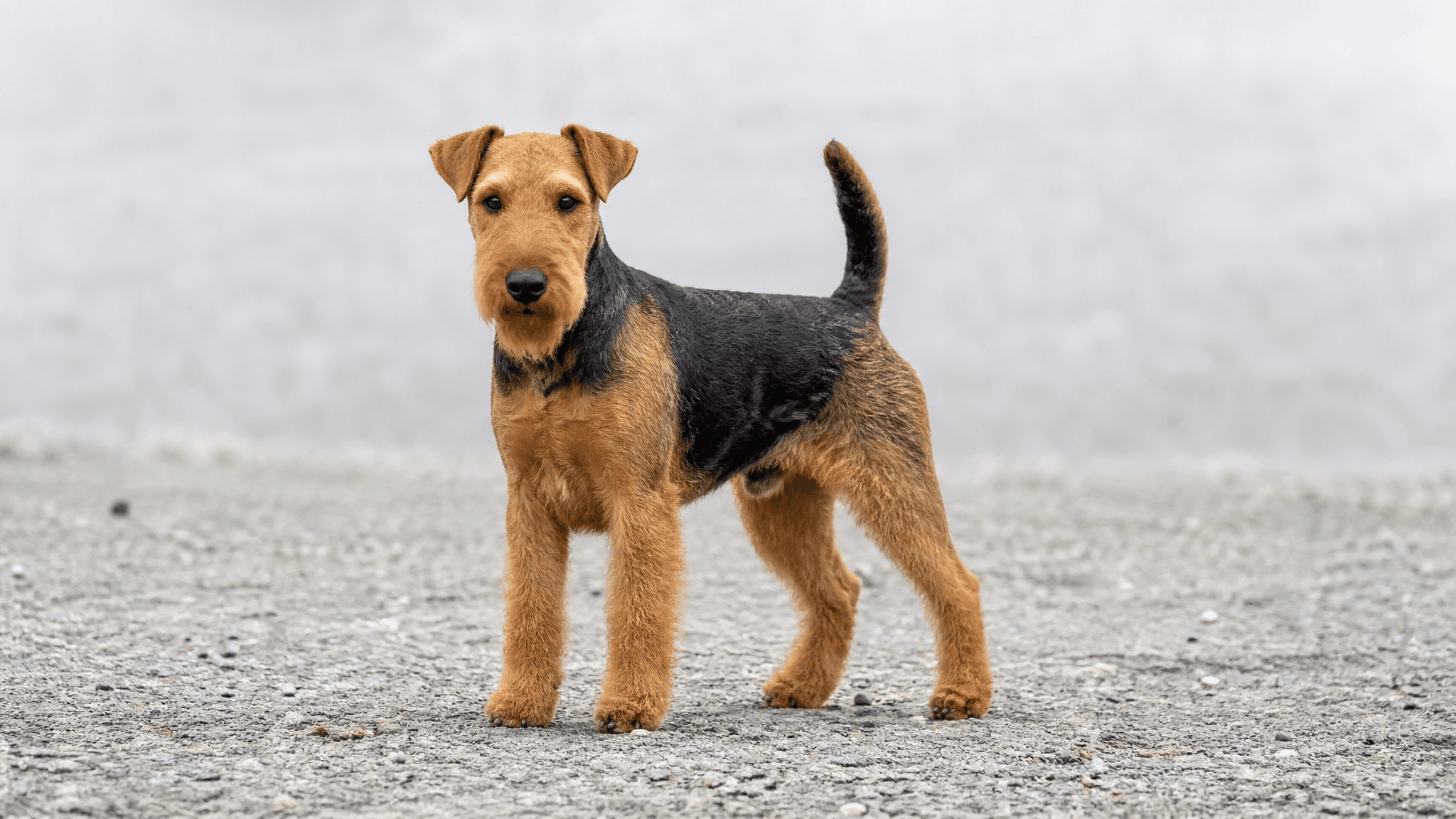
The Welsh Terrier is one of the oldest breeds in Great Britain, probably the oldest of the surviving rough-coated terriers, with documented records from the 18th century in Wales. It was used to hunt badger, otter, and fox in the rocky Welsh hills. Visually similar to the Airedale, but smaller, it has the same black-and-tan color pattern and a very similar character, which is why it is sometimes called "the Airedale's son."
Physical Characteristics
- Size
- Medium
- Height (male)
- 39 cm
- Height (female)
- 37 cm
- Weight (male)
- 9–9.5 kg
- Weight (female)
- 8–9 kg
- Life Expectancy
- 12–15 years
- Coat
- hard, rough outer coat; short and soft undercoat
- Common Colors
- black and tan; blue and tan; black-grizzle and tan
Temperament & Personality
The Welsh Terrier is often described as "lively, without being quarrelsome." It is a dog with personality, curious, intelligent, and very attached to the family. It has a more balanced temperament than many terriers — less hyperactive and easier to manage — making it a good choice for active families with some canine experience.
Activity & Exercise
- Energy Level
- High
- Recommended Daily Exercise
- 60 minutes
- Suitable for Apartment
- Not recommended
Grooming & Care
- Grooming Needs
- High
- Shedding
- Minimal
- Bathing Frequency
- Every 4–6 weeks
Health
- Common Health Issues
- Eye problems
- Hip dysplasia
- Hypothyroidism
- Skin allergies
- Recommended Health Tests
- Eye examination
- Hip evaluation
- Thyroid analysis
Compatibility
- With Children
- Good
- With Other Dogs
- Moderate
- With Cats
- Can be difficult
- For First-Time Owners
- Acceptable
Is a Welsh Terrier right for you?
A Welsh Terrier may suit you if:
- You are prepared to provide at least an hour of vigorous activity and engaging mental challenges daily.
- You enjoy an active lifestyle that includes exploring new places and engaging in playful, interactive games.
- You appreciate a dog with a spirited, intelligent, and affectionate personality that thrives on family connection.
- You are committed to consistent, positive training methods to channel their cleverness and independence.
- You are ready for regular grooming, including brushing and professional stripping, to maintain their distinctive coat.
- You understand and can manage their natural terrier instincts for digging, chasing, and vocalizing with patience.
Think twice if:
- You expect immediate and unwavering obedience, as their independent terrier spirit often has its own agenda.
- Your household routine involves long periods where your dog would be left alone without companionship or activity.
- You have small, furry pets, especially cats, that may not appreciate their strong natural prey drive.
- You are unwilling to commit to daily vigorous exercise or the significant regular grooming their coat requires.
- Your living situation lacks a securely fenced yard or you prefer a dog content with minimal outdoor access.
- You are unprepared for managing a spirited, curious, and sometimes boisterous adolescent dog with consistent guidance.
The Welsh Terrier is a charming companion, full of life and devoted to their family, offering a more manageable terrier experience. Yet, their spirited intelligence and historical hunting drive mean they thrive with active owners who appreciate their independent nature and are ready to engage them fully. They promise a lively, rewarding partnership for the right home.
Training a Welsh Terrier
Welsh Terriers are intelligent, curious, and deeply attached to their families, making them eager learners when motivated correctly. They thrive on positive reinforcement, especially with treats and engaging play, which keeps training sessions fun and brief. Aim for short, upbeat sessions of 5-10 minutes to match their lively energy and prevent boredom. Inconsistent training or harsh methods will quickly lead to disengagement and a stubborn streak, as these smart dogs will simply decide it's not worth their while. Patience and consistency are key to unlocking their full potential.
Begin with:
- Responding to name around distractions
- Reliable recall on a long line
- Walking politely on a loose leash
- Leave it and drop it on cue
- Calm greetings without jumping
- Settling quietly on a mat
- Cooperative handling for grooming and vet checks
- Waiting patiently at doors and gates
Prey Drive Challenges
Welsh Terriers were bred to hunt badger, otter, and fox, giving them a strong prey drive. This instinct means a squirrel or a rustling bush can instantly override their focus, making recall particularly tricky outdoors. Their natural curiosity and high energy level will often lead them to pursue anything that moves.
To manage this, always practice recall in a secure, fenced area first. Gradually introduce distractions while keeping your dog on a long line, using high-value treats to reward their attention when they choose you over the environment. Never rely solely on voice commands in high-prey environments; a secure leash or long line is essential for their safety. Our guide on recall can help.
Leash Pulling
Despite their medium size (males 9-9.5 kg, females 8-9 kg), Welsh Terriers have a surprising amount of strength and determination. Their high energy level means they are often keen to explore, which can lead to significant pulling on the leash, especially if they aren't getting their recommended 60 minutes of daily exercise.
Start loose-leash training in a low-distraction environment. Reward every step taken on a slack leash, and stop walking the moment the leash tightens. Consistency is crucial. Consider using a front-clip harness for better control without discomfort. For more detailed steps, check out this training plan.
Boredom Behaviors
A Welsh Terrier's lively and intelligent nature means they need both physical and mental stimulation. If under-exercised, under-stimulated, or left alone for too long, they can resort to undesirable behaviors like excessive barking, digging, or destructive chewing. They are not recommended for apartment living for this reason, as they need space and activity.
Ensure your Welshie gets their full 60 minutes of daily exercise, split into engaging walks or play sessions. Incorporate puzzle toys, scent work, and short training bursts throughout the day to keep their minds busy. A tired Welsh Terrier is a well-behaved Welsh Terrier! You can track your walks with our GPS Walks feature.
Welsh Terrier — Frequently Asked Questions
What is the Welsh Terrier?
The Welsh Terrier is a delightful medium-sized dog hailing from the United Kingdom, specifically Wales, with documented records dating back to the 18th century. As a member of FCI Group 3 (Large and Medium-Sized Terriers), they are known for their distinctive rough, wiry black-and-tan coat. Often described as lively, intelligent, and very attached to their families, they possess a wonderful personality. While visually similar to the Airedale, they are a smaller version, sharing many of the same charming characteristics, making them a truly special companion.
What was the Welsh Terrier originally bred for?
The Welsh Terrier boasts a fascinating history as one of Great Britain's oldest breeds, with its roots firmly planted in 18th-century Wales. These tenacious dogs were originally bred for a very specific and demanding purpose: to hunt badger, otter, and fox. Their sturdy build, keen intelligence, and fearless nature made them perfectly suited for navigating the rocky Welsh hills, flushing out quarry from their dens. This rich heritage speaks volumes about their enduring spirit and determination, traits that are still evident in the breed today.
How much exercise does a Welsh Terrier need?
Welsh Terriers are energetic little dynamos with a high energy level, so they definitely need a good amount of activity to stay happy and healthy! We recommend at least 60 minutes of exercise every single day. This isn't just about a quick walk around the block; they thrive on varied activities like brisk walks, playful romps in a secure yard, or engaging in dog sports. Regular physical and mental stimulation will help channel their lively spirit positively and prevent boredom, ensuring your Welsh Terrier remains a well-behaved and joyful companion.
Is the Welsh Terrier a good family dog?
Absolutely! The Welsh Terrier can make a wonderful addition to an active family, especially those with some prior canine experience. They are renowned for being lively, intelligent, and incredibly attached to their human family members. Their temperament is often described as more balanced than many other terrier breeds – less hyperactive and generally easier to manage. With proper socialization from a young age, they can get along well with children and other pets, though their terrier instincts mean supervision and consistent training are always key to a harmonious household.
Is the Welsh Terrier easy to train?
Welsh Terriers are intelligent and curious dogs with a distinct personality, which makes training an engaging experience! While they are certainly capable of learning quickly, their terrier nature can sometimes manifest as an independent streak. However, their more balanced temperament compared to some other terriers means they are generally quite trainable. Consistency, positive reinforcement, and patience are your best friends when teaching a Welsh Terrier. Early socialization and puppy classes are highly recommended to help them grow into well-adjusted and obedient companions, eager to please their beloved family.
What health issues are common in the Welsh Terrier?
Like all breeds, Welsh Terriers can be prone to certain health conditions, and being aware of them helps you provide the best care. Documented health concerns for the breed include eye problems, hip dysplasia, hypothyroidism, and skin allergies. Responsible breeders screen their dogs to minimize the risk of passing on hereditary conditions. Regular veterinary check-ups, a balanced diet, and a healthy lifestyle are crucial for early detection and management of any potential issues, helping your Welsh Terrier live a long, vibrant life by your side.
What is the Welsh Terrier's coat like and how much grooming does it need?
The Welsh Terrier sports a distinctive rough, wiry coat that is typically black and tan, giving them that classic terrier look. This type of coat is designed to protect them from harsh weather and underbrush, reflecting their working heritage. To maintain its texture, health, and neat appearance, regular grooming is essential. This usually involves weekly brushing to prevent mats and remove loose hair, along with periodic hand-stripping or professional clipping every few months. This routine will keep their coat in top condition and your Welsh Terrier looking their very best!
What is the typical lifespan of a Welsh Terrier?
Welsh Terriers are generally robust and healthy dogs, and with proper care, they can be wonderful companions for many years! The typical lifespan for a Welsh Terrier is between 12 and 15 years. Providing them with a high-quality diet, consistent exercise, regular veterinary check-ups, and plenty of love and mental stimulation all contribute significantly to their overall well-being and longevity. Cherish every moment with your lively Welsh Terrier, as they truly bring so much joy and personality into a home!
Community
Talk to real Welsh Terrier owners
This guide covers the breed on paper. In the app, the Welsh Terrier community covers it in real life: photos from other owners, questions answered by people who live with the breed, and a directory of dogs you can browse.
- Photos & pollsSee what Welsh Terrier owners are sharing today.
- Questions & answersAsk anything and hear from people who own one.
- Dog directoryBrowse Welsh Terriers from around the world.
You join automatically when you add a Welsh Terrier to your profile.