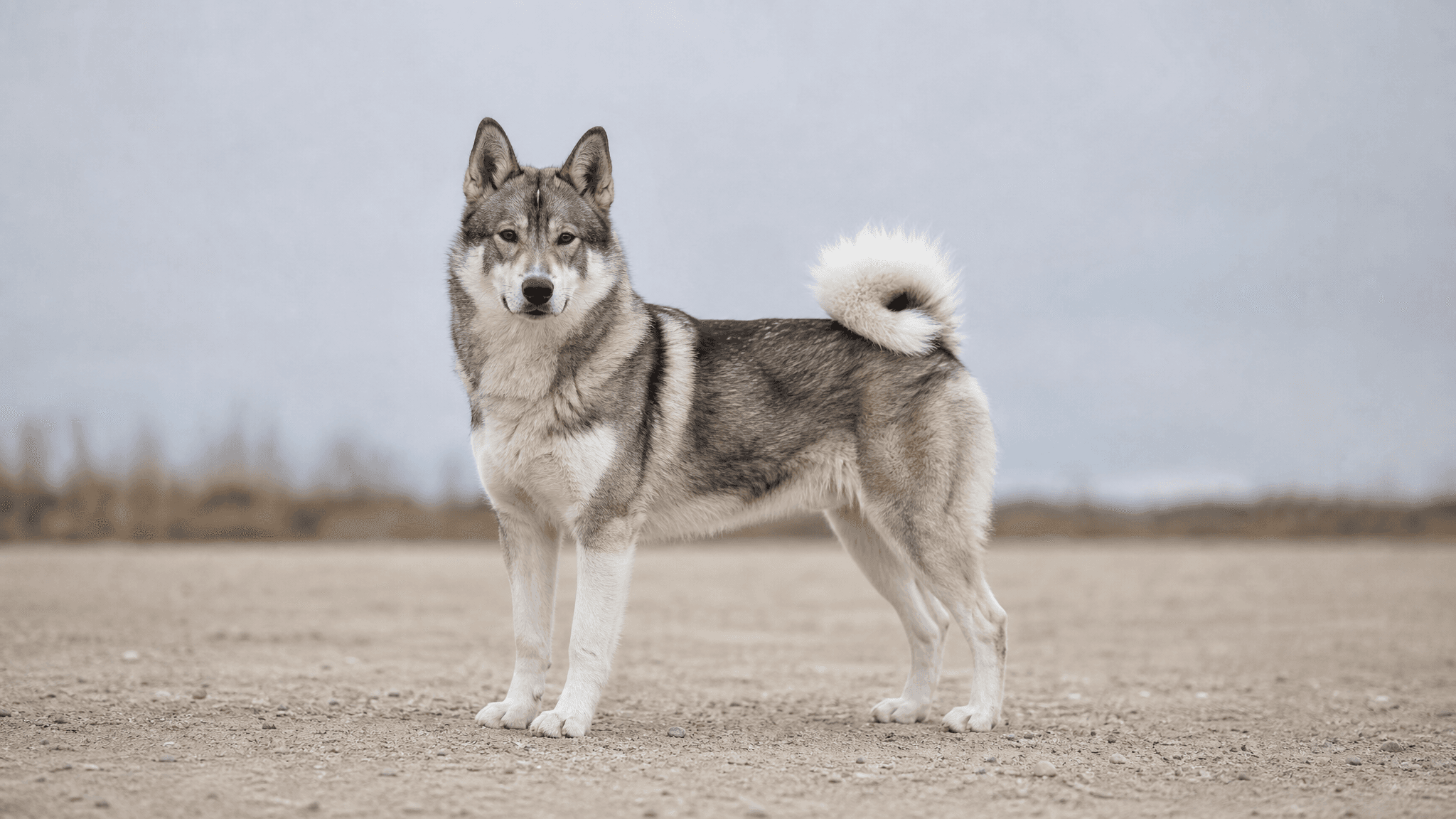
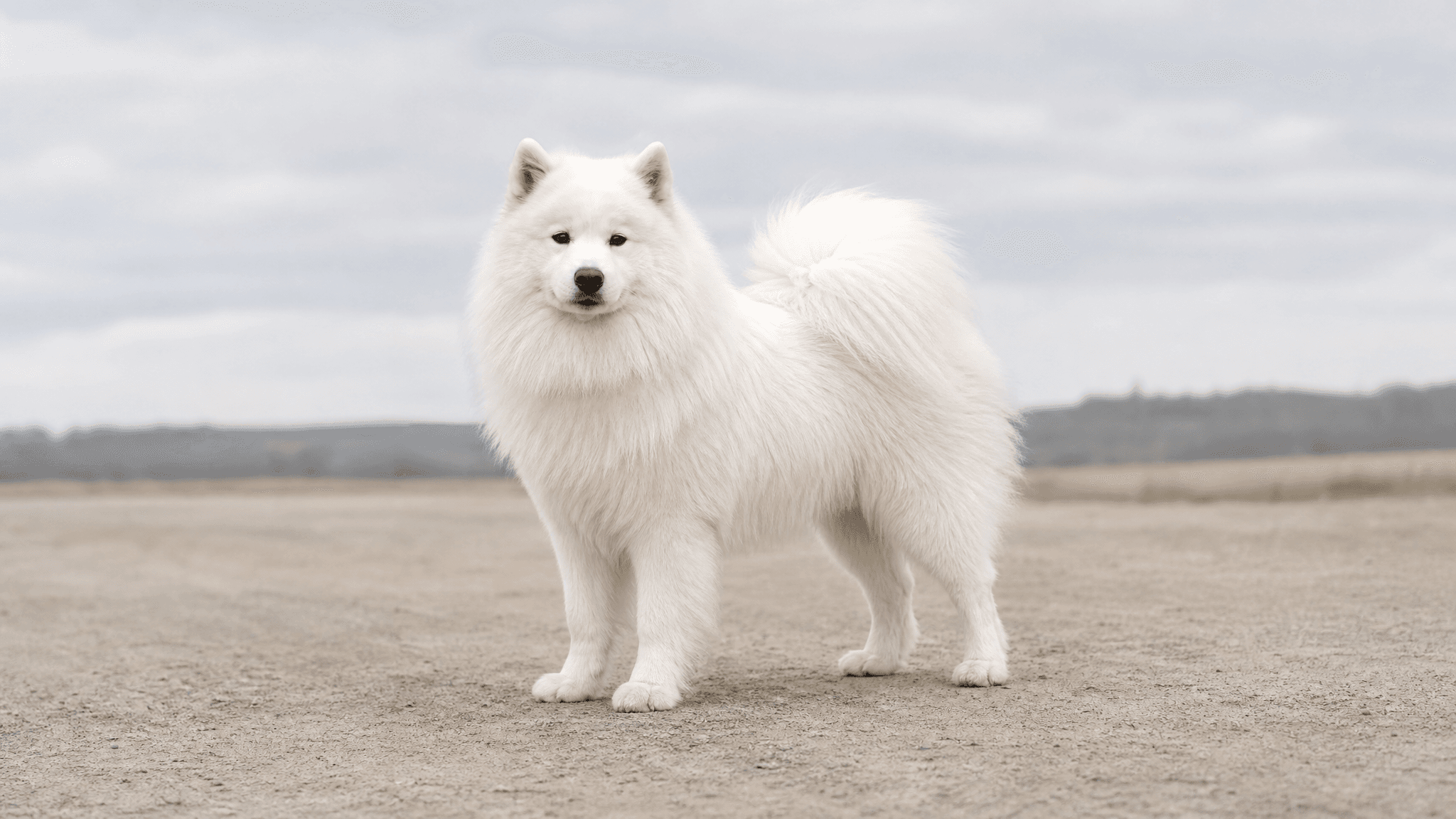
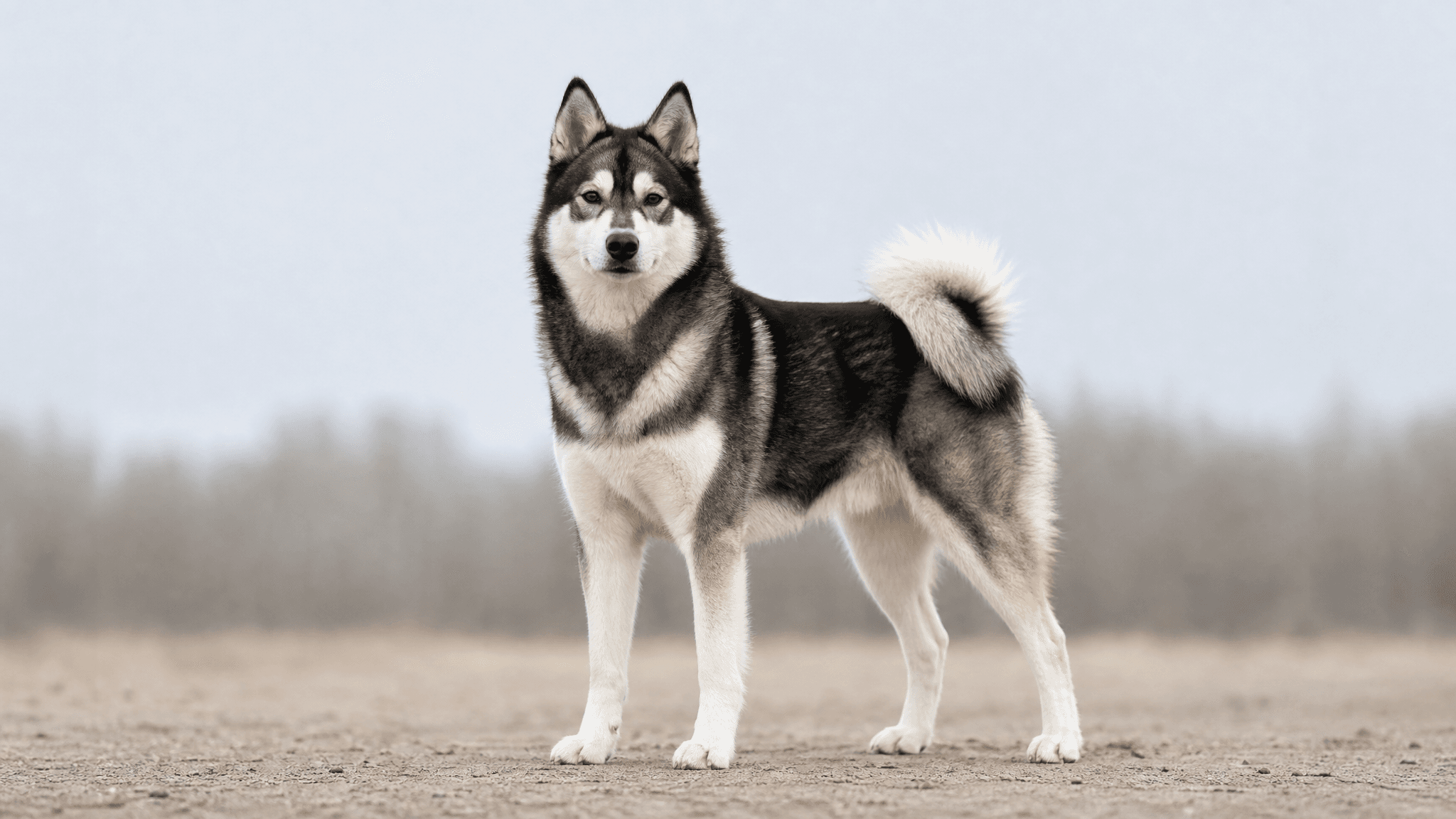
East Siberian Laika
Summary
The East Siberian Laika is the largest of the three Russian Laikas recognized by the FCI, developed in the vast forests of eastern Siberia for versatile hunting of large and small game, including bears, moose, wild boar, and furs. It has a more varied conformation than the other Laikas, reflecting the diversity of regional populations that contributed to its formation.
Physical Characteristics
- Size
- Medium to large
- Height (male)
- 55–63 cm
- Height (female)
- 51–59 cm
- Weight (male)
- 18–23 kg
- Weight (female)
- 16–21 kg
- Life Expectancy
- 12–14 years
- Coat
- Double; hard and dense outer coat of medium length; very dense undercoat
- Common Colors
- Black and white, grey, fawn, wolf, bay; bicolor patches common
Temperament & Personality
The East Siberian Laika is a courageous, hardy, and very determined dog in hunting. With the family, it is loyal and affectionate, but maintains considerable independence. It has a very strong hunting instinct and can be difficult to restrain when in hunting mode. It adapts well to extreme weather conditions and active lifestyles.
Activity & Exercise
- Energy Level
- High
- Recommended Daily Exercise
- 120 minutes
- Suitable for Apartment
- Not recommended
Grooming & Care
- Grooming Needs
- Moderate
- Shedding
- Moderate to heavy
Health
- Common Health Issues
- Generally very robust breed
- Hip dysplasia
- Recommended Health Tests
- Hip evaluation
Compatibility
- With Children
- Good
- With Other Dogs
- Moderate
- With Cats
- Can be difficult
- For First-Time Owners
- Not recommended
Is an East Siberian Laika right for you?
An East Siberian Laika may suit you if:
- You can commit to at least 120 minutes of vigorous daily exercise and engaging mental challenges.
- You enjoy an active, outdoorsy lifestyle that can include hunting, hiking, or other demanding pursuits.
- You appreciate a loyal and affectionate companion who also maintains a considerable independent spirit.
- You are prepared to invest in consistent, firm, and positive training to guide a determined and intelligent dog.
- You can manage moderate to heavy shedding and are willing to provide regular grooming for a dense double coat.
- You are willing to manage a very strong natural hunting instinct, especially when outdoors.
Think twice if:
- You expect a dog that is always eager to please and highly biddable, as their independence means they often have their own ideas.
- You have a routine that requires your dog to be left alone for long periods, as they thrive on companionship and activity.
- You have cats or other small pets and are unwilling to manage a dog with a strong prey drive.
- You are not prepared for a dog that needs at least two hours of daily exercise and consistent mental stimulation.
- You live in an apartment or do not have a securely fenced outdoor space for a medium to large, active dog.
- You are a first-time dog owner looking for an easy-to-manage puppy, as this breed requires experienced handling.
Living with an East Siberian Laika is a journey of deep loyalty and thrilling adventure, but it demands a truly committed partner. Their independent spirit and robust energy are incredibly rewarding for the right person, yet they require consistent guidance and a life rich in activity. If you're ready for the challenge, you'll gain an unparalleled companion for 12 to 14 years.
Training an East Siberian Laika
Training an East Siberian Laika is a rewarding journey, but it requires understanding their unique blend of loyalty and independence. These courageous and determined dogs are highly intelligent and motivated by working alongside their human, especially when it involves their strong hunting instincts. Keep training sessions short, engaging, and positive, using high-value rewards to capture their attention. Repetitive or boring drills will quickly lead to disinterest, and a handler who misunderstands their independent nature or lacks consistency will find their Laika choosing its own path rather than following commands. Patience and clear communication are key to building a strong bond and effective training.
Begin with:
- Attention and response to name around distractions
- Recall on a long line
- Loose-leash walking
- Leave it and drop it
- Calm greetings without jumping
- Settling on a mat or bed
- Cooperative handling for grooming, ears, feet and teeth
- Waiting at doors and gates
Prey drive and recall
The East Siberian Laika possesses a very strong hunting instinct, making recall around distractions, especially wildlife, a significant challenge. They are bred for versatile hunting of large and small game, and once in "hunting mode," they can be incredibly difficult to restrain. To manage this, focus on building an absolutely rock-solid recall from a young age, starting in low-distraction environments and gradually increasing the challenge. Always use a long line in unfenced areas until their recall is flawless, and practice in varied environments. High-value treats and enthusiastic praise are essential rewards for a successful recall. For more in-depth guidance, check out our guide on teaching a dog to come when called.
Remember that their drive is innate, so complete eradication isn't the goal. Instead, teach them to choose you over the distraction. Securely fenced areas are crucial for off-leash play, and always be aware of your surroundings when out walking. Early socialization and consistent training can help them learn to respond to you even when their instincts are calling.
Strong leash pulling
Given their medium to large size and their heritage as working dogs, East Siberian Laikas can be very strong and determined, often leading to significant leash pulling. They have a high energy level and require around 120 minutes of exercise daily, so they're eager to get moving! Start loose-leash training early with positive reinforcement, rewarding every moment they walk with a slack leash. Consistency is vital, as even a single instance of letting them pull can reinforce the behavior.
Consider using a front-clip harness, which can help redirect their pulling motion without causing discomfort. Avoid retractable leashes, as they teach dogs that pulling is acceptable. For practical tips and a step-by-step plan to improve your walks, take a look at our guide on stopping puppy pulling on the leash and our top dog walking tips. Regular, engaging walks that satisfy their exercise needs will also contribute to better leash manners.
Boredom and independence
East Siberian Laikas are highly energetic and intelligent dogs who thrive on activity and mental stimulation. If under-exercised, under-stimulated, or left alone for extended periods, their independent nature can lead to undesirable behaviors such as excessive barking, destructive chewing, or attempts to escape. They are not recommended for apartment living precisely because they need space and purpose.
Ensure your Laika receives its recommended 120 minutes of daily exercise, incorporating varied activities like hiking, scent work, or dog sports. Provide plenty of puzzle toys and chew items to keep their minds engaged when you can't actively supervise them. Consistent training, perhaps with the help of our training feature, and a structured routine will help channel their intelligence and energy positively, preventing boredom-induced mischief and fostering a well-adjusted companion.
East Siberian Laika — Frequently Asked Questions
What is the Vostotchno-Sibirskaïa Laïka (East Siberian Laika)?
The Vostotchno-Sibirskaïa Laïka, or East Siberian Laika, is a truly remarkable breed originating from the vast, rugged forests of eastern Siberia, Russia. As a member of the FCI Group 5 Nordic Hunting Dogs, they are renowned for their robust nature and incredible versatility. These medium to large-sized dogs are courageous, hardy, and incredibly determined, making them exceptional hunters. Despite their strong working drive, they are loyal and affectionate with their families, though they do maintain a charming independence. Their varied conformation reflects the rich diversity of regional populations that contributed to this magnificent breed's development.
What was the Vostotchno-Sibirskaïa Laïka (East Siberian Laika) originally bred for?
The East Siberian Laika was originally bred for a very important and demanding role: versatile hunting in the challenging environments of eastern Siberia. These dogs were developed to track and hunt a wide array of game, from small fur-bearing animals to much larger prey like bears, moose, and wild boar. Their incredible determination, courage, and stamina made them indispensable companions for hunters, capable of working in extreme weather conditions. This rich history has shaped them into the resilient and intelligent dogs we admire today, perfectly adapted to an active, outdoor lifestyle.
How much exercise does a Vostotchno-Sibirskaïa Laïka (East Siberian Laika) need?
True to their high energy level and hunting heritage, East Siberian Laikas require a substantial amount of exercise to stay happy and healthy! We recommend at least 120 minutes of vigorous activity every single day. This isn't just a casual stroll; they thrive on long hikes, running, and engaging in activities that challenge both their bodies and minds. Their need for an active lifestyle means they are best suited for homes where they can truly stretch their legs and satisfy their innate drive to explore and work. Regular, stimulating exercise is key to their well-being.
Is the Vostotchno-Sibirskaïa Laïka (East Siberian Laika) a good family dog?
With their family, the East Siberian Laika can be a wonderfully loyal and affectionate companion, forming strong bonds with their human pack members. However, it's important to remember their considerable independence and very strong hunting instinct. While generally good with children, especially when raised together and supervised, their prey drive can be difficult to restrain around smaller pets. Introductions should be careful and managed, and ongoing supervision is always recommended. They thrive in active households that understand and respect their unique temperament and provide ample mental and physical stimulation.
Is the Vostotchno-Sibirskaïa Laïka (East Siberian Laika) easy to train?
The East Siberian Laika is an intelligent and determined breed, which makes them highly capable learners, especially when it comes to tasks that engage their natural instincts. However, their considerable independence means they aren't always the easiest to train in a conventional sense. They respond best to consistent, positive reinforcement training methods and a patient, understanding owner who can channel their drive. Their strong hunting instinct requires careful management and early socialization. With the right approach, you can build a wonderful working relationship with your Laika, fostering their loyalty and respect.
What health issues are common in the Vostotchno-Sibirskaïa Laïka (East Siberian Laika)?
The East Siberian Laika is generally considered a very robust and hardy breed, a testament to their natural origins and active lifestyle. They are known for their resilience and ability to thrive in challenging environments. However, like many medium to large-sized breeds, they can be predisposed to certain health concerns. One documented issue to be aware of is hip dysplasia. Responsible breeders will screen their dogs for this condition to help ensure the health of future generations. Regular veterinary check-ups and a healthy lifestyle are always the best defense for your beloved Laika.
What is the Vostotchno-Sibirskaïa Laïka (East Siberian Laika)'s coat like and how much grooming does it need?
The East Siberian Laika boasts a dense, protective double coat that is perfectly suited for enduring extreme weather conditions, a legacy of their Siberian homeland. This thick coat consists of a harsh, straight outer layer and a soft, dense undercoat, providing excellent insulation. While they are not excessively high-maintenance, they do require regular grooming to keep their coat healthy and minimize shedding. Brushing them a few times a week will help remove loose hair and prevent matting, with more frequent brushing needed during seasonal shedding periods to manage their impressive coat.
What is the typical lifespan of a Vostotchno-Sibirskaïa Laïka (East Siberian Laika)?
You'll be delighted to know that the robust and hardy East Siberian Laika typically enjoys a long and healthy life! With proper care, nutrition, and regular veterinary attention, these wonderful dogs generally live for 12 to 14 years. Their strong genetic makeup, combined with an active lifestyle, contributes to their excellent longevity. Providing them with a loving home, plenty of exercise, and a balanced diet will help ensure your Laika companion stays by your side, happy and healthy, for many wonderful years.
Community
Talk to real East Siberian Laika owners
This guide covers the breed on paper. In the app, the East Siberian Laika community covers it in real life: photos from other owners, questions answered by people who live with the breed, and a directory of dogs you can browse.
- Photos & pollsSee what East Siberian Laika owners are sharing today.
- Questions & answersAsk anything and hear from people who own one.
- Dog directoryBrowse East Siberian Laikas from around the world.
You join automatically when you add a East Siberian Laika to your profile.