Chinook
Summary
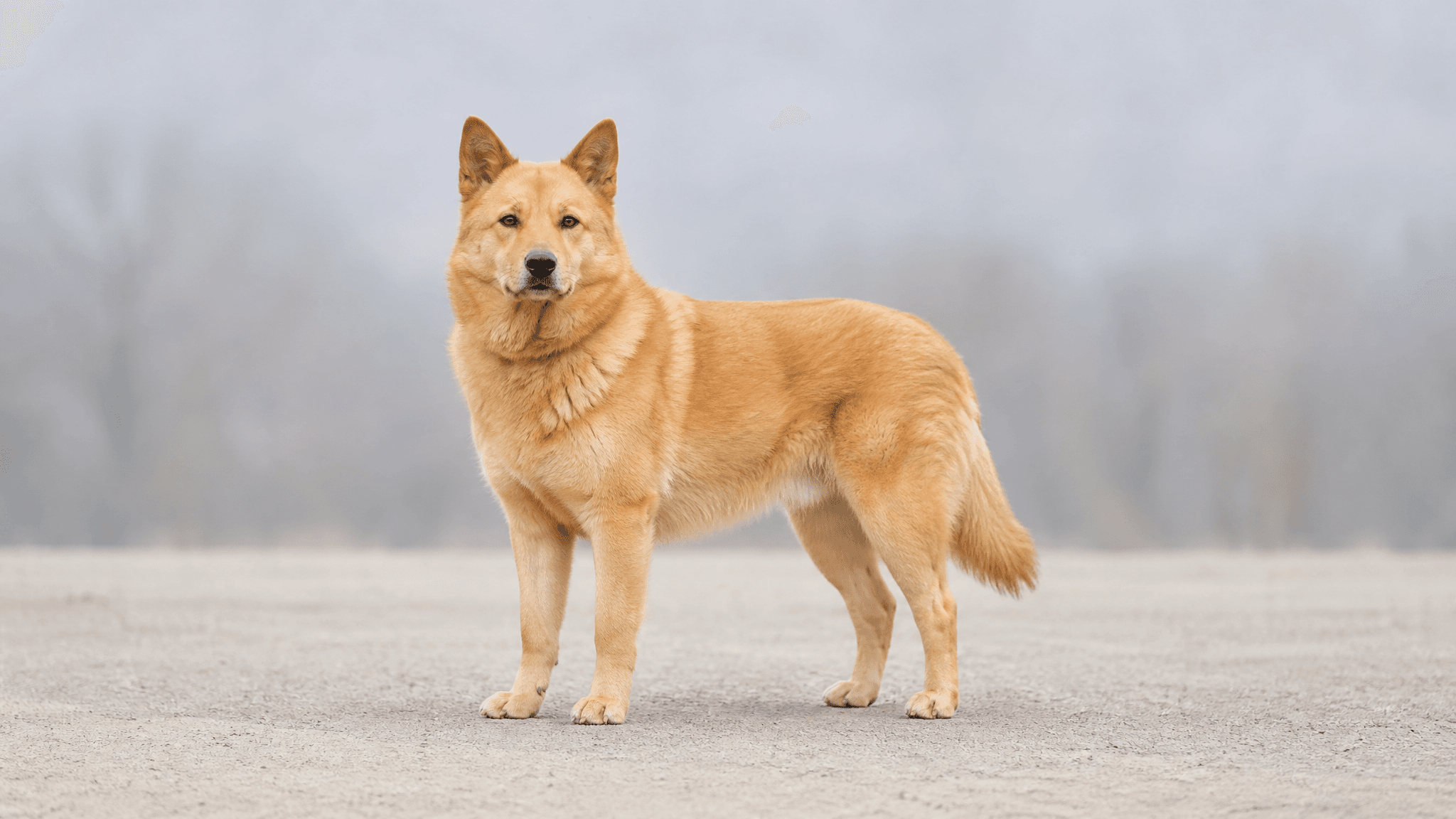
The Chinook is a rare American sled and working dog developed in New Hampshire. It is known for strength, endurance, trainability, and a gentle family temperament.
Physical Characteristics
- Size
- Medium to large
- Height (male)
- 61–66 cm
- Height (female)
- 56–61 cm
- Weight (male)
- 25–41 kg
- Weight (female)
- 23–29.5 kg
- Life Expectancy
- 12–15 years
- Coat
- Medium-length double coat with a dense undercoat
- Common Colors
- Tawny shades ranging from pale honey to reddish gold
Temperament & Personality
The Chinook is intelligent, patient, devoted, willing, and gentle. It is a working sled dog but usually softer and more handler-focused than many northern breeds.
Activity & Exercise
- Energy Level
- Moderate to high
- Recommended Daily Exercise
- 60–90 minutes
- Suitable for Apartment
- Yes with exercise
Grooming & Care
- Grooming Needs
- Moderate
- Shedding
- Seasonal
- Bathing Frequency
- Every 6–8 weeks
Health
- Common Health Issues
- Cryptorchidism
- Eye disorders
- Hip dysplasia
- Seizures
- Recommended Health Tests
- Cardiac examination
- Eye examination
- Hip evaluation
Compatibility
- With Children
- Good
- With Other Dogs
- Good
- With Cats
- Moderate
- For First-Time Owners
- Acceptable
Is a Chinook right for you?
A Chinook may suit you if:
- You are prepared to provide 60 to 90 minutes of engaging exercise daily to keep their intelligent minds and bodies happy.
- You enjoy outdoor adventures like hiking, skijoring, or long walks, as Chinooks thrive with a job to do alongside their people.
- You appreciate a devoted, gentle, and intelligent companion who forms strong bonds and is eager to please their family.
- You are committed to consistent, positive reinforcement training to nurture their willing nature and harness their intelligence.
- You are ready for moderate grooming, including regular brushing, especially during seasonal shedding, to maintain their beautiful double coat.
- You are willing to channel their natural sled dog instincts into productive activities, understanding their heritage.
Think twice if:
- You expect immediate, flawless obedience from a dog, as Chinooks are intelligent but can have an independent streak characteristic of northern breeds.
- You frequently leave your dog alone for extended periods, as Chinooks thrive on companionship and can become anxious without their people.
- You are unwilling to supervise initial interactions with cats or smaller non-canine pets, given their moderate compatibility with felines.
- You are unable to commit to at least 60 minutes of daily exercise or regular brushing, especially during their seasonal shedding.
- You lack a securely fenced yard or are unprepared for consistent leash walks, as these active dogs need safe outlets for their energy.
- You are not prepared for the strength and exuberance of a medium to large-sized dog, especially during their boisterous adolescent phase.
The Chinook is a truly special companion, offering immense devotion and a gentle spirit. While their intelligence and willingness make them trainable, remember their working dog heritage means they thrive with purpose and consistent engagement. They ask for your active participation in their lives, rewarding you with an unparalleled bond that makes every effort worthwhile.
Training a Chinook
Your Chinook is a wonderfully intelligent and devoted companion, eager to please and highly responsive to positive reinforcement. As a working sled dog, they thrive when given a purpose and clear direction, making short, engaging training sessions highly effective. Keep things fun and rewarding with treats, praise, and play! Inconsistent commands or a harsh approach will quickly lead to disengagement and confusion for this sensitive, handler-focused breed. Building a strong bond through fair and consistent training is key to unlocking their full potential and ensuring a happy, well-adjusted dog for their 12-15 year lifespan.
Begin with:
- Attention and response to name
- Recall on a long line
- Loose-leash walking
- Leave it and drop it
- Calm greetings without jumping
- Settling on a mat or bed
- Cooperative handling for grooming
- Waiting at doors and gates
Exploring and pulling drive
Chinooks are bred for endurance and pulling, so their natural inclination is to explore their environment with enthusiasm. This can manifest as a strong desire to follow interesting scents or investigate new sights, sometimes making them seem less attentive during walks.
To manage this, start recall training early and consistently, especially in distracting environments. Use a long line for safety while practicing in open spaces. Reward heavily for checking in with you. For pulling, focus on loose-leash walking techniques from puppyhood, making sure your Chinook understands that a slack leash means more enjoyable progress.
Leash manners and strength
Given their moderate to high energy and substantial size (up to 41 kg), a Chinook can be quite a powerhouse on the leash if not properly trained. Their desire to explore and pull, combined with their strength, can make walks challenging for even an experienced owner.
Focus on teaching polite leash manners from day one. Use a comfortable, well-fitting harness that discourages pulling, and practice walking in low-distraction environments before gradually increasing the challenge. Consistency is key; every walk is a training opportunity to reinforce the desired behavior. If you're struggling, consider our training feature for structured guidance.
Boredom and separation
Chinooks are intelligent, devoted dogs with moderate to high energy levels, requiring 60-90 minutes of exercise daily. If they don't receive adequate physical activity and mental stimulation, or if they are left alone for extended periods without proper preparation, they can become bored, stressed, and potentially destructive.
Ensure your Chinook gets their recommended daily exercise, which can include walks, hikes, or engaging play. Provide puzzle toys and enrichment activities to keep their minds active when you can't directly supervise. For separation, gradually accustom them to alone time, starting with short durations, to prevent anxiety. A well-exercised and mentally stimulated Chinook is a happy and calm companion.
Chinook — Frequently Asked Questions
What is the Chinook?
The Chinook is one of the rarest American dog breeds — a sled dog developed in New Hampshire in the early 20th century by explorer and musher Arthur Walden. Walden created the breed by crossing a farm dog (thought to have mastiff blood) with sled-type dogs, producing a large, tawny, powerful working sled dog with exceptional temperament. The original stud dog, named Chinook, accompanied Admiral Byrd on his first Antarctic expedition in 1929. By the 1960s the breed had nearly gone extinct — reaching a low of just 11 dogs in 1981. Dedicated breeders revived it, and it was formally recognised by the AKC in 2013. It is the state dog of New Hampshire.
Is the Chinook a good family dog?
The Chinook is renowned for its exceptionally gentle, calm, and patient temperament — it is one of the most family-friendly working breeds. It is naturally good with children, tolerant and playful without being overwhelming. It is typically friendly with strangers once introduced and generally sociable with other dogs. It bonds deeply with its family and can suffer from separation anxiety if left alone too long. Its calm disposition and lack of aggression make it an excellent choice for families with children of all ages. It is a large, active dog, however, and needs space and daily exercise to be at its best.
How much exercise does a Chinook need?
The Chinook is a working sled dog with real endurance and needs 1–2 hours of daily exercise to stay healthy and content. It excels at long runs, hiking, and pulling activities — it was bred for sustained physical work in cold conditions. It also enjoys swimming and fetch games. Equally important is mental stimulation — the Chinook is intelligent and benefits from training sessions, nose work, and interactive play. Without adequate daily exercise, it can become restless and may develop behavioural issues. It is an ideal companion for runners, hikers, or active outdoors enthusiasts. It adapts better to cold climates than hot ones.
What health issues are common in the Chinook?
The Chinook is generally healthy, particularly given its very limited gene pool in recent history. Hip dysplasia occurs at moderate rates and responsible breeders screen breeding dogs for it. Eye conditions — including cataracts and progressive retinal atrophy — have been observed in the breed and should be monitored. Epilepsy has been reported in some Chinook lines. Cryptorchidism (undescended testicle) occurs at higher rates than average in the breed. Hypothyroidism can also develop. Given the breed's historically tiny population, maintaining genetic diversity is an ongoing concern that responsible breeding programmes actively address. Regular veterinary check-ups are particularly important for this rare breed.
Is the Chinook easy to train?
The Chinook is one of the most trainable of the working sled dog breeds. It is intelligent, eager to please, and sensitive — it responds beautifully to positive reinforcement training and does not need harsh methods, which would be counterproductive. It learns quickly and maintains its training reliably. It has historically excelled not only at sled work but also at search and rescue, therapy work, obedience, and agility — testament to its remarkable trainability. The Chinook's gentle, cooperative nature means beginners can find it manageable as long as they commit to positive, consistent training. Early socialisation is important to develop a confident, well-rounded adult.
How do you groom a Chinook?
The Chinook has a medium-length, dense double coat — a thick undercoat beneath a straight, coarse outer coat — that provides excellent insulation in cold weather. Grooming needs are moderate: brushing 1–2 times per week with a slicker brush and undercoat rake keeps the coat in good condition and manages shedding. The Chinook sheds moderately year-round with two heavier seasonal shedding periods (spring and autumn) when daily brushing becomes necessary to manage the undercoat blow. Bathing every 6–8 weeks is typically sufficient unless particularly muddy. Ears, nails, and teeth should be checked and cleaned regularly as part of the routine.
What is the typical lifespan of a Chinook?
The Chinook typically lives between 12 and 15 years — excellent for a large working breed. Its careful revival by dedicated breeders has focused on health, temperament, and longevity as primary goals. Key longevity factors include maintaining a healthy body weight (Chinooks can become overweight without adequate exercise), providing regular vigorous exercise, scheduling routine veterinary check-ups including eye and hip examinations, monitoring for epilepsy, and providing good dental care. The Chinook's gentle, willing nature and exceptional temperament means it often has a wonderful quality of life throughout its years, remaining active and engaged well into old age.
Does the Chinook get along with other dogs?
The Chinook is naturally sociable and gets along very well with other dogs — a trait inherited from its sled dog working origins, where cooperating closely with other dogs in a team was essential. It is rarely aggressive and typically enjoys canine companionship. Multi-dog households suit it well, and having a canine companion can significantly improve its wellbeing when owners are away. It is also generally friendly toward strangers and other animals, though individual prey drive levels may vary. Early socialisation reinforces and broadens these naturally cooperative instincts. The Chinook's calm, cooperative temperament makes it one of the more dog-friendly of all the working sled dog breeds.
Community
Talk to real Chinook owners
This guide covers the breed on paper. In the app, the Chinook community covers it in real life: photos from other owners, questions answered by people who live with the breed, and a directory of dogs you can browse.
- Photos & pollsSee what Chinook owners are sharing today.
- Questions & answersAsk anything and hear from people who own one.
- Dog directoryBrowse Chinooks from around the world.
You join automatically when you add a Chinook to your profile.