Castro Laboreiro Dog
Summary
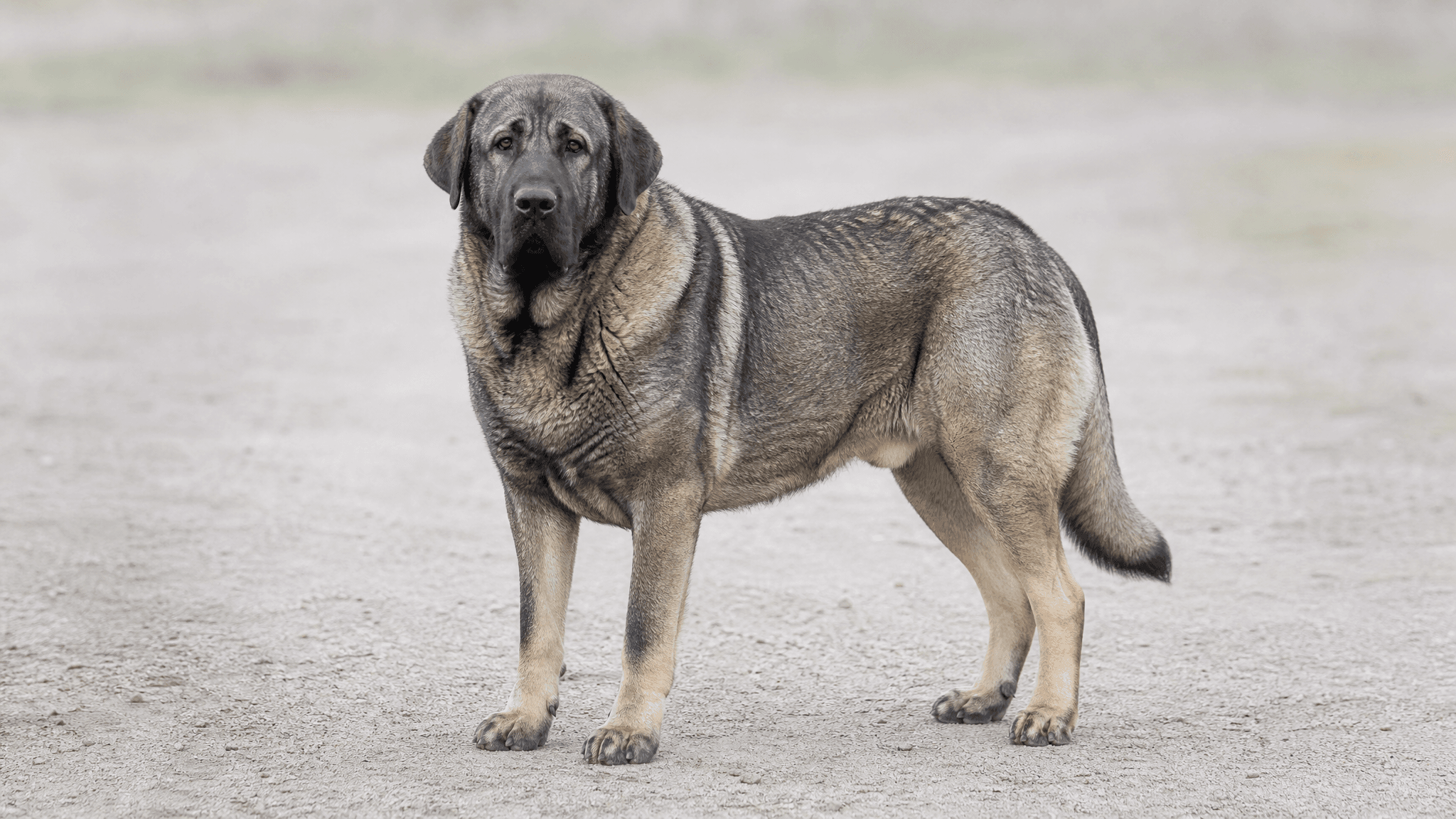
The Cão de Castro Laboreiro is one of the oldest and rarest Portuguese breeds, originating from the village of Castro Laboreiro in the extreme north of Portugal, near the border with Galicia. Bred to guard flocks in the mountains of the Peneda-Gerês National Park, it developed unique characteristics of cold resistance and adaptation to wildlife. Its worldwide population is estimated at only 200–500 individuals, making it one of the most endangered breeds.
Physical Characteristics
- Size
- Large
- Height (male)
- 55–65 cm
- Height (female)
- 52–62 cm
- Weight (male)
- 20–40 kg
- Weight (female)
- 20–35 kg
- Life Expectancy
- 12–13 years
- Coat
- Short to medium, very dense and thick
- Common Colors
- "Parda" — dark grey or brownish base with dark markings (wolf colour); varies from wolf-like to greyish
Temperament & Personality
The Cão de Castro Laboreiro is courageous, independent, and extraordinarily resilient. It has a serious and reserved temperament — it is not a demonstrative dog nor sociable with strangers, but is deeply loyal to its family and the flock it guards. Its voice is peculiar: it has a characteristic bark described as a "song" or "mountain bark", distinct from any other Portuguese breed. It needs a lot of space and work to feel fulfilled.
Activity & Exercise
- Energy Level
- High
- Recommended Daily Exercise
- 90–120 minutes
- Suitable for Apartment
- Not recommended
Grooming & Care
- Grooming Needs
- Low
- Shedding
- Moderate
- Bathing Frequency
- Every 6–8 weeks
Health
- Common Health Issues
- Generally very healthy (working breed)
- Occasional hip dysplasia
- Recommended Health Tests
- Hip radiography
Compatibility
- With Children
- Moderate
- With Other Dogs
- Moderate
- With Cats
- Can be difficult
- For First-Time Owners
- Not recommended
Is a Castro Laboreiro Dog right for you?
A Castro Laboreiro Dog may suit you if:
- You are prepared to provide 90 to 120 minutes of vigorous exercise and mental challenges daily.
- You enjoy an active, outdoor lifestyle, perhaps with opportunities for guarding or working tasks.
- You appreciate a courageous, independent companion with a deep, reserved loyalty to its family.
- You are committed to consistent, experienced training to guide a strong-willed, intelligent breed.
- You are comfortable with moderate shedding and minimal grooming for a dense, thick coat.
- You understand and can manage a dog with a unique, resonant "mountain bark" and reserved nature towards strangers.
Think twice if:
- You expect immediate, eager obedience from a dog, as this breed is independent-minded.
- You frequently leave your dog alone for long periods or live in a small apartment.
- You need a dog that is immediately friendly with all children, other pets, or cats in the home.
- You are unwilling to commit to at least 90 minutes of daily vigorous activity for a high-energy dog.
- You lack a securely fenced, spacious outdoor area for a large, active guardian breed.
- You are unprepared for managing a powerful, large-sized dog through its strong-willed adolescence.
The Castro Laboreiro Dog is a magnificent, loyal companion for the right person. Its independent spirit and deep devotion create a unique bond, but demand an owner who truly understands and respects its ancient guardian instincts. While not for everyone, this rare and resilient breed offers profound companionship to those prepared for its specific needs.
Training a Castro Laboreiro Dog
The Castro Laboreiro is a deeply loyal yet independent thinker, learning best through consistent, positive reinforcement that respects its courageous and resilient nature. Short, engaging training sessions that build on your bond are key, as this breed thrives on a clear, trusting relationship rather than rote commands. Harsh methods or inconsistency will quickly lead to disengagement or stubbornness from this reserved and serious dog, making progress difficult and potentially damaging your connection with this extraordinary breed.
Begin with:
- Attention and response to name around distractions
- Recall on a long line
- Loose-leash walking
- Leave it and drop it
- Calm greetings without jumping
- Settling on a mat or bed
- Cooperative handling for grooming, ears, feet and teeth
- Waiting at doors and gates
Guarding Instinct and Recall
This breed's strong guarding instinct means it can be easily distracted by perceived threats or novel stimuli, making recall challenging, especially with its natural independence. Start recall training in a secure, low-distraction environment, gradually increasing the complexity. Always make coming back to you the most rewarding option with high-value treats and praise. Practice regularly, even in your garden, and consider a long line for safety during early outdoor sessions. For more detailed guidance, check out our guide on teaching a dog to come when called.
Understanding its reserved temperament and natural inclination to protect its family is crucial. Ensure your Castro Laboreiro has a solid 'stay' and 'wait' command, allowing you to manage situations where its guarding instincts might kick in, rather than relying solely on recall in high-stimulus environments.
Leash Pulling and Strength
The Castro Laboreiro is a large, strong dog with high energy, requiring 90-120 minutes of daily exercise. Without proper training, its natural strength and drive can make walks difficult, especially given it is not recommended for first-time owners. Begin loose-leash training early with positive reinforcement, rewarding your dog for walking calmly by your side. Consistency is key, as is patience.
Use a front-clip harness or head halter if needed to manage pulling effectively, and ensure you're providing enough physical and mental stimulation before walks to help them focus. For additional help, explore our tips for stopping leash pulling.
Boredom and Destructive Habits
As a high-energy, independent breed not suited for apartment living, a Castro Laboreiro that isn't sufficiently exercised or mentally stimulated can develop undesirable behaviors. This might manifest as excessive barking (its characteristic 'mountain bark'), digging, or chewing. Their resilience means they need robust outlets for their energy.
Provide a variety of puzzle toys, regular training sessions, and plenty of opportunities for appropriate outdoor activity to keep their intelligent minds and strong bodies engaged. A tired Castro Laboreiro is a well-behaved Castro Laboreiro. Structured playtime and consistent routines are vital to prevent boredom-induced issues.
Castro Laboreiro Dog — Frequently Asked Questions
What is the Cão de Castro Laboreiro (Castro Laboreiro Dog)?
The Cão de Castro Laboreiro, also known as the Castro Laboreiro Dog, is a magnificent and ancient breed originating from the rugged mountains of Castro Laboreiro village in northern Portugal, near the border with Galicia. Classified in FCI Group 2 as a Mountain type, these large dogs are renowned for their courageous and independent spirit. They possess an extraordinary resilience, adapting perfectly to harsh environments. Their temperament is serious and reserved, not overtly demonstrative, but they are incredibly loyal to their families. A truly unique characteristic is their distinctive 'mountain bark' or 'song', unlike any other Portuguese breed, making them truly special companions for those who understand their heritage.
What was the Cão de Castro Laboreiro (Castro Laboreiro Dog) originally bred for?
The Cão de Castro Laboreiro was originally bred for a vital and demanding role: guarding flocks in the challenging mountainous terrain of the Peneda-Gerês National Park in Portugal. Their history is deeply intertwined with the life of shepherds, protecting sheep and goats from predators in a wild environment. This ancient purpose shaped their unique characteristics, including incredible cold resistance and an innate ability to adapt to wildlife. Their resilience, courage, and protective instincts were honed over centuries, making them exceptional guardians perfectly suited to their original calling in the rugged mountains.
How much exercise does a Cão de Castro Laboreiro (Castro Laboreiro Dog) need?
Given their high energy level and working background, the Cão de Castro Laboreiro needs a significant amount of exercise to stay happy and healthy. We recommend providing them with 90–120 minutes of vigorous physical activity every single day. This isn't just a casual stroll; they thrive on long walks, hikes, or opportunities to run and explore in secure areas. Mental stimulation is also crucial, so combining their physical exercise with engaging activities will help satisfy their intelligent and independent minds, preventing boredom and ensuring they are well-adjusted companions.
Is the Cão de Castro Laboreiro (Castro Laboreiro Dog) a good family dog?
The Cão de Castro Laboreiro can be a wonderful family protector, but it's important to understand their unique temperament. They are deeply loyal to their family unit, but their serious and reserved nature means they aren't typically demonstrative or immediately sociable with strangers. Early and consistent socialization is absolutely key, especially with children and other pets, to help them learn appropriate interactions. Given their protective instincts, they thrive in homes where their role is understood and they receive clear guidance, ensuring they become a cherished and well-adjusted member of the family.
Is the Cão de Castro Laboreiro (Castro Laboreiro Dog) easy to train?
Training a Cão de Castro Laboreiro requires patience, consistency, and a deep understanding of their independent and courageous temperament. While intelligent, they are not always eager to please in the conventional sense, as their history as independent flock guardians means they're used to making their own decisions. Positive reinforcement methods work best, building trust and respect. Early socialization is paramount to help them accept new experiences and people. With a firm yet gentle hand and consistent guidance, you can certainly shape a well-behaved and loyal companion, but it's a journey that requires dedication.
What health issues are common in the Cão de Castro Laboreiro (Castro Laboreiro Dog)?
One of the wonderful aspects of the Cão de Castro Laboreiro is their robust health! As a working breed developed in challenging conditions, they are generally very healthy and resilient. However, like many large breeds, they can occasionally be prone to hip dysplasia. Responsible breeders screen their dogs to minimize the risk of this condition. Regular veterinary check-ups, a balanced diet, and appropriate exercise will go a long way in keeping your Cão de Castro Laboreiro in excellent shape throughout their life, allowing them to enjoy their natural vitality.
What is the Cão de Castro Laboreiro (Castro Laboreiro Dog)'s coat like and how much grooming does it need?
While our curated facts don't detail the coat specifically, the Cão de Castro Laboreiro's origins in the cold, mountainous regions of Portugal suggest they possess a dense, protective double coat well-suited for harsh weather and adapting to wildlife. This type of coat typically requires moderate grooming to keep it healthy and free of mats, especially during shedding seasons. Regular brushing will help remove loose hair and dirt, maintaining their natural resilience and ensuring they stay comfortable and looking their best. It's a coat built for purpose and protection, reflecting their rugged heritage!
What is the typical lifespan of a Cão de Castro Laboreiro (Castro Laboreiro Dog)?
The Cão de Castro Laboreiro is a remarkably healthy and hardy breed, and with proper care, they typically enjoy a good, long life. You can expect your beloved companion to be with you for approximately 12–13 years. Providing them with a high-quality diet, regular veterinary care, plenty of exercise, and a loving environment will contribute significantly to their longevity and overall well-being. Cherish every moment with these loyal and resilient dogs, as they bring so much character and devotion to their families.
Community
Talk to real Castro Laboreiro Dog owners
This guide covers the breed on paper. In the app, the Castro Laboreiro Dog community covers it in real life: photos from other owners, questions answered by people who live with the breed, and a directory of dogs you can browse.
- Photos & pollsSee what Castro Laboreiro Dog owners are sharing today.
- Questions & answersAsk anything and hear from people who own one.
- Dog directoryBrowse Castro Laboreiro Dogs from around the world.
You join automatically when you add a Castro Laboreiro Dog to your profile.